
I’ve spent plenty of time testing and comparing handheld paint sprayers for home projects, and the Wagner FLEXiO 2500 versus the FLEXiO 3500 is one matchup that keeps coming up when I’m deciding which tool to reach for.
My goal here is to give you a clear, practical breakdown of how these two sprayers perform in real use so you can pick the one that fits your projects without wasting money or time on the wrong choice.
| Feature | Wagner FLEXiO 2500 | Wagner FLEXiO 3500 |
| Turbine | 2-speed X-Boost | Variable 9-speed X-Boost |
| Nozzles Included | iSpray | iSpray + Detail Finish |
| On/Off Control | Side-mounted switch | Side-mounted switch |
| Design | Compact, lightweight handheld | Compact, lightweight handheld |
| Best For | Small to medium broad surfaces | Broader surfaces plus fine detail work |
| Paint Handling | Unthinned latex, primers, stains, sealers | Unthinned latex, primers, stains, sealers |
| Cup Capacity | Approx. 1.5 qt | Approx. 1.5 qt |
| Key Advantage | Simpler, lower cost | More control and versatility |
My Personal Experience With Both
When I first picked up both of these sprayers I wanted to know which one would actually make my weekend projects faster and cleaner without turning into a cleaning nightmare.
Both are handheld HVLP units powered by Wagner’s X-Boost turbine technology. That turbine is the heart of the system.
It pushes high volume, low pressure air that atomizes the material so you get a smoother finish than a brush or roller on many surfaces.
The big practical difference sits in how much control each model gives you and what nozzles come in the box.
Key Differences Between The Wagner Flexio 2500 And 3500
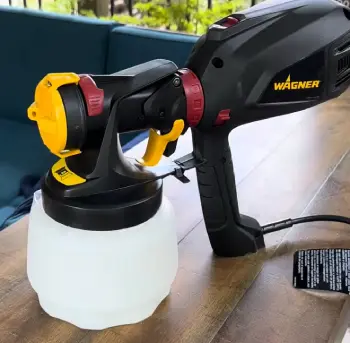
- Turbine speed options: The 2500 gives you a simple high and low switch. High works well for thicker coatings like unthinned latex.
Low suits thinner stains or sealers. The 3500 uses a dial that runs from 1 to 9. I found the extra settings let me match air volume exactly to each material.
- Nozzle selection: The 2500 ships with the iSpray nozzle only. That nozzle covers walls, ceilings, and fences quickly.
The 3500 includes the same iSpray plus the Detail Finish nozzle. The second nozzle produces a finer pattern for cabinets and trim.
- Versatility on different projects: With the 2500 I stay on broad flat surfaces.
Switching to the 3500 lets me move from a wall to cabinet doors without changing tools.
- Price and value positioning: The 2500 sits lower in the lineup. You pay less and still get solid performance.
The 3500 costs more but adds the variable turbine and extra nozzle.
- Learning curve and daily handling: Both feel similar in the hand. The side-mounted switch works the same on each.
The Lock-N-Go front end pops off for cleaning the same way. The 3500 simply gives more knobs to turn.
- Finish quality on detail work: The 2500 leaves a light roller-like texture on furniture.
The 3500 with its Detail Finish nozzle produces a smoother result with less sanding needed between coats.
- Air control precision: Two speeds on the 2500 force a compromise on some paints. The nine-speed dial on the 3500 removes most of that guesswork.
Key Features Of The Wagner FLEXiO 2500
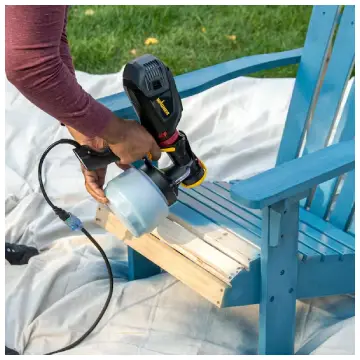
Two-speed X-Boost turbine: High and low settings keep the operation simple.
High pushes enough air for standard latex straight from the can.
Low reduces overspray on thinner materials.
- iSpray nozzle: The adjustable pattern lets you spray horizontal, vertical, or circular.
Coverage on an 8 by 10 wall comes in around five minutes once you get the hang of the distance.
- Compact lightweight body: Holding the unit for longer sessions feels manageable.
Arm fatigue stays low on jobs that last an hour or two.
- Side-mounted switch: I can keep one hand on the cup and still kill the power quickly if I need to reposition.
- Lock-N-Go system: The front end unlocks in seconds for cleaning or color changes.
I rinse the cup, nozzle, and needle without fighting stuck parts.
- Ability to spray unthinned material: Most latex paints, primers, solid stains, and sealers go through without thinning. That saves a step and keeps the film build consistent.
- Cup liners included: Many packages come with liners. They cut cleanup time further and keep the cup almost clean.
- Consistent pattern control: The iSpray nozzle holds its shape well once set. I rarely need to readjust mid-job on flat surfaces.
Pros Of The Wagner FLEXiO 2500
- Lower purchase price: You get a capable sprayer without stepping into the higher tier. For someone who mainly paints walls or doors, the savings matter.
- Simple controls: Two speeds and one nozzle mean less time dialing settings. Beginners pick it up fast.
- Lightweight and easy to maneuver: Arm fatigue stays low on jobs that last an hour or two. I can reach overhead without the unit feeling front-heavy.
- Fast coverage on larger flat areas: Once the pattern is set, the iSpray lays down paint quickly. An 8 by 10 wall finishes in roughly five minutes of spraying time.
- Straightforward cleanup: Lock-N-Go and the included liners keep the post-job rinse short. I can finish a project and have the tool clean before the paint dries hard.
- Reliable with unthinned interior latex: Most common household paints run through without extra water. That keeps the dry film thickness consistent.
- Low overspray on open areas: The high-volume low-pressure design keeps mist under control when I spray outdoors or in well-ventilated rooms.
- Quick setup time: Everything locks together intuitively. I spend less time assembling and more time painting.
Cons Of The Wagner FLEXiO 2500
- Limited speed options: Only high and low means you sometimes split the difference. A slightly thicker paint may produce more texture than you want on high.
- Single nozzle: Fine furniture work forces you either to accept a broader pattern or buy the Detail Finish nozzle separately. That extra cost narrows the original price advantage.
- Less precise control on vertical surfaces: Without the variable dial I occasionally get minor runs if I linger too long. Practice helps, but the 3500 forgives more mistakes.
- Flow rate can feel modest on very large jobs: For whole-house exterior or multiple rooms in one day the lower power end shows. It still beats a brush.
- Learning the correct distance still required: Holding the gun too close creates runs. Holding it too far creates dry spray. Technique remains important.
- Texture on fine woodwork: The iSpray leaves a light roller-like finish. Extra sanding may be needed for a glass-smooth look on furniture.
- No fine-tune dial: You cannot make small air adjustments mid-spray. The switch forces a full step change each time.
Key Features Of The Wagner FLEXiO 3500
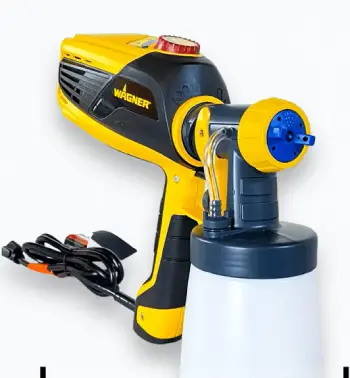
- Variable-speed X-Boost turbine: The dial gives finer control than the 2500’s two positions. I set lower numbers for stains and higher numbers for latex.
- Dual nozzles: The iSpray handles the same broad work as the 2500. The Detail Finish nozzle narrows the pattern for furniture, trim, and cabinet work.
- Same compact body: Weight and balance feel almost identical to the 2500. Moving between the two models requires almost no adjustment in grip.
- Side switch placement: The switch sits where I can reach it without shifting my grip much. Power cuts off cleanly every time.
- Lock-N-Go and cup system: Cleanup and color changes stay just as fast. The same 1.5-quart cup capacity means I refill at similar intervals.
- Unthinned material capability: Like the 2500, it handles most coatings without thinning. The variable air power makes it easier to stay in the sweet spot.
- Quick nozzle swap: Switching from iSpray to Detail Finish takes under a minute. The Lock-N-Go design keeps the process simple.
- Better vertical surface control: Higher air settings reduce runs on doors and walls. Lower settings keep stains even on spindles.
Pros Of The Wagner FLEXiO 3500
- Greater air-power range: The nine-speed dial lets me match the turbine to the exact material. Stains stay fine and even. Latex builds without excessive texture.
- Two nozzles in the box: I can switch from a wall to a set of cabinet doors without buying anything extra. The Detail Finish nozzle produces a smoother result on woodwork.
- Same easy handling as the 2500: Weight, balance, and the side switch feel familiar. Moving between the two models requires almost no adjustment.
- Better results on mixed projects: One afternoon I sprayed baseboards with the Detail Finish nozzle, then switched to iSpray for the walls. The finish quality stayed consistent.
- Still sprays most materials unthinned: The extra power control makes unthinned spraying more reliable. I can raise air volume instead of adding water.
- Quick cleanup remains unchanged: Lock-N-Go and the cup system work the same way. The added features do not create extra maintenance steps.
- Reduced orange-peel texture: The variable dial and Detail Finish nozzle cut down on the need for light sanding between coats on furniture.
- More forgiving for beginners on detail work: Lower air settings give new users more room to correct technique before runs form.
Cons Of TheWagner FLEXiO 3500
- Higher price: You pay more for the variable turbine and second nozzle. If your projects never leave walls and fences, the extra money may not return enough value.
- Slightly steeper learning curve: More settings mean more decisions. New users can spend a few minutes finding the right combination of air power and distance.
- Still a handheld unit with limited cup size: On multi-room jobs the 1.5-quart cup needs frequent refills. The turbine lives in the gun so the weight stays in your hand.
- Detail nozzle still needs technique: Even with the finer tip, holding the gun too close will create runs. The tool helps but does not replace practice.
- Noise and overspray still present: Like the 2500, the turbine is audible and some overspray occurs. Masking and ventilation remain necessary.
- Extra nozzle storage: The second nozzle needs a small bag or drawer space. It is one more piece to keep track of.
- Dial can feel sensitive at first: Small turns change the spray pattern noticeably. It takes a short practice session to find the sweet spot for each paint.
Real Life Experience With Both
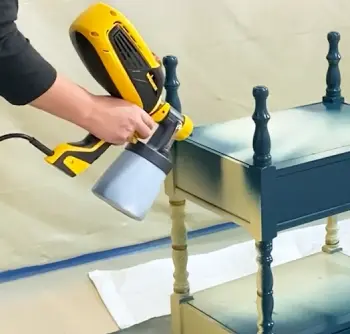
From an analytical standpoint the choice comes down to project mix more than raw power. Both units share the same core X-Boost technology and the same Lock-N-Go convenience.
The 2500 wins when budget and simplicity matter most and when the majority of work stays on broad surfaces.
The 3500 wins when you regularly move between walls and finer pieces or when you want the ability to fine-tune air volume without reaching for thinner.
I treated both sprayers the way a real homeowner would. I loaded them with the same brand of interior latex, the same exterior stain, and the same clear sealer.
I measured coverage time on identical wall sections, checked the texture under raking light, and timed the cleanup.
The coverage speed difference on large flats was small. The finish quality difference on detailed woodwork was obvious.
The 3500 produced fewer orange-peel marks and less need for light sanding between coats on furniture.
Maintenance is nearly identical. After each session I unlocked the front end, rinsed the cup and nozzle under warm water or mineral spirits for oil-based material, and wiped the needle.
The liners kept the cup itself almost clean. Storage is simple. Both units hang or sit upright without special cases, though the 3500’s extra nozzle needs a small bag or drawer space.
If your typical week includes one or two medium rooms, a fence, or a set of interior doors, the 2500 will feel like a smart, cost-effective upgrade from brushes and rollers.
If you also refinish furniture, paint cabinets, or do trim work that needs a smoother look, the 3500’s extra control and second nozzle justify the higher cost.
Neither sprayer replaces a full stationary turbine system for whole-house exterior jobs, yet both sit comfortably in the sweet spot for most DIY and light contractor work.
Technique still matters more than the model. Keep the gun perpendicular to the surface. Maintain a consistent 6 to 8 inch distance. Overlap each pass by about half. Start the spray off the surface and end off the surface. Those habits cut runs and dry spray on either unit. Thinning is rarely required for standard latex.
If the paint feels unusually thick I add a small amount of water and test on cardboard first. The 3500’s variable dial often lets me avoid thinning altogether by simply raising the air setting.
In short, I reach for the 2500 when the job is straightforward and budget is tight. I reach for the 3500 when the project list mixes large surfaces with finer pieces and I want one tool that can handle both without compromise.
Both have earned a permanent spot in my shop because they deliver faster results than traditional methods while staying simple enough for weekend use.
Also Read: Comparison Of Wagner Flexio 4300 And 5000
Frequently Asked Questions (FAQ)
Yes for most homeowners who mainly paint walls, doors, and fences. It offers solid speed and easy cleanup at a lower price.
Most latex paints, primers, and stains spray unthinned. Thicker coatings may need a light thin.
The 3500 if you need fine detail work and adjustable power. The 2500 if you want simplicity and lower cost for broad surfaces.
Yes. The variable turbine and dual nozzles make it versatile for mixed projects while still handling unthinned materials well.
Wrapping Up
You now have a clear picture of how these two sprayers stack up in daily use. Pick the one that matches the projects you actually do, and you will save time and get better results than brushing or rolling alone.
I hope this comparison helps you choose confidently and get the finish you want on your next job.
Recent Posts
I spent months comparing budget options against established names after my last set of tires wore out sooner than expected.My goal here is to share what I learned from putting Dextero and...
AquaTru Carafe Vs. Classic: Which Is Actually Fits Your Kitchen?
I decided to write this comparison after months of testing both the AquaTru Carafe and the Classic in my own kitchen. Tracking covered daily use.Taste stayed consistent. Refill frequency...