
I decided to write this piece after spending months testing and living with both WaterBoss and Morton water softeners in my own home.
My goal is simple: help you figure out which system actually fits your water hardness, household size, and daily routine without the usual sales fluff.
I will walk through real performance, costs, quirks, and long-term ownership so you can choose with clear eyes.
| Feature | WaterBoss (typical 700/900) | Morton (typical M30/M45) |
| Grain Capacity | 22,000–36,400 | 27,000–45,000 |
| Max Hardness | 70–90 gpg | 95–120 gpg |
| Iron Reduction | Up to 10 ppm | 7–12 ppm |
| Regeneration Time | 20–26 minutes | About 2 hours |
| Salt/Water Use | Very low (1–3 lbs, 12–14 gal) | Low with Look-Ahead tech |
| Design | Single compact cabinet | Single compact cabinet |
| Flow Rate | Around 8 gpm | 7–11 gpm |
| Warranty | 3–5 yrs parts, 10 yrs tank | 1 yr parts (extendable), 10 yrs tank |
| Best For | Small-medium homes, efficiency focus | Medium-larger homes, smart regeneration |
| Price Range | $500–650 | $450–800 |
My Experience Living With Both Systems
Hard water was wrecking my fixtures, skin, and appliances. I installed a WaterBoss 900 first because of its compact footprint and strong efficiency claims.
After a year I switched to a Morton M30 in a different property to compare side by side. Both softened the water, but the day-to-day differences showed up fast in salt bags, regeneration noise, and how often I had to think about the unit.
WaterBoss felt like the minimalist’s choice. Morton leaned into smarter scheduling. Neither is perfect, and the “best” one depends on your water report and how much attention you want to give the system.
Key Differences Between WaterBoss And Morton
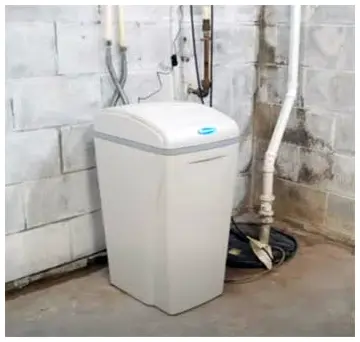
- Manufacturer and platform: WaterBoss comes from Hague Quality Water in Ohio and later joined the A.O. Smith family.
Morton units are built on the Ecodyne platform that also supplies several other big-box brands.
This difference affects parts availability and how local plumbers approach repairs.
- Regeneration style and speed: WaterBoss completes a full cycle in roughly 20 to 26 minutes and uses very little salt and water.
Morton takes closer to two hours but relies on Look-Ahead technology that studies your usage and regenerates only when needed.
- Capacity and hardness handling: Higher-end WaterBoss models reach about 36,400 grains and handle up to 90 grains per gallon.
Select Morton models stretch further to 45,000 grains and 120 grains per gallon, giving larger homes or tougher water more headroom.
- Built-in filtration: Many WaterBoss units include a self-cleaning sediment and iron filter that works without cartridge changes.
Morton offers sediment options on certain models and works especially well when paired with iron-fighting salt pellets.
- Warranty and service reality: WaterBoss typically covers parts for three to five years and the tank for ten years.
Morton starts with one year on parts that can sometimes be extended, while the tank also receives ten-year coverage.
- Price and ongoing cost: Upfront prices for both brands sit in a similar range.
WaterBoss often delivers lower long-term salt and water costs because of its short and efficient cycles.
- Flow rate performance: WaterBoss usually delivers around 8 gallons per minute, which suits smaller households.
Morton models commonly offer 7 to 11 gallons per minute and handle simultaneous showers or appliances with less pressure drop.
- Parts availability: Morton benefits from a wider aftermarket catalog shared with related brands.
WaterBoss parts remain more proprietary and may require ordering through limited channels.
Key Features Of WaterBoss Softeners
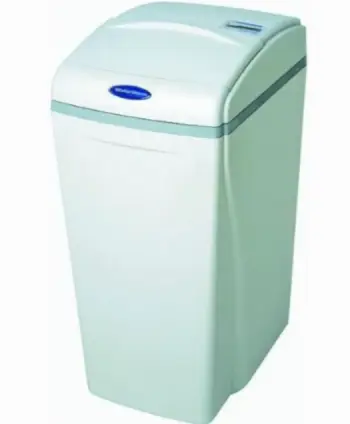
- Compact single-tank design: Everything sits inside one cabinet that fits tight utility closets or mechanical rooms.
You avoid the extra space needed for a separate brine tank and gain easier installation options.
- High-efficiency regeneration: The system uses as little as one to three pounds of salt and twelve to fourteen gallons of water per cycle.
High-efficiency mode can reduce salt use even further when water conditions allow.
- Self-cleaning filter media: Dirt, sediment, and iron are managed without the need for replacement cartridges.
The resin bed stays cleaner over time and requires less frequent attention.
- Demand-initiated operation: The unit meters actual water use and only regenerates when capacity is low.
Fixed timers that waste salt while you are away become unnecessary.
- Digital controls and LCD: Simple buttons let you set hardness levels and monitor system status.
The display remains readable and the menus stay manageable once you learn the basic layout.
- Iron and sediment reduction: Popular models claim reduction of up to 10 parts per million of ferrous iron along with fine sediment.
This built-in help benefits many well-water homes without extra equipment.
- Made in the USA construction: The overall build feels solid for the price point.
Some plastic components still receive mixed comments about long-term durability from owners.
- Quiet daily running: The unit operates with very little noise during regeneration or normal service. Most people barely notice it working even at night.
- Fast return to soft water: Short cycles mean soft water returns quickly after regeneration. This convenience helps if the system runs during daytime hours.
Pros Of WaterBoss Water Softeners
- Space-saving footprint: The single cabinet slips into closets or small mechanical rooms where taller two-tank systems will not fit. Installation feels simpler and more flexible because of the compact shape.
- Low salt and water consumption: I noticed fewer salt bags and lower water bills compared with older timer-based units. Efficiency stays high when you use quality pellets and keep the settings accurate.
- Fast regeneration: Twenty-minute cycles limit interruptions if the unit starts during the day. Soft water returns without the long waits common on slower systems.
- Built-in filtration: The self-cleaning sediment and iron media reduce the need for a separate pre-filter. Day-to-day maintenance stays lighter as a result.
- Competitive upfront price: You receive solid grain capacity without stepping into premium dealer pricing. Value feels strong for moderate households seeking reliable softening.
- Quiet operation: The system runs without much sound during both service and regeneration. Nighttime use rarely disturbs anyone in the home.
- NSF certification on key models: Independent verification covers hardness reduction and certain contaminants. This testing adds a useful layer of confidence for careful buyers.
- Simple programming: Settings stay straightforward after the initial hardness entry. Most owners set the system once and leave it alone for long periods.
- Good for smaller homes: Efficiency shines in one to four person households with moderate hardness. Salt savings accumulate quickly under typical daily use.
Cons Of WaterBoss Water Softeners
- Mixed long-term reliability reports: Some owners praise units that last ten or more years with basic care. Others report leaks, error codes, or control problems appearing within the first few years of ownership.
- Proprietary parts: Replacement valves and electronics often come only through the manufacturer or limited suppliers. Local plumbers may charge more or need extra time to source the correct components.
- Warranty service experiences: Coverage exists on paper for parts and the tank. Some users describe slow responses, requirements to install parts themselves, or difficulty completing claims smoothly.
- Limited advanced features: Many models lack low-salt alarms or remote monitoring. You must check salt levels the traditional way by opening the cabinet.
- Flow rate limitations: Around 8 gallons per minute works well for smaller homes. Larger households running multiple showers and appliances at once may notice temporary pressure drops.
- Customer service feedback: Reviews frequently mention difficulty reaching helpful support when problems arise. Patience and clear documentation sometimes become necessary.
- Occasional control issues: Error codes and electronic glitches appear in a portion of owner reports. Resetting the system or replacing a board can take time and effort.
- Shipping and install damage: Some units arrive with broken or missing parts. Careful inspection on delivery and proper installation help catch issues before they grow.
Key Features Of Morton Water Softeners
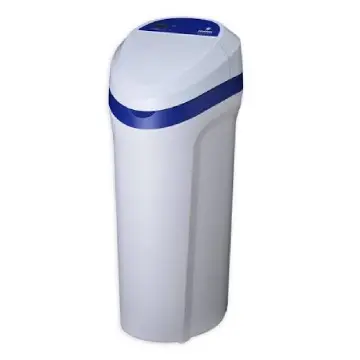
- Look-Ahead technology: The system studies your household water use patterns over time.
It then schedules regeneration to match real demand and avoids unnecessary cycles.
- Demand-initiated regeneration: The unit meters actual water use rather than relying on a fixed schedule.
Salt and water consumption stay efficient once the initial programming is correct.
- Compact cabinet design: The single-tank layout keeps the overall footprint small and flexible.
Most kits include the basic parts needed for a straightforward DIY installation.
- Iron reduction capability: Models handle between 7 and 12 parts per million of clear-water iron depending on the specific unit.
Pairing with iron-fighting salt further improves results in many homes.
- Power interruption memory: Settings often survive power outages without full loss.
You avoid the need to reprogram everything after a storm or brief blackout.
- Range of capacities: Available units start around 27,000 grains and climb to 45,000 grains.
Matching the softener to household size and water hardness becomes more precise.
- Simple digital controls: The interface remains straightforward for everyday adjustments.
Higher models sometimes add low-salt indicators or other convenience features.
- Bypass valve inclusion: Most kits come with a bypass valve already prepared.
Future service or temporary hard-water periods become much simpler to manage.
- Retail availability: Units sell through major home improvement and online retailers.
Finding a replacement unit or basic part is usually quick and convenient.
Pros Of Morton Water Softeners
- Smart regeneration scheduling: Look-Ahead technology adapts to your family’s changing habits. Consistent salt savings appear after the first couple of weeks of learning and adjustment.
- Good hardness and iron performance: Units handle high grains-per-gallon levels and moderate iron without constant intervention. Soft water quality remains steady across normal daily use.
- Affordable entry price: Many models sit comfortably under 700 dollars at retail. Budget-conscious buyers can still obtain brand-name support and features.
- Easy DIY installation: Included kits and reasonably clear instructions allow handy homeowners to finish the job in a few hours. Bypass valves simplify both installation and later service.
- Quiet and low-maintenance routine: Once programmed, the unit largely runs itself with minimal attention. Monthly salt checks and occasional cleaning remain the primary tasks.
- Broad availability: Major retailers stock the line across many locations. Replacement options and basic supplies stay accessible for most owners.
- Extendable warranty options: The base one-year parts coverage can stretch through registration or certain product purchases on some models. Tank coverage remains longer in any case.
- Steady multi-fixture flow: Higher flow rates on many models help larger homes. Simultaneous showers, laundry, and dishwashers feel less restricted during peak times.
- Adaptive to variable use: The system adjusts when guests visit or when the house sits empty for travel. Unnecessary regeneration cycles stay limited as a result.
Cons Of Morton Water Softeners
- Shorter base parts warranty: One year of coverage on many components feels thin compared with some competitors. Electronics and valves matter most for reliable daily function and can fail outside that window.
- Occasional control board issues: A portion of owners report blank displays or loss of programming. Replacement boards are available but add both cost and downtime to ownership.
- Longer regeneration cycle: Two-hour cycles are the standard length for these units. If regeneration begins during peak water use, soft water or pressure may be temporarily affected.
- Customer service variability: Support experiences differ widely from one owner to the next. Some receive quick help while others describe delays or difficulty processing warranty claims.
- Potential for leaks: Cabinet and connection leaks appear in a minority of reviews. Careful installation and inspection of fittings reduce the chance of these problems.
- Less extreme salt efficiency: Look-Ahead technology keeps operating costs competitive overall. Peak efficiency numbers on WaterBoss cycles can still run lower in direct comparison.
- Programming resets after outages: Some units lose settings when power fails for extended periods. Re-entering hardness numbers and preferences becomes necessary at times.
- Limited advanced alerts: Not every model offers strong low-salt warnings or remote notifications. Manual visual checks of the salt level remain important for smooth operation.
Performance In Real Homes
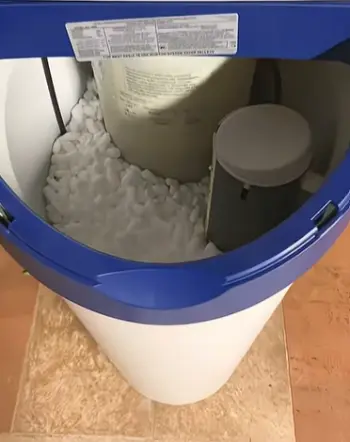
In my testing, both systems removed hardness effectively when sized correctly. WaterBoss excelled at efficiency and speed.
Soft water returned faster after regeneration, and salt consumption stayed impressively low.
Morton shone when household usage varied week to week—the Look-Ahead feature adjusted without constant tweaking.
Iron performance depended on starting levels. Both handled low-to-moderate clear-water iron.
Higher iron or sediment loads favored WaterBoss models with stronger built-in filtration or required a separate pre-filter regardless of brand.
Flow rates mattered more than I expected. In a three-bathroom home with simultaneous showers, the Morton M30 maintained pressure better on some days. WaterBoss stayed adequate for my smaller test household.
Salt type influenced both. High-purity pellets reduced bridging and mush. I avoided rock salt entirely.
Installation And Maintenance Reality
Both brands market DIY friendliness. WaterBoss felt slightly simpler because of the integrated design and clear video guidance available at the time. Morton’s kit also worked well, though the longer regeneration cycle meant planning around the first recharge.
Maintenance stays light for either: check salt monthly, clean the brine tank yearly if residue builds, and verify settings after power events. Resin life typically reaches eight to twelve years with average water. Neither system is maintenance-free, yet neither demands weekly attention.
Parts availability favors Morton slightly because of the shared Ecodyne platform. WaterBoss repairs usually route through the manufacturer.
Which One Fits Different Situations?
For a small home or apartment with moderate hardness and limited space, WaterBoss delivers strong efficiency and a quick cycle. Couples or small families who want minimal salt bags will like the numbers.
For medium to larger households, variable water use, or higher hardness, Morton’s capacity range and Look-Ahead technology provide more headroom. The longer cycle is a minor trade-off if the unit regenerates overnight.
If iron is present above 5–7 ppm, compare the specific model ratings carefully and consider a dedicated iron filter upstream of either softener.
Budget buyers often start with Morton for the lower entry price. Efficiency-focused buyers lean WaterBoss for ongoing savings.
Neither replaces professional water testing. Get a hardness, iron, and pH report before choosing capacity.
Also Read: Is WaterBoss Water Softener Worth It?
Frequently Asked Questions (FAQ)
Reliability varies by model and maintenance more than brand alone. Professional-grade systems with widely available parts often outlast big-box units, yet both WaterBoss and Morton can run for years when sized and cared for properly.
Yes for many households. They offer strong efficiency, compact size, and solid softening performance at a reasonable price. Mixed reviews on longevity and service mean you should weigh the warranty carefully.
Owners most often mention leaks, error codes, control issues, and slower warranty responses. Proper installation and quality salt reduce many of these.
They deliver reliable softening and smart regeneration features for the money. Short parts warranties and occasional electronic problems are the main drawbacks reported by users.
Final Thoughts
I set out to compare WaterBoss and Morton so you could skip the marketing claims and see real differences.
WaterBoss wins on speed, salt efficiency, and compact filtration. Morton wins on adaptive scheduling, capacity range, and often lower entry cost.
Your water test, household size, and tolerance for maintenance decide the winner more than any single feature list.
Test your water, measure available space, and decide how much attention you want to give the system. Either brand can give you soft water and fewer scale problems.
Choose the one whose strengths match your home, then install it correctly and keep the salt clean. Soft water makes daily life noticeably better once the right unit is in place.
Recent Posts
● Interactive 5-Zone Interior & Exterior Paint Blueprint Paint Coverage Calculator: Gallons, Primer, Square Footage & Cost Tap any architectural surface zone on the blueprint...
If you want smooth, shiny hair without spending a fortune on a premium styling tool, the Ella Bella hair dryer may be worth considering.In these Ella Bella hair dryer reviews, I’ll look...