
If you want an oil filter that feels like a meaningful upgrade over a basic filter without making your oil-change routine complicated, I think the FRAM Ultra Synthetic is worth considering.
I like its focus on synthetic-oil compatibility, strong filtration, and extended-service applications. That said, I would not automatically recommend it for every vehicle or every driver.
In this review, I’ll explain what stood out to me, where it falls short, how it compares with competing filters, and what you should consider before buying.
My First Experience With The FRAM Ultra Synthetic Oil Filter
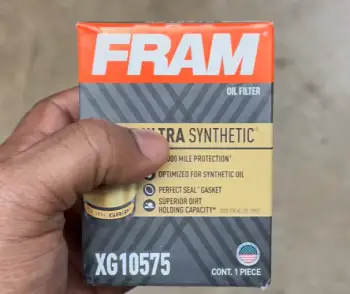
The first thing I noticed about the FRAM Ultra Synthetic was that it feels more substantial than many entry-level oil filters I’ve handled.
When I pick up an oil filter, I want to feel that I’m buying something designed for more than simply getting through one basic oil-change interval. The Ultra Synthetic gave me that impression.
I paired the filter with full-synthetic engine oil and paid attention to how the engine behaved after the oil change. I’m always cautious about claiming that an oil filter alone transforms an engine because there are too many variables involved.
Oil quality, engine condition, driving habits, mileage, temperature, and maintenance history all matter. Still, the filter fit securely, installation was straightforward, and I had no trouble getting the oil-change job completed.
What I particularly appreciate is the filter’s positioning for synthetic-oil users. If you already spend extra on quality synthetic oil, it makes sense to think about the filter as part of the same maintenance strategy. I don’t want a filter that feels like the weakest component in an otherwise carefully planned oil change.
The construction also gives me confidence during routine maintenance. The canister feels sturdy, and the overall design is intended to handle the pressure and operating conditions associated with modern engines.
I also like having a silicone anti-drainback valve on a filter designed for longer service use because it can help retain oil in the filter when the engine is shut down.
However, I wouldn’t treat the Ultra Synthetic as a magical solution for engine longevity. A premium filter cannot compensate for neglected oil changes, incorrect oil viscosity, low oil levels, or an engine that already has mechanical problems.
My experience with it is best summarized this way: it feels like a premium maintenance component rather than a basic disposable filter. If your vehicle is compatible and you maintain it properly, I can understand why someone would choose it for regular oil changes.
Pros Of FRAM Ultra Synthetic Oil Filter
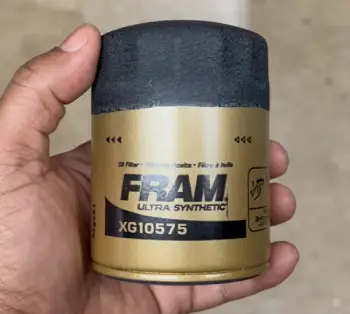
- Strong Filtration Performance
Filtration is the main reason you’re buying an oil filter, and this is one area where the Ultra Synthetic makes a convincing case.
I want my engine oil to stay as clean as reasonably possible throughout its service interval. The filter is designed to capture contaminants while maintaining appropriate oil flow, which is exactly the balance I want from a premium filter.
If you drive in dusty environments, spend a lot of time in traffic, or simply want to give your engine a well-maintained lubrication system, filtration quality becomes even more important.
Of course, no oil filter removes every contaminant from engine oil. That’s not realistic. But a well-designed filter can reduce the amount of unwanted material circulating through the engine.
- Designed With Synthetic Oil in Mind
This is probably the biggest reason I would consider the Ultra Synthetic over a basic economy filter.
If you’re already using full-synthetic motor oil, pairing it with a filter designed for synthetic-oil service makes practical sense. You are building the oil-change system around similar service expectations rather than mixing a premium lubricant with a very basic filter.
I particularly like this approach for drivers who follow manufacturer-approved extended oil-change intervals. However, you should always follow your vehicle’s maintenance schedule rather than assuming the filter automatically makes longer intervals appropriate.
- Durable Construction
A filter spends its entire working life exposed to hot engine oil and changing pressure conditions. That’s not an easy environment.
The Ultra Synthetic’s sturdy construction gives me confidence during installation and operation. When I tighten an oil filter, I want it to feel solid without feeling cheaply made.
The metal canister provides physical protection for the internal filtering components, while the sealing components are designed to prevent oil leakage when properly installed.
- Silicone Anti-Drainback Valve
The anti-drainback valve is one of those features you may not think about until you understand why it matters.
When the engine shuts down, oil can potentially drain away from the filter depending on the filter’s design and the position of the filter on the engine. An anti-drainback valve helps retain oil within the filter.
For me, that’s especially appealing if the vehicle sits overnight or for several hours between drives. Maintaining oil within the filter can support faster oil availability during startup.
I wouldn’t claim that this feature eliminates startup wear. Engine lubrication involves many factors. Still, it’s a useful feature to have in a premium filter.
- Suitable for Many Driving Conditions
I like products that don’t require me to completely change my habits to get value from them.
Whether I’m commuting, taking longer highway trips, or dealing with stop-and-go traffic, I want the filter to perform consistently. The Ultra Synthetic is designed around the demands of modern engine lubrication systems and synthetic oil use.
That makes it a versatile option for many everyday drivers.
- Convenient for Routine Maintenance
Another advantage is simply the convenience factor.
When I’m doing an oil change, I don’t want the filter to become the difficult part of the job. A correctly matched Ultra Synthetic filter is straightforward to install, and the familiar spin-on format used by many applications makes the process simple.
That matters because good maintenance is easier to maintain when the components are convenient to use.
- A Premium Alternative Without Getting Excessively Complicated
One thing I appreciate about the Ultra Synthetic is that it doesn’t require special equipment or unusual maintenance procedures.
You install it correctly, add the appropriate oil, check for leaks, and follow your vehicle’s maintenance schedule.
For me, that’s exactly what a good maintenance product should do.
Cons Of FRAM Ultra Synthetic Oil Filter
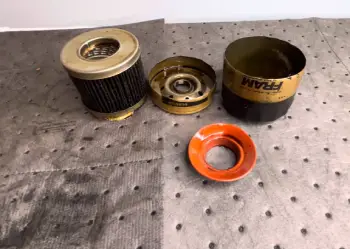
- Higher Cost Than Basic Filters
The most obvious drawback is price.
The Ultra Synthetic generally sits above basic economy filters, and that can matter if you’re changing your oil frequently or maintaining several vehicles.
If you’re extremely budget-conscious, you may question whether the additional features justify the extra cost.
- Not Every Vehicle Needs a Premium Filter
I wouldn’t tell every driver that they need the Ultra Synthetic.
If your vehicle uses a specific filter size and specification, compatibility comes first. You should never select a filter simply because it has a premium label.
Your engine manufacturer’s requirements matter more than the marketing category of the filter.
- Availability Can Vary
Depending on the specific filter number and where you shop, availability can be inconsistent.
I’ve learned that it’s better to check the exact application before planning an oil change rather than assuming the filter will be sitting on the shelf.
- Extended-Life Claims Require Common Sense
A filter designed for longer service doesn’t mean you should automatically stretch oil-change intervals indefinitely.
I would always follow the vehicle manufacturer’s maintenance schedule and consider driving conditions. Short trips, severe temperatures, towing, heavy traffic, and other demanding conditions can affect maintenance needs.
The filter is one part of the system, not permission to ignore routine maintenance.
Maintenance Tips FRAM Ultra Synthetic Oil Filter
- Choose the Exact Filter for Your Vehicle
This is the first thing I would do before buying.
Check your vehicle’s year, engine, trim, and required filter specification. Two filters can look nearly identical while having different specifications.
I never rely only on appearance.
- Inspect the Old Filter During Removal
When I’m changing oil, I pay attention to what comes out.
If the old filter is unusually damaged, crushed, leaking, or covered in unexpected debris, I don’t simply install a new filter and forget about it. Unusual filter conditions can sometimes indicate a maintenance or mechanical issue worth investigating.
- Lubricate the New Gasket
Before installation, apply a thin layer of clean engine oil to the filter gasket.
This helps the gasket seat properly and makes removal easier at the next oil change. I avoid installing a dry gasket because it can increase the chance of poor sealing or make later removal unnecessarily difficult.
- Don’t Overtighten
This is one of the easiest mistakes to make.
I tighten the filter according to the manufacturer’s instructions rather than treating it like a part that needs maximum force. Over-tightening can damage the gasket, housing, or filter and make the next oil change frustrating.
- Check for Leaks After Installation
After installing the filter and filling the engine with the correct amount of oil, I run the engine and inspect the filter area.
A few minutes of checking can save you from discovering an oil leak after you’ve already driven away.
I also check the oil level again after the engine has been shut off for the appropriate amount of time.
- Replace the Filter at the Appropriate Interval
Even a premium filter is still a maintenance item.
I don’t assume that because the Ultra Synthetic is designed for extended service, I can ignore the vehicle manufacturer’s maintenance schedule.
The correct interval depends on the vehicle, oil, driving conditions, and manufacturer’s recommendations.
- Keep the Filter Area Clean
Before installing the replacement, I wipe around the filter mounting area.
Keeping dirt away from the gasket and mounting surface helps create a cleaner seal and reduces the chance of debris interfering with installation.
- Store Spare Filters Properly
If you buy filters in advance, keep them somewhere dry and clean.
I wouldn’t leave spare filters exposed to excessive moisture, dirt, or extreme environmental conditions. A filter is inexpensive compared with an engine, so storing maintenance parts properly is an easy precaution.
- Don’t Ignore Oil Quality
A premium filter works best as part of a complete maintenance routine.
I pay attention to the oil specification, viscosity, fill level, and change interval. Using a good filter while using the wrong oil or ignoring oil-level checks defeats the purpose of careful maintenance.
Comparison Of FRAM Ultra Synthetic Oil Filter With Other Brands
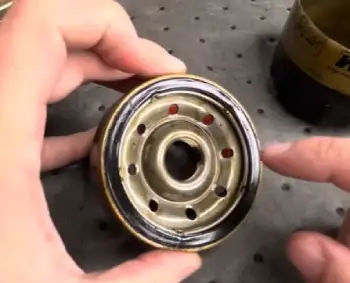
- FRAM Ultra Synthetic vs Mobil 1 Oil Filters
When I compare the Ultra Synthetic with Mobil 1 filters, I see two products aimed at drivers who want something beyond the most basic oil-filter option.
Both are associated with premium oil-change maintenance, and both are commonly considered by people who use synthetic motor oil.
The practical differences can come down to construction, filtration design, availability, price, and the exact filter application.
I wouldn’t choose solely based on the brand printed on the can. I’d check the specifications for my particular vehicle and compare the actual filter model.
For one application, one option may be easier to obtain or better suited to the manufacturer’s requirements. For another, the opposite may be true.
- FRAM Ultra Synthetic vs WIX Oil Filters
WIX has a long presence in the filtration market, so it’s natural for shoppers to compare its filters with the Ultra Synthetic.
When I look at these products, I focus on filtration media, construction, gasket quality, anti-drainback design, pressure-relief characteristics, and application compatibility.
Both brands offer filters designed for different service requirements, meaning the specific model matters more than making a broad statement about an entire brand.
If you’re choosing between them, I would compare the exact part numbers for your engine instead of assuming that every filter from either company performs identically.
- FRAM Ultra Synthetic vs Other Premium Filters
There are several premium oil filters available today, and most reputable options are designed around the same fundamental goals: filtering contaminants, maintaining oil flow, resisting operating pressure, and providing reliable sealing.
What separates them is often the combination of filter media, construction, valve design, service positioning, price, and availability.
That’s why I don’t think there is one universal filter that makes sense for every driver.
Your engine specifications and maintenance schedule should guide the decision first. Features and price come next.
Is FRAM Ultra Synthetic Worth It?
For me, the answer depends on what I expect from an oil filter.
If I simply wanted the cheapest compatible filter available, I wouldn’t necessarily choose a premium model.
But if I’m already spending money on synthetic oil, maintaining my vehicle carefully, and looking for a filter with robust construction and features aimed at extended service, the Ultra Synthetic becomes more interesting.
I also like that it fits into a normal oil-change routine. I don’t need special equipment, complicated installation, or unusual maintenance practices.
The key is to buy the correct filter for your specific engine and use it according to the appropriate maintenance schedule.
Also Read: Is WIX Oil Filter Worth It?
Frequently Asked Questions (FAQ)
Both are premium-oriented options. The exact filter model, vehicle compatibility, construction, filtration design, price, and availability should guide your choice.
Some drivers prefer competing brands because of price, availability, personal experience, or specific filter specifications. FRAM also offers several filter lines with different designs.
Both brands offer multiple filter types, so the exact model matters. Compare the specifications and intended application rather than judging the entire brand from one product.
Availability can vary by retailer, filter number, region, and inventory levels. A shortage of one model does not necessarily mean the entire FRAM range is unavailable.
Final Verdict
After looking at the FRAM Ultra Synthetic from a practical maintenance perspective, I see it as a solid premium-style option for drivers who want strong filtration, durable construction, and features suited to synthetic-oil service.
I would buy it when the exact filter specification matches my vehicle and the price makes sense.
If you value straightforward maintenance and want a step above an entry-level filter, this is one worth considering for your next oil change.
Recent Posts
I spent months comparing budget options against established names after my last set of tires wore out sooner than expected.My goal here is to share what I learned from putting Dextero and...
AquaTru Carafe Vs. Classic: Which Is Actually Fits Your Kitchen?
I decided to write this comparison after months of testing both the AquaTru Carafe and the Classic in my own kitchen. Tracking covered daily use.Taste stayed consistent. Refill frequency...