
I have spent years testing essential oils in my own home for diffusing, cleaning sprays, and topical blends, and the choice between Young Living and Plant Therapy kept coming up.
My main intent with this article is to give you a clear practical breakdown of how these two brands compare on quality, pricing, safety, transparency, and everyday use so you can decide which fits your needs.
| Feature | Young Living | Plant Therapy |
| Business Model | Multi-level marketing (MLM) | Direct-to-consumer retail |
| Quality Standard | Seed to Seal® (proprietary) | Third-party GC/MS testing |
| Testing Transparency | Internal reports, limited public access | Public batch-specific GC/MS reports |
| Price Range | Premium | Budget to mid-range |
| Safety Lines | Limited specialized guidance | KidSafe® and PetSafe® lines |
| Organic Options | Not formally certified organic | USDA Certified Organic available |
| Sourcing | Company-owned and partner farms | Global ethical sourcing |
| Internal Use Stance | Vitality line encourages it | Generally does not recommend |
| Return Policy | Typically 30 days | 90 days |
| Community Aspect | Strong distributor network | Direct company support |
Key Differences Between Young Living And Plant Therapy
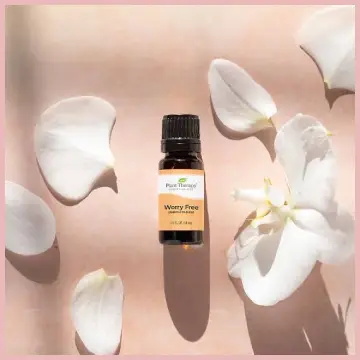
- Business structure and how you buy: Young Living runs as a multi-level marketing company so you often buy through a distributor or join as a member for wholesale pricing, which means part of what you pay supports commissions.
Plant Therapy sells straight to you with no recruitment or downline, keeping the process simple and direct.
- Quality verification process: Young Living uses its Seed to Seal® program that covers growing through sealing under company control, including its own farms.
Plant Therapy sends every batch to independent labs for GC/MS testing and posts the full reports online by batch code so you can check the exact bottle yourself.
- Pricing structure and value: Young Living oils sit at a premium level and cost several times more per milliliter on common oils like lavender.
Plant Therapy keeps prices lower because there is no distributor markup layered on top, making regular use more affordable.
- Safety focus and specialized lines: Plant Therapy created KidSafe® and PetSafe® collections with clear guidelines for children and animals.
Young Living offers general education through its network but does not provide the same publicly labeled specialized product lines.
- Sourcing approach: Young Living emphasizes control through company-owned farms and partner growers.
Plant Therapy sources from vetted global suppliers and offers certified organic choices on many oils.
- Stance on internal use: Young Living’s Vitality line is labeled for dietary use.
Plant Therapy generally advises against ingesting oils and focuses on aromatic and topical applications with dilution guidance.
Key Features Of Young Living

- Seed to Seal® program: This covers the full chain from planting to bottle under company oversight, including farms Young Living owns, which many users see as strong control over quality.
- Wide product ecosystem: Beyond oils and blends you can get supplements, household cleaners, personal care, and diffusers all under one brand for a complete lifestyle approach.
- Distributor-supported education: Members often receive recipes, usage tips, and ongoing guidance from their network, creating a sense of personal support.
- Distinctive scent profiles and potency: Many oils deliver strong lasting aroma so fewer drops are often needed in a diffuser compared with some other brands.
- Loyalty and reward structure: Membership unlocks wholesale pricing, points, and exclusive events that appeal to frequent buyers who stay engaged.
Pros Of Young Living
- Vertical integration and farm ownership: Owning farms gives tighter control over growing and harvest, which reassures users who want plants cultivated specifically for oils.
- Established reputation and product breadth: Decades in the market bring a large catalog so you can source oils, cleaners, and supplements from one place.
- Community and personal guidance: The distributor network supplies recipes and encouragement that works well if you prefer learning through conversation.
- Consistent aroma intensity: Side-by-side tests often show strong scent throw and longevity on core oils and signature blends.
- Membership perks for frequent buyers: Wholesale rates and rewards can offset cost if you purchase regularly and stay active in the system.
Cons Of Young Living
- Higher price point driven by the business model: A large share of the cost supports multi-level commissions, so cost per milliliter runs much higher than non-MLM options with similar purity.
- Limited public access to detailed test reports: Seed to Seal® is proprietary and detailed chromatograms are not posted for every batch the way some brands share them.
- Potential pressure around membership and recruiting: Some customers feel encouraged to join or build a team even when they only wanted products, and auto-ship experiences vary.
- Regulatory history on health claims: The company settled a class-action case over unsupported therapeutic claims and has faced earlier warnings, so many buyers read marketing carefully.
- Smaller bottle sizes relative to cost in starter offerings: Kits often use 5 ml bottles at premium prices that feel limiting for frequent use.
Key Features Of Plant Therapy
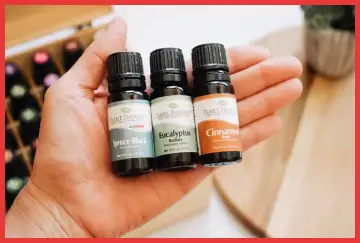
- Public batch-specific GC/MS reports: Every bottle has a code you can look up to see the independent lab results showing constituents and purity checks for that exact lot.
- KidSafe® and PetSafe® collections: These lines follow safety guidelines for children and animals and were developed with certified aromatherapists for clearer starting points.
- Affordable pricing without membership barriers: Most singles stay in a budget-friendly range and you pay regular retail with no need to join or buy large kits first.
- USDA Certified Organic options: A solid selection carries the organic seal while all oils still go through the same purity testing.
- Strong educational resources and return policy: Product pages list botanical details and cautions, and the 90-day return window lowers risk if an oil does not suit you.
Pros Of Plant Therapy
- Radical testing transparency: Looking up the batch code and seeing the full GC/MS report removes guesswork and lets you confirm the chemical profile yourself.
- Clear safety focus for families and pets: KidSafe® and PetSafe® lines plus dilution charts make it easier to use oils around children and animals with less second-guessing.
- Accessible pricing that supports regular use: Lower cost per milliliter means you can keep more oils on hand and replace them freely without watching the budget as closely.
- No membership or recruitment layer: Ordering stays simple with direct company support and no pressure to join or recruit.
- Organic certification and ethical sourcing notes: Certified organic options and vetted suppliers align well with buyers who prefer verified natural products.
Cons Of Plant Therapy
- Less built-in community or personal mentorship: Without a distributor network you rely more on the website and external resources for ideas and troubleshooting.
- Scent intensity can vary by batch and oil: Some oils feel milder in the diffuser compared with the same variety from Young Living, though this stays subjective.
- Primarily online availability: The full range is harder to find in physical stores so you plan ahead for shipping rather than same-day pickup.
- Conservative stance on internal use: The brand steers away from dietary applications, which may feel limiting if you prefer a company that actively promotes that use.
Smaller presence in the broader wellness product space: The focus stays tighter on oils and related body-care items rather than a full suite of supplements and lifestyle products.
Quality And Testing In Practice

When I first started comparing bottles side by side, the biggest practical difference was verification.
With Plant Therapy I scanned the batch code, opened the report, and saw the list of constituents along with the lab’s confirmation that the oil matched expected profiles and showed no common adulterants.
Young Living’s Seed to Seal® process includes testing, yet the detailed chromatograms are not published the same way for every lot.
Both approaches aim for purity, but one puts the data in your hands while the other asks you to trust the internal system.
I also paid attention to organoleptic qualities—how the oil looks, feels, and smells over time on a test strip.
Good oils from both brands held their character without turning thin or synthetic. The real distinction showed up in how much information I could independently confirm.
Pricing And Everyday Value
Cost per use matters when oils become part of a daily routine. Diffusing lavender every evening or making a room spray with lemon and tea tree adds up.
Plant Therapy’s lower entry price let me keep multiple bottles on hand and replace them without hesitation.
Young Living’s higher cost made me more selective about which oils earned permanent spots in my collection.
Membership can reduce the gap, yet the initial outlay and ongoing commitment remain higher.
Starter kits illustrate the contrast clearly. A Plant Therapy set with a solid selection of singles and blends often costs less than a comparable Young Living kit while delivering larger bottle sizes in many cases.
Over a year of regular use, the cumulative difference becomes noticeable.
Safety Considerations For Real Households
Safety is where Plant Therapy’s specialized lines gave me extra confidence.
Having clearly marked KidSafe® options and dilution guidance reduced the mental load when oils were used near children. PetSafe® notes helped me avoid common mistakes with cats and dogs.
Young Living provides educational materials through its network, and many distributors share careful practices, yet the publicly labeled specialized collections are more limited.
Both brands stress that essential oils are concentrated and require proper dilution for topical use.
I always patch-test new oils and keep them out of reach of curious hands and paws. The difference is how much pre-vetted guidance arrives with the product itself.
Product Range And Versatility
Young Living wins on sheer breadth if you want oils plus cleaners, supplements, and personal care under one brand.
The Thieves line for household cleaning and NingXia Red for daily wellness create a cohesive system for people who prefer fewer suppliers.
Plant Therapy stays more focused on aromatherapy essentials, carrier oils, body-care bases, and a growing selection of related items. For pure oil use and DIY projects, the selection is more than enough.
For a full lifestyle suite, Young Living offers more categories.
Blends from both companies cover similar needs—respiratory support, muscle comfort, calming, and immune-oriented synergies.
I found the aroma profiles different enough that preference becomes personal rather than objective.
Plant Therapy’s involvement of experienced aromatherapists in blend creation shows in the balanced, safety-conscious formulations.
Customer Experience And Support
Ordering from Plant Therapy feels like shopping any well-run online retailer: clear product pages, batch reports linked, straightforward returns.
Customer service responds directly. Young Living’s experience often includes a personal distributor relationship.
That can be a plus for education and encouragement or a drawback if the relationship becomes sales-focused.
Reviews of both brands reflect satisfied users and the occasional frustration with shipping or communication, which is normal for any company at scale.
My Analytical Take After Side-By-Side Use
After rotating both brands through the same diffusers, roller bottles, and cleaning sprays, I conclude that purity is achievable through different paths.
Young Living’s farm-to-bottle control and long market presence deliver consistent, high-quality oils for people who value that model and the surrounding community.
Plant Therapy’s public testing, lower prices, and safety-focused lines deliver the same practical results for people who prioritize transparency and affordability.
Neither brand is perfect. Young Living’s pricing and business structure create barriers for casual or budget-conscious users.
Plant Therapy’s more limited community and product breadth may leave some seeking extra resources. The better choice depends on whether you want an all-in lifestyle brand with membership benefits or a transparent, no-strings retailer that puts lab data in your hands.
If your priority is verifying every bottle yourself, keeping costs manageable, and having clear guidelines for kids or pets, Plant Therapy aligns closely with those needs.
If you want the security of company-owned farms, a large product ecosystem, and a built-in support network, Young Living remains a strong contender despite the higher cost.
Also Read: Is Kuri Nuka Batana Oil Worth It?
Frequently Asked Questions (FAQ)
Young Living settled a class-action lawsuit for $5 million related to marketing claims that certain oils provided therapeutic benefits and were “therapeutic grade” without sufficient scientific support. Earlier cases and regulatory notices also addressed similar issues around health claims.
Trust varies by criteria. Brands that publish third-party batch testing, such as Plant Therapy, Edens Garden, and Rocky Mountain Oils, rank highly among users who value verifiable data. MLM brands like Young Living and doTERRA have large loyal followings based on their proprietary standards and community.
Plant Therapy states its essential oils are 100% pure and natural. Every batch undergoes third-party GC/MS testing, and the reports are publicly available by batch code so customers can verify the chemical profile and absence of common adulterants.
Avoid brands that provide no testing information, use vague marketing terms without supporting data, sell oils at prices too low to support genuine plant material and proper distillation, or make strong medical claims without evidence. Always check for batch testing and clear botanical labeling.
Wrapping Up
I set out to understand which of these two popular brands better serves real daily use, and the answer is not universal.
Young Living offers vertical control and a full lifestyle system that works well if you embrace the membership model and higher investment.
Plant Therapy gives you transparent lab results, family-oriented safety lines, and prices that encourage consistent use without pressure.
You now have the side-by-side details on business model, testing, cost, safety, and practical performance.
Weigh what matters most in your household—verifiable purity reports, budget, specialized safety guidance, or community support—and choose the path that matches.
Both can deliver quality oils when used carefully; the difference lies in how each brand gets those oils into your hands and how much information and flexibility you receive along the way.
Recent Posts
● Interactive 5-Zone Interior & Exterior Paint Blueprint Paint Coverage Calculator: Gallons, Primer, Square Footage & Cost Tap any architectural surface zone on the blueprint...
If you want smooth, shiny hair without spending a fortune on a premium styling tool, the Ella Bella hair dryer may be worth considering.In these Ella Bella hair dryer reviews, I’ll look...