
I have spent years dealing with basement water issues in a high-water-table area, and the choice between the Zoeller M53 and M57 kept coming up every time I replaced or upgraded a sump pump.
My goal here is to give you a clear, practical breakdown of how these two popular 1/3 HP models stack up so you can pick the right one for your pit, debris level, and budget without second-guessing later.
| Feature | Zoeller M53 | Zoeller M57 |
| Horsepower | 1/3 HP (3/10 HP) | 1/3 HP (3/10 HP) |
| Base Material | Engineered thermoplastic | Cast iron |
| Impeller Material | Glass-filled plastic with metal insert | Cast iron |
| Housing | Cast iron (motor & switch case) | Full cast iron |
| Weight | Approximately 23 lbs | Approximately 29 lbs |
| Max Flow | 43 GPM / 2,580 GPH | 43 GPM / 2,580 GPH |
| Flow at 10 ft Head | 34 GPM / 2,040 GPH | 34 GPM / 2,040 GPH |
| Max Head | 19.25 ft | 19.25 ft |
| Switch Type | Vertical mechanical float | Vertical mechanical float |
| Solids Handling | 1/2 inch spherical | 1/2 inch spherical |
| Cord Length | 9 ft standard | 9 ft standard |
| Warranty | 3 years | 3 years |
| Typical Price Range | Lower | Higher by $20–$50 |
Key Differences Between The Zoeller M53 AND M57
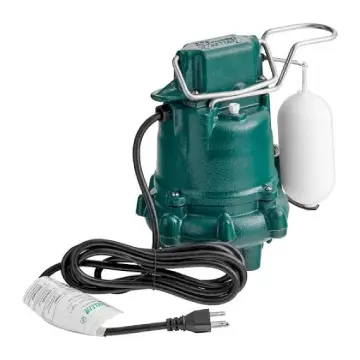
- Base construction material: The M53 uses an engineered thermoplastic base that never rusts and keeps the overall weight lower.
The M57 switches to a solid cast iron base that adds mass and improves heat movement away from the motor during longer run times.
- Impeller material: The M53 relies on a glass-filled plastic impeller with a metal insert that works well in cleaner water.
The M57 upgrades to a full cast-iron impeller that resists wear from sand, grit, and small debris much better over many seasons.
- Overall weight and pit stability: The M53 comes in around 23 pounds and feels easier to handle during install or removal.
The M57 reaches about 29 pounds, which helps it stay firmly planted in the basin even when moving large volumes of water.
- Price and value equation: The M53 almost always costs less by twenty to fifty dollars depending on the seller.
The M57 carries a modest premium that pays off mainly when the pit sees frequent use or abrasive water conditions.
- Long-term wear characteristics: Both pumps share the same oil-filled motor and thermal protection design.
The M57 simply holds up longer in dirty water because the cast-iron wet end resists abrasion that can slowly affect the plastic parts on the M53.
- Heat management difference: The thermoplastic base on the M53 works fine for normal short storm cycles.
The full cast-iron construction on the M57 pulls heat away more effectively during extended pumping periods in high-water-table homes.
- Suitability for debris levels: The M53 performs reliably when the sump water stays relatively clean.
The M57 becomes the smarter choice if your pit regularly collects sand, silt, or small gravel that can wear softer materials.
Key Features Of The Zoeller M53
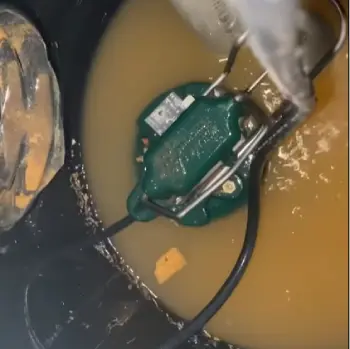
- Oil-filled 1/3 HP motor with thermal overload protection: The motor runs cool and quiet under normal residential loads.
Built-in thermal protection automatically shuts the unit down if temperatures climb too high and resets once conditions improve.
- Vertical mechanical float switch with solid polypropylene float: The solid float cannot become waterlogged even after years of use.
It activates the pump near 7¼ inches of water and turns it off near the 3-inch mark for consistent cycle control.
- Non-clogging vortex impeller: The vortex design passes solids up to half an inch without needing a screen.
This reduces the chance of lint, small stones, or silt causing blockages during operation.
- Cast-iron motor housing and switch case with powder-coated finish: The upper cast-iron sections resist corrosion and help dissipate heat.
Stainless-steel hardware keeps fasteners from rusting in the damp pit environment.
- 1-½-inch NPT discharge and 9-foot power cord: The discharge size matches standard residential plumbing in most homes.
The 9-foot cord reaches typical outlets without needing an extension in standard installations.
- Lightweight thermoplastic base: The base never develops rust and keeps the total weight manageable.
This makes the pump easier to carry down stairs and position inside the basin.
Factory-tested design: Every unit is pressure-tested and checked before shipping.
This helps reduce the risk of early failures once the pump is installed in your home.
Pros Of The Zoeller M53
- Lower purchase price: You save a noticeable amount of money at the time of purchase. Those savings can go toward a quality check valve or a high-water alarm for better overall protection.
- Lighter weight for easier handling: Carrying the pump down basement stairs feels simpler and safer. Removing it later for cleaning or inspection also takes less physical effort.
- Completely corrosion-proof base: The thermoplastic base never develops rust no matter how long it sits in water. This keeps the bottom of the pit cleaner and the pump looking better over the years.
- Proven track record in typical residential service: Many homeowners report ten to fifteen years of reliable operation with normal storm-related cycling. It has become the best-selling residential Zoeller for good reason.
- Same pumping performance as the more expensive model: Flow rates, head capacity, and solids handling match the M57 completely. You give up nothing in water removal ability by choosing the lower-cost option.
- Simple and widely available replacement parts: Float switches and other common wear items are easy to find and inexpensive. Swapping a worn switch usually takes only a short time and keeps the rest of the pump in service.
- Good value for cleaner water conditions: The M53 delivers excellent results when the sump water stays relatively free of heavy grit. Most standard residential basements fall into this category.
Cons Of The Zoeller M53
- Plastic impeller can wear in abrasive water: Sand, grit, and fine gravel slowly erode the impeller surface over years of frequent use. This can eventually reduce efficiency if the water carries a lot of abrasive material.
- Lighter weight allows more movement in the pit: Strong flow can cause the pump to shift slightly inside the basin. Rigid discharge pipes may experience extra stress if the unit moves repeatedly.
- Thermoplastic base dissipates heat less effectively: During very long continuous runs the motor may run a few degrees warmer. Normal short storm cycles rarely create any heat-related problems.
- Perceived as the budget option: Some buyers assume the higher-priced model must be better in every situation. This is not true when the application does not demand extra abrasion resistance.
- Less ideal for very dirty pits: Heavy silt or gravel shortens the useful life of the plastic impeller. Cleaner water conditions allow the M53 to deliver its full expected service life.
Key Features Of The Zoeller M57
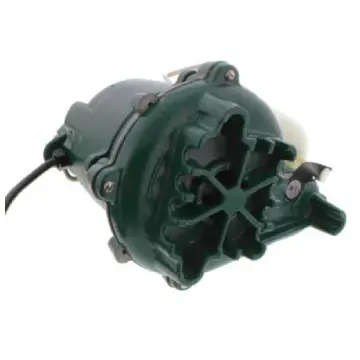
- Full cast-iron construction including base and impeller: Every major part that contacts the water is made of cast iron.
This creates a more durable wet end that stands up better to abrasive particles over long periods.
- Identical oil-filled 1/3 HP motor and thermal protection: The motor and thermal switch match the M53 exactly in design and capacity.
You get the same reliable heat management and overload protection in both models.
- Same vertical mechanical float switch and solid float: The float and switch operate at the same water levels as the M53.
The solid polypropylene float stays buoyant and will not fill with water over time.
- Non-clogging cast-iron vortex impeller: The impeller passes half-inch solids cleanly while the cast-iron material resists erosion from sand and grit.
This helps maintain pumping efficiency longer in dirtier pits.
- Powder-coated finish and stainless-steel hardware: The protective coating slows the formation of surface rust on the iron parts.
Stainless-steel screws and the float guard stay free of corrosion in wet conditions.
- Higher shipping and installed weight: The added mass from the cast-iron base and impeller makes the pump feel more stable once it is in place.
The extra weight does require a bit more effort during installation or removal.
- Strong heat dissipation: Cast iron moves heat away from the motor more effectively than thermoplastic.
This becomes useful when the pump runs for longer stretches during wet seasons.
Pros Of The Zoeller M57
- Superior abrasion resistance: The cast-iron impeller and base handle sand and grit with far less wear. This keeps pumping efficiency higher for longer in pits that collect debris.
- Greater stability in the basin: The extra weight reduces shifting and vibration during high-volume cycles. The pump stays centered and puts less stress on the discharge connection.
- Better heat dissipation during extended operation: Cast iron pulls heat away from the motor more effectively than plastic. This helps in homes where the pump runs for long periods during wet seasons.
- Premium build that feels more substantial: Many users prefer the solid all-metal construction for peace of mind. The heavier feel gives a sense of long-term durability right from installation.
- Longer expected service life in harsh conditions: Frequent use or abrasive water extends the advantage of the M57. It often outlasts the M53 by several years in demanding environments.
- Strong resistance to debris damage: Small pebbles and grit cause less harm to the cast-iron wet end. The vortex design still passes solids cleanly without clogging.
- Consistent performance over many seasons: Efficiency holds up longer when water quality is poor. This reduces the need for early impeller-related service or replacement.
Cons Of The Zoeller M57
- Higher purchase price: The extra cost is noticeable at the time of buying. It may not deliver clear value in homes where the pump only runs a few times each year.
- Heavier and slightly more awkward to install: Lifting nearly thirty pounds into a deep pit takes more effort. One-person installations feel more demanding compared with the lighter M53.
- Possible surface rust on the base over many years: Constant moisture can create cosmetic rust even with the protective coating. The rust does not affect function but can look less tidy.
- Overkill for light-duty applications: Homes with rare pump cycles gain little real benefit from the heavier construction. The M53 covers those lighter needs at a lower cost.
- Slightly harder to handle during cleaning: The added weight becomes noticeable when you remove the unit for inspection or maintenance. Planning for extra help can make the job easier.
Performance And Real-World Capacity
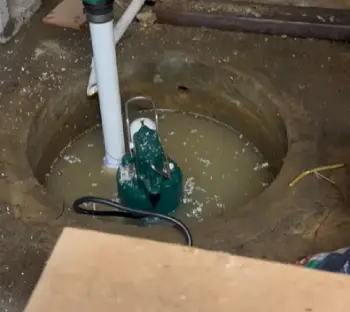
Both pumps move the same amount of water. At zero head they deliver about 43 gallons per minute.
At a realistic 10-foot total dynamic head the number drops to roughly 34 GPM or 2,040 GPH. Maximum lift sits at 19.25 feet.
In a typical residential basement these numbers handle ordinary rainfall and moderate groundwater without issue.
Neither model is a high-capacity storm pump. If your home floods rapidly during heavy rain you may need a larger ½ HP unit or a dual-pump setup.
I have watched both models clear the same size pit in virtually identical times. The difference shows up only after years of service or in pits that collect a lot of silt.
The cast-iron impeller on the M57 maintains its efficiency longer when abrasive particles are present.
Durability And Expected Lifespan
Zoeller rates both pumps for continuous duty within their thermal limits. Real-world reports from homeowners and installers put average service life between 10 and 15 years for the M53 under normal residential cycling.
The M57 often stretches that range further when the water carries grit. The mechanical float switch is the most common wear item on either model.
After several hundred thousand cycles the switch contacts can fail. Replacement is straightforward and inexpensive. Many owners simply swap the switch and keep the rest of the pump running for additional years.
The oil-filled motor design is a major reason these units last. Heat is the enemy of electric motors. The oil bath plus cast-iron housing keeps temperatures in check.
Thermal overload protection shuts the motor down before damage occurs if something blocks the impeller or the discharge line freezes.
Installation Considerations
Both pumps fit standard 18-inch-diameter sump basins and use a 1½-inch discharge. The vertical float needs a clear path up and down.
Keep the pump centered and free of excess pipe or wiring that could tangle the float. A quality check valve is essential to prevent backflow and short cycling.
I always drill a small weep hole just above the pump discharge to break any air lock that can form after the pump sits idle.
The lighter M53 is easier for a one-person job. The M57’s extra weight makes it feel more planted once it is in place.
Either way, level the pump and secure the discharge pipe so vibration cannot work the fittings loose over time.
Which Pump Fits Your Situation?
Choose the M53 if your sump runs mainly during seasonal storms, the water is relatively clean, and you want solid performance at the lowest cost.
It remains the best-selling residential Zoeller for good reason. Choose the M57 if your pit collects sand or grit, the pump runs frequently throughout the year, or you simply prefer the heavier all-cast-iron construction and are willing to pay a modest premium for it.
In my own experience the M53 has handled multiple homes with no drama.
When I installed an M57 in a basement that sat near a sandy creek, the difference in long-term impeller wear became obvious after five years. Context decides the winner more than absolute superiority.
Maintenance Tips That Extend Service Life
Keep the pit free of large debris. Test the float every few months by pouring water into the basin. Listen for unusual noise that might signal a worn bearing or partially blocked impeller.
Replace the float switch at the first sign of sticking or delayed activation rather than waiting for complete failure.
A simple high-water alarm gives early warning if the primary pump ever struggles.
Both models accept standard piggyback switches if you ever want to convert to an external float for more precise control or easier replacement.
Also Read: Comparison Of Zoeller M53 And M63
Frequently Asked Questions (FAQ)
The M53 has a thermoplastic base and plastic impeller. The M57 uses cast iron for both. Performance numbers are identical.
Float switch wear after many years is common. Occasional movement in the pit under heavy flow can also occur.
The M53 suits most homes. The M57 is better when abrasion resistance and extra weight matter.
Typical service life ranges from 10 to 15 years with normal residential use and occasional switch replacement.
Wrapping Up
I started this comparison because I needed a clear answer for my own basement and for friends who asked the same question.
After looking at the materials, real-world wear patterns, and price difference, I believe most homeowners will be completely satisfied with the M53. You get the same reliable pumping power, the same easy installation, and a proven track record at a lower cost.
If your sump sees dirty water or runs hard for months at a time, the M57’s cast-iron wet end gives you extra insurance that is worth the modest extra investment.
Either way you are choosing a pump built by a company that has focused on this exact job for decades. Measure your pit, think about how often the pump actually runs, and pick the model that matches those conditions.
Your basement will stay dry, and you will not have to second-guess the decision the next time heavy rain arrives.
Recent Posts
● Interactive 5-Zone Interior & Exterior Paint Blueprint Paint Coverage Calculator: Gallons, Primer, Square Footage & Cost Tap any architectural surface zone on the blueprint...
If you want smooth, shiny hair without spending a fortune on a premium styling tool, the Ella Bella hair dryer may be worth considering.In these Ella Bella hair dryer reviews, I’ll look...