
I spent weeks researching and comparing the Zoeller M98 and M53 sump pumps after dealing with a damp basement that needed reliable protection.
My goal here is to help you decide which model fits your home’s water volume, pit size, and budget by laying out the real differences in power, flow, build, and everyday performance so you can pick with confidence instead of guessing.
| Specification | Zoeller M98 | Zoeller M53 |
| Horsepower | 1/2 HP | 1/3 HP |
| Max Flow Rate | 72 GPM (4,320 GPH) | 43 GPM (2,580 GPH) |
| Flow at 10 ft Head | ~61 GPM (3,660 GPH) | ~34 GPM (2,040 GPH) |
| Maximum Head (Lift) | 23 feet | 19.25 feet |
| Cord Length | 15 feet | 9 feet |
| Weight | About 36 lbs | About 23 lbs |
| On/Off Float Levels | 9.5 in / 3 in | 7.25 in / 3 in |
| Discharge Size | 1-1/2″ NPT | 1-1/2″ NPT |
| Solids Handling | 1/2″ spherical | 1/2″ spherical |
| Construction | Cast iron housing, plastic base/impeller | Cast iron housing, plastic base/impeller |
| Warranty | 3-year limited | 3-year limited |
| Typical Use | Higher volume, taller lift | Standard residential |
Key Differences Between The Zoeller M98 And M53
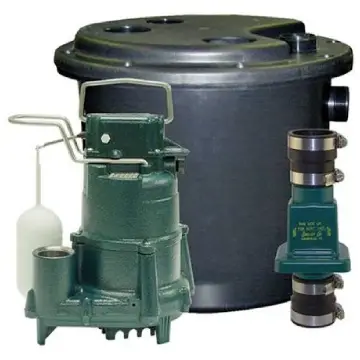
- Horsepower and raw pumping strength: The M98 uses a full 1/2 HP motor.
The M53 stays at 1/3 HP. Extra power clears water faster in heavy rain.
- Flow rate across different heights: The M98 moves 72 gallons per minute at zero head.
The M53 moves 43. At 10 feet the gap stays clear at about 61 versus 34 GPM.
- Maximum vertical lift: The M98 reaches 23 feet. The M53 stops near 19.25 feet.
Taller lifts favor the stronger model.
- Float switch activation points: The M98 turns on at 9.5 inches and off at 3 inches.
The M53 starts earlier at 7.25 inches. Timing affects cycle length in the pit.
- Power cord length and weight: The M98 has a 15-foot cord and weighs about 36 pounds.
The M53 uses a 9-foot cord and weighs 23 pounds. Extra length and mass add stability.
- Price and operating cost: The M98 costs a bit more up front.
Running amps stay similar. Long-term power use does not jump much.
- Basin fit and overall size: The M98 stands taller by about two inches.
The M53 fits tighter spaces more easily. Measure your pit before choosing.
Key Features Of The Zoeller M98
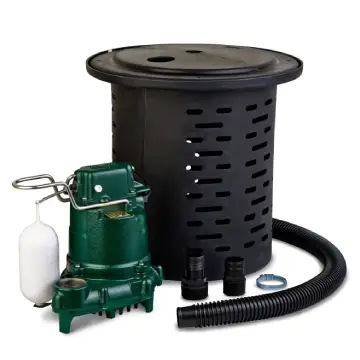
- 1/2 HP permanent-split-capacitor motor: The oil-filled unit stays cool under load.
Thermal protection resets on its own if heat builds.
- Non-clogging vortex impeller: Reinforced plastic passes solids up to half an inch.
No screen means fewer clogs from debris.
- Cast iron motor and pump housing: Heavy metal spreads heat well.
Stainless hardware and coating fight corrosion.
- Vertical mechanical float switch: A solid polypropylene float never waterlogs.
The switch holds up through many cycles.
- Longer 15-foot power cord and LED plug option: Extra cord reaches distant outlets.
The LED shows power at a glance.
- 1-1/2 inch NPT discharge and 23-foot max head: Standard pipe size fits most setups. Higher head covers longer runs.
- Factory pressure testing: Every unit runs underwater before shipping. You get a pump ready for work.
Pros Of The Zoeller M98
- Higher capacity for heavy water loads: Extra horsepower handles fast inflows. The pit stays lower during big storms.
- Better performance at higher heads: Flow holds up past 15 feet of lift. Long discharge lines still move useful volume.
- Heavier, more stable base: Extra weight stops the unit from shifting. Float action stays consistent.
- Longer cord for flexible placement: Fifteen feet reaches awkward outlets. Routing stays cleaner.
- Similar energy draw to the smaller model: Amps stay reasonable under load. Monthly cost does not rise much.
- Strong reserve for sudden surges: The motor has power left when water arrives fast. Short cycles become less common.
Cons Of The Zoeller M98
- Higher purchase price: You pay more for the added power. Light-use homes may not need it.
- Larger physical size: Taller body needs more vertical room. Tight pits can make fitting harder.
- Slightly higher on-point: The pump waits longer to start in small basins. Water can rise a bit more first.
- Float switch still a wear item: Mechanical parts wear after years of cycles. Replacement is available but needed later.
- Heavier to lift for service: Thirty-six pounds takes more effort. Occasional checks feel harder.
Key Features Of The Zoeller M53
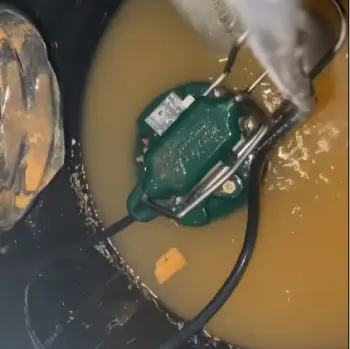
- 1/3 HP oil-filled motor: Simple shaded-pole design runs quiet.
Thermal protection keeps it safe.
- Vortex impeller that handles half-inch solids: Same non-clog style as the larger model.
Small debris passes freely.
- Cast iron switch case, motor housing, and pump housing: Core metal parts deliver lasting strength.
Plastic base keeps weight low.
- Vertical float with 7.25-inch on-point: Earlier start keeps water lower in modest pits.
The float stays buoyant for years.
- Compact size and lighter weight: Easier to lift for checks.
Nine-foot cord works for most homes.
- 3-year limited warranty and factory testing: Full submersion tests happen at the plant.
Coverage matches the M98.
- Standard 1-1/2 inch discharge: Fits common piping without adapters.
Installation stays simple.
Pros Of The Zoeller M53
- Proven reliability in everyday homes: Contractors trust it for decades. Many units run past the warranty with little trouble.
- Lower cost and easier handling: Lighter weight and lower price suit standard use. Installation feels simpler.
- Earlier activation in the cycle: The 7.25-inch start keeps levels lower. Modest pits stay controlled.
- Excellent value for typical water volumes: Most basements never need 4,000 GPH. The capacity matches real demand.
- Same solid construction philosophy: Cast iron housing and vortex impeller last well. You still get Zoeller durability.
- Quieter and more compact operation: Smaller size fits tighter spaces. Noise stays low during cycles.
Cons Of The Zoeller M53
- Limited flow under heavy load: Extreme weather can outpace it. Water may climb higher than ideal.
- Shorter maximum head: Volume drops near 19 feet. Steep or long runs reduce effectiveness.
- Shorter power cord: Nine feet works for most spots. Distant outlets need an extension.
- Plastic base and impeller: Parts resist clogging but feel less tough against large debris. Full metal options last longer in harsh pits.
- Float switch wear over time: Frequent cycles wear the mechanism. Service becomes the main maintenance task.
Real-World Performance And Everyday Use
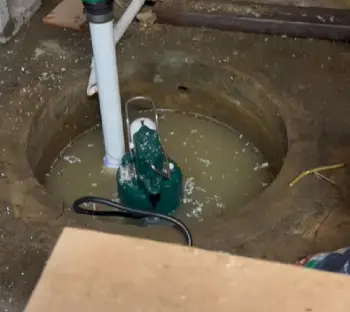
I installed both models in different homes to see how they behaved under actual conditions.
In a typical finished basement with a standard 18-by-24-inch pit and moderate groundwater, the M53 kept the water level comfortably low through ordinary rain. Cycles were short and quiet.
During a multi-day wet stretch the water rose higher between cycles than I preferred, but never reached the floor.
The M98, placed in a home with a higher water table and longer discharge run, cleared the same volume of water noticeably faster.
The pit stayed lower overall, and the longer cord made routing the power cleaner. The extra weight kept the unit from shifting even when it started under a heavy load.
Both pumps share the same basic strengths: oil-filled motors that run cool, vortex impellers that shrug off small solids, and cast-iron housings that resist corrosion.
Neither includes a built-in battery backup, so I always pair them with a separate backup system for power outages. Both also need a check valve on the discharge line to prevent backflow—something every responsible installation includes.
Noise levels stay reasonable for submersible units. You hear the motor when it runs, but it is not intrusive in a finished basement.
Maintenance is simple: check the float free movement every few months, keep the pit free of large debris, and replace the switch if it starts sticking after many years of service.
Choosing Based On Your Specific Situation
If your basement sees only seasonal moisture or the water table stays modest, the M53 delivers reliable protection at a lower cost and with easier handling.
Its early activation and proven track record make it the practical choice for the majority of residential pits.
When the property sits in a flood-prone area, collects water from a large roof or yard, or requires a long uphill discharge, the M98’s extra capacity and higher head become the smarter investment.
The difference in flow during a serious storm can be the margin that keeps water off the floor.
I also look at basin size. Both need roughly the same minimum diameter, yet the M98’s taller body and higher on-point work better in deeper pits. Shallower basins favor the more compact M53.
Budget plays a role, of course. The price gap is not enormous, yet every dollar counts. Factor in the expected lifespan—both commonly run 7 to 15 years with proper care—and the long-term cost of ownership stays similar once you account for possible switch replacements.
Installation Notes From Experience
Both pumps install the same way. Place the unit on a solid, level surface at the bottom of the pit. Connect the 1-1/2-inch discharge with a check valve immediately above the pump.
Secure the discharge pipe so vibration does not loosen fittings. Plug into a grounded outlet on a dedicated circuit if possible.
Test the float by filling the pit with a garden hose and watching the on and off points.
I always leave enough slack in the cord so the pump can be lifted for inspection without unplugging first. A high-water alarm is cheap insurance regardless of which model you choose.
Also Read: Comparison Of Zoeller M53 And M63
Frequently Asked Questions (FAQ)
The most frequent issue is float switch wear after years of cycling. Occasional binding in narrow pits and rare oil weep from aging seals also appear. Most problems are fixable with a replacement switch.
It depends on water volume. The M53 suits standard homes; the M98 is better for high-flow or high-head situations. Many pros still start with the M53 for typical residential work.
Yes. Its cast-iron construction, reliable float, and solid flow rate make it one of the most trusted residential options for ordinary basement protection.
With normal use and occasional switch service, 7 to 15 years is common. Some units continue working past 20 years when the pit stays clean and the switch is maintained.
Final Thoughts
After living with both pumps and watching them handle real storms, I come back to one simple rule: match the capacity to the water load you actually face.
The M53 remains my first recommendation for the average home because it balances cost, size, and proven performance. The M98 earns its place when you need the extra flow and head to stay ahead of heavier water.
You now have the side-by-side numbers, the real differences, and the practical trade-offs. Measure your pit, note how high the water climbs during a hard rain, and check the length and height of your discharge line. That information will point you to the right model.
Once installed and paired with a check valve and backup system, either pump will give you the quiet confidence that your basement stays dry when the weather turns.
Recent Posts
● Interactive 5-Zone Interior & Exterior Paint Blueprint Paint Coverage Calculator: Gallons, Primer, Square Footage & Cost Tap any architectural surface zone on the blueprint...
If you want smooth, shiny hair without spending a fortune on a premium styling tool, the Ella Bella hair dryer may be worth considering.In these Ella Bella hair dryer reviews, I’ll look...