
I decided to put these two Zojirushi rice cookers side by side after years of cooking rice almost daily and noticing how small differences in technology change the final bowl.
My goal here is to give you a clear, practical breakdown of Zojirushi induction versus Neuro Fuzzy models so you can pick the one that matches how you actually cook and what texture you want most nights.
| Feature | Neuro Fuzzy (e.g. NS-ZCC10) | Induction Heating (e.g. NP-HCC10) |
| Heating method | Conventional bottom heating + Neuro Fuzzy logic | Electromagnetic induction heating entire pot + Micom logic |
| Typical capacity | 5.5 or 10 cups uncooked | 5.5 or 10 cups uncooked |
| Price range | Generally lower ($180–250) | Higher ($300–450+) |
| Heat distribution | Good, helped by spherical pan | Excellent, more uniform from all sides |
| Temperature response | Adaptive but slower | Faster and more precise |
| Standout settings | White (regular/sushi/softer/harder), mixed, porridge, sweet, semi-brown, brown, quick | White (regular/softer/harder), jasmine, mixed, sushi, porridge, sweet, brown, GABA brown, quick |
| Keep-warm options | Automatic + extended | Automatic + extended |
| Noise level | Very quiet | May include cooling fan sound |
| Best for | Everyday white and sushi rice, value seekers | Brown rice lovers, maximum consistency and texture control |
Key Differences Between Zojirushi Induction And Neuro Fuzzy
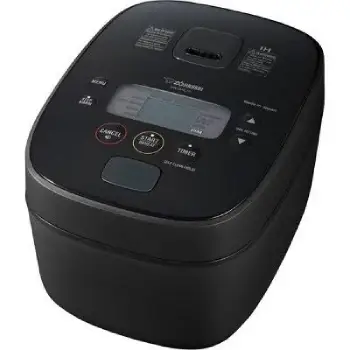
- Heating technology: The Neuro Fuzzy relies on a traditional heating element under the pot and uses its advanced fuzzy-logic chip to adjust time and temperature on the fly based on sensors that monitor the cooking environment.
The induction model turns the entire inner pot into the heat source through electromagnetic coils wrapped around the unit, creating a fundamentally different heating pattern that spreads warmth more evenly from the start of the cycle.
- Precision and consistency: Both systems adjust cooking parameters automatically, but induction gives tighter control over the full cycle of soaking, boiling, and steaming phases.
I notice fewer soft or firm spots in large batches with the induction unit because the heat reaches every grain more uniformly, which becomes especially clear when cooking denser brown rice or when filling the pot closer to capacity.
- Cooking speed and energy use: Actual cycle times remain similar because both include deliberate soaking and resting phases designed for proper starch gelatinization.
Induction responds faster when it needs to change temperature mid-cycle, which can shave a few minutes off certain stages and improve energy efficiency in repeated daily use according to my own observations over many months of testing.
- Sound and feel in the kitchen: Neuro Fuzzy runs almost silently with only the soft click of relays and the final melody, making it easy to forget it is even running.
Induction models often use a small cooling fan that produces a low continuous hum during and after cooking, which some people find noticeable in an otherwise quiet kitchen while others barely register it.
- Price and long-term value: You pay a clear premium for induction technology and the more advanced heating hardware that comes with it.
Whether that premium is worth it depends on how often you cook rice each week and how sensitive you are to small texture differences that show up most clearly with brown rice or large family-sized batches.
Key Features Of The Neuro Fuzzy Models

- Advanced Neuro Fuzzy logic: The specialized chip continuously monitors conditions inside the pot and makes micro-adjustments to both time and temperature throughout the cycle.
It is surprisingly forgiving if you add a little too much or too little water, which has saved more than one rushed weeknight meal in my kitchen when measurements were not exact.
- Spherical nonstick inner pan: The carefully rounded shape promotes better heat circulation than a flat-bottom pot, helping grains cook more evenly even without induction heating.
Combined with the nonstick coating, this design reduces the chance of scorched bottom layers and makes cleanup noticeably easier after every use.
- Texture customization for white rice: You can choose regular or sushi settings along with softer or harder options to match your preference for the day.
This flexibility is useful when you want slightly stickier rice for one meal and firmer, more separate grains for another without changing the water ratio yourself.
- Solid menu of rice types: White, mixed, porridge, sweet, semi-brown, brown, and quick-cook settings cover most home needs with reliable results.
The semi-brown option is especially handy if you like partially polished grains that offer a middle ground between white and fully brown rice.
- Keep-warm and extended keep-warm: Rice stays at a safe, pleasant temperature for many hours without drying out or forming a hard crust on the bottom.
I regularly leave cooked rice in the cooker for later servings and find the texture still pleasant hours later, which fits unpredictable family schedules well.
- Practical everyday touches: The retractable cord, clear LCD panel with clock and timer, measuring cups including one for rinse-free rice, spatula, and cheerful melody when cooking starts and finishes all add to daily convenience.
These small details make the cooker feel thoughtfully designed for regular home use rather than occasional novelty.
Pros Of The Neuro Fuzzy
- Excellent everyday performance at a lower price: For the majority of white rice and sushi rice I cook, the results are reliably fluffy and well-textured with good moisture balance. The savings compared with induction models are noticeable and make it easier to justify the purchase if rice is a frequent but not obsessive part of your meals.
- Quiet operation: No cooling fan means the cooker disappears into the background of a busy kitchen. I appreciate this quality when the unit is running while people are talking or watching television nearby, since there is almost no mechanical sound beyond the soft melody at the end.
- Forgiving of small measuring errors: The logic system compensates better than basic on-off cookers when water amounts are slightly off. This reduces the chance of a ruined batch on rushed weeknights and gives new users more confidence while they learn the measuring process.
- Proven durability and reputation: Many long-term owners report years of consistent results with proper care of the nonstick pan. The overall build feels solid, the exterior stays looking clean, and the internal components hold up well under regular daily or near-daily use.
- Easy learning curve: The interface is straightforward with clearly labeled buttons and an intuitive LCD display. Most people master the main settings in one or two uses and rarely need to consult the manual again after the first week.
Cons Of The Neuro Fuzzy
- Less even heat than induction: In larger batches or with brown rice, the bottom can cook a bit more aggressively than the top even with the spherical pan helping circulation. The difference is not dramatic for white rice, yet it becomes more noticeable when you compare side-by-side results with an induction model.
- Longer overall cycle times for some grains: Brown rice especially can take well over an hour from start to finish because of the extended soaking and steaming phases. The quality remains good, yet the wait feels longer than some newer models that prioritize faster cycles without sacrificing as much texture.
- Fewer specialized healthy options: GABA brown rice and certain germinated settings are usually missing or less refined compared with higher-end induction units. If you specifically seek those nutritional benefits, the Neuro Fuzzy may leave you wanting more specialized programming.
- Capacity and footprint trade-offs: The 5.5-cup version suits smaller households well, but the 10-cup model takes more counter space and can feel bulky in compact kitchens. Neither size feels especially space-efficient when storage is limited.
Key Features Of The Induction Models
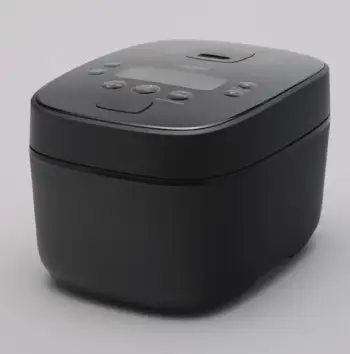
- Full induction heating: Magnetic coils heat the pot itself from multiple directions rather than relying on a single bottom element.
Heat reaches the rice more uniformly from the beginning of the cycle, which shows up as more consistent grain-to-grain texture across the entire batch.
- Precise temperature control throughout the cycle: The cooker can hold exact temperatures for the soaking phase, drive a strong rolling boil for proper starch gelatinization, and then manage the steaming stage without overshooting.
This level of control matters most with brown rice and GABA settings where temperature accuracy directly affects final chew and flavor.
- Expanded menu options: Many induction models add jasmine rice, GABA brown, and finer white-rice texture choices beyond the basic softer or harder settings.
Some also include mixed and porridge programs that benefit from the more even heat distribution and respond with better overall results.
- Strong keep-warm performance: Automatic and extended modes keep rice ready for hours while the even heating reduces the chance of a dried or browned bottom layer.
I have left rice in these units overnight and found it still pleasant the next morning with minimal texture loss.
- Robust inner cooking pan: Pans are typically heavier and designed specifically to work with induction fields, often featuring multi-layer construction for better heat retention.
The nonstick coatings perform well under regular use and make cleanup simple when you avoid metal utensils.
- Timer and display features: Clear LCD panels, delay timers, and countdown indicators appear on most current models, giving better visibility into remaining time.
Some units still play a familiar melody similar to the Neuro Fuzzy, which many owners find charming after years of use.
Pros Of The Induction Models
- Superior evenness and texture control: Rice comes out more uniform from top to bottom of the pot, with fewer variations in firmness. Short-grain white rice feels plumper and more separate when I want that result, and the overall mouthfeel is more consistent across different batch sizes.
- Better results with tougher grains: GABA brown and regular brown rice reach a more appealing chew and fuller flavor because the precise heat management opens the grains more completely without leaving hard centers. This improvement is one of the clearest reasons people upgrade from Neuro Fuzzy units.
- Faster temperature response: When the cooker needs to change phases, induction reacts almost immediately rather than waiting for heat to transfer through a traditional element. This contributes to more reliable outcomes across different rice types, water temperatures, and ambient kitchen conditions.
- Premium build and long-term satisfaction: Owners who cook rice several times a week often say the upgrade feels justified after a few months of daily use. The heavier construction and refined heating system create a sense of quality that lasts through years of regular service.
- Versatility beyond basic white rice: The extra settings and heat precision encourage trying mixed rice dishes, porridges, and specialty grains without as much trial and error. Once you experience the more controlled results, it becomes natural to expand the range of grains you prepare at home.
Cons Of The Induction Models
- Higher purchase price: The jump from a Neuro Fuzzy model is significant and represents a real investment for most households. Casual rice eaters who only prepare a few cups a couple of times a week may never fully use or appreciate the extra performance enough to justify the cost difference.
- Possible fan noise: The cooling fan adds a low background sound that some people notice more than others during longer cooking cycles. It is not loud enough to disrupt conversation, but it is present and can feel less peaceful than the nearly silent Neuro Fuzzy operation.
- Slightly more complex feel: More settings and the advanced induction system can feel like overkill if you mainly cook the same white rice every day with little variation. The extra options are valuable only when you actually use them regularly.
- Weight and counter presence: Many induction units feel heavier and occupy more visual space on the counter. Storage can be less convenient in small kitchens where every inch matters and the unit needs to be moved frequently.
- Diminishing returns for some users: In blind taste tests of ordinary white rice, the gap between a well-used Neuro Fuzzy and an induction model is often smaller than the price difference suggests. The advantages become clearer with brown rice and larger or more frequent batches rather than occasional simple white rice.
Real-World Cooking Experience
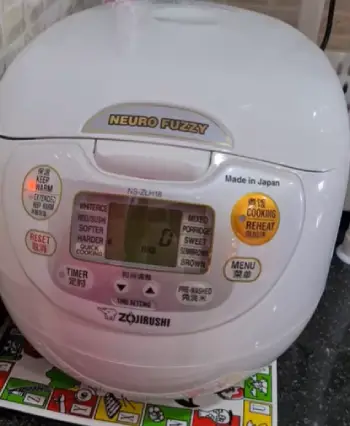
I have run both styles through white short-grain, jasmine, brown, and mixed rice batches of different sizes over extended periods.
With the Neuro Fuzzy the process feels simple and reliable every time. Measure the rice, rinse it, add water to the marked line, choose the setting, and walk away knowing the logic system will handle the rest.
The finished rice is consistently good—soft enough for chopsticks yet not mushy—and the keep-warm function works well for several hours, which fits family schedules where dinner time often shifts.
Switching to an induction model, the first thing I notice is how the grains feel more even from the top of the pot to the bottom.
There is less variation in texture, and brown rice especially improves with better chew and more open grains. When GABA mode is available the result carries a slightly sweeter and more aromatic quality that I reach for when I want something healthier.
The trade-off is the higher cost and the faint fan sound that runs during and after cooking. For someone who prepares rice four or five times a week and pays attention to texture nuances, the upgrade makes clear sense.
For occasional use or mostly white rice, the Neuro Fuzzy already delivers results that beat most stovetop attempts by a wide margin.
Cleaning remains similar on both types. The nonstick pans release rice easily when you use the right spatula and avoid metal utensils.
Removable inner lids help with thorough washing, and both units last for years when treated with ordinary care—hand-wash the pan, wipe the exterior, and skip abrasive cleaners.
The spherical pan design on the Neuro Fuzzy and the heavier induction pans both contribute to easier daily maintenance.
Who Should Choose Which?
If your household eats rice most days, values quiet operation, and wants excellent results without spending at the top of the range, the Neuro Fuzzy is the practical winner.
It has earned its reputation as a kitchen workhorse for good reason and continues to satisfy the majority of home cooks who simply want reliable, tasty rice without complication.
If you frequently cook brown rice, care about the absolute highest consistency across every grain, or simply want the most advanced heating technology Zojirushi currently offers in a non-pressure model, induction is the better match.
The extra cost buys measurable improvements in evenness and control that become more apparent the more often you use the cooker.
Capacity also matters in daily life. Match the uncooked cup rating to your typical batch size so the sensors can work accurately.
Running a large cooker with tiny amounts of rice can reduce precision, while a too-small cooker forces multiple batches and extra time. Consider how much counter space you can spare and whether quiet operation ranks high on your list of priorities.
Also Read: Comparison Of Zojirushi Micom And Neuro Fuzzy
Frequently Asked Questions (FAQ)
Induction heats the entire pot electromagnetically for more even and responsive temperature control. Neuro Fuzzy uses conventional bottom heating plus advanced fuzzy logic that adjusts time and temperature. Induction usually costs more and can produce slightly more uniform results, especially with brown rice.
It depends on your needs. The Neuro Fuzzy NS-ZCC series is widely regarded as the best everyday choice for most homes. Induction models such as the NP-HCC series suit people who want maximum precision and cook a wider range of grains regularly.
Many consider Zojirushi’s higher-end pressure induction heating models the top of the line. They combine induction with pressure cooking and advanced customization features for the most refined rice texture available from the brand.
Pressure models add higher cooking temperatures that can make grains plumper and more distinct, especially white rice. They cost more, take longer for some cycles, and introduce pressure-related maintenance. Standard induction already delivers excellent even heating without the pressure complexity; pressure is an extra step up for enthusiasts who want the absolute peak performance.
Wrapping Up
After cooking with both styles for extended periods, I keep coming back to the same conclusion.
The Neuro Fuzzy delivers outstanding rice for the money and covers the needs of most households with quiet reliability.
The induction models push the results a step further in evenness and brown-rice quality, and that step is noticeable if you cook often enough to justify the higher price. Choose based on how often you make rice, which textures matter most to you, and how much you are willing to invest in daily kitchen performance.
Either way you end up with better rice than the average stovetop pot can manage, and that daily improvement is what these cookers are really about.
Recent Posts
● Interactive 5-Zone Interior & Exterior Paint Blueprint Paint Coverage Calculator: Gallons, Primer, Square Footage & Cost Tap any architectural surface zone on the blueprint...
If you want smooth, shiny hair without spending a fortune on a premium styling tool, the Ella Bella hair dryer may be worth considering.In these Ella Bella hair dryer reviews, I’ll look...