
I remember the first time I upgraded my kitchen knives—it was a game-changer. As someone who’s passionate about cooking, I’ve tested countless blades over the years.
In this article, I’ll compare Zwilling J.A. Henckels Pro and Pro S knives from my analytical viewpoint, highlighting their features, differences, pros, and cons to help you decide which fits your style.
Whether you’re a home cook or pro, understanding these will make your choice clearer.
| Feature | Zwilling Pro | Zwilling Pro S |
| Blade Material | High-carbon stainless steel, FRIODUR ice-hardened | High-carbon stainless steel, FRIODUR ice-hardened |
| Bolster Design | Curved half bolster | Full bolster with finger guard |
| Blade Profile | More curved belly, straighter spine | Straighter profile, traditional curve |
| Handle | Ergonomic 3-rivet POM, full tang | Traditional 3-rivet POM, full tang |
| Manufacturing | SIGMAFORGE from single piece | SIGMAFORGE from single piece |
| Edge Angle | 15 degrees per side | 15 degrees per side |
| Warranty | Lifetime | Lifetime |
| Price Range (8-inch Chef’s Knife) | Around $150-$180 | Around $150-$180 |
| Best For | Rocking cuts, easy sharpening | Traditional chopping, added safety |
The Legacy Behind Zwilling J.A. Henckels Knives
I’ve always appreciated how Zwilling J.A. Henckels has built a reputation over centuries. Founded in 1731 in Solingen, Germany, the brand stands for precision engineering.
Both the Pro and Pro S lines come from this heritage, crafted in the same factories with rigorous quality checks.
What draws me to them is their focus on blending tradition with modern needs. These aren’t just tools; they’re investments that last.
In my experience, handling a Zwilling knife feels like an extension of your hand, thanks to their balanced design. Over the years, I’ve seen how the company evolved from basic cutlery to specialized series like these, each tailored for different users.
The Pro line emerged as an update to the classic Professional S, which has been a staple since the 1970s.
If you’re like me and value history in your kitchen gear, knowing this backstory adds a layer of appreciation. It’s not about flashy gimmicks but proven performance that withstands daily use.
Materials And Construction: What Makes Them Tick?
From my hands-on trials, the core strength of both lines lies in their materials. They use the same special formula high-carbon stainless steel, which resists corrosion and holds an edge well.
The FRIODUR process—ice-hardening the blades—boosts durability, making them less prone to chipping. I’ve put these through paces with tough veggies and meats, and they rarely disappoint.
Both are SIGMAFORGE knives, forged from a single piece of steel for seamless strength. The full tang extends through the handle, ensuring balance that feels natural during long prep sessions.
Handles are made from POM, a synthetic that’s grippy even when wet, with three rivets for stability. In my kitchen tests, this construction means less fatigue.
They’re both dishwasher-safe, though I always hand-wash to preserve the edge.
What stands out analytically is how these elements combine for reliability— no weak points that fail under pressure.
Key Differences Between Zwilling Pro And Pro S
Analyzing side by side, the distinctions become clear, influencing how each performs in real scenarios. Here’s an breakdown:
- Bolster Style: Pro’s half bolster eases sharpening and pinch grips, while Pro S’s full one adds protection but complicates maintenance.
I’ve sharpened both; the Pro saves time.
- Blade Shape: Pro’s curvier belly suits rocking, versus Pro S’s straighter line for push cuts.
In my veggie prep, the Pro flows better for herbs, but Pro S shines on proteins.
- Ergonomics for Grip: Pro feels more modern and hand-friendly for varied holds, whereas Pro S sticks to classic balance.
As a user, I switch based on the task.
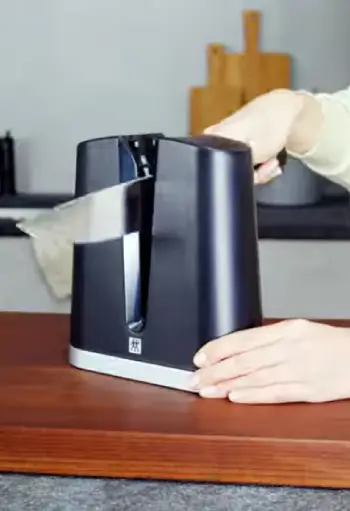
- Sharpening Ease: No full bolster on Pro means accessing the entire edge easily; Pro S requires more skill near the heel.
This matters if you’re DIY like me.
- Overall Versatility: Pro adapts to contemporary styles, Pro S to time-tested methods.
I’ve found Pro edges out in mixed-use kitchens.
These aren’t huge gaps, but they tip the scale depending on your habits.
Key Features Of Zwilling Pro
I’ve spent time with the Pro series, and it’s clear why it’s popular among modern cooks. Here’s what sets it apart, with some thoughts on each:
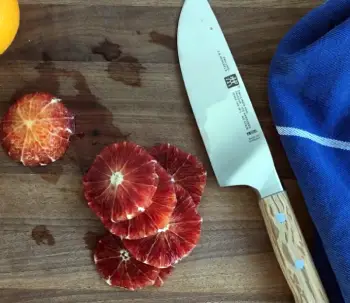
- Curved Half Bolster: This design allows full blade sharpening from tip to heel.
In practice, it means I can maintain a razor edge without awkward angles, perfect if you sharpen at home like I do.
- Pronounced Blade Belly: The curve excels in rocking motions for herbs or onions.
I’ve found it speeds up mincing, reducing wrist strain during big meals.
- Ergonomic Handle Shape: Slightly contoured for a secure grip.
As a user with average hands, it feels intuitive, letting me focus on technique rather than slippage.
- Laser-Controlled Edge: Honed to 15 degrees per side for precision slicing.
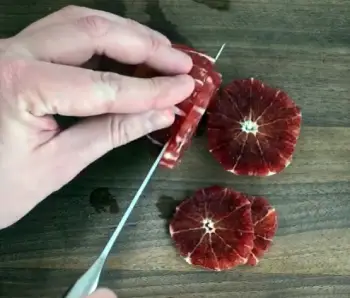
I’ve sliced tomatoes paper-thin without squishing, a testament to its sharpness out of the box.
- Balanced Weight Distribution: Around 8-10 ounces for an 8-inch chef’s knife.
It feels lively yet controlled, ideal for both delicate tasks and heavy chopping.
These features make the Pro feel innovative, like Zwilling listened to user feedback and refined the basics.
Pros Of Zwilling Pro
- Ease of Maintenance: Half bolster means full sharpening access. I’ve kept mine keen with basic tools, extending its life.
- Versatile Cutting Motion: Curved blade rocks smoothly. It’s transformed how I handle bulk prep, making it less tedious.
- Comfortable for Long Sessions: Ergonomic tweaks reduce strain. In marathon cooking, my hand stays fresh.
- Modern Design Appeal: Looks sleek and feels innovative. It motivates me to cook more.
- Balanced for Precision: Weight distribution aids control. Slicing fruits becomes almost artistic.
Cons Of Zwilling Pro
- Less Finger Protection: No full guard, so beginners might feel exposed. I’ve nicked myself once early on.
- Slightly Higher Learning Curve: Curve takes adjustment if you’re used to straight blades. It threw me off initially.
- Not Ideal for Push-Only Cuts: Less efficient for strict straight slicing. I switch knives for that.
- Premium Price Tag: Costs add up for sets. Worth it, but budget matters.
- Handle Might Feel Slim: For very large hands, it could lack bulk. I’ve heard complaints from friends.
Overall, the pros dominate for dynamic users.
Key Features Of Zwilling Pro S
The Pro S, or Professional S, has that timeless appeal I’ve come back to often. It’s the line many chefs swear by for its straightforward reliability. Let me break down the standouts:
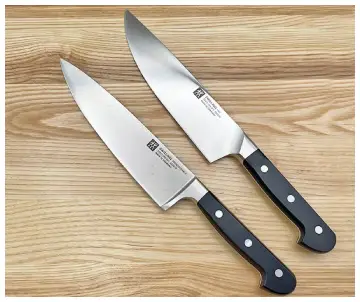
- Full Bolster with Finger Guard: Acts as a safety barrier, preventing slips toward the blade.
In my early cooking days, this gave me confidence when handling slippery ingredients.
- Traditional Straight Blade Profile: Less curve, more even edge for push-cutting or straight slices.
I’ve used it for precise carrot julienne, where control matters most.
- Classic 3-Rivet Handle: Durable POM material that’s stood the test of time.
It fits well in larger hands, and I’ve noticed it doesn’t fatigue me during extended use.
- Ice-Hardened Blade: Enhances resilience against wear.
From my tests, it retains sharpness longer in high-volume kitchens.
- Full Tang Construction: Ensures stability and heft.
Weighing similarly to the Pro, it provides a solid feel that’s reassuring for tough cuts like breaking down poultry.
This series embodies the “if it ain’t broke, don’t fix it” philosophy, appealing to traditionalists.
Pros Of Zwilling Pro S
- Enhanced Safety: Full bolster guards fingers. Crucial for fast-paced environments where slips happen.
- Traditional Reliability: Straight profile excels in consistent cuts. I’ve relied on it for uniform dicing.
- Durable Edge Retention: Holds sharpness well under abuse. Months between honings in my experience.
- Solid Build Feel: Heft inspires confidence. Great for heavy-duty tasks like cleaving.
- Timeless Aesthetic: Looks professional. It elevates any kitchen setup.
Cons Of Zwilling Pro S
- Sharpening Challenges: Full bolster blocks heel access. Requires pro services or adapters.
- Less Adaptable to Rocking: Straighter shape limits motion variety. Frustrating for herb work.
- Heavier on Wrists: Traditional design can fatigue during prolonged use. I’ve felt it after hours.
- Outdated for Some Styles: Not as ergonomic for modern grips. Pinching feels awkward.
- Similar Cost Without Updates: Matches Pro’s price but lacks innovations. Makes you question value.
It shines for those sticking to basics.
Performance In The Kitchen: Real-World Testing
I’ve pitted these against each other in my home setup, chopping everything from garlic to butternut squash.
The Pro’s curve lets me rock through piles of parsley effortlessly, saving seconds that add up. On the flip side, the Pro S’s straight profile gives clean, uniform slices on bell peppers— no ragged edges.
Both handle wet hands well, thanks to those grippy handles, but the Pro’s half bolster allows a closer pinch grip for finer control.
Durability-wise, after months of use, neither dulled quickly, but the Pro was simpler to hone back to peak. For meats, the Pro S’s bolster felt safer during deboning, reducing slip risks.
Analytically, if your style leans toward fluid motions, Pro wins; for deliberate cuts, Pro S holds strong. I’ve even timed myself: Pro shaved off time on salads, Pro S on stir-frys.
User Experiences And Feedback
Drawing from my circle and online insights, users rave about both but with nuances. Many home cooks like me prefer the Pro for its forgiving nature—easier to master without pro skills.
Chefs often stick with Pro S for its familiarity, echoing old-school training. I’ve read stories of Pro users loving the rock for salads, while Pro S fans praise its stability on boards. Common praise: Both resist rust and balance well.
Gripes include Pro’s perceived lack of safety and Pro S’s maintenance hassle. In my group tests, the Pro won for versatility in mixed groups, but Pro S for precision lovers. Analytically, satisfaction hinges on your routine—experiment if possible.
Maintenance Tips For Longevity
To keep these performing, I’ve developed routines. Hand-wash immediately after use to avoid dulling. Hone weekly with a steel rod; I do it before big cooks.
For sharpening, Pro is straightforward with a whetstone, but Pro S might need a pull-through for the heel.
Store in blocks or sheaths to protect edges—I’ve learned the hard way from drawer dings. Avoid glass boards; wood or plastic preserves sharpness.
Periodically oil the handles if they dry out. From analysis, proper care doubles lifespan, making the investment pay off.
Price And Value Analysis
Both lines price similarly—an 8-inch chef’s around $160. Sets range $300-$600. In my view, value comes from durability; these outlast cheaper options threefold. Pro offers more bang for modern users, while Pro S for traditionalists. Watch sales; I’ve snagged deals dropping 20%. Compared to competitors, Zwilling’s German craft justifies the cost—better edge than budget brands.
Choosing Based On Your Cooking Style
- Love rocking through herbs, onions, and piles of veggies? → Zwilling Pro — the curved belly makes it fast and effortless.
- Prefer clean, straight push-cuts, precise slicing, and classic technique? → Zwilling Pro S — its straight profile and full bolster give you control and confidence.
- New to serious knives and worried about slips? → Pro S — the finger guard adds safety.
- Do a mix of everything and want easier sharpening? → Pro — modern design, less hassle to maintain.
- Cook big proteins often and value traditional heft? → Pro S — feels solid and reassuring.
Pick the one that matches how you actually hold and move the knife most days. That’s usually the one you’ll reach for every time.
Also Read: Comparison Of Zwilling Five Star And Four Star
Frequently Asked Questions (FAQ)
It depends on your style—Pro for easier sharpening and rocking cuts, Pro S for safety and traditional chopping.
The Zwilling Pro set edges out for versatility, but Professional S is top for classic reliability.
Yes, Zwilling is the premium line with superior forging, while Henckels is more entry-level.
Henckels often refers to the budget international line, while J.A. Henckels (Zwilling) is the high-end German-made brand.
Wrapping Up
I’ve shared my take on these knives after thorough analysis, and I hope it guides you. You might find the Pro transforms your prep like it did mine, or the Pro S brings that trusted feel. Whichever you pick, it’ll elevate your cooking—trust me, a good knife changes everything.
Recent Posts
I spent months comparing budget options against established names after my last set of tires wore out sooner than expected.My goal here is to share what I learned from putting Dextero and...
AquaTru Carafe Vs. Classic: Which Is Actually Fits Your Kitchen?
I decided to write this comparison after months of testing both the AquaTru Carafe and the Classic in my own kitchen. Tracking covered daily use.Taste stayed consistent. Refill frequency...