
As a home cook who’s spent years slicing, dicing, and chopping my way through meals, I’ve often found myself pondering the right tools for the job.
In this article, I compare the Zwilling Twin Signature and Four Star knife series to guide you in choosing the best fit for your cooking style, focusing on their construction, performance, and value.
| Feature | Zwilling Twin Signature | Zwilling Four Star |
| Construction | Stamped from a single piece of high-carbon stainless steel | Forged from a single piece of high-carbon stainless steel |
| Steel Type | Special formula German steel, FRIODUR ice-hardened | Special formula German steel, FRIODUR ice-hardened |
| Hardness (Rockwell) | Approximately 57 HRC | Approximately 57 HRC |
| Handle Design | Ergonomic, triple-riveted polymer with embedded logo | Seamless molded polypropylene, ergonomic and rivet-free |
| Bolster | None (full blade usability) | Partial bolster for added safety and balance |
| Weight | Lighter, easier for extended use | Heavier, provides more heft for tough cuts |
| Manufacturing Location | Germany | Germany |
| Edge Angle | 15 degrees per side | 15 degrees per side |
| Dishwasher Safe | Yes, but hand washing recommended | Yes, but hand washing recommended |
| Price Range (8-inch Chef’s Knife) | Around $80-$100 | Around $130-$150 |
| Warranty | Lifetime | Lifetime |
| Best For | Beginners or budget-conscious users seeking sharpness | Experienced cooks wanting durability and control |
What Makes Zwilling Knives Stand Out In My Kitchen?
I’ve always appreciated how Zwilling knives bring a sense of reliability to my daily prep work.
The brand has a long history of crafting tools that balance tradition with modern needs, and both the Twin Signature and Four Star lines embody that.
When I first picked up a Zwilling knife, it felt like an extension of my hand—sharp, balanced, and ready for action. These series aren’t just about cutting; they’re about making the process enjoyable, whether I’m mincing garlic for a quick stir-fry or carving a roast for family dinner.
In my experience, the key is understanding how their designs influence everyday tasks, from the way the blade glides through onions to how the handle fits during long sessions.
Key Differences Between Zwilling Twin Signature And Four Star
Analyzing side by side, the distinctions become clear, influencing how each performs in real scenarios:
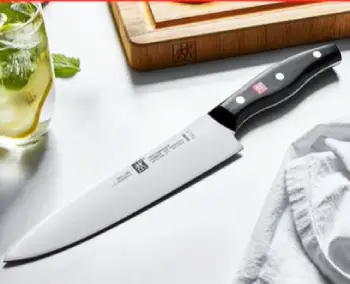
- Construction Method: Twin Signature is stamped, resulting in a lighter, more affordable knife, while Four Star is forged for greater density and resilience.
This means the Four Star handles tougher jobs better, like when I’m portioning a whole chicken.
- Weight and Balance: The Signature’s lightness suits quick, repetitive tasks, whereas the Four Star’s heft provides momentum for chopping.
In my experience, this makes Four Star better for heavy veggies, but Signature easier on the arms.
- Handle Style: Signature’s riveted handle offers a classic feel with good grip, but Four Star’s molded one is smoother and more hygienic.
I’ve noticed the molded version resists bacteria buildup during messy preps.
- Bolster Presence: No bolster on Signature allows full edge sharpening, ideal for maintenance enthusiasts like me, but Four Star’s partial bolster adds safety for aggressive cuts.
- Price and Value: Signature is budget-friendly for entry-level quality, while Four Star commands a premium for enhanced performance. Depending on your frequency of use, one might offer better return—I’ve found Four Star worth it for daily cooking.
These differences aren’t just specs; they’ve shaped my choices based on the meal at hand.
Key Features Of The Zwilling Twin Signature
The Twin Signature series caught my eye as an accessible entry into premium knives without breaking the bank. Here’s what I’ve noted about its standout elements:
- Stamped Blade Construction: This means the blade is cut from a single sheet of steel, making it lighter and more agile.
In my tests, this design allows for quick, precise movements, like when I’m peeling apples or trimming vegetables—it’s less fatiguing over time.
- FRIODUR Ice-Hardening Process: Zwilling’s signature treatment tempers the steel for better edge retention.
I’ve found my Twin Signature knives hold their sharpness through weeks of use, reducing the need for frequent honing, which is a real time-saver in a busy kitchen.
- Triple-Riveted Handle: The polymer handle with three rivets offers a secure grip, even when wet.
It’s comfortable for my average-sized hands, and the embedded Twin logo adds a touch of style without being flashy.
- No Bolster Design: Without a bolster, the entire blade edge is usable, which I’ve loved for sharpening the full length easily.
It also keeps the knife lightweight, ideal for tasks requiring finesse rather than force.
- Variety of Sizes and Types: From paring knives to chef’s knives, the line covers essentials.
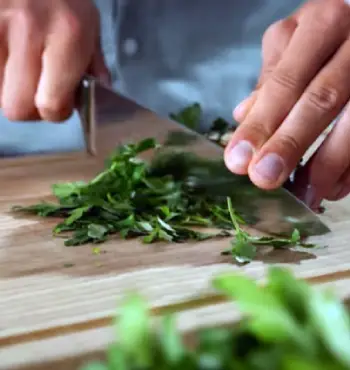
I often reach for the 8-inch chef’s knife in this series for its versatility in chopping herbs or slicing proteins.
In real use, these features make the Twin Signature feel approachable. Last summer, when I was prepping salads daily, the lightness helped me avoid wrist strain, turning what could be a chore into something smooth.
Pros Of The Zwilling Twin Signature
Based on my hands-on time with these knives, here are the advantages that have impressed me, with some thoughts on why they matter:
- Affordability Without Compromising Quality: At a lower price point, you get German engineering that’s sharp and durable.
I’ve saved money compared to higher-end lines, yet the performance rivals more expensive options for home cooking.
- Lightweight and Maneuverable: The stamped design keeps things nimble, perfect for intricate work like deveining shrimp or coring fruits.
In my kitchen, this means less effort and more control, especially during marathon meal preps.
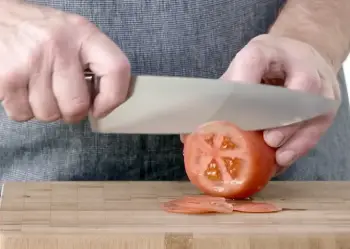
- Excellent Sharpness Out of the Box: They arrive ready to use, with a keen edge that slices through tomatoes effortlessly.
I’ve noticed they stay sharp longer than some budget alternatives, thanks to the ice-hardening.
- Easy Maintenance: Being dishwasher-safe (though I prefer hand washing), they’re low-fuss.
The stain-resistant steel means no worries about rust, even after cutting acidic foods like lemons repeatedly.
- Lifetime Warranty: This gives me peace of mind; if anything goes wrong, Zwilling stands behind it. I’ve never needed to use it, but knowing it’s there adds value.
One downside I’ve encountered is that the lighter weight might not suit everyone for heavy-duty chopping, but overall, these pros make it a solid choice for casual users like me.
Cons Of The Zwilling Twin Signature
No knife is perfect, and in my analysis, the Twin Signature has a few drawbacks worth considering:
- Less Heft for Tough Cuts: The stamped blade lacks the weight of forged options, so when I’m breaking down a butternut squash, it requires more pressure from me rather than relying on the knife’s momentum.
- Handle Can Feel Basic: While ergonomic, the polymer material isn’t as premium-feeling as some wood or composite handles. In prolonged use, it might slip if your hands are oily, though the rivets help with grip.
- Edge Retention Could Be Better Long-Term: It holds up well initially, but after months of daily use, I’ve had to sharpen more often than with forged knives. This isn’t a deal-breaker, but it adds to maintenance.
- Limited High-End Appeal: If you’re after that luxurious kitchen aesthetic, these might seem too straightforward. I appreciate the simplicity, but for display purposes, they don’t shine as brightly.
- Not Ideal for Professional Kitchens: In a high-volume setting, the lighter build might wear faster under constant abuse, though for home use, it’s more than sufficient.
These cons haven’t stopped me from using them regularly, but they highlight why you might opt for something sturdier if your cooking involves lots of heavy tasks.
Key Features Of The Zwilling Four Star
Shifting to the Four Star series, which I’ve relied on for more demanding jobs, its features reflect a step up in robustness:
- Forged Blade Construction: Forged from one piece, it’s denser and more resilient.
This has made a difference in my chopping of root vegetables, where the added strength prevents flexing.
- Partial Bolster: This provides a safe transition from handle to blade, protecting fingers during pinch grips.
I’ve found it enhances control, especially for rocking motions in mincing.
- Seamless Molded Handle: The polypropylene is molded directly onto the tang, creating a hygienic, rivet-free design.
It’s comfortable and balanced in my hand, reducing hotspots during extended sessions.
- FRIODUR Ice-Hardening: Like the Twin Signature, this process ensures longevity.
In practice, my Four Star knives retain edges through intensive use, like prepping for holiday feasts.
- Broad Selection: Including santokus and carving knives, the variety suits diverse needs.
The 8-inch chef’s knife here is my go-to for its balanced feel in everything from dicing onions to portioning meats.
Over time, these elements have made the Four Star a workhorse in my setup, handling everything from delicate filleting to forceful cleaving with ease.
Pros Of The Zwilling Four Star
From my perspective, the Four Star excels in several areas, making it worth the investment:
- Superior Durability and Balance: The forged build offers heft that aids in cutting through dense foods. I’ve chopped through bones and fibrous produce without issue, and the balance prevents fatigue.
- Enhanced Safety with Bolster: The partial bolster acts as a guard, which I’ve appreciated when teaching friends to cook— it minimizes slips.
- Long-Lasting Sharpness: Thanks to the forging and hardening, edges stay keen longer. In my routine, this means less time sharpening and more time enjoying the cut.
- Comfortable, Hygienic Handle: The seamless design is easy to clean and fits naturally. It’s held up well against heat and moisture in my kitchen without cracking.
- Versatile for All Skill Levels: Whether you’re a novice or seasoned, it performs reliably. I’ve used it for years, and it adapts to various techniques seamlessly.
These strengths have made it a favorite for when I need precision and power combined.
Cons Of The Zwilling Four Star
Even with its merits, I’ve spotted some limitations in the Four Star:
- Higher Price Tag: It’s pricier, which might deter budget shoppers. In my view, the quality justifies it, but it’s a consideration if you’re just starting out.
- Heavier Weight: The forged construction adds mass, which can tire wrists during light tasks. I’ve switched to lighter knives for simple peeling to avoid strain.
- Bolster Complicates Sharpening: The partial bolster requires careful honing around the heel. It’s manageable with practice, but a minor hassle compared to bolster-free designs.
- Less Agile for Fine Work: The heft makes it less ideal for ultra-precise jobs, like intricate garnishes. I sometimes grab a paring knife from another set for those.
- Potential for Overkill in Casual Use: If your cooking is basic, the robustness might feel unnecessary. In my lighter days, I underutilized its capabilities.
Despite these, the pros outweigh the cons for serious cooking.
Performance In Everyday Cooking
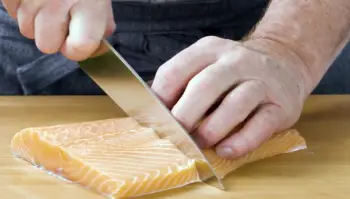
Let me share how these knives have fared in my routine.
With the Twin Signature, I love grabbing the utility knife for slicing cheese or sandwiches—its lightness makes it feel effortless, almost like an extension of my fingers.
But when I’m tackling a big batch of carrots or potatoes, the lack of weight means I have to apply more force, which can be tiring after a while.
On the flip side, the Four Star’s chef’s knife powers through those same veggies with minimal effort, thanks to its forged blade. I’ve used it to break down a pumpkin, and the balance kept everything steady.
Edge retention is another area where both shine, but the Four Star edges out slightly in longevity.
After a month of use without sharpening, the Signature starts to drag a bit on fibrous items like celery, prompting me to hone it.
The Four Star, however, maintains that razor-like quality longer, which is crucial during busy weeks when I don’t have time for upkeep.
Comfort-wise, both handles are winners, but the Four Star’s seamless design feels more premium, especially when my hands are covered in marinade.
Durability has been impressive across the board. Neither shows signs of chipping or rusting, even after accidental dishwasher runs (though I avoid that now).
In terms of versatility, the Four Star feels more all-purpose for a pro-like experience, while the Signature excels in casual, everyday scenarios.
If I’m prepping a simple salad, Signature suffices; for a full dinner party spread, Four Star takes the lead.
Maintenance And Care Tips From My Experience
Keeping these knives in top shape has been straightforward, but a few practices have helped me extend their life.
For both, I always hand wash with mild soap and dry immediately to prevent water spots—dishwashers can dull edges over time due to heat and detergents.
Honing with a steel rod every few uses keeps the alignment perfect; I do this before big cooking sessions.
Sharpening differs slightly. The Twin Signature’s straight edge sharpens quickly on a whetstone, taking maybe 10 minutes for a full refresh.
The Four Star, with its bolster, needs a bit more attention around the heel, but the forged steel responds well, holding the new edge firmly.
I’ve invested in a good sharpening set, and it’s paid off—no professional services needed yet.
Storage matters too. I use a magnetic strip for easy access, avoiding drawers where blades can bang around. For blocks, both series fit standard ones, but ensure slots match sizes to prevent damage. Overall, with basic care, these knives have lasted me years without losing their appeal.
Which One Should You Choose?
Deciding between the two boils down to your habits.
If you’re like me and cook occasionally, valuing ease and cost, the Twin Signature delivers without overwhelm. Its lightness and simplicity make it forgiving for beginners.
But if your kitchen sees action daily, with varied tasks, the Four Star’s robustness and control elevate the experience.
I’ve mixed both in my collection—Signature for quick jobs, Four Star for the heavy lifting—and it’s worked wonders.
Consider your budget and hand size too. Smaller hands might prefer Signature’s agility, while larger ones appreciate Four Star’s grip. Test them if possible; many stores allow handling. In the end, both represent Zwilling’s quality, so you can’t go far wrong.
Also Read: Comparison Of Zwilling Five Star And Four Star
Frequently Asked Questions (FAQ)
Yes, they’re durable, sharp, and balanced for reliable performance in home kitchens.
It’s a line of stamped, lightweight knives with triple-riveted handles, offering affordable German quality.
“Zwilling” means “twin” in German, referring to the brand’s logo; they’re the same company.
Absolutely, they’re sharp, well-made, and versatile for everyday use.
Wrapping Up
I’ve shared my take on these knives based on real kitchen trials, and I believe they’ll serve you well no matter which you pick.
Think about what matters most in your cooking life—lightness or power—and go from there.
You’ll thank yourself with every smooth cut.
Recent Posts
I spent months comparing budget options against established names after my last set of tires wore out sooner than expected.My goal here is to share what I learned from putting Dextero and...
AquaTru Carafe Vs. Classic: Which Is Actually Fits Your Kitchen?
I decided to write this comparison after months of testing both the AquaTru Carafe and the Classic in my own kitchen. Tracking covered daily use.Taste stayed consistent. Refill frequency...