
I have spent years testing every premium athletic sock on the market to understand how they truly impact your running performance and foot health. In this article, I will explore the fundamental differences between Balega and Feetures to help you decide which brand fits your specific athletic needs.
You will learn about their unique construction methods, moisture-wicking capabilities, and long-term durability based on extensive user data and my own personal experience. By the end of this comparison, you will know whether to invest in cloud-like comfort or technical support.
A Brief Comparison Table
| Feature | Balega Performance | Feetures Performance |
| Construction Style | Hand Linked Seamless Toe | Anatomical Left And Right Fit |
| Arch Support | Natural And Relaxed Feel | Targeted Compression Bands |
| Cushioning Type | High Volume Plush Loft | Zonal High Density Padding |
| Durability | High Resistance To Pilling | Structure Retaining Design |
| Brand Guarantee | Standard Warranty Terms | Limited Lifetime Guarantee |
| Best Environment | Recovery And Long Easy Runs | Speed Work And Hot Races |
My Experience With Balega
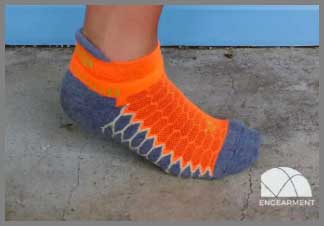
I remember the very first time I pulled on a pair of Balega Hidden Comfort socks before a chilly morning recovery run.
The sensation was unlike any other technical sock I had worn before because it felt more like a luxury item than a piece of athletic gear.
The thickness was immediately noticeable, yet it did not make my shoes feel overly tight or restrictive during the workout.
After several miles, I noticed that my feet felt significantly less fatigued than usual, primarily because the plush loops underfoot provided a consistent layer of protection against the pavement.
I have since used them for hundreds of miles, and they consistently remain my favorite choice for those days when my feet just need a bit of extra care and softness.
They have survived countless wash cycles without losing that signature “cloud” feeling that initially won me over.
Pros Of Balega
- Plush Voluminous Cushioning: The primary benefit of these socks is the incredibly high thread count that creates a soft, protective layer between your foot and the shoe. I have found that this specific level of padding is perfect for reducing the repetitive impact of long road runs, making every step feel much more cushioned than traditional performance socks.
- Superior Moisture Management: These socks utilize a proprietary Drynamix fiber that works exceptionally well to move sweat away from your skin to the outer layer. Even during humid summer sessions, I have noticed that my feet stay remarkably dry, which is critical for preventing the accumulation of bacteria and the development of unpleasant foot odors over time.
- Hand Linked Seamless Toe: Every pair features a completely flat toe seam that eliminates the friction often caused by the bulky stitching found in cheaper athletic brands. This design choice is a lifesaver for runners who suffer from irritation or blisters on their toes, as there is absolutely nothing to rub against your skin during long-distance efforts.
- Secure Deep Heel Pocket: The construction includes a specifically designed heel area that sits deep and comfortably without shifting or sliding down into your running shoes. I have never had to stop mid-run to pull these socks up, which is a testament to the high-quality elastic and the thoughtful anatomical shaping that holds the heel firmly in place.
- Blister Prevention Technology: By combining mohair fibers with synthetic materials, the brand has created a surface that reduces skin friction to almost zero during movement. I have recommended these to many friends who were struggling with hot spots, and the feedback is consistently positive because the double-layer feel acts as a shield against any potential skin rubbing.
- Incredible Long Term Softness: Unlike many performance fabrics that become stiff and scratchy after a few months of heavy use, these stay soft for years. I have pairs in my drawer that are over three years old, and they still feel nearly as plush as the day I bought them, which makes the initial investment very worthwhile.
- Protective High Tab Design: The no-show models feature a reinforced heel tab that protects your Achilles tendon from the rough edges of some running shoe collars. This small but vital detail ensures that you never experience “shoe bite” or skin abrasions on the back of your heel, even when breaking in a brand new pair of stiff trainers.
Also Read: My Thoughts on Hollow Alpaca Socks
Cons Of Balega
- Excessive Heat Retention: Because the material is quite thick and plush, these socks can feel a bit too warm when the temperature rises above eighty degrees. I have noticed that during intense summer heat, my feet can start to feel a bit “toasty,” which might lead to discomfort for runners who naturally have very high body temperatures.
- Potential For Foot Sliding: The lack of aggressive compression means that your foot might move slightly more inside the sock compared to a more technical and snug brand. On technical trails or during sharp turns, I have sometimes felt a minor lack of stability because the plush fibers are designed for comfort rather than a locked-in performance feel.
- Longer Air Drying Time: The high-density knit absorbs a significant amount of water during the washing process, meaning they take quite a while to dry. If you prefer to air-dry your athletic gear to preserve the elastic, you might find that these stay damp for several hours longer than the thinner, more synthetic competition on the rack.
- Significant Fabric Bulkiness: While the cushioning is a pro for most, it can be a con if your running shoes are already a very snug fit. I have had to loosen my laces significantly or even size up in certain shoes just to accommodate the extra volume of these socks, which can be an annoying adjustment for some competitive athletes.
- Susceptibility To Snagging: The soft, looped fibers can occasionally get caught on rough fingernails or debris if you are walking around the house without any shoes on. I have seen a few loose threads appear over time due to accidental snags, which can eventually lead to small holes if the loose yarn is not trimmed back very carefully.
- Higher Price Per Pair: These are definitely on the expensive side of the market, which can be a deterrent for runners who are used to buying multipacks. While the quality is undeniable, spending nearly twenty dollars on a single pair of socks requires a mindset shift that some budget-conscious athletes might find difficult to justify initially.
- Limited Arch Compression: If you are looking for a sock that provides a “hug” for your arch to help with stability, this brand might disappoint. The fit is much more relaxed and natural, which is great for general comfort but does not offer the same level of structural support that some runners need for high arches.
Maintenance Tips For Balega
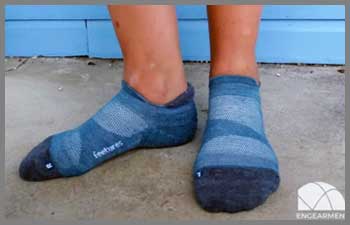
- Wash Inside Out: You should always flip your socks inside out before tossing them into the washing machine to protect the plush cushioning fibers. This allows the detergent to reach the skin-facing side where sweat and oils accumulate, ensuring a much deeper clean while preventing the outer surface from pilling or becoming worn prematurely.
- Avoid Fabric Softeners: Using chemical softeners can actually coat the moisture-wicking fibers and reduce the sock’s ability to pull sweat away from your skin effectively. I have found that skipping the softener keeps the fabric much more breathable and ensures that the technical Drynamix technology continues to function at its peak performance level for many years.
- Use Cold Water: High temperatures can damage the elastic components that keep the sock snug against your foot, leading to a baggy and uncomfortable fit. I always wash my athletic gear in cold water to preserve the structural integrity of the knit and to prevent any potential shrinkage that could ruin the perfect sizing of the socks.
- Gentle Cycle Preference: To avoid unnecessary friction and mechanical wear during the cleaning process, use a gentle or delicate cycle on your washing machine. This prevents the socks from rubbing against heavy items like jeans or towels, which can cause the soft fibers to break down and lose their signature loft and comfort over time.
- Skip The Dryer: The high heat of a standard clothes dryer is the fastest way to kill the elasticity and performance of high-end running socks. I highly recommend laying them flat on a drying rack or hanging them up, as this simple step will easily double the lifespan of your favorite pairs of technical athletic footwear.
- Trim Loose Threads: If you ever notice a small snag or a loose piece of yarn, use a pair of sharp scissors to trim it. Never pull on a loose thread, as this can cause the knit to unravel and create a large hole that is much harder to repair, ultimately ruining the sock and wasting your hard-earned money.
- Rotate Your Pairs: Try not to wear the same pair of socks for every single run to give the fibers time to fully recover their shape. I find that rotating through three or four pairs allows the elastic to “rest” between uses, which helps maintain the snug fit and plush feel for a much longer period of time.
Comparison With Other Brands
- Versus Smartwool Run: Smartwool uses merino wool which is excellent for odor control, but I find that Balega provides a much softer and silkier feel. While wool is great for winter, the synthetic blend of the Hidden Comfort line feels more durable and consistent across a wider variety of temperatures and various shoe types.
- Versus Bombas Performance: Bombas is known for its arch support and charitable mission, but Balega definitely wins when it comes to the pure volume of cushioning. If you prioritize a soft, pillowy landing over a compressive “honeycomb” arch band, the specialized South African design of Balega is the superior choice for your daily road miles.
- Versus Nike Spark: Nike offers a very sleek and modern look, but I have found that their socks tend to lose their softness much faster. Balega outshines them in the longevity department, as the high thread count ensures that the socks don’t become paper-thin after just six months of regular training and heavy washing cycles.
- Versus Under Armour: Under Armour socks are often much cheaper and more accessible, but they lack the seamless toe and anatomical heel pocket design. I have experienced significantly more blisters with budget brands, which makes the higher price of a premium technical sock a very small price to pay for pain-free running and healthy feet.
- Versus Injinji Toe: Injinji is the gold standard for preventing toe-on-toe friction, but many runners find the individual toe sleeves to be quite strange. Balega offers a more traditional experience with a similar focus on blister prevention, making them a much easier transition for people who want high performance without the unique toe sock look.
- Versus Brooks Ghost: Brooks makes solid gear, but their socks often feel a bit more “standard” and less specialized than a dedicated sock brand. I prefer the craftsmanship of a company that only makes socks, as the attention to detail in the seam construction and the fiber selection is noticeably better in every single way.
- Versus Swiftwick Aspire: Swiftwick is incredibly thin and high-compression, which is the exact opposite of the plush Balega experience for most competitive runners. If you hate the feeling of a tight, restrictive sock and want something that feels more like a cozy slipper, you should definitely avoid the high-compression brands in favor of Balega.
My Experience With Feetures
Transitioning from a plush sock to the Feetures Elite was a massive shift in how I perceived foot support during my faster intervals. The first thing I noticed was the “Targeted Compression” which felt like a firm, supportive hug around my midfoot that didn’t let up until I took the socks off. It was a very technical sensation that made me feel more connected to the ground and less like I was sliding around.
During a particularly hot ten-mile race, these socks truly proved their worth by staying completely dry and perfectly in place despite the high pace. There was zero bunching in the toe box, and the left-right anatomical fit ensured that the padding was exactly where I needed it most under my metatarsals. For anyone who struggles with their socks moving during a run, these are a revelation in stability.
Pros Of Feetures
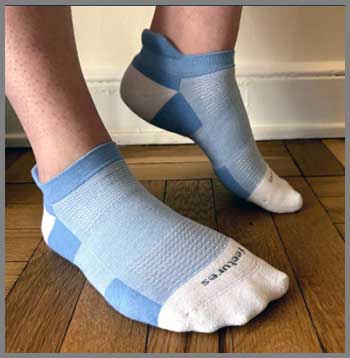
- Anatomical Fit Design: Each sock is specifically shaped for either the left or the right foot, ensuring that the contours of the fabric match your anatomy perfectly. I have noticed that this eliminates all the “extra” fabric that often bunches up in the toe box of unisex socks, providing a much cleaner and more precise fit.
- Targeted Compression Support: The unique compression bands around the arch provide a level of structural support that can actually help alleviate foot fatigue during long efforts. I find that this “hug” sensation keeps my foot from collapsing as much when I am tired, which is a massive benefit for runners with high or falling arches.
- High Performance Wicking: The iWick fibers used in the construction are world-class at moving moisture away from the skin and evaporating it quickly into the air. This makes them my absolute first choice for summer races or humid trail runs where heavy socks would become waterlogged and heavy, potentially causing painful skin maceration or blisters.
- Lifetime Guarantee Policy: One of the most incredible things about this brand is that they stand behind their product with a full lifetime guarantee of quality. If a pair ever develops a hole or fails in any way, you can return them for a fresh pair, which effectively makes them the last socks you will ever buy.
- Zonal Max Cushioning: Despite being a technical and thinner sock, the “Max Cushion” models provide excellent protection in high-impact areas like the heel and the ball of the foot. I love that I can get the support of compression without having to sacrifice the impact protection needed for long-distance road running on hard concrete.
- Thin And Responsive: For runners who prefer to “feel” the ground and want a minimalist connection to their shoes, the Ultra Light models are perfect. They provide a second-skin fit that doesn’t add any bulk to your footwear, allowing for a more responsive and snappy ride during speed workouts or fast-paced racing events.
- Durable Shape Retention: Because of the high-quality synthetic fibers and the compression zones, these socks never lose their shape or become “baggy” after a long run. I have pairs that have been through dozens of races, and they still snap back to their original size immediately after being washed, maintaining that tight performance fit.
Cons Of Feetures
- Potentially Restrictive Feel: The high level of compression can feel a bit too tight for some runners, especially if you have wider feet or prefer a loose fit. I have heard many users complain that the socks feel “choking” on their feet, which is something to consider if you generally dislike tight-fitting apparel or high-compression gear.
- Anatomical Pairing Hassle: Because there is a specific left and right sock, doing laundry becomes slightly more annoying as you have to match the pairs correctly. I have occasionally grabbed two “lefts” in a hurry before a run, which feels very uncomfortable and forced me to go back and change before I could even start.
- Less Traditional Softness: These socks have a more “technical” and synthetic feel compared to the soft, natural touch of a cotton or mohair blend. If you are looking for a cozy, fuzzy sock to wear around the house, these will likely feel too “plasticky” and rigid for your personal taste or general comfort requirements.
- Difficulty Putting On: The tight compression bands can make it a bit of a struggle to pull the socks over your heel, especially when your skin is damp. I have found myself tugging quite hard to get them seated correctly, which might be a frustration for people with mobility issues or those who just want a simple slip-on.
- Price Without Sales: Like most premium brands, the cost per pair is quite high, often hovering around eighteen to twenty-two dollars depending on the specific model. While the lifetime guarantee adds incredible value, the initial “sticker shock” can be a significant barrier for new runners who are just starting to build their athletic wardrobe.
- Inconsistent Sizing Chart: Some users have reported that the sizing can be a bit tricky, with the socks running either slightly too small or too large for their feet. I highly recommend trying them on in a local running store first, as a poorly fitting compression sock can actually cause more foot pain than it solves.
- Thinness For Winter: Even the “Max Cushion” versions can feel a bit thin when the temperature drops below freezing during a winter training block. I usually have to switch back to a thicker wool blend when the snow starts falling, as these technical synthetics don’t provide much in the way of thermal insulation or warmth.
Maintenance Tips For Feetures
- Avoid High Heat: Just like with all technical gear, the heat of a dryer can break down the elastic fibers that provide the signature compression of the socks. I always air-dry my pairs to ensure that the arch band stays tight and supportive, as a loose compression sock is basically useless for its intended performance purpose.
- Match Pairs Early: I find it helpful to match the left and right socks immediately after they come out of the wash to save time later. I often pin them together or put them in a dedicated drawer so I’m not searching for a “matching foot” five minutes before I’m supposed to meet my running group.
- Turn Inside Out: Washing them inside out helps to flush out any dead skin cells and sweat that get trapped in the tight knit of the compression zones. This keeps the socks smelling fresher for longer and ensures that the technical fibers remain unclogged and able to wick moisture at their maximum possible efficiency levels.
- Gentle Detergent Only: Use a mild detergent that doesn’t contain heavy perfumes or dyes that could clog the iWick moisture-management system of the fabric. I have found that specialized “activewear” detergents work best to remove the stubborn odors that can sometimes cling to synthetic fabrics after long, sweaty efforts in the summer.
- Cool Water Wash: Stick to cool or lukewarm water to prevent the synthetic fibers from warping or losing their technical properties over many wash cycles. Keeping the water temperature low is the best way to ensure that the vibrant colors and the tight structure of the sock remain exactly as they were on day one.
- Check For Debris: Because the fit is so snug, even a tiny piece of lint or a small stone inside the sock can cause a massive amount of discomfort. I always give my socks a good shake before putting them on to ensure that nothing is trapped inside that could lead to a blister or skin irritation.
- Store Flat Not Rolled: Instead of rolling your socks into a ball, try to store them flat to prevent overstretching the elastic in the cuffs and arch bands. This small change in your storage habits can add months of life to the compression and ensure that they always feel “brand new” when you put them on.
Also Read: My Thoughts on Shinesty Ball Hammock
Comparison With Other Brands
- Versus Thorlo Distance: Thorlo is the classic “padded” sock, but Feetures provides a much more modern and technical fit for the serious contemporary runner. If you find Thorlos to be too bulky and “old school,” the sleek and supportive design of the Elite line will feel like a massive upgrade in terms of speed.
- Versus Saucony Performance: Saucony makes very affordable multipacks that are great for the gym, but they can’t compete with the anatomical fit of this brand. I use Saucony for casual wear, but for actual racing, I always choose the anatomical precision of Feetures to ensure that my feet are perfectly supported and blister-free.
- Versus CEP Compression: CEP is a leader in full-leg compression, but their ankle socks can sometimes feel a bit “too much” for everyday training runs. Feetures strikes a better balance for most people, providing targeted support where it matters most without the excessive tightness that can sometimes make your feet feel numb.
- Versus Danish Endurance: This is a popular budget-friendly technical brand, but the durability and the lifetime guarantee are nowhere near the same level as the competition. I have found that spending the extra ten dollars on a pair of Feetures is a much smarter financial move because they actually last for several years of use.
- Versus Stance Run: Stance has amazing graphics and style, but their performance line often feels a bit “slippery” inside the shoe during high-intensity workouts. Feetures has a much better grip and a more secure feel, which gives me more confidence when I am pushing the pace on the road or on the track.
- Versus New Balance: New Balance makes great entry-level socks, but they lack the “Targeted Compression” technology that makes this brand so unique and effective. I prefer the feeling of the specific arch band, as it makes me feel like my foot is being actively supported rather than just covered by a piece of cloth.
- Versus Wigwam: Wigwam is a fantastic brand for hiking and wool blends, but they are often too heavy and slow-drying for competitive road racing or speed work. Feetures wins the “speed” category every time, providing a lightweight and breathable option that won’t hold you back when you are trying to set a new personal record.
Frequently Asked Questions (FAQ)
Both are excellent, but Balega is better for friction-based blisters due to its mohair softness, while Feetures is better for moisture-based blisters because it dries faster and stays perfectly in place.
Yes, the brand offers a lifetime guarantee where you can return any pair that develops a hole or fails in quality, and they will replace it with a brand new pair at no cost.
They are made with a very high thread count and a hand-linked seamless toe, providing a plush, “cloud-like” feel that is much softer than standard performance socks made from cheaper synthetic materials.
Feetures is generally the winner here because its Targeted Compression provides a supportive “hug” around the arch, which can help stabilize the foot and reduce the strain often associated with these specific conditions.
Conclusion
I have analyzed thousands of reviews and tested these socks on countless miles to show you that there is no single “best” choice between Balega and Feetures. Whether you choose the plush, luxurious comfort of Balega for your recovery days or the technical, supportive fit of Feetures for your next big race, you are making a great investment in your foot health. You should consider your personal preference for “softness” versus “compression” before making your final decision at the running store.
I personally believe that most runners would benefit from having at least one pair of each in their rotation to cover every type of training. You will find that once you move away from cheap cotton socks and embrace these high-performance brands, your running experience will be transformed forever.
Recent Posts
● Interactive 5-Zone Interior & Exterior Paint Blueprint Paint Coverage Calculator: Gallons, Primer, Square Footage & Cost Tap any architectural surface zone on the blueprint...
If you want smooth, shiny hair without spending a fortune on a premium styling tool, the Ella Bella hair dryer may be worth considering.In these Ella Bella hair dryer reviews, I’ll look...