
If you care about the taste of your food even slightly, Colima sea salt is one of those small upgrades you’ll immediately notice.
I started using it when I got tired of overly processed table salt and inconsistent “premium salts” that honestly felt more hype than substance.
If you cook regularly and want cleaner flavor, better texture, and something that feels closer to nature, this is a salt I genuinely think you should try. It changed how I season food at home in a very real way.
My First Experience With Colima Sea Salt
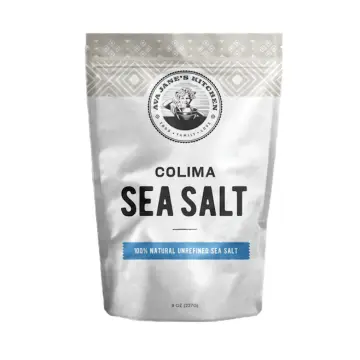
The first time I opened a pouch of Colima sea salt, I noticed something simple but important: it didn’t look overly refined or artificially perfect.
It looked raw, slightly moist, and naturally textured. That alone already told me this wasn’t going to behave like regular table salt.
When I tasted it directly (yes, I did that), it had a clean briny flavor but without harshness. No chemical-like aftertaste.
Just a smooth mineral saltiness that felt “alive” compared to the flat punch of iodized salt I was used to.
Cooking with it was where I really understood the difference. I used it on grilled chicken, roasted vegetables, and even simple scrambled eggs.
What surprised me most wasn’t just the saltiness—it was how evenly it melted into food. You don’t get random salty bites. Instead, you get a balanced seasoning effect that makes ingredients taste more like themselves.
Another thing I noticed is that I needed less of it. That might sound strange, but because the flavor feels more rounded, you don’t end up over-salting to compensate for blandness. You season, taste, and stop naturally.
Over time, I started reaching for it automatically. Even simple dishes like avocado toast or boiled rice felt more intentional. It’s not dramatic—it’s subtle improvement, but the kind you keep noticing every day.
What Is Colima Sea Salt?
Colima sea salt comes from coastal salt flats in Mexico, where seawater is naturally evaporated using traditional methods.
The result is a salt that retains trace minerals and a slightly moist texture depending on how it’s harvested.
What sets it apart for me is that it doesn’t feel industrially processed. It feels closer to something you’d find in a natural salt pond rather than a factory line.
The crystals are irregular, which actually helps when seasoning food. Instead of dissolving instantly like fine salt, it gives you control. You can feel it between your fingers, adjust it, and even see how it spreads across food.
Taste, Texture, And Cooking Behavior
This is where Colima salt really earns its place in my kitchen.
The taste is clean, slightly mineral-rich, and noticeably less sharp than standard salt. There’s no bitterness or metallic edge.
Texture-wise, it’s soft and slightly damp depending on storage. That moisture isn’t a flaw—it actually helps it cling to food better.
When cooking, it behaves differently from fine salt. It doesn’t disappear instantly; it integrates gradually. That means you get more control while cooking and better final seasoning consistency.
I also noticed it performs especially well in:
- Grilled meats
- Roasted vegetables
- Fresh salads
- Finishing dishes like pasta or avocado toast
It’s less ideal for baking where precision measurement matters, but for everyday cooking, it feels more natural.
How I Use Colima Sea Salt In Daily Cooking
I don’t treat this like ordinary salt anymore. I use it more intentionally.
For finishing dishes, I sprinkle it lightly right before serving. It adds a subtle crunch and flavor boost that feels very restaurant-like.
For cooking, I use it earlier in the process but in smaller amounts than I used with table salt. Because it has more depth, I don’t feel the need to overdo it.
Even simple foods like eggs, soups, or grilled vegetables taste more layered with it. It doesn’t overpower—it enhances.
Pros Of Colima Sea Salt
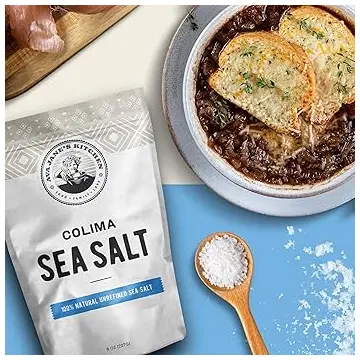
- Rich, natural flavor that actually changes cooking
One of the first things I noticed with Colima sea salt is that it doesn’t behave like ordinary salt in the mouth or in cooking.
Instead of hitting you with a sharp, one-dimensional saltiness, it brings a softer, rounded mineral flavor.
When I started using it regularly, I realized something subtle but important: my food tasted more complete. Not “saltier,” but more balanced.
That’s a big difference. For example, roasted vegetables didn’t just taste seasoned—they tasted fuller, almost like their natural sweetness was more visible.
This is the kind of salt that makes you rethink how much seasoning you actually need. You stop over-salting because the flavor feels more developed.
- Better control while cooking
Another advantage I personally appreciate is control. Colima salt doesn’t dissolve instantly like fine table salt. That means when you season food, you can actually see and feel how much you’re using.
This matters more than people realize. With regular salt, it’s easy to accidentally overshoot because it disappears immediately into the dish. With Colima salt, you get a more gradual seasoning process.
I found this especially useful when cooking meat or stir-fries, where timing and balance matter. It gives you room to adjust rather than correct mistakes.
- Works well as both cooking and finishing salt
Some salts are only good for cooking, while others are strictly finishing salts. Colima sea salt sits comfortably in both categories.
I’ve used it during cooking for soups, rice, and grilled dishes, and I’ve also sprinkled it at the end on eggs, salads, and even avocado toast. In both cases, it performs well.
As a finishing salt, it adds a slight texture and burst of flavor. As a cooking salt, it blends evenly without harshness. That flexibility makes it practical if you don’t want multiple types of salt in your kitchen.
- Naturally mineral-rich profile
Colima sea salt retains trace minerals because of how it’s harvested through natural evaporation methods. While you’re not eating salt for nutrients alone, those trace minerals do affect taste.
From my experience, it contributes to that subtle “clean” taste difference compared to processed salts. It feels less stripped-down and more whole.
This is especially noticeable when tasting it directly or using it on simple foods like boiled vegetables or rice.
- Encourages more mindful seasoning
This is something I didn’t expect at first. Using Colima salt actually changed how I cook.
Because it’s less aggressive than table salt and more textured, I started seasoning more carefully. Instead of dumping salt in, I started tasting food more often and adjusting gradually.
That small shift improved my cooking overall. I became more aware of balance, not just saltiness.
- Less likelihood of over-salting food
One of the biggest practical benefits is forgiveness. With table salt, a small mistake can ruin a dish quickly.
Colima salt is more forgiving because its flavor builds more slowly. Even if you slightly overuse it, the result usually isn’t harsh or unpleasant.
For someone who cooks daily (like me), that safety margin is valuable.
- Clean ingredient perception
There’s also a psychological benefit. Colima sea salt feels closer to a natural ingredient than a processed one.
When I switched from refined salt, I felt more confident about what I was adding to my food. It’s a small mindset change, but it affects how you approach cooking overall.
Cons Of Colima Sea Salt
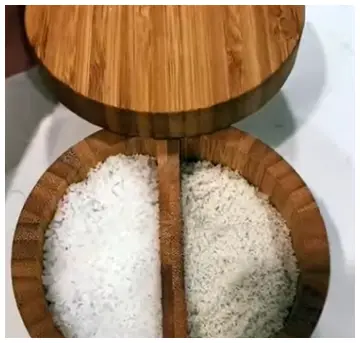
- Moist texture can be inconvenient
The biggest drawback I noticed is its natural moisture content. While that moisture helps with flavor and texture, it also makes storage more delicate.
If you’re not careful, the salt can clump over time. That means you may need to break it apart occasionally before use.
It’s not a deal-breaker, but it does require slightly more attention than dry table salt.
- Not ideal for precision baking
If you bake regularly, this is where Colima salt may feel limiting.
Baking requires precise measurements, and the irregular crystal size and moisture content can make consistency harder compared to fine salt.
I wouldn’t rely on it for cookies, cakes, or any recipe where exact chemical balance matters. For baking, standard fine salt is simply more reliable.
- Slightly higher cost than regular salt
Another downside is price. Compared to table salt, Colima sea salt is significantly more expensive.
Now, I personally feel the quality justifies the cost, but it’s still a factor. If you use a large amount of salt daily, the cost difference can add up over time.
For budget-conscious cooking, this might not be the most economical everyday option.
- Availability can be inconsistent
Depending on where you live, Colima sea salt may not always be easy to find in local stores.
Sometimes you’ll need to rely on specialty food shops or online sellers. That extra step can be inconvenient if you prefer grabbing everything from a single supermarket.
- Requires better storage habits
Because of its natural structure, it doesn’t behave like processed salt in storage. You can’t just leave it open on the counter and forget about it.
It needs an airtight container and dry environment. If exposed to humidity or moisture, it can harden or lose its easy-to-use texture.
This isn’t difficult to manage, but it does require awareness.
- Not a dramatic “flavor upgrade” for everyone
While I personally noticed a clear difference, not everyone may experience a dramatic change.
If someone is used to heavily seasoned or highly processed foods, the improvement might feel subtle rather than life-changing.
It’s more of a refinement than a transformation.
Tips For Colima Sea Salt
- Store it in an airtight container immediately
One of the first things I learned the hard way is that Colima sea salt does not like open air exposure. Because it naturally retains some moisture, it reacts quickly to humidity in the environment.
If you leave it in its original packaging or an open bowl, it can start clumping within days. I now always transfer it into an airtight glass jar or a high-quality sealed container as soon as I open it.
This simple step alone preserves its loose texture and makes it much easier to use in daily cooking.
- Keep it away from moisture-heavy areas
Where you store the salt matters just as much as how you store it.
I used to keep mine near the stove, thinking it was convenient. That was a mistake. Steam, heat, and cooking humidity slowly affect the salt’s texture and cause uneven clumping.
Now I store it in a dry kitchen cabinet, away from the stove, sink, and kettle. A cool, dry spot is ideal. If your kitchen tends to get humid, this step becomes even more important.
- Never use wet spoons or wet hands
This is a small habit, but it makes a huge difference.
When moisture enters the container—even a tiny amount—it immediately changes the salt’s structure. I once used a slightly damp spoon, and within a week I noticed small hard lumps forming.
Now I always make sure my hands and utensils are completely dry before touching it. This keeps the salt free-flowing and usable.
- Break clumps gently instead of crushing them
If clumping does happen (and it sometimes will in humid climates), don’t panic.
I avoid smashing or grinding it aggressively. Instead, I gently break it apart using a dry spoon or fork. This helps maintain its natural crystal structure without turning it into fine powder.
If needed, I sometimes shake the container lightly after breaking the clumps to redistribute texture evenly.
- Use silica gel or natural moisture absorbers if needed
In very humid environments, like coastal or monsoon-heavy regions, I found that adding a small food-safe moisture absorber inside the storage area helps a lot.
Some people use silica gel packs near (not inside direct contact with salt), or even natural options like dry rice in a separate breathable pouch.
This helps stabilize the environment around the salt and prevents excessive moisture buildup.
- Avoid refrigeration or freezing storage
At first, I thought keeping it in the fridge might help preserve it better. That actually made things worse.
Cold environments create condensation when the salt is taken out, which introduces moisture directly into the container. That leads to faster clumping and uneven texture.
Room temperature storage in a dry place is always the best option.
- Use smaller containers for daily cooking
Instead of constantly opening a large container, I now keep a smaller portion in a separate jar for daily use.
This reduces exposure to air and humidity in the main supply. It also makes cooking more convenient because I’m not repeatedly opening the bulk storage.
It’s a small habit that significantly improves long-term freshness.
- Don’t store it near strong-smelling foods
Salt can slowly absorb surrounding odors if exposed for long periods.
I once kept it near spices like cumin and garlic powder, and I noticed a slight change in aroma over time.
Now I store it separately from strong-smelling ingredients. Keeping it isolated helps maintain its clean, neutral flavor profile.
- Label and rotate older stock first
If you buy Colima sea salt in larger quantities, it’s a good idea to label the purchase date.
I follow a simple rotation habit—older salt gets used first. While salt doesn’t “expire” in a traditional sense, moisture exposure over time can affect quality.
This ensures you’re always using it at its best texture and flavor.
- Use a dry spoon only for scooping
This sounds basic, but it’s one of the most important habits.
Even slight moisture contamination can start a chain reaction of clumping inside the container. A dedicated dry spoon kept near the salt container works best.
Some people even keep a small spoon inside the container, but I prefer storing it separately to avoid
Comparison Colima Sea Salt With Other Sea Salt Brands

- Colima Sea Salt vs Himalayan Pink Salt
Himalayan pink salt is probably the most popular “premium salt” out there, but in my experience, it feels more aesthetic than flavorful.
It’s visually appealing, but the taste difference compared to regular salt is subtle.
Colima sea salt, on the other hand, feels more functional in cooking. It dissolves better, distributes more evenly, and has a slightly more complex mineral taste.
Where Himalayan salt shines in presentation, Colima wins in daily usability.
- Colima Sea Salt vs Maldon Sea Salt
Maldon salt is known for its flaky texture, and I do like it for finishing dishes. However, it can sometimes feel too delicate and uneven for cooking.
Colima salt sits in a better middle ground for me. It has enough structure for cooking but still works beautifully as a finishing salt. It’s more versatile overall.
If Maldon is a garnish salt, Colima feels like an all-rounder.
- Colima Sea Salt vs Celtic Sea Salt
Celtic sea salt is also moist and mineral-rich, but I’ve noticed it can sometimes carry a stronger oceanic taste that not everyone enjoys.
Colima is milder and more balanced. It gives you mineral complexity without overwhelming the dish.
If Celtic salt feels a bit “briny heavy,” Colima feels smoother and more adaptable.
- Colima Sea Salt vs Regular Table Salt
This comparison is the most dramatic.
Table salt is uniform, cheap, and intensely sharp. It does the job, but it often feels one-dimensional.
Colima salt gives you depth. The seasoning feels more natural, less aggressive, and more forgiving. You’re far less likely to ruin a dish with slight overuse.
For me, this alone justifies switching.
Frequently Asked Questions (FAQ)
Yes, it offers clean flavor, mineral depth, and excellent versatility in cooking.
It depends on use, but Colima, Maldon, and Celtic are among the most popular quality options.
It is considered naturally harvested sea salt, but like all sea salts, purity depends on sourcing and processing standards.
It comes from traditional salt flats in Colima, Mexico, where seawater is naturally evaporated.
Wrapping Up
Colima sea salt has become a quiet but essential part of my kitchen. It doesn’t overpower food—it refines it.
If you want a salt that feels more natural, more balanced, and more versatile than regular table salt, this is one I would personally recommend trying in your daily cooking routine.
Recent Posts
● Interactive 5-Zone Interior & Exterior Paint Blueprint Paint Coverage Calculator: Gallons, Primer, Square Footage & Cost Tap any architectural surface zone on the blueprint...
If you want smooth, shiny hair without spending a fortune on a premium styling tool, the Ella Bella hair dryer may be worth considering.In these Ella Bella hair dryer reviews, I’ll look...