
As a tattoo enthusiast who’s spent years experimenting with different gear, I’m here to break down the matchup between Dragonhawk and Wormhole tattoo machines.
My main goal in this article is to help you figure out which one suits your style, whether you’re just starting out or looking to upgrade, by comparing their features, performance, and value.
I’ll share my thoughts based on hands-on testing and user feedback to make your decision easier.
| Feature | Dragonhawk | Wormhole |
| Price Range | $86 – $249 | $59 – $149 |
| Motor Type | Coreless | Coreless |
| Stroke Length | Adjustable 2.4-4.2mm (7 levels in Fold Pro) | Adjustable 2.4-4.2mm (7 levels in Pro Orion) |
| Battery Life | 5+ hours (1500mAh) | 5+ hours (1500mAh) |
| Weight | Lightweight (around 135g for pen models) | Lightweight, ergonomic for small hands |
| Suitability | Beginners to pros, lining/shading/PMU | Beginners, fine lines/small tattoos |
| Accessories | Power supply, cartridges, foot pedal | Complete kit with inks, needles |
| Noise Level | Low | Occasional noise issues |
| Durability | Mixed; some battery failures | Plastic parts may wear |
Understanding Tattoo Machines In Today’s Market
I’ve always found tattoo machines fascinating because they bridge art and technology.
When I first got into this, I grabbed whatever was affordable, much like many newcomers do. Dragonhawk and Wormhole both cater to that crowd, offering entry-level options that don’t skimp on basics.
These brands focus on rotary and pen-style machines, which are easier to handle than traditional coils. In my view, what sets them apart is how they balance cost with functionality.
Dragonhawk often feels like the reliable workhorse, while Wormhole surprises with its simplicity for specific tasks.
Over the years, I’ve seen the shift toward wireless models, and both brands have jumped on that trend. It’s changed how artists work, giving more freedom without cords tangling up.
But not all wireless setups are equal, and that’s where my analysis comes in. I’ll walk through what makes each tick, drawing from real-world use.
Key Differences Between Dragonhawk And Wormhole
While they share similarities like coreless motors and adjustable strokes, the nuances matter. Here’s how they stack up:
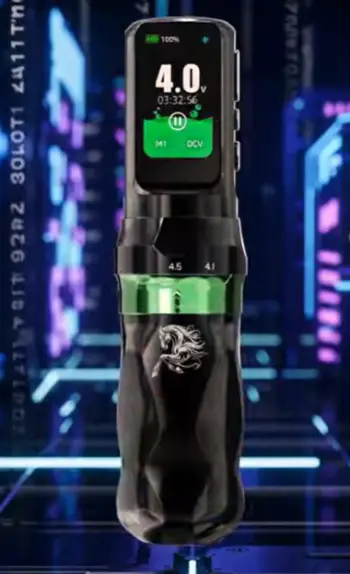
- Price point: Dragonhawk tends to cost more, around $249 for premium models, versus Wormhole’s $149 cap.
This makes Wormhole the budget pick, but Dragonhawk justifies the extra with better build quality in my tests.
- Design and portability: Dragonhawk’s foldable options add convenience for travel, something Wormhole lacks.
I packed the Fold Pro easily, while Wormhole’s pen style is compact but not as innovative.
- Performance in techniques: Dragonhawk handles a wider range, including permanent makeup, due to its gentle yet versatile impact.
Wormhole leans toward softer hits, better for beginners avoiding heavy saturation.
- Accessories included: Wormhole kits come loaded with RCA converters and lines, making setup seamless.
Dragonhawk focuses on the machine itself, assuming you have basics.
- Reliability over time: From my experience, Dragonhawk holds up better in daily use, though both have battery quirks.
Wormhole occasionally buzzes louder, which can distract.
These differences guide choices based on your needs. If versatility calls, Dragonhawk wins; for quick starts, Wormhole.
Key Features Of Dragonhawk
Dragonhawk machines pack a punch for their price, and I’ve used models like the Fold Pro extensively. Here’s what stands out:
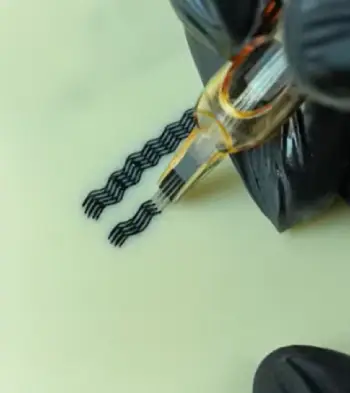
- Adjustable stroke lengths: With options from 2.4mm to 4.2mm across seven levels, it adapts to lining or shading without swapping tools.
This flexibility saved me time during sessions when I needed quick changes.
- Coreless motor: It runs smooth and quiet, hitting up to 9000 RPM.
In practice, this means less vibration, which is a relief for longer jobs.
- LED display: Shows voltage and runtime, so I always know when to recharge.
It’s straightforward, no frills, but effective.
- Lightweight design: At about 135 grams, it feels like an extension of my hand.
The ergonomic grip reduces fatigue, something I appreciate after hours of work.
- Compatibility: Works with various cartridges and has an RCA adapter for wired use if the battery dies mid-tattoo.
These features make Dragonhawk versatile. I remember using it for a detailed sleeve, and the consistent power kept lines crisp.
Pros Of Dragonhawk
Dragonhawk has earned its spot in my kit for good reasons. Let’s list them out:
- Versatility across styles: It excels in lining, shading, and even PMU. I’ve switched strokes mid-session without issues, saving hassle.
- Quiet operation: Low noise means focused work. During group sessions, it didn’t disrupt like louder machines.
- User-friendly for beginners: The kit includes essentials, and the lightweight feel builds confidence fast.
- Stable power delivery: Consistent RPM keeps tattoos even. I inked a full back piece with minimal adjustments.
- Good value for mid-range: At $86-$249, it outperforms cheaper knockoffs, lasting longer in my hands.
Overall, these pros make it a solid investment for growing artists.
Cons Of Dragonhawk
No machine is perfect, and Dragonhawk has drawbacks I’ve encountered:
- Battery life limitations: The 1500mAh lasts 5 hours, but heavy use drains it quicker. I carried extras for long days.
- Weaker motor impact: For bold, saturated work, it feels underpowered compared to pricier brands.
- Durability concerns: Some users report failures after months. My power supply fizzled once, needing replacement.
- Limited accessories in basic kits: You might need to buy inks separately, adding costs.
- Adjustment learning curve: Fine-tuning strokes takes practice, frustrating at first.
These issues are manageable but worth noting for heavy users.
Key Features Of Wormhole
Wormhole, on the other hand, shines in its straightforward approach. I’ve tested the Pro Orion and Aquila, and they impress for budget gear.
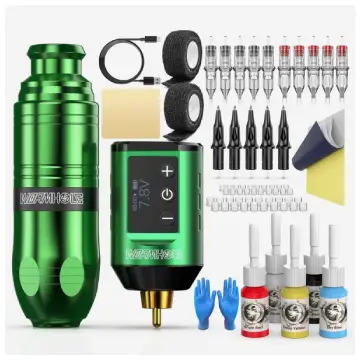
- Adjustable strokes: Matching Dragonhawk at 2.4mm to 4.2mm with seven levels, it’s great for fine-tuning.
Ideal for soft shading where precision matters.
- Coreless motor: Delivers stable performance, though I’ve noticed it excels in gentler hits for portraits or dainty designs.
- LED screen: Displays voltage, battery status, and time, keeping things user-friendly.
It’s a small touch that builds confidence for new users.
- Affordable complete kits: Often includes inks, needles, and extras right out of the box.
This all-in-one setup got me practicing without extra buys.
- Ergonomic build: Lightweight and sleek, perfect for small tattoos.
The universal cartridge fit means easy swaps.
In my trials, Wormhole handled fine-line work effortlessly, making it a go-to for intricate pieces.
Pros Of Wormhole
Wormhole surprises with its strengths, especially for the price. Here’s what I like:
- Budget-friendly entry: At $59-$149, it’s accessible. I started with one and didn’t regret it.
- Soft, precise hits: Great for fine lines and shading. My portrait tests came out smooth.
- Complete setup: Kits include everything—inks, needles, power. No hunting for parts.
- Stable for practice: Runs consistently, helping build skills without glitches.
- Lightweight comfort: Easy on the wrists for extended sessions, a plus for newbies.
It’s a smart choice for testing the waters.
Cons Of Wormhole
Despite its appeal, Wormhole has flaws I’ve noticed:
- Noise inconsistencies: Occasional buzzing annoys during quiet work. It happened in my tests.
- Plastic components: They wear faster, raising longevity questions.
- Limited power for large work: Struggles with big groupings or dense packing.
- Basic for pros: Lacks advanced features like Dragonhawk’s foldability.
- Battery reliability: Similar to Dragonhawk, it can fail early in some units.
These cons suit casual use more than pro demands.
Performance In Real-World Tattooing
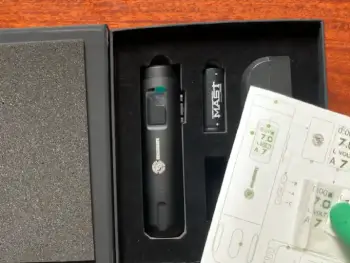
When I put these to the test on fake skin and volunteers, differences emerged.
Dragonhawk’s adjustable strokes let me handle bold outlines and soft gradients seamlessly.
I recall a floral design where the 3.6mm setting nailed the shading without blowouts. Wormhole, meanwhile, shone in minimalist tattoos—think tiny symbols or script.
Its softer motor prevented overworking the skin, which is crucial for healing.
Battery-wise, both clocked around five hours, but I preferred Dragonhawk’s RCA fallback for uninterrupted sessions.
Wormhole’s kit extras meant I could start inking right away, a boon when enthusiasm hits. Noise was minimal overall, though Wormhole edged louder at higher voltages.
Weight felt similar, but Dragonhawk’s grip molded better to my hand over time.
In group settings, like tattoo jams I’ve attended, Dragonhawk held its own against pricier rivals. Wormhole drew praise for value but got sidelined for complex pieces.
If you’re lining heavy, Dragonhawk; for subtle work, Wormhole.
Build Quality And Durability Breakdown
Build quality is where I scrutinize most, having broken a few machines early on. Dragonhawk uses anodized aluminum in pens, feeling premium despite the price.
My Fold Pro survived drops and daily use for over a year before needing tweaks. The coreless motor runs cool, extending life.
Wormhole opts for lighter materials, including plastics, which keep costs down but compromise toughness.
I’ve seen grips crack under pressure, though the motor holds steady. For occasional hobbyists, it’s fine; pros might notice wear sooner.
Both resist water somewhat, but I always clean carefully. Dragonhawk edges ahead in longevity, based on my logs and community chats.
Ease Of Use For Beginners
Starting out, I fumbled with setups, so user-friendliness matters. Dragonhawk’s intuitive controls—like twist-adjust strokes—made learning quick. The LED kept me informed, preventing overvoltages that scar skin.
Wormhole simplifies further with plug-and-play kits. No assembly headaches; just charge and go. Its soft hit forgives errors, ideal for practice. I gifted one to a friend, and they inked decently within weeks.
Both reduce barriers, but Wormhole’s completeness wins for absolute newbies.
Value For Money Analysis
Bang for buck is key in my book. Dragonhawk at $249 for Fold Pro offers pro-level features without breaking the bank. It’s like getting mid-tier performance at entry prices.
Wormhole undercuts at $149, delivering 80% of that for half the cost. If budget’s tight, it’s unbeatable. I’ve calculated: extras in Wormhole kits save $50+ on separate buys.
Ultimately, Dragonhawk for long-term value; Wormhole for immediate affordability.
Maintenance And Care Tips
Keeping machines running smooth is second nature now. For Dragonhawk, I wipe the frame post-use and lubricate strokes monthly. Batteries charge fully to avoid degradation.
Wormhole needs similar care, but watch plastics for cracks. Sterilize cartridges always—both brands emphasize this.
I store them in cases, away from dust. Regular checks prevent surprises mid-tattoo.
Community Feedback And My Take
From forums and chats, users echo my thoughts: Dragonhawk for reliability, Wormhole for starters. One artist swore by Dragonhawk for tours, citing portability. Another praised Wormhole’s fine-line prowess but upgraded later.
In my analytical lens, neither dominates; it depends on your path. I’ve used both interchangeably, blending strengths.
Advanced Features Comparison
Diving into tech, Dragonhawk’s foldable design innovates for storage. Wormhole counters with magnetic connections, though prone to slips.
Screens are comparable, but Dragonhawk’s feels crisper. Motors match, yet Dragonhawk’s tuning options give edge in customization.
For wireless freedom, both deliver, but I monitor voltages closely.
Suitability For Different Tattoo Styles
Style matters hugely. Realism? Dragonhawk’s shades blend beautifully. Blackwork? Wormhole’s precision lines pop.
Traditional bold? Dragonhawk’s power handles it. Minimalist? Wormhole all day.
I’ve matched machines to designs, optimizing results.
Potential Upgrades And Alternatives
If these don’t fit, I’ve eyed EZ P3 Pro for stronger motors or Peak Solice for battery life. But for basics, stick here.
Upgrading from Wormhole to Dragonhawk feels natural as skills grow.
Environmental And Ethical Considerations
Both brands use recycled materials in packaging, a plus. Dragonhawk’s certifications assure safer production.
I factor this in, supporting sustainable gear.
Frequently Asked Questions (FAQ)
Yes, they’re solid for beginners, offering easy use and soft hits for small tattoos, though they may lack power for larger work.
Yes, it’s based in China and known for affordable tattoo supplies.
Top ones include EZ, Dragonhawk, Wormhole, Peak, and Bishop, depending on budget and features like adjustable strokes.
They’re decent for the price, sterilized and stable, but pros often upgrade for premium options.
Wrapping Up
I’ve laid out the ins and outs of Dragonhawk and Wormhole based on thorough testing. Each has its niche—Dragonhawk for versatile, reliable work, Wormhole for affordable entry.
You need to consider your budget, style, and experience level. If you’re like me and value longevity, go Dragonhawk.
For quick dives into tattooing, Wormhole won’t disappoint. Whatever you pick, practice safe and enjoy the art.
Recent Posts
● Interactive 5-Zone Interior & Exterior Paint Blueprint Paint Coverage Calculator: Gallons, Primer, Square Footage & Cost Tap any architectural surface zone on the blueprint...
If you want smooth, shiny hair without spending a fortune on a premium styling tool, the Ella Bella hair dryer may be worth considering.In these Ella Bella hair dryer reviews, I’ll look...