
Evergreen Dwarf Grass Seed promises a thick, green lawn with minimal mowing, quick germination, and year-round beauty.
However, after examining its product claims and available customer feedback, I have several concerns about its reliability, packaging, and overall value. I wouldn’t recommend buying it without stronger evidence of seed quality and dependable customer service.
If you want a healthy lawn, established grass seed brands offer more transparent options worth considering.
My First Experience With Evergreen Dwarf Grass Seed
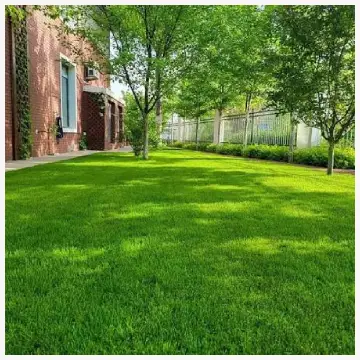
When I first came across Evergreen Dwarf Grass Seed, its promises sounded attractive. Maintaining a beautiful lawn takes time, effort, and money.
Between regular mowing, watering, fertilizing, and repairing bare patches, lawn care can quickly become a demanding responsibility.
So, the idea of planting a special dwarf grass seed that stays green throughout the year and requires very little maintenance naturally caught my attention.
The product is promoted as an easy solution for homeowners who want a dense, attractive lawn without spending hours maintaining it.
Its advertising frequently highlights quick germination, resistance to different weather conditions, shade tolerance, and reduced mowing requirements. Some sellers even suggest that the seeds can produce visible growth within five to seven days.
However, I don’t think attractive advertising should be the main reason to purchase a lawn product.
Grass seed quality depends on several important factors, including the actual grass species, seed freshness, germination rate, growing conditions, and suitability for the local climate.
One of my biggest concerns is that Evergreen Dwarf Grass Seed does not appear to have one consistently identifiable manufacturer or clearly established product formulation.
Similar products are advertised through different online stores, sometimes with different descriptions, packaging claims, and prices.
That makes it difficult to establish whether customers are purchasing the same seed mixture from one seller to another.
Customer feedback also raises questions.
For example, some publicly available customer complaints describe disappointing packaging and concerns about the quantity of seed received.
A reviewer on Trustpilot reported ordering multiple bags but receiving small one-ounce packets, while questioning whether the quantity could realistically cover the advertised lawn area.
Another shopping-platform listing displayed a 2.3 rating from three ratings, with a customer complaining that the bag was much smaller than expected. These reports do not establish that every seller has the same problems, but they are important warning signs.
I also noticed that the marketing claims are sometimes more impressive than the available product information.
A genuine grass seed listing should clearly identify its grass varieties, seed weight, recommended coverage, germination information, and growing conditions. Without those details, buyers have limited ways to evaluate what they are actually receiving.
Another concern is the suggestion that one dwarf grass variety can remain green throughout every season.
Grass growth and color depend heavily on climate. Cool-season grasses and warm-season grasses behave differently, and neither category performs identically in every region.
I would also be careful about assuming that dwarf grass automatically means no mowing. A naturally slow-growing variety may reduce mowing frequency, but it still needs appropriate care.
After considering these factors, my assessment is cautious. Evergreen Dwarf Grass Seed has an appealing concept, but the available evidence doesn’t give me enough confidence to recommend spending money on it.
I would rather choose a clearly identified seed mixture from an established manufacturer than gamble on a product with inconsistent seller information and concerning customer experiences.
Also Read: Is NightShift Grass Seed Worth It?
Pros Of Evergreen Dwarf Grass Seed
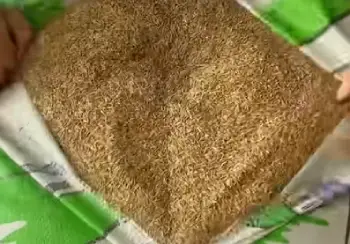
- The Dwarf Grass Concept Is Appealing
The idea of growing shorter grass has genuine practical appeal.
If you have a large garden, mowing can become a repetitive responsibility. A suitable slow-growing grass variety may reduce the frequency of cutting.
I particularly appreciate the idea of maintaining a neat lawn without constantly trimming it.
However, the advertised product needs to demonstrate that it actually contains an appropriate dwarf variety before this benefit can be trusted.
- Potentially Attractive Lawn Appearance
A thick, uniform lawn can improve the appearance of almost any outdoor space.
Whether you have a small residential garden, a backyard, or a decorative landscape, healthy grass creates a pleasant environment.
The product’s marketing focuses on producing a dense green surface rather than scattered patches of grass.
That’s an appealing goal, even though the available evidence doesn’t establish that this particular seed reliably achieves it.
- Convenient Planting Concept
Grass seed is generally easier to distribute than installing an entire lawn using sod.
You can prepare the soil, spread the seeds, cover them lightly, and maintain adequate moisture.
This makes seed-based lawn establishment attractive to homeowners who prefer doing their own gardening.
- Potentially Suitable for Lawn Repairs
Overseeding is a useful method of improving an existing lawn.
If your garden contains thin areas, bare patches, or sections damaged by regular foot traffic, suitable grass seed can help restore coverage.
However, the replacement seed should match the existing grass variety and local growing conditions.
- An Attractive Alternative to Frequent Mowing
The low-growing grass concept is especially appealing to people who dislike spending weekends maintaining their lawns.
A suitable variety can help create a more manageable outdoor space.
Still, I wouldn’t confuse reduced mowing with zero maintenance.
- Appeals to Beginner Gardeners
The product is advertised as straightforward to use, which may appeal to people who have never planted grass seed before.
Beginners generally want a simple process with predictable results.
But simplicity should never come at the expense of product transparency. Clear instructions and identifiable seed varieties are essential.
Cons Of Evergreen Dwarf Grass Seed
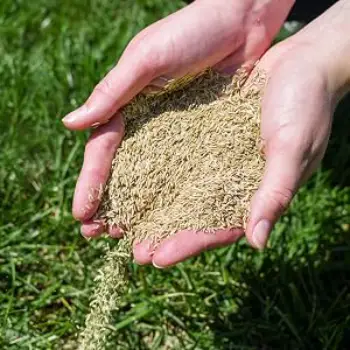
- Unclear Grass Variety Information
My biggest concern is the lack of consistently verifiable information about the exact grass species in the product.
The words dwarf and evergreen describe desirable characteristics, but they don’t identify a botanical variety.
Without knowing the actual seed composition, buyers cannot properly evaluate its suitability.
- Questionable Coverage Claims
Seed coverage is not something manufacturers should estimate casually.
Different grass varieties require different seeding rates. New lawn establishment also requires more seed than ordinary overseeding.
If the package contains less seed than expected, you could end up with thin coverage and additional expenses.
- Customer Complaints About Packaging
The reported complaints about receiving smaller packets instead of the expected quantity are concerning.
I would want clear information about package weight before purchasing.
If a seller cannot provide that information, I would consider it a reason to look elsewhere.
- Unrealistic Germination Expectations
The promise of seeing grass within five to seven days may sound impressive.
However, germination varies by grass species, soil temperature, moisture, and seed quality.
Even when seeds germinate quickly, establishing a durable lawn takes considerably longer.
- No Guarantee of Year-Round Greenery
No grass variety should be assumed to remain perfectly green in every climate.
Different varieties have different temperature requirements and seasonal growth patterns.
A product advertised as suitable for every season should provide convincing evidence of its climate adaptability.
- Uncertain Shade Performance
Growing grass in deep shade is challenging.
Even shade-tolerant grass varieties require suitable environmental conditions.
If your garden receives very little sunlight, you may need a specialized shade-tolerant mixture rather than a general-purpose lawn seed.
Also Read: Comparison Of Scotts Thick’R Lawn And Grass Seed
Maintenance Tips For Evergreen Dwarf Grass Seed
- Prepare the Soil Before Planting
Soil preparation is one of the most important parts of successful lawn establishment.
I wouldn’t simply scatter grass seed over hard, compacted ground and expect a beautiful lawn. Seeds need suitable contact with the soil to absorb moisture and establish roots.
Start by removing weeds, stones, dead grass, and other unwanted materials.
Next, loosen the upper layer of soil using a rake or suitable gardening tool. Break up large clumps and level uneven areas.
If your soil is heavily compacted, consider aerating it before planting.
I also recommend checking the soil pH if possible. Different grass varieties prefer different soil conditions, so understanding your soil can help you choose the right seed and amendments.
- Choose Grass According to Your Climate
This is something I would never overlook.
Grass varieties are not interchangeable. A seed mixture that performs well in a cooler region might struggle in a hot, humid environment.
Cool-season grasses include tall fescue, perennial ryegrass, and Kentucky bluegrass. Warm-season options include Bermuda, Zoysia, Bahia, and St. Augustine.
These varieties have different temperature preferences and seasonal growth patterns.
For example, Jonathan Green explains that cool-season grasses generally grow most actively during spring and fall, whereas warm-season varieties perform best during warmer months.
This is why I would always identify the intended grass species before buying.
- Follow the Recommended Seeding Rate
More seeds don’t necessarily produce a better lawn.
If you spread too much seed, young grass plants may compete for sunlight, moisture, and nutrients.
If you apply too little, the lawn may develop thin areas where weeds can establish themselves.
Always follow the manufacturer’s recommended application rate.
I would also check the coverage information on the package rather than relying on promotional photographs or general advertising claims.
- Water Consistently During Germination
Watering is particularly important during the early stages of grass growth.
Newly planted seeds need consistent moisture to germinate.
I recommend using a gentle spray rather than applying a powerful stream of water that can wash seeds away.
The goal is to keep the upper soil layer moist without creating standing water.
Depending on the weather and soil conditions, light watering may be necessary more than once a day.
Once the seedlings establish stronger roots, you can gradually adjust the watering schedule.
Avoid Walking Over Newly Seeded Areas
I would avoid unnecessary foot traffic immediately after planting.
Walking over freshly seeded ground can disturb seed placement and compact the soil.
This is particularly important if you’re repairing small bare patches in a frequently used backyard.
If you have pets or children, temporarily restricting access can help protect the developing grass.
- Use Fertilizer Carefully
Fertilizer can support lawn establishment, but applying too much can create problems.
Before using any fertilizer, consider your soil condition and the requirements of your selected grass variety.
A starter fertilizer may be appropriate when establishing a new lawn, provided it is suitable for the soil and local regulations.
I wouldn’t automatically apply high-nitrogen fertilizer to every area.
For example, heavily shaded grass generally has different nutritional requirements from grass growing in full sunlight.
Comparison Of Evergreen Dwarf Grass Seed With Other Brands
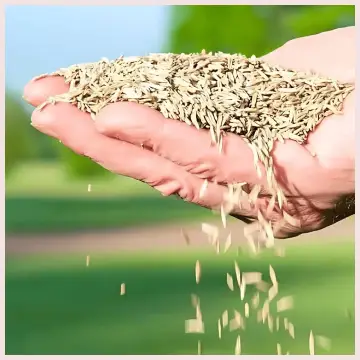
- Evergreen Dwarf Grass Seed vs. Scotts Turf Builder
Best comparison for general lawn establishment and overseeding
Alternative: Scotts Turf Builder
Scotts Turf Builder is a recognizable lawn-care product range with different grass seed mixtures designed for particular growing conditions.
What I appreciate about an established product range is that buyers can select a mixture according to their lawn’s requirements rather than relying on one broad promise.
Scotts products include options for sun, shade, and different lawn conditions.
Compared with Evergreen Dwarf Grass Seed, I would give Scotts the advantage in product identification and the availability of more clearly described product options.
However, you should still check the exact bag because different Scotts products contain different seed varieties.
Evergreen Dwarf Grass Seed vs. Jonathan Green Black Beauty
Best comparison for buyers interested in named grass varieties
Alternative: Jonathan Green Black Beauty
Jonathan Green Black Beauty is another alternative worth considering.
Its range includes different mixtures, such as tall fescue blends and combinations containing Kentucky bluegrass and perennial ryegrass.
For example, Black Beauty Ultra combines tall fescues, Kentucky bluegrass, and perennial ryegrass. The manufacturer describes its germination period as approximately seven to fourteen days.
What makes this option interesting is the more detailed explanation of its seed composition.
Evergreen Dwarf Grass Seed relies heavily on attractive general claims about short growth and year-round greenery. Jonathan Green provides more specific information about the varieties included in its products.
I would favor Jonathan Green when transparent seed composition and identifiable grass characteristics are priorities.
- Dwarf Grass Seed vs. Pennington Smart Seed
Best comparison for purpose-specific lawn mixtures
Alternative: Pennington Smart Seed
Pennington Smart Seed is another established name in the grass seed category.
Its different formulations are designed for particular lawn conditions, including sun and shade requirements.
I like the fact that choosing a purpose-specific mixture gives homeowners a better starting point for matching grass to their environment.
For example, a sunny backyard and a partially shaded garden may need different grass varieties.
Evergreen Dwarf Grass Seed makes broad claims about working in multiple environments, but I would prefer a product with a clearly identified formulation.
Pennington is worth comparing when you want a grass seed designed around your lawn’s particular needs.
- Evergreen Dwarf Grass Seed vs. Outsidepride Fine Fescue
Best comparison for people interested in fine-textured, lower-maintenance grass
Alternative: Outsidepride
Outsidepride offers different grass seed varieties and mixtures, including fine fescue options.
Fine fescues are particularly interesting because certain varieties can perform well in relatively shaded conditions and may require less intensive maintenance once established.
However, fine fescue is not a universal replacement for every lawn.
You need to consider the climate, soil, sunlight, and intended lawn use before choosing it.
I would investigate Outsidepride’s specific fine fescue mixture rather than purchase an unidentified dwarf seed simply because its advertisement promises less mowing.
Also Read: Is Pearl’s Premium Grass Seed Worth It?
Frequently Asked Questions (FAQ)
Yes, certain naturally compact and slow-growing grass varieties can work well. However, results depend on the actual grass species, climate, soil, and maintenance. Not every product advertised as dwarf grass delivers the same results.
You can scatter grass seed, but simply throwing it onto the ground isn’t the best planting method. Prepare the soil, distribute the seeds evenly, lightly cover them when appropriate, and maintain consistent moisture.
Similar products are advertised through various online retailers and independent stores. However, I recommend checking the manufacturer, grass variety, package weight, and customer feedback before purchasing. Established suppliers such as Scotts, Pennington, and Jonathan Green offer identifiable lawn seed products.
The best option depends on your climate, soil temperature, and sunlight conditions. Cool-season grasses generally establish best during suitable spring or fall conditions, while warm-season varieties are generally planted during warmer growing periods. Always choose a variety appropriate for your region.
Final Verdict
After evaluating Evergreen Dwarf Grass Seed, I wouldn’t recommend purchasing it.
Although its promises of short growth, quick germination, and year-round greenery sound appealing, the unclear seed composition, questionable coverage claims, and concerning customer feedback make it difficult to trust.
I would rather spend my money on an established grass seed brand that provides identifiable varieties, transparent packaging, and realistic growing instructions.
A beautiful lawn starts with choosing the right seed, not believing every attractive advertisement.
Recent Posts
TIBO Titanium Cutting Board promises a modern alternative to traditional wooden and plastic chopping boards.Its titanium surface, dual-sided design, and additional kitchen features sound...
Insta Surge XL Gummies are marketed as a convenient male enhancement supplement intended to support stamina, energy, confidence, and overall male vitality.However, after examining the available...