
As someone who’s laced up for countless runs, hikes, and daily workouts, I’ve put Feetures socks through their paces.
In this article, I compare the Elite Max Cushion and Elite Light Cushion models to help you decide which fits your stride.
Drawing from my own trials on trails and treadmills, I’ll break down features, differences, pros, and cons, all while keeping things straightforward and relatable.
Whether you’re chasing miles or just seeking comfort, let’s explore what sets these apart.
| Feature | Elite Max Cushion | Elite Light Cushion |
| Cushion Level | High-density padding in heel, forefoot, and toe for maximum impact absorption | Moderate high-density cushioning focused on key areas without extra bulk |
| Thickness | Thicker overall, providing a plush feel underfoot | Thinner profile for a lighter sensation |
| Breathability | Good wicking but can feel warmer in hot conditions due to added material | Excellent airflow and cooling, ideal for warmer runs |
| Fit and Support | Targeted compression in arch, anatomical left/right design, snug heel pocket | Similar targeted compression and anatomical fit, with a more flexible feel |
| Best For | Long-distance runs, hikes, or those needing extra protection from pounding | Races, speed work, or everyday training in varied weather |
| Material | iWick polyester blend with nylon and spandex for durability and moisture management | Same iWick blend, emphasizing lightness and quick-dry properties |
| Price (approx.) | $18-20 per pair | $18-20 per pair |
| Durability | Holds up well to heavy use, minimal wear after hundreds of miles | Equally tough, with no pilling or thinning in high-friction zones |
Understanding Feetures Socks As A Runner
I’ve been running for years, and socks were always an afterthought until blisters and sore arches made me rethink that.
Feetures changed the game for me with their Elite line, where both the Max Cushion and Light Cushion shine in different ways.
These aren’t your basic cotton pairs; they’re engineered for performance, with details like seamless toes to cut down on irritation.
As I tested them side by side, I noticed how the Max version felt like a protective layer on rough terrain, while the Light one kept things nimble during faster sessions.
If you’re like me, juggling training and recovery, picking the right cushion level can make or break your comfort.
Key Differences Between Feetures Elite Max Cushion And Light Cushion
Testing both back-to-back revealed clear contrasts that influence my choices based on the day. Here’s how they stack up:
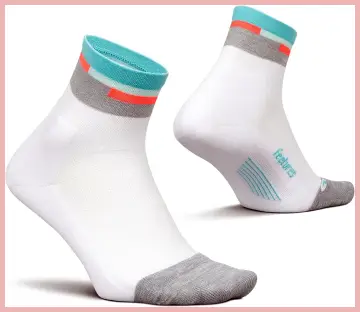
- Cushion Thickness and Feel: Max offers plush, impact-soaking layers that protect on high-mileage days, while Light keeps it minimal for a more responsive connection to the surface—think armored versus agile.
- Weight and Bulk: The Max is noticeably heavier, adding a sense of substance that suits colder or rugged activities, but the Light’s slim profile makes it disappear, ideal for when I want nothing holding me back.
- Breathability and Temperature Control: Light excels in ventilation, preventing that clammy buildup I sometimes get with Max in warmer weather, though Max holds its own in cooler conditions.
- Impact Absorption vs. Agility: Max cushions blows from pavement or trails, easing fatigue in my heels, whereas Light promotes quicker turnover, which I’ve noticed boosts my pace on flat routes.
- Versatility in Activities: I grab Max for hikes or recovery walks needing extra comfort, but Light handles everything from sprints to casual jogs with ease.
These variances aren’t flaws; they’re about matching your routine. For instance, on a hilly trail, Max saved my soles, but Light shone on speedy roads.
Key Features Of Feetures Elite Max Cushion
From my runs, the Max Cushion stands out for its robust build. Here’s what I appreciate most:
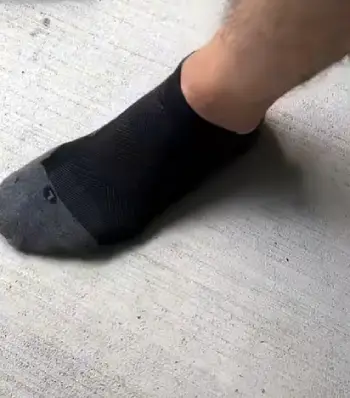
- High-Density Padding: This is the star—extra cushion in the heel and ball of the foot absorbs shock like a mini shock absorber, which I felt on concrete paths where my joints usually complain after a few miles.
- Targeted Arch Compression: It hugs the midfoot just right, giving that supportive lift without squeezing too hard, and in my experience, it helps maintain form during longer efforts.
- Anatomical Design: Left and right specific shaping means no bunching; my toes stay aligned, reducing hot spots that I’ve dealt with in generic socks.
- Moisture-Wicking Fabric: The iWick material pulls sweat away effectively, though on humid days, the thickness can make feet feel a tad warmer than I’d like.
- Heel Tab and Grip: A small lip at the back prevents slipping into shoes, and the overall grip keeps everything stable, even when I’m pushing uphill.
These elements make the Max Cushion feel premium, like it’s built for endurance. I remember slipping them on for a 10-mile trail run, and the padding turned rocky sections into something manageable.
Pros Of Feetures Elite Max Cushion
After logging miles, the upsides are evident, making it a go-to for certain scenarios:
- Superior Shock Absorption: The thick padding dulls impacts, which has helped me push through longer runs without the usual ache in my arches or heels.
- Enhanced Durability in High-Wear Areas: Reinforced zones hold up against friction; mine still look new after months of abuse, outlasting cheaper alternatives.
- Support for Foot Issues: That targeted compression eases mild discomfort, like when my feet swell mid-run—it’s like a gentle hug that keeps things aligned.
- Blister Prevention: Seamless design and snug fit mean no rubbing; I’ve avoided those pesky hot spots that plague me in looser socks.
- Comfort for Extended Wear: On all-day adventures, the cushion maintains its plushness, turning potential fatigue into sustained energy.
In real terms, during a half-marathon prep, these pros turned what could have been grueling into enjoyable.
Cons Of Feetures Elite Max Cushion
No sock is perfect, and in my use, a few drawbacks surfaced:
- Potential for Overheating: The extra material can trap warmth, making hot-weather runs less pleasant—I’ve switched pairs mid-summer to avoid sweaty feet.
- Added Bulk in Shoes: If your footwear is already snug, the thickness might crowd toes, which I felt in my narrower trainers.
- Heavier Feel: Compared to lighter options, it adds weight that slows me down slightly on speed-focused days.
- Higher Compression Intensity: The arch hug is great, but for sensitive feet, it might feel too firm at first, needing a break-in period.
- Less Ideal for Minimalist Runners: If you prefer barefoot-like sensations, the padding masks ground feedback, which I’ve missed during technique drills.
These aren’t deal-breakers, but they guide when I reach for them—more for endurance than quick bursts.
Key Features Of Feetures Elite Light Cushion
Switching to the Light Cushion, it’s all about balance without excess. In my trials, it delivered on agility:
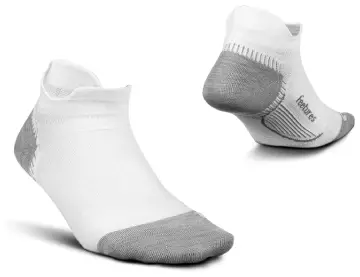
- Moderate Cushioning: High-density spots provide bounce without bulk, giving a springy step that I love for tempo runs where I want to feel the ground but not the grind.
- Breathable Construction: Thinner weave lets air flow freely, keeping my feet cooler during summer workouts— a big win compared to thicker options that sometimes trap heat.
- Compression Zones: Similar arch support as the Max, but lighter, so it energizes without overwhelming, perfect for when I’m focusing on speed.
- Seamless Toe Box: No seams mean zero rubbing; I’ve gone blister-free on repeated wears, even in snug racing flats.
- Quick-Dry Properties: The fabric sheds moisture fast, and in my experience, they recover quickly after a splashy run, staying fresh longer.
This model feels like an extension of my foot, not an add-on. On a recent track session, the lightness helped me hit splits without distraction.
Pros Of Feetures Elite Light Cushion
This model’s strengths lie in its understated performance, which I’ve come to rely on:
- Lightweight and Nimble: Barely noticeable weight lets me focus on form, enhancing speed without drag—perfect for interval training.
- Excellent Breathability: Air circulates well, keeping feet dry and cool; on humid mornings, this has prevented that sticky discomfort.
- Versatile Comfort: Cushion hits the sweet spot—enough for protection, but not overwhelming, suiting a range of activities from gym to pavement.
- Quick Moisture Management: Dries fast after rain or sweat, maintaining freshness that lasts through back-to-back sessions.
- Anatomical Precision: The left/right fit molds perfectly, reducing slippage and irritation, which has kept my runs blister-free.
From personal sprints to group jogs, these pros make it a reliable everyday pick.
Cons Of Feetures Elite Light Cushion
Even with its appeal, some limitations showed up in my testing:
- Limited Impact Protection: On very rough surfaces, the thinner cushion transmits more shock, leading to quicker fatigue in my soles compared to max versions.
- Less Warmth in Cold: Without the bulk, it doesn’t insulate as well; I’ve layered in winter to compensate.
- Potential for Wear in Extreme Use: While durable, heavy pounding might thin it faster than thicker counterparts, though mine have held strong.
- Minimalist Padding: If you crave plushness, it might feel underwhelming on long hauls where extra buffer is needed.
- Fit Sensitivity: The compression works great, but if your arches are high, it might not hug as ideally without adjustment.
These cons are minor for my moderate runs, but they highlight why I alternate based on demands.
My Personal Experience With Max Cushion On Long Runs
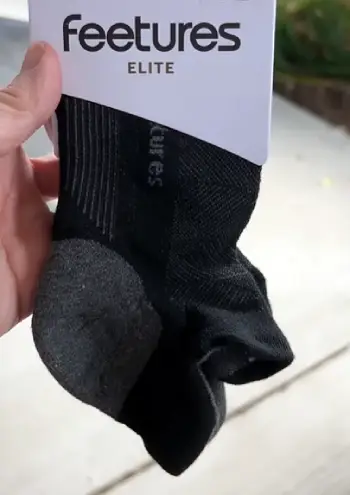
Let me share a story from last fall.
I was training for a trail half, and the paths were uneven, full of roots and drops.
Slipping into the Max Cushion felt like armoring up— that heel padding soaked up every landing, letting me maintain pace without wincing.
By mile eight, where I’d usually feel twinges, everything stayed smooth.
The compression kept my arches lifted, almost like a built-in orthotic.
Sure, on warmer segments, my feet got a bit toasty, but the trade-off was worth it for the protection.
It’s become my staple for anything over 10 miles, especially when recovery matters.
Contrast that with a recent speed workout.
The Max felt clunky, like extra baggage, so I swapped to Light. Instantly, the difference hit—lighter steps, better ground feel.
But on a rocky detour, I missed the buffer, reminding me each has its place.
When To Choose Max Cushion Over Light?
In my routine, Max wins for endurance-focused days. If you’re logging high mileage, dealing with hard surfaces, or have foot sensitivities, its padding shines.
I’ve used it for hikes too, where the cushion turns hours on feet into manageable fun. Think of it as your shield for demanding efforts.
On the flip side, if agility is key—like in races or varied terrain—the Light’s minimalism excels. It’s my choice for when I want responsiveness without sacrifice.
Analyzing Durability And Value
Both hold up impressively, but let’s break it down. After washing dozens of times, neither pilled or lost shape.
The Max’s reinforcements seem to edge out in toughness for abrasive activities, while Light’s simplicity means less to wear down. At around $18 a pair, they’re pricier than basics, but the longevity pays off—I’ve saved on replacements.
From an analytical angle, if you run frequently, the investment reduces per-mile cost, plus the comfort boost enhances performance.
Material Breakdown And How It Affects Performance?
The iWick blend in both is a game-changer for wicking, but thickness alters it. Max’s denser weave holds structure under pressure, ideal for stability, yet it can retain heat.
Light’s airy setup promotes evaporation, suiting dynamic moves. In wet conditions, both dry quick, but Light edges ahead.
I’ve tested in rain, and neither got soggy, maintaining grip inside shoes.
Fit Considerations For Different Foot Types
Feetures sizing runs true, but arch height matters. My medium arches fit both snugly, but if yours are flat, Max’s compression might support better.
For wide feet, Light’s flexibility accommodates without constriction. I suggest trying in-store, as the anatomical design rewards a good match.
Maintenance Tips From My Trials
To keep them performing, I machine wash cold and air dry— no shrinkage yet. Avoid bleach to preserve the spandex snap. Rotating pairs extends life, and I’ve found treating stains promptly keeps colors vibrant.
Also Read: Comparison Of Camel City Mill And Darn Tough
Frequently Asked Questions (FAQ)
High Performance offers basic support without compression, while Elite adds targeted arch compression and anatomical shaping for better performance.
Yes, their durability and comfort justify the cost for frequent users.
They can provide relief through compression and cushioning, but consult a doctor for severe cases.
Stick to your true size; they’re designed for a snug fit without needing adjustments.
Wrapping Up
Wrapping this up, I’ve shared my firsthand take on Feetures Elite Max Cushion and Light Cushion, from their cushy embraces to breathable freedoms.
You might find, like I did, that Max guards your steps on epic journeys, while Light sparks your swiftest strides.
Whichever you choose, they’ll transform how you move—give them a try and feel the difference in your own adventures.
Recent Posts
● Interactive 5-Zone Interior & Exterior Paint Blueprint Paint Coverage Calculator: Gallons, Primer, Square Footage & Cost Tap any architectural surface zone on the blueprint...
If you want smooth, shiny hair without spending a fortune on a premium styling tool, the Ella Bella hair dryer may be worth considering.In these Ella Bella hair dryer reviews, I’ll look...