
If you’re looking for a dependable sewing machine that won’t overwhelm you with complicated features, I believe the Janome 2212 is worth considering.
It combines simplicity, durability, and consistent stitch quality at a budget-friendly price, making it an excellent choice for beginners and casual sewists.
After spending plenty of time using it for different projects, I found that it offers excellent value for anyone who wants to learn sewing or complete everyday projects without frustration.
My Personal Experience With The Janome 2212
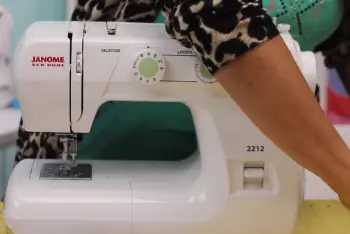
When I first unpacked the Janome 2212, I immediately noticed how lightweight it was.
I had expected a budget-friendly machine to feel flimsy, but instead, it felt surprisingly sturdy.
It wasn’t overly heavy, yet it stayed stable on my sewing table while I worked.
The setup was straightforward. Even if you’re completely new to sewing, the instruction manual explains the threading process clearly.
Within a short time, I had the machine threaded and was ready to test it on different fabrics.
I started with basic cotton fabric because that’s what most beginners use. Right away, I noticed how smooth the stitching looked.
The stitches appeared even without constant adjustments, which gave me confidence to keep experimenting.
After several practice projects, I moved on to denim hems. While the Janome 2212 isn’t designed for industrial sewing, it handled two layers of denim surprisingly well when I used the correct needle.
I wouldn’t recommend forcing multiple thick layers through the machine, but for occasional repairs, it performed better than I expected.
One thing I appreciated most was how quiet the motor remained. I’ve used machines that produce loud vibrations, but this one maintained a comfortable noise level throughout longer sewing sessions.
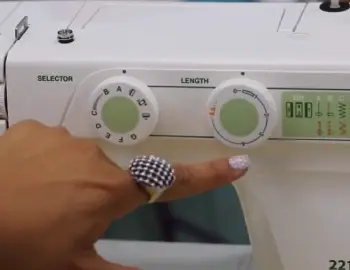
Changing stitches was another pleasant surprise. Instead of navigating complicated electronic menus, I simply turned the dial. That mechanical simplicity made sewing feel enjoyable rather than stressful.
Buttonholes also came out consistently. Since the machine includes a four-step buttonhole function, I had more control over each step. It took a little practice initially, but after making a few samples, the results looked neat.
The free arm proved incredibly useful when sewing sleeves and pant legs. I didn’t realize how valuable this feature would become until I started altering clothes.
Of course, no sewing machine is perfect. The Janome 2212 lacks advanced conveniences like automatic thread cutting, speed adjustment, programmable stitches, and automatic needle threading. During long sewing sessions, manually threading the needle occasionally became frustrating, especially in dim lighting.
Overall, my experience has been overwhelmingly positive. Rather than trying to impress users with dozens of unnecessary features, the Janome 2212 focuses on doing the basics exceptionally well.
If you’re someone who values reliability over flashy technology, I think you’ll appreciate its straightforward design just as much as I did.
Key Features Of Janome 2212
The Janome 2212 offers twelve built-in stitches that cover everyday sewing needs. Whether you’re repairing clothing, hemming curtains, creating pillow covers, or making simple garments, you’ll likely find the stitch you need.
Its stitch selector dial makes choosing patterns incredibly simple. Instead of scrolling through menus, you simply rotate the dial to your desired stitch.
The adjustable stitch length and width provide enough flexibility for most home sewing projects. I enjoyed being able to customize stitches depending on the fabric I was working with.
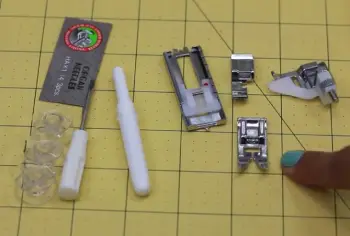
Another feature I found helpful was the snap-on presser feet. Swapping feet takes only a few seconds, allowing you to move quickly between different sewing tasks.
The free arm also deserves recognition because it makes sewing cylindrical items far easier than using a completely flat sewing surface.
Perhaps the biggest feature isn’t a feature at all—it’s reliability. The machine consistently produced clean stitches without requiring constant adjustments.
Performance On Different Fabrics
For lightweight cotton, quilting fabric, linen, and polyester blends, the Janome 2212 performs beautifully. Feed movement remains consistent, reducing fabric bunching.
Medium-weight fabrics like canvas, fleece, and home décor materials also sew smoothly with the appropriate needle.
Stretch fabrics require more attention since the machine doesn’t include specialized stretch settings found on higher-end models. Using the correct needle and stitch selection improves results considerably.
Heavy denim and multiple thick layers can push the machine toward its limits. While occasional heavy-duty repairs are manageable, it isn’t intended for commercial sewing.
Pros Of Janome 2212 Sewing Machine
- Beginner-Friendly Design
What impressed me most is how unintimidating this machine feels.
If you’ve never sewn before, you’ll appreciate that you can focus on developing your skills instead of figuring out complicated settings.
Everything is clearly labeled, and every adjustment feels logical.
I never felt overwhelmed while using it, and I believe you’ll gain confidence much faster with a machine like this than with one loaded with advanced technology.
- Excellent Stitch Quality
Consistent stitches are one of the biggest strengths of the Janome 2212.
Throughout my projects, I rarely experienced skipped stitches when using the proper needle and thread.
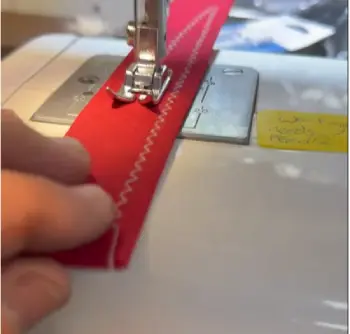
Whether I was sewing straight seams or decorative patterns, the finished results looked neat and professional enough for everyday garments and home décor.
- Durable Construction
Although the machine is affordable, it doesn’t feel cheaply made.
The frame provides good stability during sewing, reducing vibration.
I appreciate knowing that it can handle regular use without feeling like it’s going to wear out after a few months.
- Easy Stitch Selection
Instead of complicated digital controls, you simply rotate a mechanical dial.
I found this much faster than navigating electronic menus.
It also means fewer electronic components that could potentially fail over time.
- Reliable Feed System
One thing that stood out during my testing was how evenly the fabric moved beneath the presser foot.
Proper feeding helps produce straighter seams and reduces frustration, especially if you’re still improving your sewing skills.
Even when working with slippery fabrics, I noticed consistent movement that helped keep my stitching accurate.
- Comfortable for Long Sewing Sessions
Because the controls are simple and the machine runs smoothly, I found myself sewing for extended periods without constantly stopping to troubleshoot.
That made the overall experience much more enjoyable.
If you’re planning to work on quilts, clothing alterations, or weekend craft projects, you’ll appreciate how effortless it feels.
- Great Value for Money
For its price range, the Janome 2212 offers an impressive balance of quality, durability, and performance.
You aren’t paying for unnecessary technology you’ll never use. Instead, you’re investing in dependable stitching and reliable mechanics.
For beginners or hobbyists, that’s often a smarter purchase than buying an expensive computerized machine filled with features that remain untouched.
- Portable Yet Stable
I also liked how easy it was to move the machine from one room to another.
Despite being lightweight enough for portability, it stayed firmly in place while sewing.
That balance makes it practical if you don’t have a permanent sewing space and need to store your machine after each use.
Cons Of Janome 2212 Sewing Machine
- No Automatic Needle Threader
This is probably the feature I missed the most. Manually threading the needle isn’t difficult, but it does take a little patience, especially if your eyesight isn’t perfect or you’re working under dim lighting.
- Limited Stitch Selection
Twelve stitches cover most everyday sewing tasks, but advanced sewists may eventually want decorative stitches, alphabet stitching, or quilting functions that this machine simply doesn’t offer.
- Not Designed for Heavy-Duty Projects
Although it handles occasional denim repairs, sewing through multiple layers of thick leather or upholstery fabric isn’t its specialty. If those are your primary projects, you’ll likely need a more powerful machine.
- Basic Accessories
The included accessories cover the essentials, but experienced users may eventually purchase additional presser feet and specialty attachments separately.
Maintenance Tips For Janome 2212 Sewing Machine
- Clean Lint After Every Major Project
The bobbin area naturally collects lint with regular sewing.
I make it a habit to remove the needle plate after larger projects and gently brush away accumulated fibers.
This simple routine keeps the feed dogs moving smoothly and helps maintain consistent stitch quality.
- Use High-Quality Thread
One lesson I learned early is that thread quality matters more than many beginners realize.
Cheap thread tends to shed excess lint and may break more often, leading to unnecessary interruptions.
Using a reputable thread brand helps the machine run cleaner and produces stronger, more attractive seams.
- Replace Needles Regularly
Even if a needle doesn’t look damaged, it gradually becomes dull with use.
I usually replace mine after several projects or immediately if it strikes a pin.
A fresh needle reduces skipped stitches, prevents fabric snags, and protects the machine from unnecessary strain.
- Choose the Correct Needle for Each Fabric
Different materials require different needle types.
Universal needles work well for most woven fabrics, ballpoint needles are better for knits, and denim needles are designed for thicker materials.
Matching the needle to your fabric makes sewing smoother and extends the life of the machine.
- Oil the Machine When Recommended
Following the maintenance instructions in the manual helps keep the internal components moving freely.
If your specific model requires oiling, use only sewing machine oil and apply it sparingly in the recommended locations.
- Cover the Machine When Not in Us
Dust can settle inside the machine over time, especially if it sits unused.
I always place a dust cover over it after sewing, and it’s a simple habit that helps keep the internal mechanisms cleaner.
- Avoid Forcing Thick Fabrics
If the machine struggles with a thick seam, don’t pull the fabric from behind.
Let the feed dogs do the work. Forcing material through can bend needles, throw off timing, or damage internal parts.
- Check Thread Tension Before Starting
Whenever I switch fabrics or thread types, I sew a few test stitches on scrap material. This small step saves time later by preventing uneven stitching on the actual project.
- Store It Properly
If you need to move or store the machine, keep it in a dry place away from moisture and extreme temperatures. Proper storage helps preserve both the exterior finish and the internal components.
- Schedule Occasional Professional Servicing
Even reliable mechanical sewing machines benefit from occasional professional maintenance. Having the machine inspected every few years keeps it running smoothly and can identify small issues before they become expensive repairs.
Comparison Of Janome 2212 With Other Brands
- Janome 2212 vs Brother
Brother sewing machines often include more computerized features at similar prices, such as automatic needle threaders and additional decorative stitches.
However, I found the Janome 2212 to feel more mechanically solid and dependable for straightforward sewing.
If simplicity and durability matter more than electronics, I’d choose the Janome.
- Janome 2212 vs Singer
Singer has a long-standing reputation and offers many beginner-friendly machines.
From my experience, the Janome 2212 delivers smoother stitch consistency and quieter operation, while some comparable Singer models provide a few extra convenience features.
Your choice depends on whether you prioritize mechanical reliability or additional built-in functions.
- Janome 2212 vs Brother XM2701
The Brother XM2701 offers more stitches and an automatic needle threader, making it attractive for beginners who want extra convenience.
The Janome 2212, on the other hand, feels sturdier during use and gives me greater confidence when tackling everyday sewing projects.
It focuses on dependable performance rather than a longer feature list.
- Janome 2212 vs Singer Heavy Duty Series
If your projects regularly involve canvas, upholstery, or multiple layers of denim, the Singer Heavy Duty models have the advantage thanks to their stronger motors.
For garment sewing, alterations, quilting, and everyday household projects, I believe the Janome 2212 provides a smoother and more beginner-friendly experience.
- Is the Janome 2212 Worth Buying?
After spending considerable time using this machine, I genuinely think it earns its positive reputation.
It isn’t packed with modern technology, but that’s actually part of its appeal. Instead of distracting you with endless settings, it helps you focus on sewing itself.
If you’re a beginner, casual hobbyist, student, or someone returning to sewing after many years, I think you’ll appreciate its reliability, ease of use, and consistent results.
More experienced sewists who need advanced embroidery functions or industrial-level power may eventually outgrow it, but for everyday sewing, it remains an excellent investment.
Also Read: Is Happy Japan Embroidery Machine Worth It?
Frequently Asked Questions (FAQ)
The most common issues include thread tension problems, broken needles, lint buildup around the bobbin area, and occasional skipped stitches caused by incorrect threading or worn needles.
The Janome 2212 typically sells between $180 and $250, depending on promotions and the retailer.
Many experienced sewists consider the Janome HD3000 and Janome Memory Craft series among the brand’s most reliable models, while the Janome 2212 is highly regarded for dependable everyday use.
With proper maintenance and regular servicing, a Janome sewing machine can easily last 20 years or more.
Wrapping Up
After using the Janome 2212 for a variety of sewing projects, I can confidently say it’s one of the best beginner-friendly mechanical sewing machines available.
It delivers dependable stitching, solid construction, and an easy-to-use design without unnecessary complexity.
If you want a machine that helps you build confidence while producing consistent results for years, I believe the Janome 2212 is a purchase you’ll be happy you made.
Recent Posts
● Interactive 5-Zone Interior & Exterior Paint Blueprint Paint Coverage Calculator: Gallons, Primer, Square Footage & Cost Tap any architectural surface zone on the blueprint...
If you want smooth, shiny hair without spending a fortune on a premium styling tool, the Ella Bella hair dryer may be worth considering.In these Ella Bella hair dryer reviews, I’ll look...