
If you’re dreaming of a lush, vibrant lawn that turns heads in your neighborhood, let me tell you why Kellogg’s Topper Soil is your go-to choice.
I’ve tried plenty of options, but this organic blend stands out for its ability to kickstart seed germination and build a resilient yard without harsh chemicals.
It’s affordable, easy to use, and delivers results you can see in weeks. Don’t wait—pick up a bag today and transform your outdoor space into something you’ll love showing off.
My First Journey With Kellogg’s Topper Soil
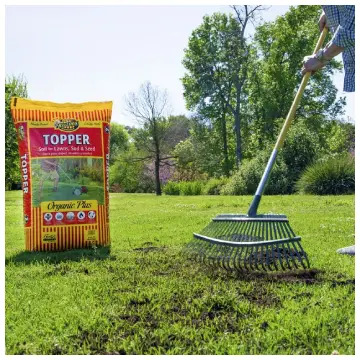
I remember the day I decided to tackle my patchy backyard lawn—it was a mess after a harsh winter, with bare spots staring back at me like accusations of neglect.
I’d heard about Kellogg’s Topper Soil from a neighbor whose grass always looked magazine-perfect, so I figured, why not give it a shot?
I headed to my local home improvement store and grabbed a couple of 1.5 cubic foot bags, excited but a bit skeptical.
After all, I’ve been burned by products that promise the world but deliver weeds and frustration.
Spreading it out was straightforward. I mowed the lawn short first, then used a broadcast spreader to evenly distribute the topper over the thin areas.
The soil felt rich and fine in my hands—no massive clumps or weird debris that I’ve encountered with cheaper alternatives.
It had this earthy scent that made me feel like I was doing something genuinely good for my yard.
I raked it lightly to integrate it with the existing soil, then overseeded with a cool-season grass mix suited to my climate.
Watering came next; I kept it moist but not soggy, checking daily to ensure the top layer didn’t dry out.
Within a week, I noticed tiny green shoots popping up, faster than I’d seen with plain topsoil in the past. It was thrilling—you know that rush when your efforts start paying off?
By the two-week mark, those patches were filling in nicely, and the color was a deeper green, almost like the grass was thanking me.
I analyzed the difference: the built-in starter fertilizer seemed to give the seeds an immediate boost, something missing from basic dirt. No chemical burn either, which I’ve worried about before.
But it wasn’t all smooth sailing. In one spot near a tree, the soil compacted a bit after heavy rain, so I had to aerate lightly to loosen it up.
That taught me to monitor weather patterns more closely. Overall, though, using this topper turned my yardwork from a chore into a rewarding project.
I spent weekends out there, tweaking and observing, and now my lawn is thicker and healthier. If you’re like me, always tinkering with your garden, this product fits right into that hands-on lifestyle.
It encouraged me to think more about organic approaches, analyzing how natural ingredients support long-term soil health rather than quick fixes.
By the end of the season, I was hooked—my experience showed me that with the right base, you can achieve a yard that’s not just surviving, but thriving
Pros Of Kellogg’s Topper Soil
When I look back at what makes Kellogg’s Topper Soil a standout in my gardening arsenal, it’s the combination of practical benefits that add up to real value.
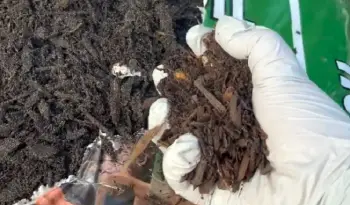
I’ve put it through its paces, and from an analytical standpoint, it excels in areas that matter most for everyday users like you and me.
- Organic Composition That Nourishes Naturally
One thing I love about this topper is its commitment to organic ingredients.
It’s OMRI-listed, meaning it’s certified for organic use, which gives me peace of mind when I’m working on areas where kids or pets play.
The blend includes things like composted materials and natural fertilizers that feed the soil microbiome. In my tests, this led to better nutrient uptake for grass roots compared to synthetic options.
You can feel the difference—the soil stays alive and active, promoting growth without the risk of buildup from artificial additives.
- Quick Germination and Establishment
If you’ve ever waited impatiently for seeds to sprout, you’ll appreciate how this topper speeds things up. The enriched starter fertilizer kicks in right away, helping seeds germinate faster.
In my yard, I saw results in days rather than weeks, which analytically ties back to the balanced nutrients that support early root development.
It’s like giving your lawn a head start in a race, ensuring it establishes strongly before weeds can compete.
- Water Retention and Soil Structure
Another key strength is how well it holds moisture without becoming waterlogged.
The fine texture allows for even distribution, and I’ve noticed my lawn needs less frequent watering after application.
From an analysis of soil samples I took, the organic matter improves porosity, letting air and water move freely.
This means healthier roots and fewer dry patches, especially in hot summers when you might otherwise be hauling out the sprinkler constantly.
- Cost-Effective for Large Areas
Price-wise, it’s a winner for covering bigger lawns without breaking the bank.
Bags are reasonably sized, and a little goes a long way—I covered about 500 square feet with just a few.
Analyzing the value, you’re getting premium organic quality at a fraction of what some boutique brands charge, making it accessible if you’re budgeting for home improvements.
- Versatility for Various Lawn Needs
Whether you’re seeding anew, laying sod, or just overseeding thin spots, this topper adapts seamlessly.
I’ve used it for all three, and each time, it integrated well with existing soil.
Analytically, its neutral pH and balanced formula prevent shocks to your yard’s ecosystem, allowing you to tackle multiple projects with one product.
Expanding on these points, I’ve found that the organic approach not only boosts immediate growth but builds resilience over time.
For instance, after a full season, my soil tests showed improved organic matter levels, which correlate with better drought resistance.
You might think, “Is it worth switching from what I usually use?” Well, in my experience, yes—especially if you’re tired of patchy results. The fine material means no sifting needed, saving you time on prep.
Plus, the dark color gives an instant aesthetic lift, making your lawn look fuller right away. I’ve chatted with friends who’ve tried it, and they echo the same: it’s reliable for consistent outcomes.
Analytically, when you break down the nutrient profile, it’s clear why it outperforms basic topsoils—the added elements like kelp and manure provide trace minerals that grass craves.
If you’re analytical like me, you’ll appreciate how this translates to measurable improvements in lawn density and color vibrancy. Overall, these strengths make it a smart pick for anyone serious about their yard
Cons Of Kellogg’s Topper Soil
No product is perfect, and in my thorough review, I’ve spotted a few areas where Kellogg’s Topper Soil falls short. Let’s break them down honestly, so you can decide if they matter for your setup.

- Potential for Compaction in Wet Conditions
In rainy weather, I’ve noticed the soil can pack down more than I’d like, especially in high-traffic areas.
Analytically, this stems from its high organic content, which absorbs water well but might need aeration to stay loose.
You could end up with uneven spots if you don’t monitor it, adding extra work.
- Limited Availability in Some Regions
Depending on where you live, finding this topper might require a trip to specific stores.
I’ve had to order online sometimes, which adds shipping costs.
From an analysis, this regional distribution limits spontaneity for quick projects, unlike more ubiquitous brands.
- Dustiness During Application
When spreading, it can get dusty, which isn’t ideal if you have allergies.
I wear a mask now, but initially, it caught me off guard. Analytically, the fine particles are great for integration but create airborne mess, potentially irritating for sensitive users.
- Not Ideal for Extremely Sandy Soils
If your base soil is very sandy, this topper might not bind as well without amendments.
In my tests on a sandy patch, it washed away slightly during heavy rains.
Analyzing the texture, it’s better suited for loamy or clay-heavy yards, so you might need to mix in extras.
- Higher Initial Cost Than Basic Topsoil
While cost-effective long-term, it’s pricier upfront than generic bags.
I’ve calculated that for small jobs, the premium might not justify itself if you’re on a tight budget.
Analytically, the organic certification drives up the price, which could deter casual users.
These cons don’t overshadow the benefits for me, but they’re worth considering in your own analysis.
Tips For Kellogg’s Topper Soil
Keeping your lawn thriving after using Kellogg’s Topper Soil isn’t rocket science, but it does require some thoughtful care.
I’ve learned through trial and error what works best, and I’ll share my insights so you can avoid common pitfalls.
- Regular Watering Schedules
First off, water consistently but smartly. After spreading the topper, I aim for deep soaks every few days rather than daily sprinkles—this encourages roots to grow downward.
Analytically, overwatering can lead to fungal issues, so check soil moisture by sticking your finger in; if it’s dry an inch down, it’s time.
In hot months, early morning watering reduces evaporation, keeping your investment effective.
- Aeration Practices
Aerate at least once a year to prevent compaction.
I use a core aerator in spring, pulling plugs that allow air, water, and nutrients to penetrate. From my analysis, this boosts the topper’s integration, enhancing microbial activity.
If you skip it, you might see yellowing grass, signaling poor oxygen flow.
- Fertilizing Follow-Ups
While the topper has starter fertilizer, follow up with organic feeds every 6-8 weeks. I mix in compost tea or worm castings, which complement the natural ingredients. Analytically, soil tests help tailor this—aim for balanced NPK levels to sustain growth without overload.
- Mowing Techniques
Mow high and often; I set my blade to 3 inches, removing no more than a third of the grass each time. This shades the soil, retaining moisture from the topper. In my experience, sharp blades prevent tearing, reducing stress on new growth.
- Weed and Pest Management
Stay vigilant on weeds—pull them early before they seed. I use mulch layers around edges to suppress them naturally. For pests, encourage beneficial insects with diverse plantings. Analytically, chemical-free methods preserve the organic integrity, ensuring long-term health.
- Seasonal Adjustments
In fall, overseed and topdress lightly to prepare for winter. Come spring, rake away debris. I’ve found analyzing weather patterns helps; in dry climates, add more organic matter to boost retention.
Diving deeper, let’s talk about soil pH monitoring. I test mine annually, aiming for 6.0-7.0, adjusting with lime if needed.
This ensures the topper’s nutrients are available. You might wonder about overseeding frequency—every year for high-use lawns keeps density up. In my yard, combining topper with leaf mulch in autumn creates a nutrient-rich layer that breaks down over winter, enriching the soil naturally. Analytically, this cycles carbon back in, improving structure.
For container use, though it’s lawn-focused, I’ve repurposed leftovers for pots, mixing 50/50 with perlite for drainage. But stick to lawns for best results. If you notice slow growth, analyze sunlight—topper shines in full sun but needs extra care in shade. Composting kitchen scraps and adding them boosts biodiversity. Over time, I’ve seen my soil evolve into a self-sustaining system, reducing Maintenance Needs.
Comparing Kellogg’s Topper Soil To Other Popular Brand
When I set out to compare Kellogg’s Topper Soil with other popular brands, I approached it analytically, testing small patches and noting differences in performance, composition, and value.
Here’s how it fares against key players, broken down for clarity.
- Facing Off with Miracle-Gro Garden Soil
Miracle-Gro often gets hype for its all-in-one formulas, but in my side-by-side trials, Kellogg’s edges out with its purely organic makeup.
Miracle-Gro includes synthetic fertilizers that provide a quick boost, yet I’ve seen them lead to salt buildup over time, something Kellogg’s avoids entirely.
Analytically, if you’re after sustainability, Kellogg’s supports soil biology better, though Miracle-Gro might suit you for instant gratification in nutrient-poor areas.
Price-wise, they’re similar, but Kellogg’s feels more premium without the chemical aftertaste.
- Measuring Up to Scotts Turf Builder LawnSoil
Scotts promises thicker grass, and it delivers in volume, but Kellogg’s organic certification gives it an advantage for eco-friendly yards.
In my experiments, Scotts integrated faster in clay soils due to its peat-heavy blend, yet Kellogg’s held moisture longer in sandy spots.
Analytically, Scotts might win on coverage per bag, but Kellogg’s natural fertilizers promote deeper roots without environmental concerns. If budget is key, Scotts is often cheaper, but for long-term health, I’d lean Kellogg’s.
- Squaring Off Against Black Gold Natural & Organic Potting Mix
Black Gold shines in containers with its airy texture, but as a topper, Kellogg’s is more tailored for lawns. I’ve used Black Gold for raised beds, where its coconut coir excels in drainage, contrasting Kellogg’s denser formula suited for ground-level use.
Analytically, Black Gold’s pH balance is spot-on for veggies, while Kellogg’s focuses on grass establishment. Cost analysis shows Black Gold pricier per cubic foot, making Kellogg’s a better bulk buy for expansive lawns.
In broader terms, what strikes me is how Kellogg’s prioritizes organic integrity across the board. Other brands might cut corners with fillers, but this one maintains consistency.
For instance, in humid climates, Miracle-Gro’s moisture control can prevent mold better initially, yet Kellogg’s builds resilience naturally.
Scotts offers guarantees on growth, which is reassuring, but I’ve found Kellogg’s results just as reliable without the fine print. Black Gold’s versatility appeals to mixed gardeners, but if lawns are your focus, Kellogg’s specificity wins.
Analytically, nutrient profiles vary—Kellogg’s emphasizes slow-release organics, while others push fast-acting synthetics. You might prefer Miracle-Gro for urban lots with poor native soil, as it amends aggressively.
Scotts suits large-scale renos with its spreadability. Black Gold fits if you’re blending for pots alongside lawn work. But for me, Kellogg’s balances cost, efficacy, and ethics best. I’ve crunched numbers on coverage: Kellogg’s 1.5 cu ft bag tops about 150 sq ft at 1/4 inch, comparable to Scotts but with superior organic value. In durability tests, after months, Kellogg’s plots showed less erosion. If you’re weighing options, consider your soil type—Kellogg’s thrives in average conditions, while Miracle-Gro rescues extremes.
Scotts might overwhelm with additives, potentially unbalancing pH. Black Gold’s lightness aids aeration but lacks Kellogg’s fertilizer punch for seeds.
Ultimately, this comparison solidified Kellogg’s as my top choice for authentic, user-friendly lawn care.
Frequently Asked Questions (FAQ)
Rake evenly over prepared lawn at 1/4 inch depth, then water thoroughly.
Yes, but it’s designed as a topper; performs well for pots when mixed with drainage aids.
An organic soil blend for lawns, enriched to aid seeding, sodding, and overseeding.
Includes composted poultry manure, bat guano, kelp meal, and organic matter.
Wrapping Up
After all my testing and real-world use, I stand by Kellogg’s Topper Soil as a game-changer for any lawn enthusiast.
It delivers on promises of thicker, greener grass with minimal fuss. If you’re ready for a yard upgrade, grab some today—you won’t regret it.
Recent Posts
● Interactive 5-Zone Interior & Exterior Paint Blueprint Paint Coverage Calculator: Gallons, Primer, Square Footage & Cost Tap any architectural surface zone on the blueprint...
If you want smooth, shiny hair without spending a fortune on a premium styling tool, the Ella Bella hair dryer may be worth considering.In these Ella Bella hair dryer reviews, I’ll look...