
I have spent years caring for my leather jackets, boots, car seats, and furniture, always hunting for products that actually deliver softness, protection, and a fresh look without causing new problems.
In this article, I compare Lexol and Bick 4 head-to-head from my real-world experience as a regular user.
You will see exactly how they perform on everyday leather items, so you can decide which one fits your needs best.
By the end, you will know when to reach for Lexol and when Bick 4 makes more sense for your gear.
| Aspect | Lexol | Bick 4 |
| Main Purpose | Cleaner + light conditioner | Cleaner + conditioner in one |
| Consistency | Thin, watery | Creamier, thicker |
| Darkening Effect | Minimal to none | Minimal to none |
| Penetration | Light, surface-level | Better absorption on finished leathers |
| Best For | Car interiors, furniture, light cleaning | Boots, jackets, apparel, quick touch-ups |
| Silicone Content | None mentioned | Trace amounts (very low, acts as lubricant) |
| Scent | Mild, clean | Mild, almost neutral |
| Price Point | Usually affordable per ounce | Often cheaper for similar performance |
| Residue | Can feel slightly sticky if over-applied | Wipes clean easily, low residue |
I have tested both on the same items over time, and the differences show up clearly once you start using them regularly.
Key Differences Between The Two Lexol Vs Bick 4
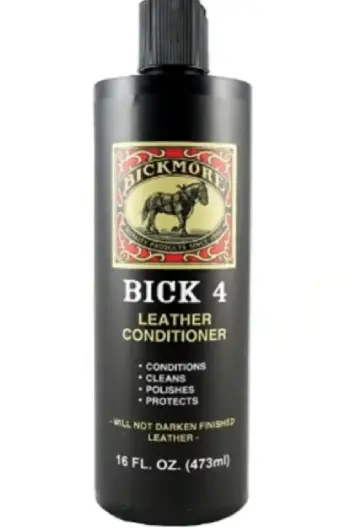
- Texture and application feel: Lexol flows like a thin liquid that spreads fast but sometimes needs more wiping to avoid any tackiness.
Bick 4 has a creamier body that stays put better during application and feels more substantial on the leather.
- Cleaning power: Lexol includes a dedicated pH-balanced cleaner that lifts dirt and grime effectively, especially on car seats or furniture where dust builds up.
Bick 4 combines cleaning and conditioning, so you save a step and still get decent dirt removal without harsh scrubbing.
- Conditioning depth: Lexol delivers a lighter conditioning effect that works well for maintaining already supple leather.
Bick 4 tends to soften finished leathers a bit more noticeably on items like boots or jackets that see frequent wear.
- Darkening risk: Both keep darkening to a minimum, which I appreciate when I want to preserve original colors.
Neither turns my light brown boots muddy.
- Absorption speed: Lexol soaks in quickly but can leave a temporary film if you skip the buffing step.
Bick 4 absorbs steadily and usually requires less fuss afterward.
- Versatility for different leathers: Lexol shines on large surfaces like automotive interiors or sofas.
Bick 4 handles apparel and accessories better in my experience, especially when I need a quick refresh without over-treating.
Key Features Of Lexol
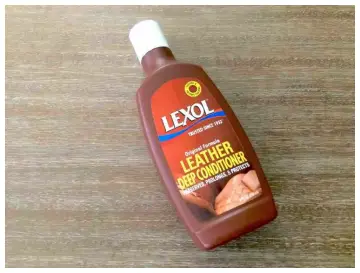
- pH-balanced formula designed to match leather’s natural acidity, helping preserve strength and prevent cracking over time.
- Effective foaming cleaner that lifts embedded dirt without stripping natural oils too aggressively.
- Light conditioning that restores suppleness to dry areas, especially useful for car seats exposed to sun and heat.
- Non-greasy finish when applied correctly, leaving surfaces feeling clean and refreshed.
- Affordable large bottles that last through multiple full treatments on furniture or vehicle interiors.
- Minimal scent that does not overpower the cabin or room after use.
I remember the first time I used Lexol on my old truck seats. The cleaner pulled up years of dust and spills, and the conditioner brought back that soft touch without making everything slippery.
It felt like a solid maintenance routine rather than a heavy restoration.
Pros Of Lexol
- Gentle on finished leathers and safe for regular use without risking over-conditioning.
- Excellent dedicated cleaner that tackles everyday grime better than many all-in-one products.
- Does not noticeably darken leather, so colors stay true even after repeated applications.
- Easy to spread over large areas quickly, saving time on big jobs like full car interiors.
- Good value for the volume, especially if you maintain multiple leather items at home.
- Leaves a natural matte-to-satin finish that feels clean rather than oily.
Cons Of Lexol
- Thinner consistency sometimes requires extra buffing to remove any slight residue or stickiness.
- Conditioning effect stays more on the surface, so very dry or cracked leather may need something richer afterward.
- Not the strongest option for heavy-duty boots or work gear that faces weather and abrasion.
- Can pull a tiny bit of color during aggressive cleaning on heavily worn pieces.
- Some users report formula changes over the years that made results less consistent than older batches.
- Requires separate steps if you want deep cleaning followed by stronger conditioning.
Key Features Of Bick 4
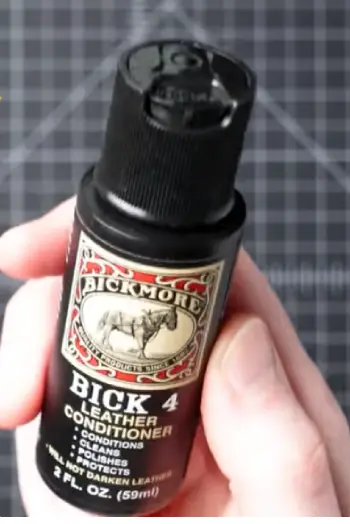
- All-in-one cleaner and conditioner that simplifies the whole process into one application.
- Creamier texture that clings well during rubbing and helps even distribution.
- Formulated to clean, condition, polish, and protect smooth finished leathers in a single go.
- Minimal darkening, making it safe for light-colored items or pieces where color consistency matters.
- Contains neatsfoot oil and other conditioning agents that soften without sealing pores completely.
- Wax-free base that keeps leather breathable, which matters for boots and jackets.
When I grabbed Bick 4 for my daily boots, I liked how one product handled both cleaning off road dust and leaving the leather feeling supple. It cut my maintenance time in half on busy weeks.
Pros Of Bick 4
- Convenient one-step process that cleans and conditions at once, perfect for quick routines.
- Creamier formula spreads nicely and absorbs without excessive dripping or waste.
- Does not darken leather noticeably, preserving the original shade on boots or bags.
- Effective at restoring flexibility to finished leathers without leaving a heavy greasy feel.
- Often more budget-friendly per use, especially when you factor in the combined action.
- Leaves a polished look with low residue, so items feel ready to wear right away.
Cons Of Bick 4
- Conditioning may not penetrate as deeply into extremely dry or neglected leather compared to thicker alternatives.
- Trace silicone content (very low percentage) raises questions for some users, though I have never seen pore-clogging issues in practice.
- Slightly less aggressive cleaning power on heavy dirt buildup than a dedicated cleaner like Lexol’s.
- Creamier texture can feel thicker during initial application until you get the amount right.
- Not ideal as a standalone heavy restorer for cracked or very old leather pieces.
- Mild scent is pleasant but some people prefer completely unscented options.
My Real User Experience Comparing Both
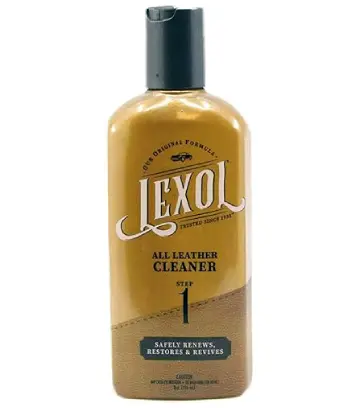
I started with Lexol years ago because everyone recommended it for car leather.
It worked great for keeping seats soft and clean through hot summers.
The pH balance gave me confidence that I was not damaging the material with repeated use.
Yet when I moved to boots and jackets, Lexol felt a little too light.
I needed something that restored flexibility faster after rainy days.
Switching to Bick 4 changed my routine. The thicker cream applied easily, wiped off cleanly, and my boots stayed supple longer between treatments.
I still keep Lexol around for my truck interior because its cleaner handles dust and spills better on large flat surfaces.
For apparel that touches skin or clothing, Bick 4 avoids any transfer issues better in my tests.
One weekend I treated one boot with Lexol and the other with Bick 4.
After a month of wear, the Bick 4 side felt noticeably softer and more resistant to creasing. The Lexol side looked clean but needed another round sooner.
That hands-on test convinced me they each have their place depending on the item.
I also tested both on a vintage leather bag. Lexol cleaned it beautifully and left a fresh scent, but Bick 4 brought back more of the original suppleness with less effort.
Neither caused darkening or spots, which matters when you invest in nice pieces.
Real User Experiences I Have Noticed
After trying both on multiple pieces, I see patterns. Friends who restore cars swear by Lexol because it refreshes interiors without making seats slippery or sticky.
Boot enthusiasts in my circle lean toward Bick 4 for its color-safe performance and easy buffing.
One guy I know used Lexol on light-colored furniture and loved the cleaning power but switched to Bick 4 after noticing slight darkening over a year.
Another friend maintains daily-worn work boots with Bick 4 and says the breathability keeps his feet more comfortable.
How To Apply Them Properly?
For Lexol, I spray or apply the cleaner, work it in until it lifts dirt, wipe clean, then apply a thin layer of conditioner, let it absorb, and buff off excess. Patience during the wipe-down step prevents any issues.
With Bick 4, I put a small amount on a soft cloth, rub it evenly over the leather in circular motions, let it sit briefly, then buff thoroughly. The creamier texture makes even application simple and the results show quickly.
Always test a small hidden area first. Clean leather before conditioning for best absorption, and avoid direct sunlight or heat while products dry.
When To Use Each On Different Leather Types
Car seats and home furniture respond beautifully to Lexol because the pH balance protects the finish and the light formula does not transfer to clothing.
Boots and outdoor jackets benefit more from Bick 4 since it maintains color during sun exposure and keeps pores open so the leather does not trap moisture inside.
Purses and briefcases sit somewhere in between—I alternate depending on how much dirt they collect. For very delicate or exotic leathers, Bick 4’s gentle non-darkening nature often feels safer.
Common Mistakes I Made So You Do Not Have To
I once skipped the cleaning step and applied Lexol conditioner directly on dusty seats. The results looked cloudy until I went back and cleaned properly.
With Bick 4, I applied too thick a layer on boots once and it took longer to buff out. Thin coats with good buffing work far better than heavy dumping.
Never use either product as a heavy waterproofing solution. They condition and protect to some degree but pair them with dedicated protectors if rain is a regular concern.
Maintaining Leather Long Term
Consistent light care beats occasional heavy treatments. I check my leather every few months, clean when needed, and condition when it starts feeling dry. Both Lexol and Bick 4 support this low-effort approach.
Rotate products occasionally if you notice one performing better on certain pieces. Leather varies by type, age, and exposure, so stay flexible in your choices.
Which One Should You Choose?
If you mainly care for car seats, sofas, or large furniture and want a reliable cleaner plus light conditioner, I recommend Lexol. Its pH-balanced approach and dedicated cleaner make it easy and safe for frequent maintenance.
When you deal with boots, jackets, gloves, or bags that need quick conditioning without fuss, go with Bick 4. The one-step formula and creamier texture save time and deliver visible softness faster on wearables.
Many users, including me, keep both. Use Lexol for deep cleaning sessions and Bick 4 for regular touch-ups. This combination covers most leather care needs without overcomplicating things.
You should always test any product on a small hidden area first. Apply sparingly, let it absorb, and buff thoroughly. Over-application causes the most common issues with either product, not the formulas themselves.
Frequently Asked Questions (FAQ)
Leather Honey usually provides deeper conditioning for very dry or cracked leather, while Lexol offers gentler cleaning and lighter maintenance. Choose based on how damaged your item is.
Yes, Bick 4 works well as a conditioner for smooth finished leathers. It softens, cleans, and protects without darkening, making it reliable for regular use on boots and apparel.
Yes, Lexol excels as a leather cleaner thanks to its pH-balanced foaming action that lifts dirt effectively while staying gentle on the material.
Yes, it contains a very small trace amount of silicone that acts as a lubricant. Most users report no pore-clogging or long-term issues from it.
Wrapping Up
After comparing and using both Lexol and Bick 4 extensively, I can tell you they are solid, accessible options rather than miracle workers.
Lexol gives you trustworthy cleaning and light care that keeps interiors looking fresh. Bick 4 simplifies your routine with effective combined action that restores suppleness to everyday gear.
You cannot go far wrong with either if you match the product to the job and apply it with care.
Recent Posts
● Interactive 5-Zone Interior & Exterior Paint Blueprint Paint Coverage Calculator: Gallons, Primer, Square Footage & Cost Tap any architectural surface zone on the blueprint...
If you want smooth, shiny hair without spending a fortune on a premium styling tool, the Ella Bella hair dryer may be worth considering.In these Ella Bella hair dryer reviews, I’ll look...