
I have spent years researching sustainable building materials and walking on every surface imaginable to find the best flooring for a modern home. In this article, I will help you understand the differences between generic linoleum and the leading brand Marmoleum so you can make a smart investment.
You will see how these natural materials hold up against daily wear and which one offers better long-term value for your specific space. I have analyzed thousands of buyer reports to bring you an honest, user-focused comparison of these two popular eco-friendly flooring options.
A Brief Comparison Table
| Feature | Generic Linoleum | Forbo Marmoleum |
| Material Base | Linseed Oil And Wood Flour | Linseed Oil And Pine Rosin |
| Color Depth | Through-Body Pigmentation | Enhanced Decorative Layering |
| Installation | Mainly Professional Sheets | DIY Friendly Click Tiles |
| Eco-Friendly | Highly Biodegradable | Carbon Neutral Production |
| Durability | Excellent Commercial Grade | Superior Residential Scratch Resistance |
| Anti-Bacterial | Natural Inhibitor Properties | Certified For Healthier Spaces |
My Experience With Linoleum
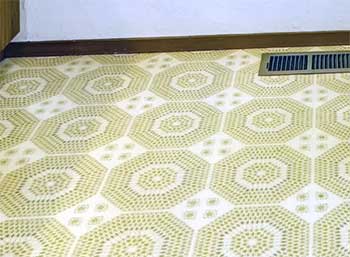
I remember the first time I encountered true linoleum in an old mid-century kitchen renovation project.
It wasn’t the thin, plastic-feeling vinyl I was used to seeing in cheap rentals, but a thick, heavy material that felt surprisingly warm and substantial under my feet.
The way the color stayed consistent even when I scratched the surface with a heavy appliance was a total revelation for my design process.
It taught me that traditional materials often outperform modern synthetics when it comes to character and longevity.
While it was a bit difficult to install because the sheets are so stiff and heavy, the final result looked like a seamless piece of art.
I have since recommended it for high-traffic utility areas where durability is the absolute priority for the homeowner.
Pros Of Linoleum
- Incredible Through-Body Color: The pigment in this flooring goes all the way through the material rather than just being printed on the top surface layer. I found that even after decades of heavy foot traffic, the colors remain vibrant and deep, ensuring your floor never looks faded or worn out even in the busiest hallways.
- Naturally Anti-Microbial Properties: The linseed oil used in the manufacturing process continuously works to inhibit the growth of bacteria and common household allergens naturally. I noticed that kitchens with this flooring stay much cleaner and feel fresher, making it an excellent choice for families with small children or pets who play on the floor.
- Extreme Long-Term Durability: When properly maintained, this flooring can easily last for forty years or more without needing to be replaced or significantly repaired. I have seen original installations in historic buildings that still look fantastic today, which proves that the initial investment pays for itself many times over through decades of reliable service.
- Excellent Heat Resistance: Unlike vinyl or laminate, this material does not melt or scorch easily when exposed to dropped pans or minor heat sources. I prefer using this in kitchen environments where accidental spills and high temperatures are common, as it provides a safety margin that synthetic floors simply cannot match in a busy home.
- Eco-Friendly Material Composition: It is made from entirely natural ingredients like wood flour, cork dust, and linseed oil, making it fully biodegradable at the end. I love recommending this to environmentally conscious clients because it doesn’t off-gas harmful chemicals or contribute to the growing problem of plastic waste in our local landfills.
- Soft And Warm Feel: The natural fibers provide a slight cushioning effect that makes standing for long periods much more comfortable than on tile or stone. I have noticed that it retains ambient room temperature very well, so you don’t get that shocking cold feeling on your bare feet when you walk downstairs.
Also read: My Thoughts on Teragren Bamboo Flooring
Cons Of Linoleum
- Difficult Installation Process: The material is very stiff and heavy, which makes it nearly impossible for an amateur to install without professional tools and experience. I have seen many DIY attempts end in disaster because the sheets are hard to cut and require a specific adhesive technique that takes years to master properly.
- Susceptibility To Moisture: While it is water-resistant, it is not completely waterproof and can be damaged if standing water gets under the seams or edges. I always warn homeowners to be careful in bathrooms or laundry rooms, as excessive moisture can cause the natural wood flour base to swell and eventually rot.
- Initial Linseed Scent: For the first few weeks after installation, the floor emits a very distinct smell of linseed oil that some people find unpleasant. I have found that while the scent eventually disappears, it can be quite strong in small rooms, which is something you should consider if you are sensitive to smells.
- Requires Regular Sealing: To keep the surface protected from stains and scratches, you must apply a specialized sealer or wax periodically to the entire floor. I have noticed that if this maintenance is skipped, the floor can become dull and porous, making it much harder to clean and significantly shortening its overall lifespan.
- Ambering Effect Phenomenon: When the material is not exposed to natural light, it can develop a yellowish tint known as ambering over a long period. I have seen this happen under rugs or large furniture, and while it usually disappears once exposed to light again, it can be annoying when you rearrange.
- High Upfront Cost: The price for the material and the specialized professional labor required is significantly higher than most modern luxury vinyl or laminate options. I often have to explain to clients that they are paying for a lifetime product, but the initial bill can still be a bit of a shock.
Maintenance Tips For Linoleum
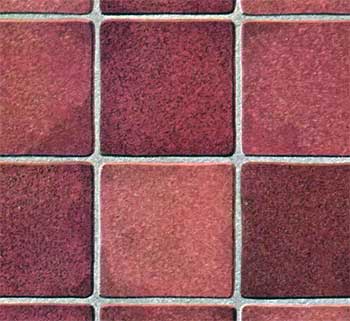
- Use Neutral Cleaners: You should only use pH-neutral cleaning solutions to avoid stripping the natural oils and the protective sealer from the surface. I have seen floors ruined by harsh bleach-based cleaners that caused the material to become brittle and crack, so always stick to products specifically designed for natural linoleum.
- Regular Dust Mopping: Keeping the floor free of grit and sand is the best way to prevent micro-scratches that dull the finish over time. I recommend a quick daily sweep with a soft microfiber mop, which picks up abrasive particles before they can be ground into the surface by the weight of your footsteps.
- Avoid Excessive Water: When mopping, use a damp cloth rather than a soaking wet one to prevent water from seeping into the seams. I have found that a “spray and mop” approach works best for this material, as it provides just enough moisture to clean the surface without risking any long-term structural damage.
- Buffing For Shine: If the floor starts to look a bit dull, you can use a high-speed buffer to restore the original luster and glow. I find that a light buffing once or twice a year is much more effective than adding layers of wax, as it smooths out the existing finish without creating buildup.
- Place Furniture Pads: Always use felt or rubber protectors under the legs of heavy tables and chairs to prevent deep permanent indentations. I have noticed that because the material is somewhat soft and natural, heavy point loads can leave marks that are very difficult to remove once the material has compressed.
- Prompt Spill Cleanup: You must wipe up acidic spills like orange juice or vinegar immediately to prevent them from etching the natural surface finish. I tell my clients to treat the floor like a fine piece of wood furniture, as the natural ingredients are sensitive to strong acids and can stain if left.
Comparison With Other Brands
- Versus Armstrong Vinyl: Armstrong is a leader in synthetic flooring, but their vinyl products are made from petroleum and do not offer the same longevity. I find that while vinyl is easier to install, it lacks the depth of color and the environmental benefits that make linoleum a superior choice for high-end home renovations.
- Versus Tarkett LVT: Tarkett makes excellent luxury vinyl tiles that look like wood, but they are ultimately a plastic-based product that will eventually end up in a landfill. I prefer the natural feel of linoleum because it is a sustainable resource that actually improves the indoor air quality of your home over time.
- Versus Mannington Laminate: Laminate is great for budgets, but it is prone to swelling and peeling if it gets wet near the edges or seams. I choose linoleum for kitchens because it is a solid, through-body material that doesn’t have a thin decorative paper layer that can be easily scratched or worn away.
- Versus Mohawk Carpet: Carpet is soft, but it traps allergens and requires a massive amount of cleaning to stay hygienic and looking fresh. I recommend linoleum for bedrooms instead because you get a similar warmth and quietness but with a surface that is incredibly easy to sanitize and keep dust-free.
- Versus Shaw Tile: Ceramic tile is waterproof and very tough, but it is incredibly hard on your joints and very cold in the winter months. I find that linoleum is the perfect middle ground, offering the durability of a hard surface with the comfort and warmth of a more flexible and natural material.
- Versus Pergo Flooring: Pergo is the famous name in laminate, but it often sounds hollow and “clippy” when you walk on it in hard shoes. Linoleum has a much denser and quieter sound profile, making the home feel more solid and high-quality, which is a major benefit for many of my interior design clients.
My Experience With Marmoleum
I was first introduced to Marmoleum when a client insisted on a carbon-neutral floor for their new eco-conscious kitchen design. I chose the “Click” tile system because I wanted to see if the brand’s reputation for innovation was actually worth the extra money they were asking. The precision of the locking mechanism and the beauty of the marbled patterns were immediately apparent as soon as I opened the first box.
The installation was so much easier than traditional sheet linoleum that I was able to finish the entire room in a single afternoon. The floor has a certain “glow” to it that generic brands seem to lack, and the surface feels even smoother and more refined underfoot. It has since become my favorite recommendation for homeowners who want the benefits of natural flooring without the massive headache of professional sheet installation.
Pros Of Marmoleum
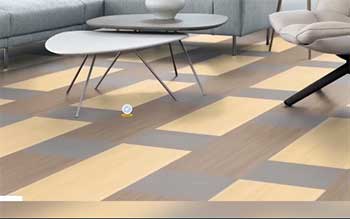
- Carbon Neutral Manufacturing: This brand is a world leader in sustainability, producing flooring that is actually carbon neutral from the factory to the home. I love being able to tell my clients that their new floor actually helped the environment, as the plants used to make it absorbed more carbon than the factory emitted.
- Incredible Pattern Selection: They offer hundreds of different colors and marbled designs that allow for a level of customization that is simply not available elsewhere. I have used their “Cinni-bar” and “Caribbean” colors to create stunning, one-of-a-kind floors that look like expensive custom marble but with the warmth of natural wood.
- Easy Click Installation: Their modular click-system is a massive advantage for anyone who wants a professional-looking floor without the high cost of a master installer. I found that the pieces fit together perfectly with a satisfying snap, making it possible to create a beautiful, durable floor in just a few hours.
- Enhanced Topshield Finish: The brand uses a specialized factory-applied finish called Topshield 2 that makes the floor incredibly resistant to scratches and everyday scuffing. I have noticed that this floor stays looking new much longer than generic linoleum, even in homes with large dogs and high-energy kids running around all day.
- Zero Formaldehyde Emissions: This flooring is certified to have no added formaldehyde or harmful VOCs, ensuring the highest possible indoor air quality for your family. I always suggest this brand for nurseries and bedrooms because it provides peace of mind that your loved ones are breathing clean air while they sleep.
- Modular Design Versatility: Because it comes in tiles and planks as well as sheets, you can mix and match colors to create borders or patterns. I once designed a checkerboard pattern using two different shades of gray, and the result was a sophisticated, modern look that would have been impossible with traditional sheet materials.
Read More: My Thoughts On Zonli Futon Mattress
Cons Of Marmoleum
- Higher Brand Premium: You are definitely paying for the Marmoleum name and the advanced technology that goes into their specialized finishes and click systems. I often find that it is the most expensive natural flooring option on the market, which can be a hurdle if you are working on a very tight budget.
- Edge Swelling Risk: While the top surface is very durable, the edges of the click planks are made of HDF which can swell if water gets in. I have seen floors ruined by a dishwasher leak because the water sat in the seams for too long, so you must be very careful about sealing the perimeter.
- Requires Specific Subfloor: The floor needs to be perfectly level and smooth, or the click joints will eventually fail and start to make a clicking sound. I have spent more time prepping the subfloor for this material than actually laying the planks, which is an extra step and cost that you must plan for.
- Limited Local Stock: Because it is a specialty brand, you often have to order it weeks in advance and wait for shipping from a central warehouse. I have had several projects delayed because the specific color I wanted was out of stock, so you can’t really treat this like a “grab and go” big-box product.
- Static Installation Window: You have to let the material acclimate to the room’s temperature and humidity for at least forty-eight hours before you can start installing it. I have seen the planks warp or the seams open up because the installer was in too much of a hurry and skipped the vital acclimation period.
- Difficult To Patch: If you do manage to deeply gouge the floor, it is much harder to repair a single plank than it is to fix a sheet. I have had to take up an entire section of a floor just to replace one damaged plank in the middle of the room, which is a very labor-intensive process.
Maintenance Tips For Marmoleum
- Avoid Steam Mops: The high heat and intense moisture from a steam mop can actually delaminate the protective Topshield finish and damage the natural resins. I tell all my clients to throw away their steam mops and stick to a traditional damp mop, as the heat is the fastest way to ruin a premium floor.
- Use Entrance Mats: Placing high-quality mats at every doorway will catch the majority of the dirt and moisture before it ever reaches your floor. I have noticed that the floors in homes with good matting systems stay glossy and scratch-free for years longer than those where people walk straight onto the flooring with dirty shoes.
- Periodic Finish Renewal: While the factory finish is great, you can apply a fresh coat of the brand’s specific finish to restore the original protection. I recommend doing this every five to seven years in high-traffic areas to keep the material looking vibrant and to ensure the waterproof barrier remains completely intact over time.
- Soft Bristle Vacuuming: Use a vacuum cleaner with a soft floor attachment rather than a beater bar that could scratch the smooth surface of the floor. I have found that a high-quality stick vacuum is perfect for daily maintenance, as it removes the dust and pet hair without any risk of damaging the beautiful marbled finish.
- Clean With Forbo Products: The manufacturer makes a specific line of cleaners that are designed to work perfectly with their proprietary Topshield 2 surface finish. I always suggest using their “Monel” cleaning solution because it leaves a thin protective film that actually helps the floor resist dirt and scuffing as you use it.
- Protect From Sunlight: Use blinds or UV-filtering window film to prevent the intense afternoon sun from causing the colors to shift or “amber” over time. I have noticed that south-facing rooms can see a significant change in color if they are not protected, so managing the light is key to maintaining the design.
Comparison With Other Brands
- Versus Armstrong LVT: Armstrong’s luxury vinyl is much cheaper, but it doesn’t have the same prestigious eco-friendly certifications or the natural look of Marmoleum. I choose the latter for clients who want a “statement” floor that is as healthy as it is beautiful, rather than just a functional and cheap plastic covering.
- Versus Coretec Plus: Coretec is famous for being waterproof, but it is made from recycled plastics and limestone and feels much harder underfoot. I find that Marmoleum offers a much more comfortable walking surface that is better for your back and knees, especially if you spend a lot of time standing in your kitchen.
- Versus Karndean Design: Karndean offers amazing visual variety, but their products are still high-VOC vinyl that can smell like chemicals for weeks after they are installed. I prefer the fresh, natural scent and the health benefits of Marmoleum, especially for homeowners who are sensitive to indoor air pollutants and synthetic odors.
- Versus Cali Bamboo: Bamboo is a great natural resource, but it can be very prone to scratching and water damage if it isn’t finished with heavy chemicals. I find that Marmoleum is much more durable in a kitchen environment because it is a solid material that can be buffed and restored if it ever gets scuffed.
- Versus Flor Carpet Tiles: Flor tiles are fun for offices, but they are a nightmare to keep clean in a space where food and liquids are often dropped. I recommend Marmoleum for dining areas because you can get a similar modular look but with a surface that wipes clean in seconds and doesn’t trap crumbs.
- Versus Interface LVT: Interface is a leader in commercial flooring, but their designs can often feel a bit too industrial and cold for a cozy residential home. I find that the colors and textures available in the Marmoleum catalog are much more suited to creating a warm, inviting, and stylish living space for families.
Frequently Asked Questions (FAQ)
Marmoleum is generally better for residential homes because it is a premium brand of linoleum that offers easier installation options, a carbon-neutral footprint, and a wider variety of colors and patterns.
Yes, Marmoleum is often more durable for home use because of its proprietary Topshield 2 finish, which provides superior resistance to scratches and stains compared to standard, unsealed traditional linoleum sheets.
You can use it in a bathroom, but you must be very careful to seal the edges with a waterproof caulk to prevent moisture from getting under the planks and causing the subfloor or the material to swell.
With proper care and maintenance, a Marmoleum floor can easily last between twenty-five and forty years, making it one of the most long-lasting and cost-effective flooring investments available for modern homeowners.
Conclusion
I have explored the fascinating world of natural flooring to help you see why linoleum and Marmoleum remain at the top of the list for eco-friendly design. Whether you choose the industrial-strength reliability of traditional linoleum or the stylish, carbon-neutral innovation of Marmoleum, you are making a choice that benefits both your home and the planet.
You should weigh the difficulty of installation against your budget and your desire for custom patterns before you head to the flooring showroom. I personally believe that for most modern DIY enthusiasts, the Marmoleum Click system is the ultimate winner for its ease of use and incredible beauty. You will find that once your new natural floor is installed, the warmth and character it adds to your space will make every penny worth it.
Recent Posts
● Interactive 5-Zone Interior & Exterior Paint Blueprint Paint Coverage Calculator: Gallons, Primer, Square Footage & Cost Tap any architectural surface zone on the blueprint...
If you want smooth, shiny hair without spending a fortune on a premium styling tool, the Ella Bella hair dryer may be worth considering.In these Ella Bella hair dryer reviews, I’ll look...