
When I first picked up Monini olive oil, I wasn’t just looking for another bottle to sit in my kitchen—I wanted something reliable, flavorful, and genuinely worth the money.
If you’re someone who cooks regularly or even just wants to upgrade your meals, this is one of those products you should seriously consider buying.
It’s not flashy, but it quietly delivers where it matters most. And after using it consistently, I’ve got quite a bit to say.
My Personal Experience With Monini Olive Oil
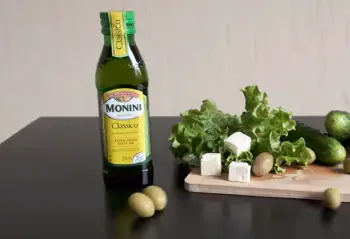
I still remember the first time I cracked open a bottle of Monini olive oil.
There’s something about that subtle, grassy aroma that instantly tells you you’re dealing with a quality product.
I poured a little into a pan for a simple sauté—nothing fancy, just vegetables and a bit of garlic—and I noticed the difference immediately.
The oil heated evenly, didn’t smoke too quickly, and most importantly, it didn’t overpower the food.
That balance is something you only appreciate after using lower-quality oils that either taste too bland or dominate everything they touch.
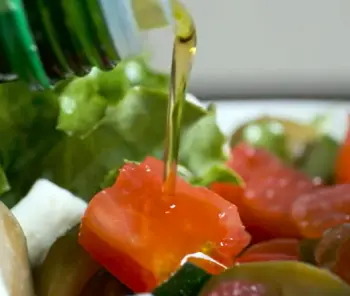
Over the next few weeks, I started using it for almost everything. Drizzling over salads, mixing into dressings, even finishing dishes with a light pour.
What stood out to me was consistency. Every time I used it, I got the same mild, slightly fruity flavor. It didn’t surprise me in a bad way, which is exactly what I want from a kitchen staple.
I also experimented with it raw, just dipping bread into it. If an olive oil tastes good on its own, that’s a strong indicator of quality.
Monini passed that test for me. It wasn’t overly peppery like some premium oils, but it had enough character to feel authentic.
Another thing I noticed was how approachable it felt. Some olive oils are amazing but feel too “special” to use daily. Monini sits comfortably in that middle ground—you don’t feel guilty using it generously, but it still feels like a step up from basic supermarket oils.
Over time, it became my default. That says a lot, because I’ve tried plenty of brands that didn’t earn a permanent spot in my kitchen. Monini did.
Understanding Monini Olive Oil
Monini is an Italian brand with a long history, and that heritage shows in the product.
The oil is typically made from a blend of olives sourced from different regions, which helps maintain a consistent flavor profile year-round.
You’ll often find different variants, including extra virgin olive oil, which is the most popular. Extra virgin means it’s made from the first cold pressing of olives, without chemical processing.
That’s what gives it that natural taste and nutritional value.
What I appreciate is that Monini doesn’t try to be something it’s not. It’s not marketed as an ultra-premium boutique oil, but it also doesn’t cut corners. It sits in a space where quality meets practicality.
Flavor Profile And Cooking Performance
Taste is subjective, but I’d describe Monini olive oil as mild, slightly fruity, and balanced.
It doesn’t have that aggressive bitterness you sometimes get with very high-end oils, which makes it versatile.
When you cook with it, you’ll notice how stable it is. It handles medium heat well, making it suitable for sautéing, roasting, and even light frying.
I wouldn’t push it to extremely high temperatures, but for everyday cooking, it performs reliably.
For raw uses like salads or dips, it adds a gentle richness without stealing the spotlight. That’s something you’ll appreciate if you like your ingredients to shine individually.
Packaging And Shelf Life
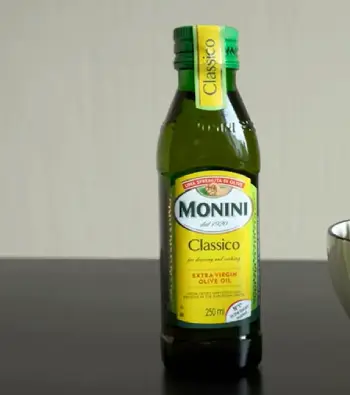
The packaging is straightforward—usually a dark glass bottle that helps protect the oil from light. That’s important because exposure to light can degrade olive oil over time.
I always recommend storing it in a cool, dark place. When I followed that, the oil maintained its flavor for months without any noticeable decline.
The pour spout is also well-designed, which might seem like a small detail, but it makes a difference when you’re cooking daily. No messy drips or over-pouring.
Pros Of Monini Olive Oil
- Reliable, Balanced Flavor That Works for Almost Everything
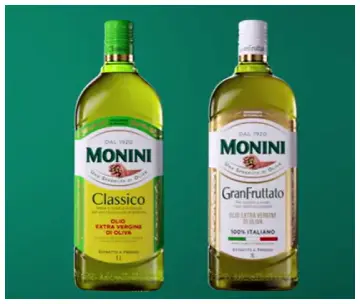
One thing you’ll notice right away is how balanced the taste is. Monini’s popular variants, like its Classico, are known for a “balanced and versatile flavour” with fresh, grassy notes .
In real-life cooking, that matters more than you think.
Some olive oils are too strong and overpower your food, while others are so bland they disappear. Monini sits right in the middle.
When I used it, I didn’t have to think twice—whether it was salad, pasta, or frying eggs, it just worked. And if you’re someone who doesn’t want to switch oils constantly, you’ll appreciate that flexibility.
- Consistency You Can Trust Every Time
This is a big deal. With many olive oils, one bottle tastes great, and the next one feels completely different. Monini avoids that problem by blending oils from different sources to maintain a stable profile.
What that means for you is simple:
You don’t have to “relearn” the oil every time you buy it.
That consistency is one of the reasons it’s widely used as an everyday kitchen oil rather than a “special occasion” product.
- Good Quality Control and Production Standards
Monini puts a strong emphasis on quality checks, especially with its organic line, which is produced under strict certification standards .
That translates into:
- Better handling of olives
- Controlled extraction processes
- More reliable purity
Now, is it the absolute highest-grade oil in the world? No. But for a widely available brand, the quality control is solid.
- Versatile for Cooking and Raw Use
Some oils are only good raw. Others are only good for cooking. Monini gives you both.
I’ve personally used it for:
- Light frying
- Roasting vegetables
- Salad dressings
- Drizzling over cooked food
And it holds up well across all of these. That versatility saves you money and effort because you don’t need multiple oils in your kitchen.
- Widely Available and Easy to Find
This might sound boring, but it’s actually a huge advantage.
You don’t need to hunt for Monini. It’s available in many supermarkets and online stores globally. That convenience makes it practical for daily use.
Because let’s be honest—what’s the point of loving an olive oil if you can’t easily restock it?
- Solid Nutritional Profile
Like most extra virgin olive oils, Monini contains healthy fats and antioxidants. Some of their oils even highlight polyphenols, which are linked to protecting cells from oxidation .
So when you use it, you’re not just adding flavor—you’re also making a healthier cooking choice compared to refined oils.
Cons Of Monini Olive Oil
- Not as Rich or Complex as Premium Oils
Let’s address the biggest drawback first.
If you’ve ever tried high-end, single-origin olive oils, you’ll notice something missing in Monini: depth and complexity.
Premium oils can have:
- Peppery finishes
- Layered flavors
- Strong aromatic notes
Monini is smoother and simpler. That’s great for everyday use, but if you’re a flavor enthusiast, it might feel a bit “safe.”
- Blend-Based, Not Always Single-Origin
Monini often uses blends of olives rather than focusing on a single region or variety.
That helps with consistency—but it also means:
- Less uniqueness
- Less terroir (regional character)
If you’re someone who cares about origin-specific oils (like Tuscan or Sicilian), Monini may feel less exciting.
- Can Feel Mild for People Who Prefer Strong Oils
Some people love bold olive oils that hit you with bitterness and a peppery kick.
Monini doesn’t go that route.
Its mildness is a strength for versatility—but if you like intense oils, you might find it a bit underwhelming, especially when used raw.
- Not Ideal for High-Heat Cooking
Even though it performs well at medium heat, pushing it too far isn’t a great idea.
Like most extra virgin olive oils, excessive heat can:
- Break down nutrients
- Alter flavor
- Reduce quality
So if you’re deep frying or cooking at very high temperatures, you might want a different oil.
- Price Can Feel Slightly High Compared to Basic Oils
Monini sits in that middle price range.
It’s not cheap like generic cooking oils, but it’s also not luxury-priced.
Still, if you’re used to budget oils, you might feel the difference. Whether it’s worth it depends on how much you value flavor and quality in your cooking.
Tips For Monini Olive Oil
- Store It Away from Heat Like It Actually Matters
Olive oil is sensitive to heat more than most people realize. One of the biggest mistakes I used to make was keeping it near the stove for convenience. It felt practical, but it slowly ruined the oil.
Heat speeds up oxidation, which means the oil loses its fresh, fruity character and starts tasting flat or slightly stale over time.
What works better is:
- Keeping it in a kitchen cabinet or pantry
- Avoiding spots near ovens, stovetops, or sunlight
- Choosing a consistently cool area rather than a warm corner
When I switched storage habits, I noticed Monini kept its flavor much longer. It stayed smooth instead of turning dull halfway through the bottle.
- Light Exposure Is a Bigger Deal Than You Think
Even indirect sunlight can slowly degrade olive oil. That’s why Monini often uses dark glass bottles—it’s not just aesthetic, it’s protective.
But here’s the catch: once you bring it home, how you place it still matters.
If you leave it:
- On open shelves near windows
- On countertops exposed to sunlight
- In transparent containers after opening
You’re basically speeding up flavor loss.
The best habit I picked up was simple: keep it hidden, not displayed. Olive oil isn’t decoration—it’s an ingredient that performs better in the dark.
- Always Close the Cap Tightly After Use
This sounds obvious, but it’s one of those small habits that has a real impact.
Every time you open the bottle, oxygen gets in. Over time, oxygen slowly breaks down the oil, making it taste less fresh.
What I do now:
- Immediately close the bottle after pouring
- Avoid leaving it open while cooking
- Make sure the cap is tightly sealed, not loosely placed
It’s a small action, but it keeps the oil stable for longer.
- Don’t Transfer It Into Random Containers
I know some people like pouring olive oil into decorative bottles for their kitchen setup. It looks nice, but it’s not great for quality.
The problem is:
- Many containers aren’t airtight
- Some let in light
- Some react with oil over time
Monini’s original packaging is designed specifically to preserve freshness. So unless you’re using a proper dark, airtight dispenser, it’s better to keep it in the original bottle.
Comparison Monini Olive Oil With Other Brands
- Monini vs Bertolli
Bertolli is widely available and often priced similarly, but in my experience, Monini has a more natural and less processed taste.
Bertolli can sometimes feel a bit flat, especially in raw applications, while Monini retains a fresher profile.
- Monini vs Filippo Berio
Filippo Berio offers a slightly stronger flavor, which some people prefer. However, I found Monini to be more balanced and versatile.
If you want something that works across a wide range of dishes without adjustment, Monini has the edge.
- Monini vs Colavita
Colavita is closer in quality and often competes directly with Monini.
The difference comes down to preference—Colavita can be a bit more robust, while Monini leans toward a smoother, more approachable taste.
- Monini vs Premium Boutique Oils
When compared to high-end, single-origin oils, Monini doesn’t try to compete on complexity.
Those oils often have intense flavors and are best used sparingly. Monini, on the other hand, is designed for everyday use, and that’s where it shines.
Also Read: Is Ormus Gold Oil Worth It?
Frequently Asked Questions (FAQ)
Yes, it offers consistent quality, a balanced flavor, and reliable performance for everyday cooking.
Popular choices often include Monini, Colavita, Filippo Berio, California Olive Ranch, and Lucini.
Yes, its extra virgin olive oil is made from olives without chemical processing.
Olive oil may help moisturize the skin, but its effect on scars is limited and varies by person.
Final Thoughts
After using Monini olive oil regularly, I can confidently say it’s a smart buy if you want something dependable, flavorful, and versatile.
It may not be the most luxurious option out there, but it delivers exactly what most of us need in a kitchen staple.
If you’re thinking about upgrading your cooking experience without overcomplicating things, this is a product worth adding to your shelf.
Recent Posts
● Interactive 5-Zone Interior & Exterior Paint Blueprint Paint Coverage Calculator: Gallons, Primer, Square Footage & Cost Tap any architectural surface zone on the blueprint...
If you want smooth, shiny hair without spending a fortune on a premium styling tool, the Ella Bella hair dryer may be worth considering.In these Ella Bella hair dryer reviews, I’ll look...