
If you’re considering a Nelsen water softener, I recommend researching its reliability, customer feedback, installation requirements, and long-term maintenance before spending your money.
Although Nelsen offers water treatment equipment for residential and commercial applications, disappointing customer reviews raise concerns about overall satisfaction.
I wouldn’t recommend buying one without careful verification, especially when other water softener brands offer alternatives worth considering.
My First Experience With Nelsen Water Softeners
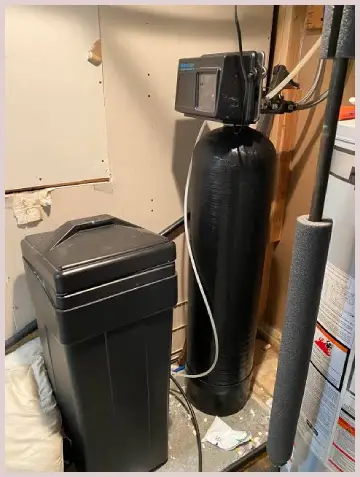
When I evaluate a water softener, I look beyond its advertised capacity and technical specifications.
A system might promise softer water, reduced mineral buildup, and better protection for household plumbing, but those benefits mean very little if the equipment develops problems or customer support becomes difficult to access.
Nelsen is a name associated with water treatment equipment, including water softeners, filtration products, replacement components, and related plumbing supplies.
Its products are intended to address common water quality problems, particularly hard water caused by dissolved calcium and magnesium.
One important thing I discovered while researching Nelsen is that it doesn’t operate like a typical consumer appliance brand.
Nelsen Corporation supplies and assembles water conditioning equipment using components from manufacturers such as Clack, Fleck, and Autotrol.
Its residential range includes conventional softeners, C-Series systems, cabinet softeners, and twin-tank configurations.
This distinction matters because the experience you receive depends on more than the Nelsen name printed on the equipment.
The control valve, resin quality, tank configuration, installation workmanship, and dealer support all influence the finished system.
I would pay particular attention to the exact model being offered. Two systems sold through Nelsen dealers might have different capacities, valves, and operating characteristics.
Consequently, a positive experience with one configuration doesn’t automatically prove that another configuration will perform equally well.
Also Read: Is WaterBoss Water Softener Worth It?
Pros Of Nelsen Water Softener
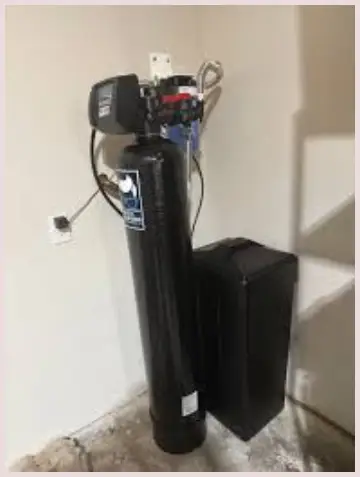
- Multiple Capacity Options
One advantage is the availability of different grain capacities.
Nelsen’s residential product range includes systems designed for different water demands. Its C-Series, for example, offers configurations ranging from 24,000 to 110,000 grains.
I appreciate this flexibility because not every household needs the same equipment. A small household with moderately hard water has different requirements from a large family dealing with extremely hard water.
Choosing the correct capacity can help reduce unnecessary regeneration and improve operating efficiency.
However, I would never select a model based on grain capacity alone. I’d calculate household demand using actual water consumption and hardness measurements.
- Established Control Valve Options
Another technical advantage is the availability of control valves from established manufacturers.
Nelsen’s equipment configurations can incorporate Clack, Fleck, and Autotrol components.
nelsencorp.com+1
This is worth considering because the control valve determines how the system manages water flow, regeneration, backwashing, and other essential functions.
A dependable control valve can make maintenance easier and help keep the softener operating consistently.
I would still verify the exact valve model before purchasing. The manufacturer’s reputation doesn’t automatically guarantee that every assembled system has identical reliability.
- Residential and Commercial Applications
Nelsen offers equipment for more than one type of property.
Its product range includes residential softeners, larger-capacity systems, and configurations intended for demanding applications.
This variety can be useful if you need a system designed around particular water conditions rather than a basic off-the-shelf appliance.
For example, a property with several bathrooms may require a higher service flow rate than a smaller household.
I like the idea of matching equipment to actual demand, although I’d want a professional water analysis before making a final decision.
- Twin-Tank Configurations
Twin-tank water softeners are another option worth considering.
These systems use two resin tanks that alternate operation. While one tank regenerates, the other can continue supplying softened water.
This arrangement can be particularly useful for households with continuous water demands.
I consider uninterrupted soft-water availability a meaningful benefit, especially when several people use water throughout the day.
However, twin-tank equipment can cost more, requires additional installation space, and may involve more complicated servicing.
- Customizable Water Treatment Solutions
Nelsen’s custom-assembly approach allows equipment to be configured according to different requirements.
This can be beneficial when ordinary residential systems aren’t suitable for the property’s water conditions.
For instance, someone dealing with both hardness and additional water quality problems might need a combination of treatment technologies.
I appreciate the flexibility, but customization also makes comparison shopping harder. You need to understand exactly what you’re paying for instead of relying on the brand name.
Cons Of Nelsen Water Softener
- Uncertainty About Customer Satisfaction
My first concern is the difficulty of establishing consistent customer satisfaction.
Unlike a widely available household appliance, Nelsen equipment is frequently supplied through professional dealers and assembled in different configurations.
That makes it harder to evaluate the complete buying experience using one consistent set of consumer reviews.
If you’re seeing complaints about a particular Nelsen dealer or system, I’d investigate those complaints individually rather than assuming every model has the same problem.
Still, I wouldn’t spend a substantial amount without finding convincing feedback about the exact product and service provider.
- Dealer Dependence
The dealer relationship is a significant consideration.
You may depend on the local dealer for system selection, installation, programming, troubleshooting, and replacement parts.
This arrangement can work well when the dealer is experienced and responsive. Unfortunately, it can also become frustrating if communication is poor or service appointments are difficult to arrange.
I would want a written agreement explaining who handles warranty claims and whether another authorized technician can service the equipment.
- Potentially Complicated Product Selection
Nelsen’s extensive product range might seem attractive, but it can make choosing the right system difficult.
You might encounter several capacities, control valves, tank sizes, and configurations.
Without a proper water analysis, it’s easy to purchase equipment that doesn’t match your actual requirements.
I wouldn’t accept a salesperson’s recommendation without understanding the reasoning behind it.
- Installation and Maintenance Expenses
A water softener isn’t just a one-time purchase.
You may need to pay for plumbing modifications, professional installation, salt, electricity, replacement components, and occasional service appointments.
Twin-tank and customized systems can introduce additional expenses.
I’d compare the total ownership cost over several years rather than focusing exclusively on the initial quotation.
- No Universal Price for Every Configuration
Because Nelsen offers customized equipment, comparing prices can be difficult.
A quotation might include a particular control valve, resin tank, bypass assembly, installation service, and warranty package, while another seller may quote only the main equipment.
That makes apparently cheaper alternatives difficult to evaluate fairly.
I’d insist on an itemized quotation before committing.
Also Read: Is Noritz Tankless Water Heater Worth It?
Maintenance For Nelsen Water Softener
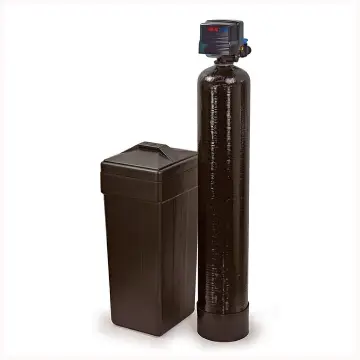
- Check the Salt Level Regularly
Salt is essential for regenerating the resin in conventional salt-based water softeners.
During regeneration, the system uses a concentrated brine solution to restore the resin’s ability to exchange hardness minerals.
I’d inspect the brine tank regularly and refill it when necessary. Avoid allowing the salt supply to run completely empty because the system may stop softening water effectively.
The refill frequency depends on water hardness, household consumption, system capacity, and regeneration settings.
I would also use the salt type recommended for the particular model rather than experimenting with inexpensive alternatives.
- Prevent Salt Bridging
Salt bridging happens when salt forms a hardened crust inside the brine tank.
This can create an empty space beneath the crust, preventing salt from dissolving properly in water.
The problem isn’t always immediately obvious. You might see salt inside the tank and assume everything is working normally, even though the system isn’t producing enough brine for regeneration.
I’d occasionally inspect the salt surface and check for unusually hard layers.
If bridging occurs, carefully break up the crust using an appropriate non-sharp tool, following the manufacturer’s instructions. Avoid damaging the tank or its internal components.
- Clean the Brine Tank When Necessary
Salt residue, sediment, and accumulated impurities can eventually affect the brine tank.
I wouldn’t recommend cleaning it unnecessarily, but periodic inspection is sensible.
If you notice sludge, unusual discoloration, or persistent residue, consult the system manual before cleaning.
Some models may have specific instructions concerning salt removal, tank cleaning, and restarting the regeneration process.
I’d also avoid household cleaning chemicals that could leave unwanted residues inside the water treatment equipment.
- Inspect the Resin Bed
The resin bed is one of the most important parts of a salt-based water softener.
It contains small resin beads that exchange sodium or potassium ions for calcium and magnesium ions.
Over time, resin can become less effective because of age, iron fouling, chlorine exposure, or unsuitable operating conditions.
I’d monitor the system’s softening performance rather than waiting until the water becomes noticeably hard.
If soap stops lathering properly or mineral deposits begin returning, I’d arrange a water hardness test.
A technician can determine whether the problem involves exhausted resin, incorrect regeneration settings, or another mechanical issue.
- Keep the Brine Tank and Surrounding Area Clean
A clean installation area makes maintenance easier.
I’d regularly remove dust, dirt, and debris from around the equipment. I would also check for moisture around the connections, unusual leaks, and signs of corrosion.
Avoid placing chemicals, heavy objects, or unrelated household supplies on top of the system.
If the equipment is installed in a basement or utility room, I’d make sure the surrounding area has adequate ventilation and remains accessible for servicing.
- Check the Control Valve Settings
The control valve manages essential functions, including regeneration scheduling, water usage measurement, and backwashing.
Incorrect settings can lead to unnecessary salt consumption or inadequate softening.
I’d verify that the clock, hardness setting, regeneration frequency, and other programmed values match the water conditions and household requirements.
Power interruptions can sometimes affect electronic settings, depending on the equipment.
If you notice unexpected regeneration cycles or changes in water quality, I’d have the programming checked rather than randomly changing settings.
- Inspect the Bypass Valve and Plumbing Connections
The bypass valve allows water to bypass the softener when maintenance or repairs are necessary.
I’d occasionally inspect it to make sure it operates properly and isn’t leaking.
I’d also look at the inlet and outlet connections, drain hose, and surrounding plumbing.
Loose fittings and damaged connections can create water leaks that eventually cause more expensive problems.
If you notice reduced water pressure, check whether the bypass valve is in the correct position before assuming the resin tank or control valve has failed.
Comparison Of Nelsen Water Softener With Other Brands
- Nelsen vs. Fleck
Fleck is particularly well known for its water softener control valves. Its 5600SXT and other valve platforms are used in many assembled residential systems.
Nelsen and Fleck aren’t always direct competitors because Nelsen can assemble systems using Fleck components.
If I were comparing a Nelsen system with a separately assembled Fleck-based system, I’d examine the exact valve, resin quantity, tank construction, and warranty.
I like the idea of choosing a configuration with documented specifications and readily available replacement components.
My preference: I’d lean toward the Fleck-based configuration when its specifications, price, and servicing arrangements are clearer. I wouldn’t assume that the Fleck name alone makes the complete system superior.
- Nelsen vs. Culligan
Culligan is a recognizable water treatment brand offering professionally installed residential systems and dealer-based services.
The main difference I’d investigate is the service relationship.
Culligan generally offers a more recognizable consumer-facing purchasing experience, while Nelsen equipment is frequently configured and supplied through professional dealers.
I would compare the complete installation quotation rather than assuming Culligan is automatically more expensive or Nelsen is automatically better value.
Culligan would be worth considering if you want a clearly defined local service arrangement and a documented warranty.
My preference: I’d consider Culligan if the local dealer has strong independent feedback and provides transparent servicing terms.
- Nelsen vs. Kinetico
Kinetico is known for its non-electric, demand-operated water treatment systems and twin-tank configurations.
I’d consider Kinetico if uninterrupted softened water is particularly important.
Its twin-tank approach can provide softened water while one tank regenerates.
Nelsen also offers twin-tank configurations, so I wouldn’t automatically declare one brand the winner.
I’d compare the actual regeneration technology, installation cost, service availability, and warranty.
My preference: Kinetico would be worth investigating for households that prioritize continuous soft-water availability and have access to a reliable local dealer.
- Nelsen vs. Whirlpool
Whirlpool offers residential water softeners that appeal to homeowners looking for more conventional retail purchasing options.
Whirlpool is worth comparing if you prefer a recognizable household appliance brand and a more straightforward product-selection process.
I’d examine the available grain capacity, service flow, regeneration features, and replacement-part availability.
A retail-oriented system may also make it easier to compare published specifications before purchasing.
My preference: I’d investigate Whirlpool first if I wanted a simpler residential purchase and could find a model with suitable capacity and a satisfactory warranty.
Also Read: Comparison Of WaterBoss And Morton Water Softene
Frequently Asked Questions (FAQ)
There isn’t one universally reliable brand for every household. Fleck, Culligan, Kinetico, Whirlpool, and SpringWell are worth comparing. I’d prioritize independently verified performance, replacement-part availability, warranty coverage, and dependable local service.
SpringWell is worth considering for residential salt-based systems, while Fleck is a strong option for buyers interested in established control valve technology. Culligan and Kinetico are also worth evaluating if professional installation and ongoing service are priorities.
In the United States, a water softener installed for ordinary household convenience generally isn’t automatically tax-deductible. However, certain medically necessary home improvements may qualify for a medical expense deduction if IRS requirements are met. Business or rental property installations may have different tax treatment. Consult a qualified tax professional.
Consumer Reports does not publish a comparative ranking of whole-house water softeners, so there isn’t a verified Consumer Reports best water softener for 2026. It recommends researching household water conditions before purchasing a system.
Final Verdict
After evaluating Nelsen’s product configurations, technical specifications, maintenance requirements, and purchasing considerations, I wouldn’t recommend rushing into a purchase.
The brand offers customizable equipment, multiple grain capacities, and established control valve options. Those are meaningful advantages. However, I remain concerned about the difficulty of independently evaluating customer satisfaction and the dependence on individual dealers for installation and support.
For such a substantial household investment, I would rather choose a system with clearly documented specifications, dependable customer service, accessible replacement parts, and a warranty that protects the components that matter most.
I’d investigate SpringWell, Fleck-based systems, Culligan, and Whirlpool before making a final decision.
Recent Posts
Gerber Viper Vs. Avalanche: Which Toilet Actually Performs Better In Real Homes?
I spent weeks comparing the Gerber Viper and Avalanche after my old toilet started clogging every other week, and I wanted a clear answer on which one delivers better everyday performance without...
Acrylic Vs. Porcelain Tub: Which One Actually Wins For Daily Baths?
I set out to settle a bathroom renovation choice that kept me up at nights: acrylic versus porcelain tubs.After living with both materials in different homes and talking through real daily use...