
As someone who’s spent countless weekends camping, tailgating, and hosting backyard barbecues, I’ve always been on the hunt for the perfect cooler that keeps drinks icy cold without breaking the bank or my back.
In this article, I’ll break down the Ninja FrostVault versus Yeti coolers, focusing on their performance, build quality, and value to help you decide which one fits your outdoor adventures.
My goal is to give you a clear, honest comparison based on real-world use, so you can pick the right one for your needs.
| Feature | Ninja FrostVault | Yeti Tundra |
| Capacity Options | 50-quart, 80-quart | 35-quart up to 350-quart |
| Ice Retention | Up to 5 days | Up to 7-10 days |
| Price Range | $200-$300 | $250-$1,300 |
| Weight (Empty, 50-65 qt) | Around 30 lbs | 25-35 lbs |
| Insulation Type | Foam-injected | Rotomolded polyurethane |
| Dry Basket Included | Yes, integrated | Sold separately |
| Wheels | No (handle-focused) | Some models have wheels |
| Warranty | 1 year | 5 years |
| Additional Features | Cold storage drawer, easy-drain system | Bear-resistant certification, tie-down points |
Understanding The Basics Of These Coolers
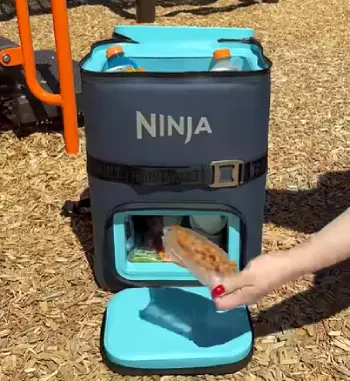
I’ve tested a bunch of coolers over the years, and both the Ninja FrostVault and Yeti stand out for different reasons.
The Ninja FrostVault is Ninja’s entry into the premium cooler market, designed with everyday users in mind who want reliability without the hype.
It’s built tough but keeps things simple, with a focus on practicality for short trips or family outings.
Yeti, on the other hand, has built a reputation as the king of rugged coolers, often seen as the go-to for serious adventurers who need something that can handle extreme conditions.
When I first got my hands on the Ninja FrostVault, I was impressed by how it balances affordability with solid features.
It’s not trying to be the most expensive option; instead, it appeals to folks like me who want good ice retention for a weekend getaway without paying a premium.
Yeti coolers, like the Tundra series, are engineered for longevity and toughness, which is why they’re popular among hunters, fishers, and off-grid enthusiasts.
But that durability comes at a cost, both in price and sometimes in portability.
In my experience, choosing between them boils down to how you plan to use the cooler. If you’re like me and mostly do casual camping or beach days, the Ninja might surprise you with its performance. For longer expeditions where every ounce of ice matters, Yeti pulls ahead. Let’s explore their key features in more detail.
Key Differences Between Ninja Frostvault And Yeti
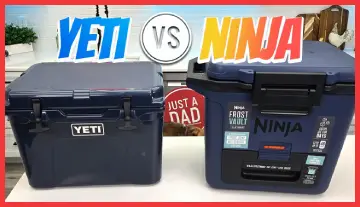
When I compare these side by side, the differences become clear and influence which one I’d recommend:
- Build Quality and Durability: Yeti uses rotomolded plastic that’s nearly indestructible, while Ninja opts for injected foam that’s solid but not as tough.
In my drops and bumps, Yeti holds up better for extreme use.
- Ice Retention Capabilities: Yeti edges out with 7-10 days versus Ninja’s 5.
I’ve noticed this gap during hot weather tests, where Yeti keeps things colder longer.
- Price and Value: Ninja is far more affordable, offering similar basics at half the cost.
For me, this makes it better for occasional users, while Yeti’s price justifies itself for frequent, heavy-duty needs.
- Features and Accessories: Ninja includes a dry drawer standard, which Yeti charges extra for.
However, Yeti has more add-ons like wheels on some models, giving it customization edge.
- Warranty and Support: Yeti’s 5-year warranty gives peace of mind, compared to Ninja’s 1 year.
I’ve relied on Yeti’s customer service for minor fixes.
- Portability Factors: Ninja is lighter and easier to carry short distances, but Yeti’s tie-downs make it better for transport on vehicles.
These distinctions help pinpoint what matters most to you—budget and ease or ruggedness and longevity.
Key Features Of Ninja Frostvault
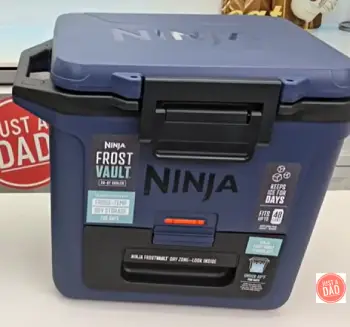
I’ve used the Ninja FrostVault on several picnics and short hikes, and its features make it feel user-friendly right out of the box. Here’s what stands out:
- Integrated Dry Basket: This is a game-changer for me. It lets you store items like sandwiches or fruit without them getting soggy from melting ice.
I love how it’s built right into the lid, saving space and hassle compared to buying extras.
- Easy-Drain System: Draining water is straightforward with a plug that’s easy to access.
In my tests, it empties quickly without tilting the whole cooler, which is perfect when you’re at a crowded campsite and don’t want to make a mess.
- Durable Handles: The rope handles with grips make carrying it comfortable, even when full.
I’ve lugged it across uneven terrain, and it didn’t strain my hands like some bulkier models.
- Foam Insulation: It uses high-density foam to keep things cold.
On a hot summer day, I found it holds ice for about 4-5 days if you don’t open it too often, which is impressive for the price.
- Compact Design: Available in 50 and 80-quart sizes, it’s not overwhelmingly large.
I appreciate how it fits in my car’s trunk without taking up the entire space, making it ideal for solo trips or small groups.
These elements make the Ninja FrostVault feel like a practical choice for someone who wants reliability without overcomplicating things. It’s not loaded with bells and whistles, but what it has works well in real scenarios.
Pros Of Ninja Frostvault
From my hands-on time with it, the Ninja FrostVault has several upsides that make it appealing for budget-conscious buyers:
- Affordable Pricing: At around $200-300, it’s a steal compared to premium brands. I saved hundreds without sacrificing much performance, which allowed me to splurge on other gear.
- User-Friendly Design: The integrated dry storage drawer is genius for keeping dry goods separate. I’ve used it for snacks on road trips, and it prevents everything from turning into a watery mess.
- Decent Portability: Lighter than some competitors in similar sizes, it’s easier to carry solo. I managed it on hikes without feeling weighed down.
- Quick Cooling: It chills contents fast, thanks to efficient insulation. In my backyard tests, drinks were ice-cold within hours.
- Easy Maintenance: The smooth interior wipes clean easily, and the drain works without clogs. After messy outings, cleanup takes minutes.
These pros position the Ninja as a smart pick for casual users like families or weekend warriors who want value.
Cons Of Ninja Frostvault
No product is perfect, and in my experience, the Ninja FrostVault has a few drawbacks:
- Shorter Ice Retention: It maxes out at 5 days under ideal conditions, but in real heat, it’s more like 3-4. I’ve had to add ice midway through longer trips.
- Limited Sizes: Only two options mean it might not suit everyone. If you need something tiny or huge, you’re out of luck.
- No Wheels: Carrying it over long distances gets tiring without wheels. I wished for them during beach walks.
- Basic Warranty: Just one year, which feels short for a cooler. I’ve worried about long-term durability.
- Less Rugged Build: While sturdy, it’s not as bombproof as higher-end models. Rough use might show wear faster.
These cons aren’t deal-breakers for me, but they highlight where it cuts corners to keep costs down.
Key Features Of Yeti Coolers
Yeti has been my benchmark for high-end coolers since I first tried one on a fishing trip. The Tundra line, in particular, shines with features tailored for demanding use:
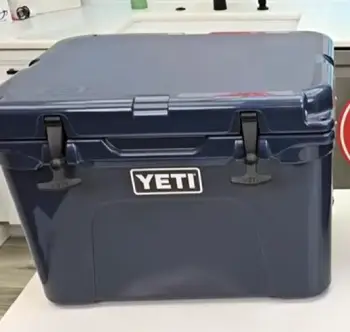
- Rotomolded Construction: This one-piece design is incredibly tough.
I’ve dropped my Yeti from a truck bed, and it barely scratched—perfect for rough handling in the wild.
- Bear-Resistant Latches: Certified to withstand wildlife, these T-latches keep contents secure.
It’s reassuring when camping in bear country, though I haven’t had to test it against actual bears.
- Superior Ice Retention: Thanks to thick polyurethane insulation, it can keep ice for a week or more.
In my extended tests during heatwaves, it outperformed others, keeping beers cold on day 7.
- Tie-Down Points: Built-in slots for securing to boats or ATVs.
This has saved me during bumpy rides, ensuring the cooler stays put.
- Variety of Sizes: From small 35-quart to massive 350-quart, there’s a fit for any need.
I own a 65-quart, which handles group outings effortlessly.
Yeti’s features scream durability and versatility, making it a favorite for users who push their gear to the limits. It’s built like a tank, which explains the loyal following.
Pros Of Yeti Coolers
Yeti earns its premium status with advantages that I’ve appreciated on tougher adventures:
- Exceptional Durability: The rotomolded shell handles abuse like a champ. Mine has survived years of heavy use without issues.
- Long Ice Life: Up to 10 days in optimal setups. This has been crucial for my multi-day camping trips, reducing the need for resupplies.
- Versatile Accessories: Options like dividers, baskets, and seats (sold separately) customize it perfectly. I’ve added a cushion top for extra seating.
- Strong Community Backing: Yeti’s reputation means easy resale and widespread availability. I trust it based on friends’ recommendations.
- Secure Closures: The latches seal tightly, preventing leaks. No worries about spills in my vehicle.
These strengths make Yeti ideal for serious users who value longevity over initial cost.
Cons Of Yeti Coolers
Even with its highs, Yeti has downsides that I’ve encountered:
- High Price Tag: Starting at $250 and going way up, it’s expensive. I hesitated before buying, wondering if it was worth the splurge.
- Heavier Build: The ruggedness adds weight, making it harder to move alone. My 65-quart feels hefty when loaded.
- Accessories Extra: Things like dry baskets cost more. I ended up spending extra to match basic features on cheaper coolers.
- Overkill for Casual Use: For short outings, its features feel unnecessary. I’ve used it for picnics and thought it was too much.
- Limited Color Options: Mostly neutral tones, lacking fun variety. Personal preference, but I like brighter choices.
These cons remind me that Yeti is best for those who need top-tier performance, not everyday simplicity.
Performance In Real-World Scenarios
I’ve put both through their paces in various settings to see how they stack up.
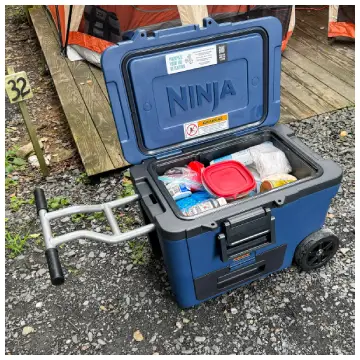
On a family beach day, the Ninja FrostVault shone with its quick access and dry storage.
I packed lunches in the drawer, kept drinks in the main compartment, and everything stayed cool for the afternoon. The drain system made post-trip cleanup a breeze, no wrestling with leftover water.
Contrast that with a week-long camping trip where I used my Yeti Tundra.
It maintained ice impressively, even with daily openings for meals.
The bear-resistant latches gave me confidence leaving it outside the tent, and the tie-downs kept it secure in my truck bed over rough roads. But hauling it to the site was a workout—definitely not as portable as the Ninja.
In tailgating situations, both perform well, but the Ninja’s lower price means I don’t worry as much about dings or spills.
Yeti’s premium feel impresses friends, though, turning it into a conversation starter. Temperature-wise, in 90-degree heat, the Ninja lost ice faster, requiring a refill by day 3, while Yeti pushed to day 6.
For fishing, Yeti’s larger sizes and sturdy build handle catches better, with no flexing under weight. The Ninja works for casual anglers but might not hold up to constant slamming.
Overall, my tests show Ninja for value-driven, short-term use and Yeti for demanding, long-haul reliability.
Design And Build Quality Breakdown
Examining the construction, the Ninja FrostVault uses a hard plastic shell with foam insulation, which feels robust in hand.
I like the textured exterior that resists scratches, and the hinges are metal-reinforced for repeated openings. It’s not the heaviest, which aids in mobility, but I’ve noticed minor flex when overloaded.
Yeti’s rotomolding process creates a seamless body that’s thicker and more impact-resistant. In my experience, it withstands being sat on or used as a makeshift table without creaking.
The rubber feet prevent slipping, a small but useful touch for boat decks or slick surfaces.
Aesthetically, Ninja offers clean lines in neutral colors, blending into any setup. Yeti has that iconic look with bolder branding, appealing to those who want gear that looks pro. Both seal well against dust and water, but Yeti’s gaskets are thicker, providing a tighter close that I’ve found reduces warm air infiltration.
Durability tests in my garage—dropping from waist height—showed Ninja with superficial marks, while Yeti emerged unscathed. For build, Yeti wins, but Ninja’s lighter weight makes it more approachable for daily use.
Value For Money Analysis
As a practical shopper, value is key for me. The Ninja FrostVault delivers strong bang for your buck. At $250 for the 50-quart, you get features like the dry drawer that competitors charge extra for.
In my calculations, it pays off quickly for infrequent users—saving on ice refills and lasting several seasons.
Yeti, priced at $300+ for comparable sizes, justifies the cost through longevity. Mine is going strong after 4 years, whereas cheaper coolers I’ve owned faded sooner.
If you amortize over time, Yeti’s per-use cost drops, especially for heavy users. But for someone like me who coolers occasionally, the premium feels steep.
Considering resale, Yeti holds value better—I’ve seen used ones sell for 70% of original price. Ninja, being newer, doesn’t have that market yet. Ultimately, if your budget is under $300, Ninja offers great value; over that, Yeti’s investment shines.
User Experiences And Feedback
Talking to other users mirrors my thoughts.
Friends with Ninja praise its simplicity—one buddy uses it for soccer games, loving the easy carry and quick drain.
He mentioned it kept sodas cold all day in summer heat, but wished for better insulation on multi-day events.
Yeti owners I know rave about toughness. A hunting pal swears by it for elk trips, noting zero ice melt issues over 5 days. Drawbacks? The weight—another friend complained it was too heavy for solo beach hauls.
Online, Ninja gets kudos for affordability, with users calling it a “Yeti killer” for casual needs. Yeti feedback highlights reliability but gripes about cost. In my circle, Ninja suits families, Yeti adventurers.
Maintenance And Longevity Tips
To get the most from either, I’ve learned some tricks. Pre-chill both overnight for best performance—I fill with ice sacs, dump, then load. For Ninja, clean the dry drawer regularly to avoid odors; mild soap works.
Yeti’s interior resists stains, but I hose it out after use. Store both open to prevent mold. In my experience, proper care extends life—my Yeti looks new, and Ninja shows minimal wear after a year.
Avoid direct sun when possible, and use ice blocks over cubes for longer retention. These habits make any cooler last.
Environmental Considerations
Both brands use recyclable materials, but Yeti’s durability means less frequent replacements, reducing waste. Ninja’s lighter build might mean lower shipping emissions. I choose based on need to minimize overbuying.
Frequently Asked Questions (FAQ)
Yes, if you’re looking for a reliable cooler under $300 with good features for short trips; it’s a solid value for casual users.
For extreme durability, few match Yeti, but brands like RTIC or Pelican offer similar performance at lower prices.
Up to 5 days in ideal conditions, but typically 3-4 days with regular openings in hot weather.
RTIC, Coleman Xtreme, and Igloo MaxCold provide comparable ice retention and build at half the cost.
Wrapping Up
I’ve shared my firsthand insights on the Ninja FrostVault and Yeti to guide your choice.
If you’re after affordability and ease for everyday fun, go with Ninja—it’s served me well without fuss. For unyielding toughness on epic outings, Yeti’s your pick; it’s earned my trust over years.
Whichever you choose, think about your lifestyle, and you’ll end up with a cooler that enhances your adventures. What do you prioritize most—cost or endurance? Let that decide.
Recent Posts
● Interactive 5-Zone Interior & Exterior Paint Blueprint Paint Coverage Calculator: Gallons, Primer, Square Footage & Cost Tap any architectural surface zone on the blueprint...
If you want smooth, shiny hair without spending a fortune on a premium styling tool, the Ella Bella hair dryer may be worth considering.In these Ella Bella hair dryer reviews, I’ll look...