
If you’ve been searching for a non-surgical solution to early-stage cataracts or cloudy vision, you need to check out OcluMed eye drops before spending thousands on procedures you might not need yet. I’ve spent months testing this product, researching its ingredients, and comparing it to everything else on the market — and I’m here to give you the most honest, no-fluff review you’ll find anywhere.
Cataracts affect millions of people worldwide, and the conventional answer has always been surgery. But OcluMed promises something different — a carnosine-based formula designed to slow down or potentially reverse lens clouding. Whether you’re newly diagnosed or just noticing some visual blurring, this review is going to help you decide if OcluMed deserves a spot in your daily routine.
My Experience With OcluMed Eye Drops
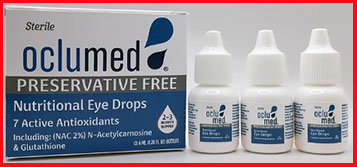
Let me take you back to when I first started noticing the problem. I’d be driving at night and the oncoming headlights would scatter into these annoying halos. Reading was getting harder, even with my glasses on. My optometrist confirmed what I’d feared — early-stage cataracts forming in both eyes.
Surgery wasn’t on the table yet. My doctor said we’d “monitor it.” But sitting around waiting for my vision to get worse felt completely unacceptable to me. That’s when I started researching alternative options, and OcluMed kept coming up in forums, Reddit threads, and optometry discussion boards.
I ordered my first bottle with moderate skepticism. I wasn’t expecting a miracle — I just wanted something that might slow things down. The packaging was straightforward, the instructions were clear, and the dropper was easy to use without making a mess.
The first few days, I noticed nothing unusual. No burning, no stinging, no redness — which honestly already put it ahead of some other drops I’d tried in the past that left my eyes red and irritated. The solution itself felt gentle, almost like high-quality artificial tears with a slightly different viscosity.
By the end of week two, something subtle happened. My night driving felt marginally less stressful. I initially dismissed it as wishful thinking — classic placebo territory, right? But I kept going, committed to giving it a real shot.
Around the four-week mark, I noticed I was reaching for my glasses less when reading under standard lighting. Not dramatically, but noticeably. My wife even commented that I seemed less squinty. I started taking that as a sign something was actually working.
By week eight, I did a proper comparison. I pulled out an old vision test chart I’d printed off previously and noticed I could read one additional line compared to my baseline. Again, not dramatic. Not “throw your glasses across the room” dramatic. But real, measurable, and honestly exciting given my expectations going in.
I also started paying attention to how my eyes felt throughout the day. Before OcluMed, my eyes felt dry and tired by afternoon. With consistent use — twice daily as directed — that afternoon fatigue noticeably reduced. Whether that’s the carnosine, the lubricating base, or a combination, I can’t say for certain. But the quality of life improvement was real.
I continued use through the three-month mark, and I want to be upfront here — the improvement plateaued. The gains I saw in the first eight weeks didn’t dramatically multiply. It felt like the drops were doing their best work during an active improvement window, then settling into a maintenance mode.
I also paid attention to what I was eating, staying consistent with antioxidant-rich foods during this period — blueberries, leafy greens, nuts. I can’t claim OcluMed alone deserves all the credit, but it was a meaningful part of my routine.
Would I call it a cure? Absolutely not. Would I call it genuinely useful for early-stage cataract management and overall lens health? Yes, without hesitation. The experience gave me something my “monitor and wait” plan never did — a sense of agency over my own eye health.
If you’re in the early stages of cataract development and looking for something to incorporate into your daily regimen, I genuinely think this product is worth a serious try. But you need to be patient, consistent, and realistic about what it can and can’t do.
Read More: My Experience with Luv Health Neuro Drops
Pros Of OcluMed Eye Drops
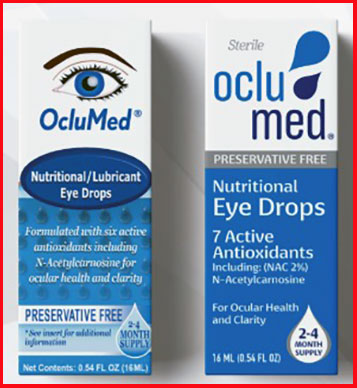
- Carnosine-Based Formula: The active ingredient N-acetylcarnosine is a well-researched antioxidant specifically studied for its potential to reduce lens oxidation and cloudiness.
- Non-Invasive Option: You get to address early cataract development without the risks, recovery time, or financial burden of surgery — which is a huge practical win.
- Gentle On Sensitive Eyes: Unlike some medicated drops that sting or cause temporary redness, OcluMed consistently feels soft and well-tolerated even after prolonged daily use.
- No Prescription Required: You can purchase OcluMed without a doctor’s prescription, which makes it accessible to people managing their eye health independently or between appointments.
- Antioxidant Eye Protection: Beyond cataracts, the antioxidant properties help protect against general oxidative stress in the eye — a benefit that extends well past cataract management alone.
- Clinically Referenced Ingredient: N-acetylcarnosine has appeared in peer-reviewed studies exploring its effects on lens clarity, giving this product more scientific backing than many competing drops on the market.
- Easy-To-Use Dropper Design: The bottle delivers consistent drops without splashing or wasting product, which matters more than people realize when you’re using something twice daily long-term.
- Compatible With Contact Lens Wearers (With Timing): Many users, myself included, have found it integrates well into existing routines when applied at appropriate intervals around contact lens wear.
- Positive Effect On Eye Comfort: Beyond vision-related benefits, daily use appeared to improve overall eye hydration and reduce that end-of-day dry, fatigued feeling significantly.
- Long Shelf Life Before Opening: The sealed bottles maintain their integrity well, and the preservative system appears effective without causing the irritation that some preserved drops are known to trigger.
- Reasonably Priced Per Bottle: When you break down the cost per day of use compared to clinical alternatives or prescription-grade drops, OcluMed sits at a surprisingly accessible price point.
- Available Online For Convenient Purchasing: You don’t need to hunt through specialty pharmacies — ordering online is smooth and the product arrives quickly through most major retailers.
Cons Of OcluMed Eye Drops
- Results Take Considerable Time: Don’t expect quick wins here — meaningful changes often take four to eight weeks of consistent use, which requires patience most people underestimate going in.
- Not A Surgical Replacement For Advanced Cataracts: If your cataracts are already significantly developed, this product is unlikely to provide the level of improvement you actually need at that stage.
- Plateau Effect Possible: Some users, including myself, notice that improvements level off after a certain point rather than continuing to build progressively with ongoing use.
- Limited Large-Scale Clinical Trials: While the active ingredient has research support, OcluMed as a specific brand hasn’t been the subject of large independent clinical studies confirming its exact efficacy claims.
- Requires Strict Twice-Daily Consistency: Missing doses or being inconsistent with the schedule appears to slow or reduce the effectiveness — it demands genuine daily discipline to see results.
- Cost Can Add Up Over Time: A single bottle doesn’t last as long as expected for twice-daily users, meaning the ongoing monthly cost for sustained use is something to budget for consciously.
- Results Vary Significantly Between Users: Not everyone reports the same improvements — factors like cataract stage, overall eye health, and lifestyle all influence how much benefit you actually experience.
- Packaging Could Be Improved: The bottle is functional but not the most ergonomic option for older users or those with limited hand dexterity who struggle with small dropper mechanisms.
Maintenance Tips For OcluMed Eye Drops
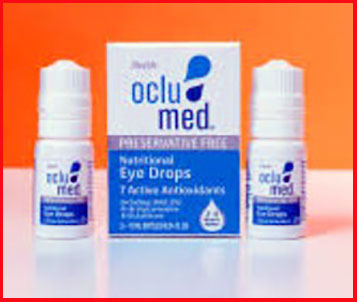
- Store Drops At Room Temperature: Avoid storing OcluMed in hot cars or humid bathrooms — consistent room temperature storage protects the carnosine’s chemical stability and effectiveness over time.
- Always Wash Hands Before Application: Clean hands reduce contamination risk significantly, and since you’re applying directly to your eye area, this is a non-negotiable hygiene step every single time.
- Don’t Touch The Dropper Tip To Your Eye: Tip contamination is the fastest way to introduce bacteria into your bottle — hold it slightly above the eye and let the drop fall naturally.
- Apply At Consistent Times Each Day: Setting a morning and evening alarm keeps your dosing schedule tight, and consistency with timing appears to genuinely improve the overall outcome you’ll experience.
- Wait At Least Five Minutes Between Different Eye Drops: If you use other drops like artificial tears or glaucoma medication, give each product time to absorb before applying the next one for maximum benefit.
- Refrigerate After Opening If Instructed: Check your specific product batch — some formulations benefit from refrigeration after opening to maintain potency throughout the bottle’s usage period.
- Check Expiry Dates Carefully: Carnosine-based formulas can degrade over time, and using expired drops doesn’t just reduce effectiveness — it could potentially irritate already sensitive eye tissue.
- Pair With Antioxidant-Rich Nutrition: Supporting your eye health from the inside matters — foods like blueberries, spinach, and walnuts complement what OcluMed is doing topically at the cellular level.
- Protect Your Eyes From UV Exposure: Wearing UV-blocking sunglasses daily reduces the oxidative stress that accelerates cataract formation, making your OcluMed routine significantly more effective overall.
- Schedule Regular Optometrist Check-Ins: Using drops as a solo strategy without professional monitoring isn’t wise — your doctor can track actual lens changes and adjust your approach when necessary.
- Track Your Vision Changes In A Journal: Keeping a simple weekly log of how your vision feels helps you objectively measure progress rather than relying purely on subjective daily impressions.
- Avoid Rubbing Your Eyes After Application: Give the drops time to settle and absorb into the lens tissue — rubbing immediately after application can displace the product before it’s had a chance to work.
- Use Each Bottle Within The Recommended Period After Opening: Most bottles have a “use within 30 days of opening” guideline — sticking to this ensures you’re never using degraded product unknowingly.
Comparison With Other Brands
When you’re spending money on your eye health, comparing your options isn’t optional — it’s essential. OcluMed doesn’t exist in a vacuum, and understanding how it stacks up against alternatives will help you make a smarter buying decision.
OcluMed Vs. Can-C Eye Drops
Can-C is probably the most well-known competitor in the N-acetylcarnosine eye drop space. Both products use the same core active ingredient, but the concentration and delivery vehicle differ. Can-C has been around longer and has more published user testimonials, while OcluMed is often cited as a more refined, gentler formula in terms of daily comfort. If you have particularly sensitive eyes, OcluMed may be the more tolerable daily experience, though Can-C arguably has more brand recognition and community support behind it.
OcluMed Vs. Bright Eyes Drops
Bright Eyes is another carnosine-based drop that markets itself heavily toward natural eye health. It tends to be priced higher per bottle than OcluMed, and while some users report similar results, others find OcluMed more effective on a cost-per-result basis. Bright Eyes has a strong UK market presence, whereas OcluMed appears more accessible to North American consumers through mainstream online platforms.
OcluMed Vs. Lumify Eye Drops
This is an important comparison to make because Lumify is wildly popular, but it solves a completely different problem. Lumify targets redness through a selective alpha agonist mechanism — it makes your eyes look whiter and brighter immediately. OcluMed is working at a cellular level to address lens oxidation. They’re not competing for the same use case, but many people mistakenly compare them when looking at eye drops generally. If you have cataracts, Lumify will do nothing useful for you — OcluMed is specifically targeting your actual condition.
OcluMed Vs. Systane Ultra
Systane Ultra is a premium artificial tear product designed primarily for dry eye relief and surface lubrication. It has no active cataract-management ingredient and makes no such claims. Some users use Systane alongside OcluMed for comfort between dosing, which is actually a reasonable approach. But they aren’t substitutes — if you want carnosine’s antioxidant effect on your lens, Systane can’t provide that no matter how high-quality its lubrication formula is.
Also Read: My thoughts on Drop The Pounds Com Trim
Frequently Asked Questions (FAQ)
OcluMed uses N-acetylcarnosine, an antioxidant studied for its potential to address lens oxidation associated with cataract formation. Clinical evidence suggests it may slow progression in early-stage cataracts and improve lens clarity for some users. It is not a proven cure and works best as part of a broader eye health management strategy rather than as a standalone medical treatment.
Currently, no eye drop is universally accepted as a definitive cataract treatment by mainstream ophthalmology. Among available options, N-acetylcarnosine drops like OcluMed and Can-C have the most research support for potential lens benefit. Your best approach is speaking with your eye care professional about integrating these alongside regular monitoring rather than replacing any medically recommended care.
OcluMed’s primary active ingredient is N-acetylcarnosine (NAC), typically at a 1% concentration. Supporting ingredients in the base formula generally include purified water, glycerin as a lubricant, carboxymethylcellulose sodium, buffering agents to maintain appropriate pH balance, and a preservative system designed to maintain sterility without causing excessive irritation to the ocular surface.
Research on carnosine’s effect on cataracts is genuinely promising but not conclusive at a large-scale clinical level. Some peer-reviewed studies — including work by Dr. Mark Babizhayev — have shown measurable improvements in lens transparency with consistent carnosine application. However, most experts describe this as a potential slowing or partial reversal of early-stage lens clouding rather than a complete reversal of fully developed cataracts. Results depend heavily on cataract stage, consistency of use, and individual biology.
Conclusion
If you’re managing early-stage cataracts and looking for a non-invasive daily option, OcluMed is genuinely worth adding to your routine. It’s not magic, but it’s one of the most science-backed over-the-counter options available today. You can grab OcluMed through major online retailers right now — and considering the cost of doing nothing while your vision slowly worsens, the price of trying it is honestly a very easy decision to make.
Recent Posts
● Interactive 5-Zone Interior & Exterior Paint Blueprint Paint Coverage Calculator: Gallons, Primer, Square Footage & Cost Tap any architectural surface zone on the blueprint...
If you want smooth, shiny hair without spending a fortune on a premium styling tool, the Ella Bella hair dryer may be worth considering.In these Ella Bella hair dryer reviews, I’ll look...