
If you’re dealing with migraines and constantly searching for relief, I understand the temptation to try anything that promises comfort and support.
I decided to test the Ornexis Migraine Pillow myself because the idea of pain relief through better sleep sounded appealing.
But after using it consistently, I wouldn’t recommend buying it—and I’ll explain exactly why in this detailed review so you can make a smarter decision.
My Personal Experience With The Ornexis Migraine Pillow
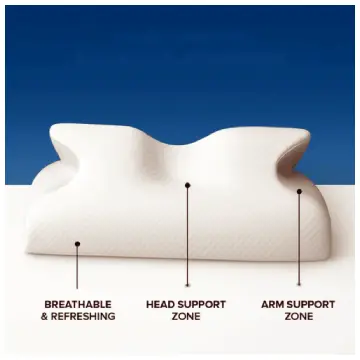
When I first received the Ornexis Migraine Pillow, I’ll admit—I was hopeful.
The packaging emphasized ergonomic design, pressure relief, and neck alignment, all things that sounded perfect for someone like me who struggles with tension headaches and occasional migraines.
The first night felt… okay. Not amazing, not terrible. The pillow had a slightly firm structure with contoured edges that were supposed to cradle my neck.
Initially, it felt supportive, especially when lying on my back. I thought maybe this was one of those products that takes time to appreciate.
But by the third night, things started to shift.
I noticed stiffness in my neck in the morning, which was surprising because the pillow claimed to improve spinal alignment. As someone who switches between back and side sleeping, I found the design restrictive.
It didn’t adapt well when I turned, and I often woke up adjusting my position.
Over the next couple of weeks, I paid close attention to whether it helped with migraines. Unfortunately, I didn’t notice any meaningful reduction. In fact, on a few mornings, I woke up with more tension around my shoulders and upper neck—exactly the areas that can trigger headaches.
Another issue was heat retention. The pillow tended to trap warmth, which made sleeping uncomfortable, especially in a warmer room.
For migraine sufferers, overheating can actually be a trigger, so this was a major downside for me.
What really stood out was inconsistency. Some nights felt tolerable, but others left me tossing and turning. That unpredictability made it hard to rely on the pillow as a long-term solution.
By the end of my testing period, I found myself going back to my old pillow—not because it was perfect, but because it was more comfortable and reliable.
So while the Ornexis Migraine Pillow markets itself as a solution, my experience suggests it falls short in delivering consistent relief or comfort.
What The Ornexis Migraine Pillow Promises?
Before judging it too harshly, it’s important to understand what it claims to do.
The product is designed to:
- Support proper neck alignment
- Reduce pressure points
- Improve sleep posture
- Help alleviate migraine triggers related to tension
On paper, this all sounds great. These are legitimate factors that can influence headaches and sleep quality. The problem isn’t the concept—it’s the execution.
Pros Of The Ornexis Migraine Pillow
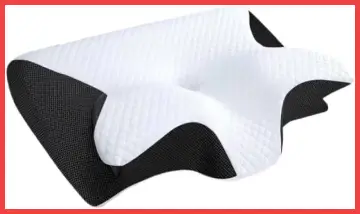
- Ergonomic Design That Looks Promising
One thing I’ll give credit for is the concept behind the pillow. Like most cervical pillows, it’s designed to support the natural curve of your neck and spine.
In theory, this kind of ergonomic shape can help reduce strain and improve sleep posture.
Research and product designs in this category show that memory foam contour pillows can align your neck and distribute pressure more evenly, which may reduce stiffness and discomfort over time
So when you first look at the Ornexis pillow, it feels like you’re investing in something thoughtful and health-focused.
- Memory Foam Contouring Feels Supportive at First
When you lie down initially, the memory foam does what it’s supposed to do—it molds around your head and neck.
That “hugging” sensation can feel reassuring, especially if you’re used to flat or worn-out pillows.
This contouring effect is actually one of the main benefits of memory foam pillows in general. They adapt to your shape and can relieve pressure points
For the first few nights, I genuinely felt like the support was better than a standard pillow.
- Lightweight and Easy to Adjust
Another small but practical advantage—you won’t struggle moving it around. It’s not bulky or overly dense compared to some orthopedic pillows.
If you’re someone who adjusts your pillow a lot during the night or likes to travel with your own pillow, this is a minor plus.
- Hypoallergenic and Skin-Friendly Materials
Most pillows in this category, including Ornexis, use materials designed to resist dust and allergens. Many come with removable, washable covers, which helps maintain hygiene.
That’s important because pillows can accumulate dust mites and allergens over time, which can disrupt sleep or even trigger discomfort
So from a cleanliness standpoint, it does meet basic expectations.
- Could Work for Strict Back Sleepers
If—and this is a big if—you sleep strictly on your back and don’t move much, you might find the shape tolerable.
Cervical pillows are often designed with back sleepers in mind, and some people do report better neck positioning when they stay in one position all night.
But again, this only applies to a very specific type of sleeper.
Cons Of The Ornexis Migraine Pillow
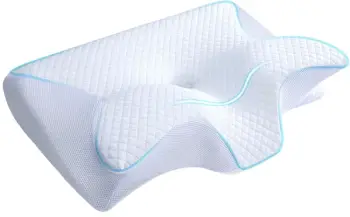
- Doesn’t Actually Help With Migraines
Let’s be direct—this is the biggest problem.
Migraines are complex. They can be triggered by stress, hormones, sleep patterns, posture, or even temperature. A pillow alone is rarely enough to solve that.
Even experts point out that while posture pillows may reduce neck strain, their effectiveness for broader issues like migraines is limited and highly individual
From my experience, this pillow didn’t reduce migraine frequency or intensity in any meaningful way.
- Too Firm and Can Cause Neck Stiffness
Instead of relieving tension, the firmness can actually create it.
Memory foam pillows are supposed to balance support and comfort—but when the density or shape isn’t right, they can feel too rigid. That’s exactly what I experienced.
And I’m not alone—many users of similar cervical pillows report discomfort when the shape doesn’t match their neck perfectly. One user even said it felt “like a rock” and caused headaches instead of relieving them
That’s the risk with fixed-shape pillows: if it doesn’t fit you, it works against you.
- Uncomfortable for Side and Combination Sleepers
If you move around at night, this pillow quickly becomes frustrating.
The contoured shape locks you into certain positions. When you try to switch sides, it doesn’t adapt well. Instead of supporting your movement, it forces you to readjust constantly.
And if you’re a side sleeper, getting proper neck alignment becomes tricky because the height may not match your shoulder width.
- Heat Retention Makes Sleep Worse
This was one of the most noticeable downsides.
Memory foam, especially without advanced cooling features, tends to trap heat. That can lead to sweating, discomfort, and interrupted sleep.
And here’s the issue—overheating at night is a known factor that can disrupt sleep and even contribute to headaches
So instead of helping migraines, it can actually make your sleep environment worse.
- Inconsistent Comfort Night-to-Night
Some nights feel okay, others don’t. That inconsistency is a big red flag.
A good pillow should feel reliable. You shouldn’t have to wonder whether you’ll wake up refreshed or with a stiff neck.
With Ornexis, I never felt that consistency. And over time, that becomes frustrating.
- Not Adjustable
This is where it really falls behind better alternatives.
Many modern pillows allow you to adjust height, firmness, or filling. That customization is crucial because everyone’s neck and sleep style is different.
The Ornexis pillow doesn’t offer that flexibility. You get one shape—and you either adapt to it, or you don’t.
Tips Ornexis Migraine Pillow
- Keep the Pillow Clean Regularly
You’ll want to maintain hygiene by cleaning the cover frequently. Since you’re using it every night, sweat and oils can build up quickly.
If the cover is removable, wash it weekly to keep things fresh and comfortable.
- Give It a Trial Period—But Stay Realistic
If you decide to try it anyway, give yourself about one to two weeks to adjust. Sometimes your body needs time to adapt to a new pillow.
But don’t ignore discomfort. If you’re waking up with pain, that’s your body telling you something isn’t right.
- Pair It With Good Sleep Habits
No pillow can fix poor sleep habits. Make sure your mattress, sleeping position, and bedtime routine are all aligned.
A pillow is just one part of the equation.
- Don’t Expect It to Replace Medical Treatment
This is important. Migraines often require medical attention, lifestyle changes, or targeted therapies.
Relying solely on a pillow for relief isn’t realistic.
- Keep the Pillow Cover Clean and Fresh
This might sound basic, but it’s one of the most important habits.
Your pillow absorbs sweat, skin oils, and even environmental dust every single night. Over time, that buildup doesn’t just affect hygiene—it also impacts how the pillow feels against your skin.
If your Ornexis pillow has a removable cover (most do), you should:
- Wash it at least once a week
- Use mild detergent to avoid fabric damage
- Avoid harsh chemicals that can irritate your skin
From my experience, a freshly washed cover makes the pillow feel noticeably more comfortable—even if the internal support isn’t perfect.
- Use a High-Quality Breathable Pillowcase
One of the biggest flaws of this pillow is heat retention. You can’t completely fix that, but you can reduce the discomfort.
Switching to a breathable pillowcase—like cotton or bamboo—helps regulate temperature better than synthetic fabrics.
What I noticed personally:
- Less sweating during the night
- Slightly improved comfort
- Fewer sleep interruptions
It’s a small adjustment, but it makes a real difference, especially if you live in a warm or humid environment.
- Air It Out Regularly
Memory foam tends to trap odors and moisture over time.
To prevent that “stale pillow” feeling, make it a habit to air it out:
- Place it in a well-ventilated room once or twice a week
- Avoid direct sunlight for long periods (it can damage foam)
- Let it breathe for a few hours
This helps maintain freshness and prevents moisture buildup, which can otherwise make the pillow feel heavier and less comfortable.
- Avoid Washing the Memory Foam Core
This is a mistake I almost made—and it can ruin the pillow.
The inner memory foam should never be machine washed or soaked in water. Doing so can:
- Break down the foam structure
- Cause uneven firmness
- Lead to long-term damage
If the foam gets dirty, the safest approach is:
- Spot clean gently with a damp cloth
- Let it air dry completely before use
Treat the core carefully—it’s the part that determines whatever support the pillow can provide.
Comparison Ornexis Migraine Pillow With Other Brands
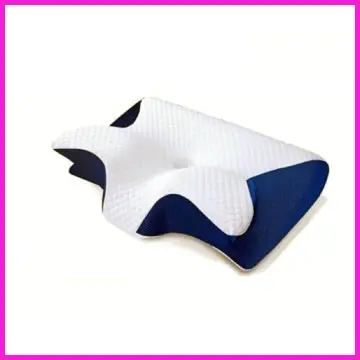
- Memory Foam Contour Pillows
Compared to standard memory foam contour pillows, the Ornexis version feels less adaptive.
Many well-known memory foam options mold better to your head and neck, offering more consistent support.
You might find those alternatives more comfortable, especially if you move during sleep.
- Cooling Gel Pillows
Cooling gel pillows clearly outperform Ornexis in temperature control. If overheating is an issue for you, these alternatives are worth considering.
They maintain a cooler surface throughout the night, which can improve sleep quality.
- Adjustable Loft Pillows
Adjustable pillows allow you to customize height and firmness. This is something Ornexis lacks.
Being able to tweak your pillow makes a huge difference, especially if you’re trying to reduce neck strain.
- Orthopedic Pillows Recommended by Professionals
Some orthopedic pillows are specifically designed with clinical input. Compared to those, Ornexis feels more like a generic product with marketing claims rather than a truly refined solution.
Who Should Avoid This Pillow?
If you:
- Sleep on your side or switch positions frequently
- Are sensitive to heat during sleep
- Expect noticeable migraine relief
- Prefer softer or adjustable pillows
Then this probably isn’t the right choice for you.
Also Read: Is dreamers relief pillow Worth It?
Frequently Asked Questions (FAQ)
They can help in some cases, especially if your migraines are triggered by poor posture or neck tension. However, they’re not a guaranteed solution. For many people, including myself, the results are limited or inconsistent.
The best options are usually adjustable pillows or high-quality memory foam designs that provide proper neck support and temperature control. Comfort and adaptability matter more than marketing claims.
Chiropractors often recommend contour pillows that support the natural curve of your spine. However, they also emphasize individual fit—what works for one person may not work for another.
There isn’t a single “best” pillow for everyone. Highly rated pillows typically offer adjustable features, breathable materials, and consistent support. User comfort plays a huge role in ratings.
Final Verdict
After using the Ornexis Migraine Pillow myself, I can’t recommend it.
While the concept is solid, the execution falls short—especially if you’re hoping for migraine relief.
You’re better off investing in a more adaptable, breathable, and well-reviewed pillow that actually suits your sleeping style and comfort needs.
Recent Posts
● Interactive 5-Zone Interior & Exterior Paint Blueprint Paint Coverage Calculator: Gallons, Primer, Square Footage & Cost Tap any architectural surface zone on the blueprint...
If you want smooth, shiny hair without spending a fortune on a premium styling tool, the Ella Bella hair dryer may be worth considering.In these Ella Bella hair dryer reviews, I’ll look...