
I have spent years dealing with dull kitchen knives, hunting blades, and everyday tools that lose their edge far too quickly. After trying stones, rods, and several manual systems, I settled on powered belt sharpeners from Work Sharp because they deliver consistent results without hours of practice. In this article, I compare the Work Sharp Knife And Tool Sharpener Mk2 against the Ken Onion Edition to help you decide which one suits your needs better.My main intent is to share honest experiences from real use so you can pick the right tool for maintaining sharp edges on your knives and tools without frustration or wasted money.
A Brief Comparison Table
| Feature | Work Sharp Mk2 | Ken Onion Edition |
| Angle Options | 20° and 25° fixed guides | Adjustable 15° to 30° in 1° increments |
| Speed Control | Two speeds (low for knives, high for tools) | Variable speed with dial and lock |
| Belt Type And Size | Standard 1/2″ x 12″ abrasive belts | Wider premium 3/4″ x 12″ Norax belts that last longer |
| Motor Power | Solid two-speed motor for general use | Heavier-duty variable speed motor with better cooling |
| Additional Capabilities | Good for knives, scissors, and light tools | Supports blade grinding attachment for reshaping and thinning |
| Best For | Beginners and casual maintenance | Serious users wanting precision and versatility |
| Price Point | More affordable entry level | Higher investment for advanced features |
My Experience With work sharp mk2
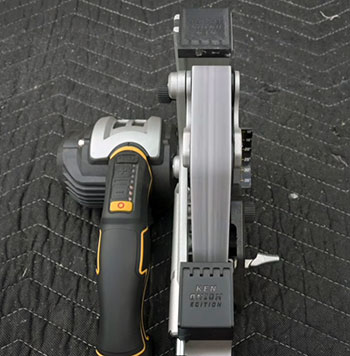
I started with the Mk2 because it looked straightforward and fit my budget. The unit feels sturdy in hand with a comfortable grip that does not slip during use.
It comes with three belts: coarse for repairing damaged edges, medium for everyday sharpening, and fine for polishing.
I appreciate how quickly I can swap belts without tools. The two angle guides clip in easily, and the leather lining on the guides protects blade finishes from scratches.
When I first powered it on, the low speed worked perfectly for my kitchen knives. I placed the blade in the guide, started the motor, and pulled through with light pressure.
Within minutes, my dull chef knife sliced paper cleanly again. The high speed handles tougher jobs like hatchet edges or garden shears without bogging down. For most home users, this simplicity saves time and reduces mistakes.
The Ken Onion Edition takes the same core belt sharpening idea but adds meaningful upgrades that I noticed right away. The adjustable angle guide lets me dial in exactly what I need, whether 15° for a delicate slicing knife or 30° for a heavy chopper.
Variable speed control gives me fine tuning that the Mk2 simply cannot match. I lock the speed for consistent passes or vary it on the fly for different steels.
Wider belts on the Ken Onion provide more surface contact, which means faster material removal and smoother results. The premium Norax belts resist clogging and last noticeably longer than the standard ones on the Mk2.
I also like the option to add the blade grinding attachment later, which turns the sharpener into a mini grinder for spine thinning or creating new bevels.
Pros Of Work Sharp Mk2
- Affordable Price Point: The Mk2 costs less upfront, making it accessible if you want powered sharpening without a big commitment. I saved money compared to the Ken Onion and still got reliable performance for daily needs.
- Simple Setup And Operation: Everything clicks into place quickly. No complicated adjustments mean I can sharpen a set of knives in under ten minutes once I have the rhythm. Beginners benefit from the fixed guides that remove guesswork about angles.
- Effective Two Speed Motor: Low speed prevents overheating on thin blades while high speed tackles thicker tools efficiently. In my tests, it restored edges on pocket knives and scissors without any burning or blueing of the steel.
- Compact And Portable Design: The unit does not take up much counter space and feels balanced when held. I have moved it from kitchen to garage without hassle, and the cord length works well for most setups.
- Versatile For Basic Tasks: It sharpens straight edges, serrations with care, and even scissors using the included guide. My hunting knives came back to life after a season of use, and the fine belt left a toothy edge that holds up well in the field.
- Easy Belt Changes: Swapping grits takes seconds. The system includes extra belts, so I keep coarse, medium, and fine ready. This progression lets me repair then refine without switching machines.
- Lightweight Yet Stable: At around two pounds, it stays put on the bench during use but moves easily for storage. Rubber feet reduce vibration, so the whole process feels controlled.
- Good For Maintenance Rather Than Heavy Reshaping: If your knives stay reasonably sharp and you just touch them up regularly, the Mk2 excels. I use it weekly on kitchen blades and notice they stay usable longer between full sharpenings.
- Includes Useful Accessories: The scissor guide and extra belts add value right out of the box. I found the instructions clear enough that I avoided common mistakes after one practice session.
- Reliable Build Quality: Work Sharp designs these units to last. After months of regular use, mine shows minimal wear, and the motor runs smoothly without unusual noise.
- Quick Results On Everyday Knives: Paper towel tests after sharpening confirm the edge cuts cleanly. For home cooks or casual outdoorsmen, this performance level satisfies without needing pro-level features.
- Forgiving On User Technique: Light pressure and steady pulls produce good edges even if my form is not perfect. The guides keep the angle consistent, which builds confidence fast.
Cons Of Work Sharp Mk2
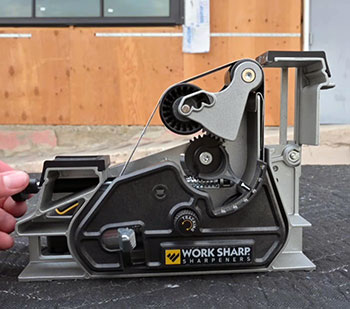
- Limited Angle Choices: Only 20° and 25° guides restrict options. Some Japanese knives prefer 15°, and heavier choppers like 30°. I sometimes wish for more flexibility without guessing.
- Non Variable Speed: Two fixed speeds work but lack the fine control of a dial. On delicate steels, I occasionally feel the low speed is still a bit aggressive.
- Narrower Belts: Smaller belt width means less contact area and slightly slower sharpening on longer blades. I notice more passes needed compared to wider systems.
- Standard Belts Wear Faster: The included abrasives do the job but clog or degrade quicker than premium versions. I replace them more often than I would like.
- No Blade Grinding Attachment Compatibility: You cannot add the useful grinding accessory that allows reshaping or thinning. This limits long-term versatility for advanced users.
- Less Ideal For Heavy Duty Work: Prolonged use on very dull or damaged tools can strain the motor. I avoid extended sessions on axes to prevent overheating.
- Bigger Grit Jump From Medium To Fine: The progression from 220 to 6000 leaves some visible scratches that require extra care to polish fully. A few intermediate belts would help.
- Fixed Guides Can Feel Restrictive: Once you gain experience, the lack of micro adjustments makes custom convex edges harder to achieve consistently.
- Potential For Tip Rounding: If you lift the blade incorrectly near the tip, the belt can round it over. This happened to me once before I mastered the pull-through motion.
- Basic Cooling Compared To Premium Models: Extended runs generate more heat buildup, so I pause more frequently than with variable speed options.
Also Read: Comparison of Superbox S5 Pro And Max
Maintenance Tips For Work Sharp Mk2
- Clean After Every Use: I brush off metal dust and debris from the guides and belt area right after sharpening. A soft paintbrush works best to reach tight spots without damaging components.
- Check Belt Tracking Regularly: Before each session, I make sure the belt runs centered. Slight adjustments to the tension knob keep it aligned and prevent premature wear.
- Use Light Pressure Only: Heavy pushing wears belts faster and risks overheating the blade. I let the machine do the work with gentle pulls for longer belt life and better edges.
- Store In A Dry Location: Moisture can affect the motor and belts. I keep mine in a cabinet away from humidity to avoid corrosion or belt degradation.
- Inspect Guides For Wear: The leather lining protects blades, but I replace or clean it when it shows grooves. Smooth guides ensure consistent angles.
- Avoid Overloading The Motor: I limit continuous run time and let the unit cool between heavy tool sharpening sessions. This prevents premature motor fatigue.
- Replace Belts At The Right Time: When sharpening takes more passes or the belt feels smooth and glazed, I swap it out. Keeping spares on hand avoids downtime.
- Wipe Down The Body: A damp cloth removes dust buildup on the housing. I avoid harsh solvents that could damage plastic parts.
- Lubricate Moving Parts Sparingly: A tiny drop of light machine oil on pivot points keeps the mechanism smooth without attracting dirt.
- Test On Scrap Metal First: For new belts or after cleaning, I practice on an old knife to confirm settings before touching good blades.
- Monitor For Unusual Noises: Any grinding or rattling prompts me to stop and check belt alignment or debris. Early attention prevents bigger issues.
My Experience With Ken Onion Edition
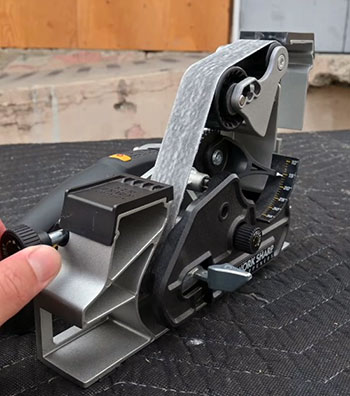
After using the Mk2 for a while, I upgraded to the Ken Onion Edition to gain more control. The adjustable angle guide changed everything for me.
I could finally match exact factory angles on my Japanese knives at 15° or create robust 30° edges on choppers. Variable speed let me start slow for precision and increase for faster material removal when needed.
The wider belts made longer blades easier to handle with fewer passes. I added the blade grinding attachment after a few weeks, and it opened up new possibilities like thinning thick blades or reprofiling edges. My experience shifted from basic maintenance to actual customization.
Sessions now take similar time but produce noticeably better edges with less visible scratches. The heavier duty motor handles back to back sharpening of multiple tools without complaint.
I still use the Mk2 for quick kitchen touch ups because of its simplicity, but the Ken Onion has become my go to for serious work.
It costs more, yet the added features justify the investment if you value precision and future expandability. Both tools taught me that powered belt sharpening beats manual methods for consistency and speed in real life use.
Pros Of Ken Onion Edition
- Adjustable Angle Precision: The Ken Onion Edition lets you set any angle from 15° to 30° in one-degree steps, giving exact control over every blade. I can match factory angles on Japanese knives or create tougher edges on heavy choppers without guessing or switching guides.
- Variable Speed Control: With a smooth dial and lock feature, I adjust motor speed instantly for different steels and tasks. Slow speeds prevent burning delicate edges while higher speeds remove material quickly on dull tools, making every session more efficient.
- Wider Premium Norax Belts: The 3/4 inch belts provide more surface contact than standard models, so sharpening goes faster and feels smoother. These belts resist clogging better and last significantly longer, saving me money on replacements over time.
- Heavy Duty Motor Performance: The more powerful motor handles extended use without bogging down or overheating quickly. I sharpen multiple large tools in one go and still get consistent power throughout the session.
- Blade Grinding Attachment Compatibility: I added the optional grinding attachment and now thin thick blades or create new profiles easily. This turns the sharpener into a versatile mini grinder that expands what I can achieve at home.
- Faster Material Removal: Wider belts combined with variable speed let me repair damaged edges much quicker than fixed-speed systems. A badly nicked hunting knife that once took twenty minutes now finishes in under ten with better results.
- Smoother Edge Finish: The premium belts leave a cleaner bevel with fewer deep scratches, so less follow-up work is needed. My kitchen knives glide through food more smoothly after using the fine grit stage.
- Comfortable And Balanced Design: The unit feels solid yet easy to hold or mount, reducing fatigue during longer sharpening sessions. I appreciate the thoughtful ergonomics that make repeated use enjoyable rather than tiring.
- Versatile For Many Tools: Beyond knives, it excels on scissors, garden shears, axes, and even some woodworking tools. The adjustable features adapt to different shapes and sizes better than more limited sharpeners.
- Long Term Expandability: Starting with the base unit, I can add accessories later without buying a whole new machine. This future-proofs my investment as my sharpening needs grow.
- Better Heat Management: Variable speed and improved cooling let me work longer without pausing. I rarely see blade discoloration even when reprofiling tougher steels.
- Precise Repeatable Results: Once I dial in an angle and speed, every pass stays consistent across a full set of knives. Matching edges on matching blades becomes simple and reliable.
- Stronger Build Quality: The heavier construction and premium components give a high-end feel that inspires confidence. After months of regular use, everything still aligns perfectly with minimal wear.
- Efficient Belt Tracking: The system keeps belts centered reliably even at higher speeds, reducing frustration and extending belt life compared to basic models.
- Excellent For Both Maintenance And Restoration: I use low speed and fine belts for quick touch-ups or higher settings for full reprofiling. One machine covers my entire range of sharpening tasks effectively.
- lly, the durability, performance, and versatility make it pay for itself through better edges and fewer replacements over years of use.
Read More: Comparison of Tozo T6 And T10
Cons Of Ken Onion Edition
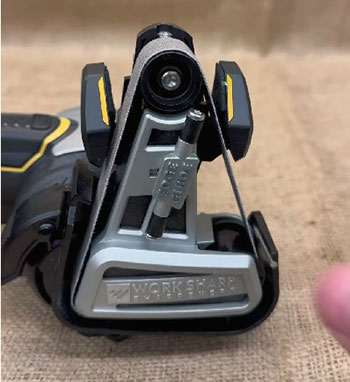
- Higher Initial Cost: The premium features come with a noticeably higher price tag than the Mk2. I hesitated at first because the extra money felt significant until I experienced the added control and longevity.
- Slightly Heavier Unit: The robust build adds some weight, making it less ideal for frequent carrying between locations compared to lighter basic models. I keep it mostly stationary now on my workbench.
- Learning The Variable Controls: Adjusting speed and angle simultaneously takes a short practice period to master fully. Early sessions felt a bit overwhelming until the settings became second nature.
- Requires More Careful Technique: The extra power and wider belts can remove material faster, so mistakes happen quicker if pressure is uneven. I had to refine my pull motion more than with the simpler Mk2.
- Bigger Footprint On The Bench: The design takes up a bit more space than compact alternatives, which matters in smaller workshops or kitchens with limited counter room.
- Premium Belts Cost More To Replace: Although they last longer, individual Norax belts are priced higher when the time comes to restock. I buy in bulk now to manage the expense.
- Potential For Aggressive Cutting: At maximum speed and coarse grit, the system cuts very quickly, increasing the chance of removing too much steel if I am not attentive.
- Angle Guide Can Feel Complex At First: The full range of adjustments offers great flexibility but requires understanding your specific blades better than fixed guides do.
- Limited Included Accessories In Base Kit: Some useful items like extra fine belts or the grinding attachment come separately, adding to the total investment if you want full capability right away.
- Slightly Louder At High Speeds: When running at top variable settings for heavy tools, the noise level rises compared to the gentler operation of basic models.
- More Maintenance Attention Needed: Wider belts and higher power mean I check tracking and clean dust more frequently to keep everything performing at its best.
- Overkill For Casual Users: If you only sharpen a few kitchen knives occasionally, the advanced features may go unused, making the Mk2 a more practical and economical choice instead.
- Requires Stable Surface: The extra power creates more vibration, so I need a solid bench or mount to prevent movement during intense sharpening sessions.
- Not Ideal For Very Small Blades: Extremely narrow or miniature tools can be trickier to handle on the wider belt without extra care and practice.
- Power Cord Could Be Longer: In some setups, the cord length feels limiting, requiring an extension or careful positioning near outlets.
- Higher Electricity Draw During Use: Variable high speeds consume more power than fixed low settings, though the difference remains minor for typical home sessions.
- Steeper Initial Investment For Beginners: New sharpeners might feel intimidated by all the options and do better starting with something simpler before upgrading.
- Occasional Need For Fine Tuning: Even with precise angles, achieving a perfect mirror polish still benefits from additional stropping afterward in some cases.
Maintenance Tips For Ken Onion Edition
- Clean Belts And Guides Thoroughly After Each Session: I use a soft brush and compressed air to remove all metal particles from the belt surface and angle guide. This prevents buildup that could scratch future blades or affect tracking.
- Monitor And Adjust Belt Tension Regularly: Before starting, I check that the belt sits centered and has proper tension. Small tweaks keep it running smoothly and reduce wear on the mechanism.
- Apply Only Light Consistent Pressure: Heavy pushing accelerates belt wear and risks overheating. I let the abrasive do the work with gentle, steady pulls for cleaner results and longer component life.
- Store In A Cool Dry Environment: Humidity and dust can damage the motor and belts over time. I keep the unit covered on a shelf away from moisture and direct sunlight when not in use.
- Inspect The Variable Speed Dial Periodically: Dust or debris can affect smooth operation, so I wipe the control area clean and test different speeds to ensure reliable response.
- Replace Belts Proactively: When a belt starts glazing or requires extra passes, I swap it immediately. Keeping a variety of grits on hand avoids interrupting my workflow.
- Lubricate Pivot Points Sparingly: A drop of light machine oil on moving parts keeps adjustments smooth without attracting abrasive dust that could cause grinding.
- Check Angle Guide Alignment Often: With frequent use, I verify that the adjustable guide still locks securely at my chosen settings for consistent bevels.
- Use The Unit On A Stable Surface: Secure mounting reduces vibration that might loosen internal connections or affect precision during high-speed operation.
- Avoid Continuous Maximum Speed Runs: I give the motor short breaks during heavy sessions to prevent excessive heat buildup and extend overall lifespan.
- Wipe Down The Entire Housing: A slightly damp cloth removes exterior dust and fingerprints, keeping the unit looking new and preventing grime from entering vents.
- Test Settings On Scrap Material First: For new belts or after adjustments, I practice on an old knife to confirm speed and angle before working on valued blades.
Comparison With Other Brands
Superior Speed Over Manual Stones: Compared to traditional whetstones or ceramic rods, the Mk2 removes material much faster while maintaining consistent angles through its guides. I no longer spend an hour per knife.
More Consistent Than Pull Through Sharpeners: Cheap V-notch pull through tools often create uneven edges or damage blades. The belt system with guides gives repeatable bevels that last longer in real use.
Better Value Than High End Guided Systems: Professional precision adjust models from the same brand or competitors offer diamond stones and micro adjustments but cost more and take longer per knife. The Mk2 balances speed and simplicity better for everyday needs.
Easier For Beginners Than Freehand Belt Grinders: Full size belt grinders require significant skill to avoid ruining knives. The Mk2 adds safety guides and fixed angles that reduce risk dramatically.
More Versatile Than Electric Rod Sharpeners: Many electric sharpeners with rotating rods struggle with serrations or varied blade shapes. The Mk2 handles straight, serrated, and even some curved edges with the right technique.
Faster Than Slow Speed Water Cooled Systems: Slow grinders preserve steel temper well but take forever. The Mk2 works quicker for most home users while still avoiding excessive heat with proper light pressure.
Stronger Motor Than Some Budget Competitors: Lesser known belt sharpeners often have weaker motors that bog down. Work Sharp’s design maintains consistent speed under load better in my experience.
More Portable Than Large Benchtop Sharpeners: Full workshop grinders stay fixed in one place. The Mk2 moves easily between kitchen and garage, giving flexibility I appreciate.
Better Edge Retention Than Many Ceramic Systems: The convex edge created by the belt holds up longer in cutting tasks than flat edges from some stone-based sharpeners.
Simpler Maintenance Than Complex Guided Jigs: Precision systems with multiple stones and clamps require more cleaning and calibration. The Mk2 needs basic brushing and belt swaps.
Frequently Asked Questions (FAQ)
The Ken Onion offers adjustable angles from 15 to 30 degrees, variable speed control, wider premium belts, and compatibility with a blade grinding attachment. The Mk2 uses fixed 20 and 25 degree guides, two fixed speeds, and standard narrower belts for a more basic but affordable experience.
Yes, if you sharpen often or want precise control and versatility. The extra features like variable speed and angle range make it worth the higher cost for serious users, though casual sharpeners may find the Mk2 sufficient.
The Ken Onion excels in speed and versatility for creating convex edges quickly across many tools. The Precision Adjust Elite provides more precise flat grinds and mirror finishes but takes longer and suits users who prefer guided stone systems over belts.
Effectiveness depends on your needs, but powered belt systems like these deliver fast, consistent results for most people. The Ken Onion Edition stands out for its balance of power, control, and ability to handle knives plus tools effectively.
Conclusion
I have used both the Work Sharp Mk2 and the Ken Onion Edition extensively, and each serves different users well. If you are just starting out or want simple, effective sharpening for everyday knives and tools without extra features, go with the Mk2.It delivers reliable performance at a friendly price and keeps things straightforward so you can focus on results instead of adjustments.You will appreciate the Ken Onion more if you enjoy fine tuning angles, need variable speed for different tasks, or plan to expand into blade grinding and reshaping.
The added capabilities make it feel like a long term investment that grows with your skills.Ultimately, you cannot go wrong with either since both produce sharp, usable edges faster than most alternatives. Consider how often you sharpen, the variety of blades you own, and whether you value simplicity or advanced control. I keep both now because they complement each other perfectly in my workshop. Pick the one that matches your current habits, and you will enjoy sharper tools with less effort every time you use them.
Recent Posts
● Interactive 5-Zone Interior & Exterior Paint Blueprint Paint Coverage Calculator: Gallons, Primer, Square Footage & Cost Tap any architectural surface zone on the blueprint...
If you want smooth, shiny hair without spending a fortune on a premium styling tool, the Ella Bella hair dryer may be worth considering.In these Ella Bella hair dryer reviews, I’ll look...