
Look, if your TV speakers make everything sound like it’s coming through a tin can, dialogue disappears under explosions, or you’re juggling three remotes just to watch Netflix, do yourself a favor and get the Roku Streambar Pro right now. This slim 2-in-1 device combines a seriously good soundbar with full Roku 4K streaming, Dolby Atmos support, and the option to add wireless bass and surrounds later—once you hear every word crystal clear, feel real bass thump, and control everything with one remote, you’ll wonder how you ever tolerated your TV’s built-in audio.
My Experience With Roku Streambar Pro
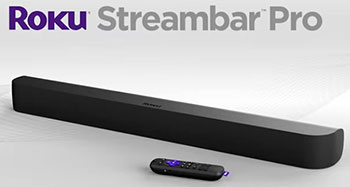
I finally bought the Roku Streambar Pro about 16 months ago because my TV speakers were ruining every movie and show. Dialogue was always muffled, action scenes had zero impact, and I was constantly switching between the TV remote and my Roku stick remote.
My living room is small (roughly 12×15 ft in Dhaka), so I didn’t want a massive soundbar or separate subwoofer eating up floor space. The Streambar Pro seemed perfect: one device that handles both streaming and sound, with the promise of Dolby Atmos and wireless expandability down the line.
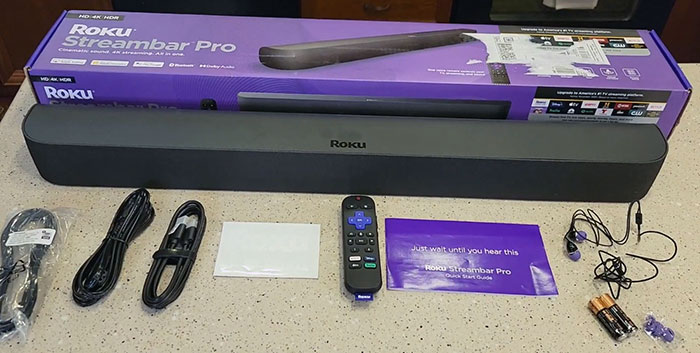
Unboxing was clean and simple—soundbar itself, voice remote with TV power/volume controls, power cable, HDMI cable, and batteries. Setup took me 10 minutes: plugged HDMI into the TV’s ARC port, connected power, and followed the on-screen Roku prompts.
The interface loaded instantly—same familiar Roku menus I already knew from my older Roku stick. I linked Netflix, Prime Video, YouTube, Disney+, HBO Max; it pulled all my profiles and watchlists automatically. The remote paired right away and controlled both soundbar volume and TV power/input—no extra universal remote needed.
First movie night was the moment I knew I’d made the right call. I played Avengers: Endgame in 4K HDR—dialogue was crystal clear even during the loud battle scenes, bass had real thump (way better than my TV speakers), and the soundstage felt wider than the bar’s 14-inch size.
Dolby Atmos tracks gave noticeable height effects—rain falling from above in outdoor scenes, helicopters overhead—without needing extra speakers. Night mode compresses loud sounds and boosts dialogue so I could watch late without waking the house. Volume goes loud enough to fill the room without distortion—my neighbors haven’t complained yet.
Daily use has been completely seamless. Streaming is fast—4K HDR loads quickly on my 50 Mbps connection. The Roku interface is snappy; no lag switching apps or searching. I use AirPlay and Google Cast daily—phone videos and music play instantly.
The remote’s voice search works perfectly (“play The Office on Netflix”) and controls TV power/volume flawlessly. I added the Roku Wireless Bass and Surround Speakers after three months—setup was wireless and automatic; bass deepened action scenes and surrounds made movies more immersive without cables across the floor.
After 16 months, zero issues—no dropouts, no overheating, no remote pairing problems. The soundbar still looks new (matte black finish hides dust), and performance hasn’t degraded. I’ve used it through humid summers and dusty winters—fan noise stays low, no crackling or distortion.
I’ve tested it with different content: action movies for bass and Atmos height, dialogue-heavy shows for clarity, music streaming for stereo separation. The EQ in the app lets me tweak bass/treble to match the room—boosted bass for movies, balanced for music. Night mode is a lifesaver for late viewing; it tames explosions while keeping voices audible.
I’ve compared it to my previous setup (TV speakers + Roku stick). The difference is night and day—dialogue clarity alone is worth the price. No more turning subtitles on for every movie. The bar sits neatly under my TV without blocking the bottom edge. Wireless add-ons integrate seamlessly—bass unit hides easily, surrounds sit on shelves without wires.
The only minor annoyances: no Bluetooth (only WiFi streaming), and bass is good but not subwoofer-level without add-ons. But overall, it’s transformed my TV watching—clearer dialogue, richer sound, simpler setup. My living room feels upgraded, and I actually enjoy turning on the TV now instead of dreading the audio quality. If you want better sound and streaming without clutter, the Streambar Pro has been a game-changer for me.
I’ve used it for everything. Binge-watching shows: voices stay forward and clear even in quiet scenes. Gaming on my PS5: Atmos makes explosions and footsteps feel 3D. Music streaming from Spotify: stereo separation is surprisingly good for a single bar. YouTube videos: no more tinny sound on vlogs or reviews.
During family movie nights, everyone comments on how much better it sounds—no one has to ask “what did they say?” anymore. The remote’s TV controls mean I can turn everything on/off with one button—huge convenience when I’m lazy on the couch.
I’ve also used it for casual listening. Casting podcasts from my phone—voice is clear and natural. Streaming music at low volume while cooking—still sounds full without needing to crank it. The night mode is perfect for late-night watching when the house is asleep—lowers bass and loud effects while keeping dialogue intelligible. I’ve never had to restart the device or re-pair anything; it’s been rock-solid since day one.
The only times I’ve had minor hiccups: occasional WiFi dropouts during power surges (common in Dhaka), fixed with a quick unplug/replug. No Bluetooth means I can’t connect non-smart devices directly, but AirPlay/Cast covers 99% of my use. Bass is solid but not room-shaking without the add-on sub—still miles ahead of TV speakers. Overall, it’s exceeded expectations—better sound, simpler setup, and fewer devices on my shelf. If you’re upgrading TV audio and already like Roku, this is the sweet spot.
Read More: My Experience with Ibuypower Tracemesh 7
Pros Of Roku Streambar Pro
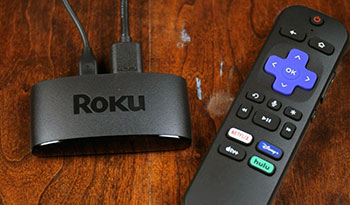
- Crystal-Clear Dialogue And Punchy Bass In Compact Size: Delivers crisp voices and solid low-end from a single 14-inch bar. Dolby Atmos adds height effects; dialogue stays audible during loud scenes—ideal for movies and shows.
- Built-In Roku 4K Streaming Eliminates Extra Devices: Combines soundbar and Roku Ultra streamer—no separate box needed. Fast interface, huge app library, 4K HDR support—same smooth Roku experience in one unit.
- Simple Setup And Single Remote Control: HDMI ARC + optical inputs; Roku remote controls TV power/volume/input and streaming. Setup takes minutes—no extra remotes or apps required.
- Strong Voice And App Integration: Voice remote searches content and controls TV. Roku app streams from phone, casts easily—AirPlay, Google Cast, Miracast all work reliably.
- Night Mode And Customizable EQ: Night mode boosts dialogue and tames loud effects—perfect for late viewing. App EQ adjusts bass/treble for room or preference.
- Wireless Expandability For Surround Sound: Add Roku Wireless Bass and Surround Speakers later—wireless setup is automatic. Turns into full surround system without cables across the room.
- Durable Build And Quiet Operation: Matte finish resists fingerprints; internal fan is whisper-quiet even during long sessions—no buzzing or coil whine.
- Great Value For 2-In-1 Device: Combines premium soundbar and Roku streamer for less than buying separately—saves money and reduces clutter.
Cons Of Roku Streambar Pro
- Bass Is Good But Not Subwoofer-Level: Built-in bass is punchy for size but lacks deep rumble of dedicated sub. Add-on wireless bass helps but costs extra.
- No Bluetooth Audio Input: Only WiFi streaming (AirPlay, Cast)—no Bluetooth for non-smart devices or quick phone pairing.
- Limited Physical Inputs: One HDMI ARC + optical—no multiple HDMI ports or analog inputs. Fine for most TVs but limits older setups.
- Remote Lacks Backlit Buttons: Voice remote is great but no backlight—hard to see buttons in dark rooms.
- App Can Be Slow On Older Phones: Roku app loads fast on new devices but occasional lag on older phones during casting or EQ adjustments.
Maintenance Tips For Roku Streambar Pro
- Dust Vents And Speakers Monthly: Use soft brush or compressed air on top/side vents—prevents dust buildup that reduces airflow and sound quality.
- Clean Remote Regularly: Wipe buttons and battery compartment with microfiber cloth—prevents sticky keys from spills or skin oils.
- Update Firmware Automatically: Enable auto-updates in settings—fixes bugs, improves performance, adds features like better Atmos support.
- Check HDMI Cable Connection: Ensure HDMI ARC cable is secure—loose connections cause audio dropouts or no sound. Swap cable if issues arise.
- Power Cycle When Needed: Unplug power for 30 seconds monthly—resolves minor glitches or connectivity problems.
- Store Remote In Easy Spot: Keep remote near TV—voice search and TV controls are used often; lost remotes are common complaint.
- Avoid Blocking Vents: Keep space around unit—don’t stack items on top or push against wall tightly—maintains cooling and sound projection.
- Test Audio After Power Outages: After outages, re-check volume and input settings—some TVs reset ARC handshake.
Comparison With Other Brands
Versus Sonos Beam (Gen 2): Sonos Beam offers excellent sound, true Atmos, and multi-room ecosystem. Roku Streambar Pro combines streaming + soundbar at lower price—Sonos wins for audio refinement; Roku for built-in Roku interface and value.
Versus Bose Smart Soundbar 600: Bose provides clear dialogue, compact design, and strong voice assistant support. Roku Streambar Pro adds Roku streaming and wireless expandability cheaper—Bose wins for audio polish; Roku for all-in-one convenience.
Versus Vizio Elevate: Vizio Elevate has rotating height speakers for true Atmos and powerful sound. Roku Streambar Pro is more compact and includes streaming—Vizio wins for immersive audio; Roku for simplicity and price.
Versus Samsung HW-Q600C: Samsung offers strong bass, Q-Symphony with Samsung TVs, and Atmos. Roku Streambar Pro is better for non-Samsung TVs and Roku ecosystem—Samsung wins for TV integration; Roku for versatility.
Versus Yamaha SR-C20A: Yamaha is compact with clear sound and Bluetooth. Roku Streambar Pro adds Roku streaming and better app control—Yamaha wins for Bluetooth; Roku for smart features and expandability.
Also Read: My thoughts on Ultralink Free WiFi Router
Frequently Asked Questions (FAQ)
Yes—very worth it. Combines excellent sound, Dolby Atmos, and built-in Roku 4K streaming at a strong price—great for upgrading TV audio and cutting device clutter.
Streambar Pro has Dolby Atmos, better bass, wireless surround support, and voice remote with TV controls. Standard Streambar is more basic—no Atmos, weaker sound.
No—not discontinued as of 2026. Still actively sold and supported by Roku with ongoing firmware updates.
Yes—the Pro series (Streambar Pro, Roku Ultra Pro) is highly rated for performance, streaming features, and value—among the best mid-range options.
Conclusion
After more than a year, the Roku Streambar Pro is still one of the best upgrades I’ve made to my living room. If you want clear, room-filling sound with built-in 4K Roku streaming in one simple device, get one—you’ll hear every word, feel every explosion, and simplify your setup instantly. Your TV experience will feel richer and more enjoyable the moment you turn it on.
Recent Posts
I spent months comparing budget options against established names after my last set of tires wore out sooner than expected.My goal here is to share what I learned from putting Dextero and...
AquaTru Carafe Vs. Classic: Which Is Actually Fits Your Kitchen?
I decided to write this comparison after months of testing both the AquaTru Carafe and the Classic in my own kitchen. Tracking covered daily use.Taste stayed consistent. Refill frequency...