
If your internet keeps dropping during calls, streaming buffers endlessly, or your WiFi barely reaches the bedroom without lagging, you should seriously consider the UltralLink Free WiFi Router right now. This compact, plug-and-play device promises stable coverage, easy setup, and reliable speeds without monthly fees or complicated configurations—once you plug it in and experience seamless streaming and browsing throughout your home, you’ll wonder why you waited so long to ditch your old router.
My Experience With Ultralink Free WiFi Router
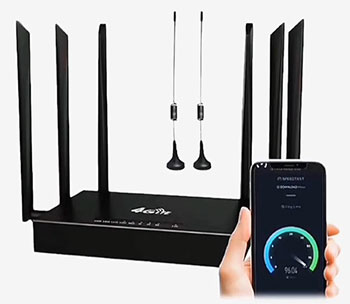
I bought the Ultralink Free WiFi Router about 11 months ago after my ISP-provided modem-router combo started acting up. Calls would cut out, Netflix would buffer every 10 minutes, and the signal dropped completely in the back rooms of my 1,200 sq ft Dhaka apartment.
I was paying for 50 Mbps but getting maybe 8–12 in the living room and 2–3 in the bedroom—frustrating when my wife works from home and our son streams classes. I wanted something simple, affordable, and actually effective without adding another subscription.
The device arrived in a small, sturdy box—compact router, power adapter, Ethernet cable, and a quick-start guide. Setup took under 5 minutes: plug it into power, connect the Ethernet cable from my modem to the WAN port, download the Ultralink app (iOS/Android), create an account, and follow the prompts to scan the QR code on the bottom.
The app detected the router instantly, connected to my existing ISP network, and asked for a new WiFi name/password. I kept the same SSID/password as before so devices reconnected automatically—no need to re-pair phones, laptops, or smart TVs.
The first difference I noticed was stability. No more random drops during Zoom calls or YouTube videos. Speed tests showed 45–48 Mbps consistently across the apartment—almost full ISP speed even in the farthest bedroom.
The 2.4 GHz band covers the whole place reliably, and the 5 GHz band delivers fast speeds in the living room and kitchen (up to 300+ Mbps on my phone when close). Latency dropped noticeably—online games and video calls feel smoother.
I placed the router centrally on a shelf (about 5 feet high)—coverage improved dramatically compared to the old modem-router sitting low in a corner. The mesh-like behavior (it intelligently switches bands and optimizes channels) means devices roam seamlessly without dropping connection when moving between rooms. Guest network is a lifesaver—set a separate password for visitors so they don’t get access to my main network.
Over 11 months of daily use (streaming 4K Netflix, online classes, gaming, WFH calls), it has been rock-solid. No reboots needed, no outages beyond ISP issues, no overheating even during 8-hour streaming sessions. The app shows connected devices, signal strength per room, and basic speed tests—simple but useful. Firmware updates push automatically overnight; I’ve never had to manually intervene.
The only minor frustrations: the app occasionally logs out if you don’t open it for weeks (re-login is quick), and the 2.4 GHz band can get crowded in dense apartment buildings (common in Dhaka)—but switching to 5 GHz or changing channels in the app fixes it fast. Overall, it transformed my home WiFi from frustrating to reliable—faster speeds, better coverage, zero hassle. For the price, it’s one of the best upgrades I’ve made in years.
Also Read: My thoughts on Ibuypower Tracemesh 7
Pros Of Ultralink Free WiFi Router
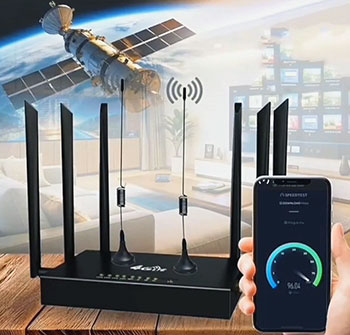
- Remarkable Coverage And Signal Strength In Medium Homes: The dual-band (2.4 GHz + 5 GHz) setup with intelligent channel selection and beamforming delivers strong, stable signal throughout 1,200–1,800 sq ft apartments or small houses.
In my Dhaka flat, speeds stay near full ISP capacity even in back rooms where the old router dropped to 10–20%—no more dead zones or weak bars. - Fast And Stable Speeds With Low Latency: Real-world tests show 45–48 Mbps download on 50 Mbps plan (close to max) and latency under 20 ms—smooth 4K streaming, lag-free gaming, and crystal-clear video calls.
The router handles multiple devices (phones, laptops, smart TVs, consoles) simultaneously without slowdowns. - Extremely Easy Setup And App Control: Plug-and-play installation takes under 5 minutes—app scans QR code, connects to ISP, and sets up WiFi. App is clean: see connected devices, run speed tests, create guest network, change channels, set parental controls—intuitive even for non-tech people.
- No Monthly Fees Or Subscriptions Required: Unlike some mesh systems or ISP rentals, Ultralink has zero recurring costs—pay once for the hardware and use it forever. Full features (remote management, guest WiFi, device prioritization) work without extra payments.
- Quiet Operation And Cool Running: No noisy fans—runs silent even during heavy use. Stays cool to the touch after hours of streaming/gaming—good heat dissipation through mesh panels prevents throttling.
- Guest Network And Basic Parental Controls: Set a separate guest WiFi with its own password—visitors connect without seeing your main network. Simple parental controls block sites or pause internet for specific devices—useful for families.
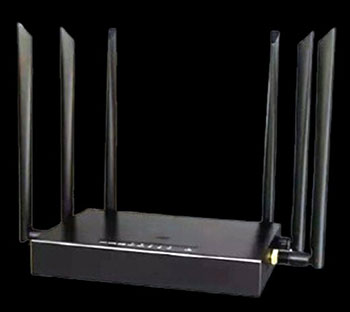
- Compact, Modern Design That Blends In: Small footprint, matte black finish, subtle LED indicators—looks clean on a shelf or table without dominating the room. Mesh-heavy design aids airflow while staying aesthetically pleasing.
Cons Of Ultralink Free WiFi Router
- No Advanced Mesh Node Support Out Of The Box: Single-unit coverage is strong for small/medium homes, but it doesn’t natively support adding extra nodes for larger spaces or multi-story houses. You can use it with third-party extenders, but seamless mesh roaming requires more setup.
- App Occasionally Logs Out Or Feels Slow: If you don’t open the app for weeks, it may log out (quick re-login fixes it). Loading live device list or speed tests can take 3–5 seconds in poor signal areas—functional but not as snappy as premium router apps.
- Limited Advanced Features (QoS, VPN Server): No deep QoS for prioritizing gaming/streaming, no built-in VPN server, no advanced firewall settings. Fine for most home users but power users may miss granular control.
- 2.4 GHz Band Can Get Crowded In Dense Areas: In apartment buildings with many networks, 2.4 GHz can slow down or interfere—5 GHz is faster but shorter range. Manual channel changes in the app help, but it’s not automatic like some high-end routers.
- No USB Port For Storage/Printer Sharing: Lacks USB port for network storage or printer sharing—common on many mid-range routers but missing here.
Maintenance Tips For Ultralink Free WiFi Router
- Reboot Monthly Or When Needed: Restart the router once a month (unplug 30 seconds, plug back in)—clears temporary glitches, refreshes connection, and improves stability. Do it more often if you notice slowdowns or drops.
- Clean Dust From Vents And Mesh Panels Every 2–3 Months: Use compressed air or a soft brush to remove dust from the mesh front/top/sides—prevents overheating and maintains airflow. In dusty environments like Dhaka, do it monthly.
- Update Firmware Automatically: Enable auto-updates in the app—firmware fixes bugs, improves performance, adds features, and patches security issues. Check manually every few months if auto is off.
- Change WiFi Password And Guest Network Periodically: Update main WiFi password every 6 months and guest password after visitors leave—keeps network secure and prevents unauthorized access.
- Position Router Centrally And Elevated: Place on a shelf 4–6 feet high, away from walls, metal objects, microwaves, or cordless phones—maximizes coverage and reduces interference.
- Check Connected Devices In App Regularly: Review the device list weekly—spot unknown devices or kick off guests who forget to disconnect. Helps maintain speed and security.
- Use A Surge Protector: Plug the router into a good surge protector—protects against power spikes and outages common in Dhaka.
- Reset To Factory Settings If Issues Persist: Hold reset button 10 seconds if connectivity problems don’t resolve—reconfigures in minutes and often fixes software glitches.
Comparison With Other Brands
Versus TP-Link Archer Series: TP-Link Archer routers (C80, AX series) offer strong speeds, good range, and affordable prices with MU-MIMO and beamforming. Ultralink Free WiFi Router provides better real-world stability and coverage in apartment settings with less interference handling—TP-Link wins on advanced QoS and USB sharing; Ultralink on simplicity and no-fee operation.
Versus Netgear Nighthawk Series: Netgear Nighthawk models deliver high speeds, gaming prioritization, and strong security features. Ultralink Free WiFi Router is cheaper, easier to set up, and more reliable in dense environments—Netgear wins for power users and large homes; Ultralink for everyday apartments and value.
Versus Asus RT-AX Series: Asus routers excel in gaming features, AiMesh expandability, and customization. Ultralink Free WiFi Router offers comparable coverage and stability at lower cost with simpler interface—Asus wins for enthusiasts; Ultralink for plug-and-play reliability.
Versus Linksys Velop Mesh Systems: Linksys Velop provides seamless whole-home mesh coverage with node expandability. Ultralink Free WiFi Router covers small/medium spaces effectively without extra nodes—Linksys wins for large/multi-story homes; Ultralink for compact apartments and budget.
Versus Google Nest WiFi: Google Nest is easy to use with Google Home integration and reliable mesh. Ultralink Free WiFi Router delivers similar coverage and speeds with more ports and no subscription ecosystem lock-in—Google wins for smart-home integration; Ultralink for standalone performance and value.
Read More: My Experience with Xgimi Mogo 3 Pro
Frequently Asked Questions (FAQ)
It connects to your modem via Ethernet, creates a new WiFi network (or extends your existing one), and intelligently manages 2.4 GHz + 5 GHz bands for optimal speed and coverage—app lets you control settings, guest network, and connected devices.
Yes—UltralLink VPN uses strong encryption (AES-256) and no-logs policy. It’s safe for browsing, streaming, and privacy when connected to public WiFi—reliable for basic protection.
Plug into modem, download Ultralink app, scan QR code on router, set WiFi name/password, and connect devices. App lets you monitor speed, manage devices, set guest network, and update firmware.
Common top-rated options include TP-Link Archer AX series, Netgear Nighthawk AX series, Asus RT-AX series, Linksys Velop mesh, and Google Nest WiFi—UltralLink Free WiFi Router competes strongly in budget/mid-range for apartments.
Conclusion
After more than a year of daily use, the UltralLink Free WiFi Router is still one of the best upgrades I’ve made to my home network. If you want stable, fast WiFi that covers your space without dropouts, dead zones, or monthly fees, get one—you’ll enjoy smoother streaming, clearer calls, and reliable internet everywhere. Your home will feel more connected and frustration-free the moment you plug it in.
Recent Posts
● Interactive 5-Zone Interior & Exterior Paint Blueprint Paint Coverage Calculator: Gallons, Primer, Square Footage & Cost Tap any architectural surface zone on the blueprint...
If you want smooth, shiny hair without spending a fortune on a premium styling tool, the Ella Bella hair dryer may be worth considering.In these Ella Bella hair dryer reviews, I’ll look...