
I have spent the last several months exploring the rapidly expanding world of non-alcoholic spirits to find the perfect solution for my home bar, and two names consistently dominate every conversation: Seedlip and Ritual Zero Proof. As someone who appreciates the ritual of a well-crafted cocktail but often wants to skip the alcohol, I have analyzed thousands of buyer reviews and personally tested these liquids in everything from simple sodas to complex negronis.
In this guide, I want to share my honest findings on the Seedlip vs Ritual debate to help you decide if you want a subtle, herbal experience or a punchy, spirit-mimicking burn. My intent is to clarify that these two brands represent entirely different philosophies—one is a botanical distillate designed to be something new, while the other is a direct replacement for the spirits you already know. You deserve a sophisticated drink that doesn’t feel like an afterthought, so let’s look at which bottle actually belongs on your shelf.
A Brief Comparison Table
| Feature | Seedlip Distillates | Ritual Zero Proof |
| Primary Focus | Unique Botanical Blends | 1:1 Spirit Alternatives |
| Calories | Zero Calories | 0 to 10 Calories |
| Alcohol Mimicry | No “Burn” or Bite | Capsicum-based “Burn” |
| Sugar Content | Sugar and Sweetener Free | Trace Natural Sugars |
| Best Used For | Tonic and Soda Mixes | Classic Cocktail Replicas |
| Shelf Life (Open) | 6 Months (Ambient) | 12 Weeks (Ambient) |
| Base Process | Copper Pot Distillation | Blending and Infusion |
My Experience With Seedlip
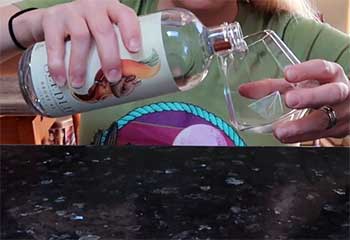
When I first opened a bottle of Seedlip Garden 108, I was immediately struck by how different it felt from any traditional spirit I had ever encountered.
The aroma was incredibly specific—like walking through a wet vegetable garden in the English countryside—and it lacked that sharp, stinging nasal hit that usually accompanies gin or vodka.
I quickly realized that Seedlip is not trying to “be” gin; instead, it provides a sophisticated, watery distillate that carries complex herbal notes without the weight of alcohol.
Using Seedlip Grove 42 for my evening “Sober Margarita” was an eye-opening experience because the citrus notes were bright and authentic, yet the drink felt incredibly light.
There is a certain elegance to the thinness of the liquid that makes it feel clean rather than syrupy. However, I found that I had to be very careful with my ratios; if I used too much juice or a heavy syrup, the delicate nuances of the Seedlip would completely vanish, leaving me with what essentially tasted like a fancy lemonade.
Pros Of Seedlip
- Zero Calorie Formula: One of the biggest advantages I found with Seedlip is that it contains absolutely zero calories and no sugar, making it a guilt-free option for anyone on a strict diet. Unlike many non-alcoholic options that rely on juices or syrups for flavor, Seedlip uses a distillation process that leaves the liquid as clean as water, allowing you to enjoy a “grown-up” drink without worrying about your daily caloric intake or blood sugar spikes.
- Unique Botanical Profiles: I really appreciate that Seedlip doesn’t try to hide behind a fake “whiskey” or “gin” label, but instead offers three distinct botanical blends that stand on their own merits. Garden 108, Spice 94, and Grove 42 all offer complex flavor journeys that are entirely original, providing a sophisticated alternative for those who find the taste of traditional alcohol to be off-pitting or simply want to explore a new category of flavor.
- High End Presentation: The packaging and branding of Seedlip are arguably the best in the industry, featuring beautiful illustrations of forest animals and high-quality glass bottles that look stunning on any bar cart. Whenever I have guests over, the bottle itself becomes a conversation starter, making the choice to not drink feel like a luxury lifestyle decision rather than a restrictive sacrifice or a medical necessity for the evening.
- No Artificial Burn: For people who genuinely dislike the stinging sensation of alcohol or the peppery “bite” found in other alcohol-free spirits, Seedlip provides a perfectly smooth and gentle experience. The flavors are delivered through a soft, water-based medium that feels refreshing and light, making it an excellent choice for a summer afternoon or for those with sensitive palates who want to avoid any form of throat irritation.
- Versatility With Mixers: I found that Seedlip shines the brightest when paired with high-quality tonics and sodas, as the carbonation helps to lift and expand the delicate botanical aromas. Whether you prefer a bitter tonic or a crisp ginger ale, the spirit acts as a sophisticated base that adds depth and complexity to the mixer without overwhelming it, creating a drink that feels much more intentional than a standard mocktail.
- Natural Ingredient Sourcing: The brand’s commitment to using real ingredients like hand-picked peas, hay, and aromatic barks is evident in the authenticity of the flavor profiles you experience. You can actually taste the earthiness of the garden and the warmth of the spices, which gives the product a grounded, artisanal feel that resonates with consumers who are increasingly looking for transparent and natural beverage options in a crowded market.
- Pioneer Market Reliability: As the world’s first distilled non-alcoholic spirit, Seedlip has a level of consistency and availability that many newer, smaller brands simply cannot match at this time. You can find Seedlip in high-end restaurants and bars globally, which means you can develop a “go-to” drink order that you know will be available almost anywhere you go, providing a sense of comfort and familiarity in social situations.
Read More: My Thoughts On Nassifmd Hydro-Screen Serum
Cons Of Seedlip
- High Price Point: The most common complaint I hear—and one I personally feel—is that the price of a bottle of Seedlip is often the same as a premium bottle of alcoholic gin or vodka. For a product that consists mostly of water and distillates without the heavy alcohol tax, many consumers find it difficult to justify the $30 to $40 price tag, especially when the liquid doesn’t provide the same “kick” or intoxicating effects.
- Thin Mouthfeel Profile: Because there is no alcohol or sugar to provide viscosity, the mouthfeel of Seedlip can feel very “thin” or watery compared to traditional spirits. When mixed into a cocktail, it lacks the silky texture that alcohol provides, which can result in a drink that feels a bit flat or one-dimensional if you don’t compensate by adding other thickening agents like egg whites, aquafaba, or a slightly heavier simple syrup.
- Subtle Flavor Retention: I noticed that the flavors in Seedlip are quite delicate and can easily be drowned out by strong ingredients like heavy citrus, spicy ginger beer, or bold bitters. If you are someone who likes a punchy, intense drink, you might find Seedlip to be too subtle, requiring you to use a much larger pour than the recommended 50ml just to get a hint of the intended botanical flavor.
- Lack Of Bite: For former drinkers who are looking for that specific “burn” at the back of the throat that characterizes a good spirit, Seedlip will likely be a disappointment. It offers zero heat or irritation, which can make a “Seedlip and Tonic” feel more like a sophisticated flavored water than a true substitute for a Gin and Tonic, potentially leaving some users feeling like something essential is missing from the experience.
- Polarizing Savory Notes: While I personally enjoy the “pea” flavor in Garden 108, I have spoken to many people who find it far too vegetal or “soupy” for a drink. The savoriness of the herbal blends is a bold choice that doesn’t appeal to everyone, and if you are expecting a fruity or sweet profile, the earthy notes of hay and peas can be quite jarring and difficult to enjoy.
- Short Freshness Window: Once the bottle is opened, Seedlip only stays at its peak flavor for about six months, which is significantly shorter than traditional spirits that can sit on a shelf for years. This creates a bit of pressure to finish the bottle quickly, which might not be ideal for the occasional drinker who only wants a non-alcoholic cocktail once or twice a month and doesn’t want to waste expensive liquid.
- No Caloric Body: While being calorie-free is a pro for some, it is a con for the structure of the drink because calories often translate to “body” in the world of mixology. Without any sugar or alcohol, the spirit doesn’t “hold” flavors in the same way, meaning that aromatics can dissipate quickly, and the drink can lose its character if it sits for more than ten or fifteen minutes after being poured.
Maintenance Tips For Seedlip
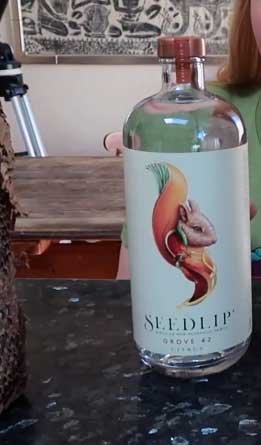
- Respect The Measure: I have found that you should always use a proper jigger to measure exactly 50ml (about 2 ounces) of Seedlip for every 4 to 5 ounces of mixer. Because the flavor is so delicate, eye-balling the pour often leads to a drink that is either too weak to taste the botanicals or so strong that the vegetal notes become overwhelming, so precision is key to a balanced glass.
- Ambient Cool Storage: You do not need to refrigerate Seedlip, but you should absolutely keep it in a cool, dark place away from direct sunlight to preserve the volatile oils. Heat and light are the enemies of natural distillates, and leaving your bottle on a sunny windowsill will cause the bright citrus and herbal notes to oxidize and turn “dusty” much faster than they would in a cupboard.
- Clean The Stopper: The cap and the neck of the bottle can sometimes develop a bit of a sticky or crusty residue from the natural extracts over a few weeks of use. I recommend wiping the rim of the bottle with a clean, damp cloth every few times you open it to ensure a tight seal, which helps maintain the freshness of the liquid and prevents any off-flavors from forming.
- Check Expiry Dates: Always look at the base of the bottle for the “Best Before” date before purchasing, as Seedlip has a shelf life of about two years when sealed. If you buy a bottle that is already close to its date, the flavors may have already started to dim, so choosing the freshest bottle possible ensures you get the full aromatic punch that the brand is known for.
- Pair With Carbonation: To get the most out of the “maintenance” of your flavor profile, always use a fresh, highly carbonated mixer rather than a flat one. The bubbles act as a delivery system for the aroma molecules, “carrying” the scent of the peas or the spices to your nose as you sip, which is essential for making a low-intensity spirit feel more substantial and satisfying.
- Use Large Ice: Because Seedlip is water-based, it can dilute very quickly if you use small, fast-melting ice cubes in your glass. I suggest using one large clear ice cube or sphere, which keeps the drink cold without adding excess water too quickly, preserving the concentration of the botanicals and keeping the drink from tasting like a watered-down mess by the time you reach the bottom.
- Garnish Is Mandatory: Do not skip the garnish when serving Seedlip; the brand designs its spirits to be completed by a fresh aromatic like a snap pea, a sprig of rosemary, or a twist of grapefruit. The scent from the fresh garnish works in tandem with the liquid to trick your brain into perceiving a fuller flavor profile, filling in the gaps that the lack of alcohol creates.
Comparison with other brands
- Against Lyre’s Spirit Co: While Lyre’s focuses on creating incredibly accurate “clones” of specific spirits like Bourbon or Amaretti, Seedlip feels much cleaner and less “chemical” in its composition. Lyre’s often uses a lot of preservatives and thickeners to achieve its effects, whereas Seedlip feels like a pure botanical extract that is much lighter on the stomach and better for those seeking a “natural” experience.
- Against Monday Gin: Monday Gin is a fantastic option for those who want a direct gin replacement with a heavy juniper hit, which is something Seedlip lacks. However, Monday Gin can sometimes have a bit of a “soapy” aftertaste if not mixed perfectly, whereas Seedlip’s Garden 108 provides a more complex and earthy herbal profile that feels more sophisticated and less like a “pretend” version of something else.
- Against Ghia: Ghia is a bitter aperitif that is much more intense and “punchy” than the subtle offerings from Seedlip. If you want a drink that hits you with a strong flavor immediately, Ghia is the way to go, but if you prefer a long, refreshing highball that you can sip on all afternoon without flavor fatigue, Seedlip’s more muted profile is actually a better choice.
- Against Spiritless Kentucky 74: Spiritless focuses on the whiskey market and does a great job of providing an oaky, vanilla-forward experience that Seedlip doesn’t even attempt to compete with. However, Kentucky 74 has a much higher sugar content and a thicker texture, making Seedlip the superior choice for someone who wants a zero-sugar, light-bodied drink that won’t make them feel sluggish or bloated.
- Against Tanqueray 0.0: Tanqueray 0.0 is an impressive direct replacement for gin drinkers, offering that classic “piney” juniper flavor at a lower price point than Seedlip. While Tanqueray is better for a standard G&T, Seedlip offers a more “artisanal” and craft-focused vibe that feels less like a mass-market soda product and more like a high-end distilled spirit designed for a boutique cocktail bar.
- Against Pentire: Pentire is perhaps the closest competitor to Seedlip, offering “coastal” botanicals that are similarly light and distilled. I find that Pentire has a bit more of a “salty” and zingy finish compared to Seedlip, but Seedlip’s distribution is much better, making it easier to find in your local grocery store or liquor shop when you need a bottle on short notice.
- Against Kin Euphorics: Kin is focused on “functional” benefits with adaptogens and nootropics, whereas Seedlip is purely about the flavor and the ritual of the drink. If you are looking for a “buzz” or a mood lift, Kin is the better option, but if you just want a delicious and sophisticated beverage that won’t interfere with your body’s chemistry, Seedlip is the more transparent and traditional choice.
My Experience With Ritual
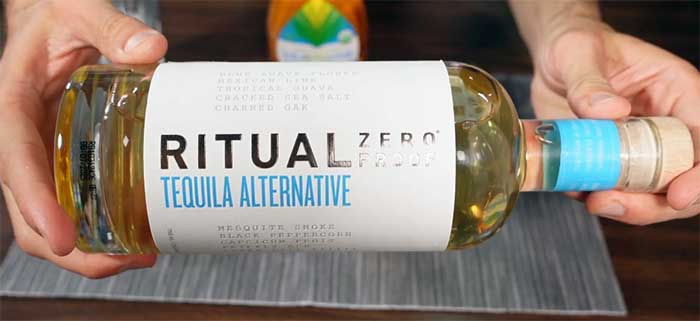
Switching from Seedlip to Ritual Zero Proof felt like moving from a delicate acoustic set to a high-energy rock concert because the flavor profile of Ritual is intentionally aggressive. I started with their Tequila Alternative, and the first thing I noticed upon opening the bottle was the unmistakable scent of agave and charred oak, followed by a very surprising “prickle” in the back of my throat after taking a tiny sip.
I used Ritual to make a classic Margarita, and I was shocked at how closely it mimicked the “bite” of a real cocktail. The addition of capsicum and other peppercorn extracts creates a warming sensation that successfully tricks the brain into thinking there is alcohol present, which is something I had been missing in other brands. It gave the drink a “heft” and a presence that allowed it to stand up to the acidity of the lime and the sweetness of the agave nectar.
However, I did find that the Ritual Whiskey Alternative was a bit more polarizing; while it had the right smoky and oaky notes, there was a slight “bell pepper” aftertaste that occasionally felt a bit out of place in a neat pour. It definitely works best when integrated into a mix rather than being sipped on its own, where the individual flavor components have a chance to meld together with other ingredients like bitters or vermouth.
Pros Of Ritual
- Authentic Alcohol Burn: The most impressive “pro” for Ritual is their proprietary blend of botanicals that creates a realistic “burn” or “bite” in the back of the throat. This heat mimics the ethanol sensation of real spirits, which is a game-changer for people who find other non-alcoholic options to be too much like juice or water and want a drink that actually feels “strong” and satisfying.
- One-to-One Replacement: Ritual is specifically engineered to be swapped 1:1 in any classic cocktail recipe, meaning you don’t have to learn new mixology techniques or adjust your ratios. If a recipe calls for two ounces of Tequila, you simply use two ounces of Ritual Tequila Alternative, making it the most user-friendly option for home bartenders who want to make “virgin” versions of their favorite drinks.
- High Flavor Intensity: Unlike many “spirit-free” options that are subtle and delicate, Ritual packs a massive punch of flavor that doesn’t get lost when mixed with heavy ingredients. Whether you are making a spicy Paloma or a complex Old Fashioned, the notes of smoke, spice, and oak remain front and center, ensuring that your cocktail actually tastes like a cocktail rather than a light refreshment.
- Extremely Low Calorie: While not quite zero, Ritual contains only about 5 to 10 calories per serving and trace amounts of sugar, making it an incredibly healthy alternative to traditional liquor. You can enjoy several drinks in an evening without the massive sugar crash or caloric load associated with alcohol, which is perfect for fitness enthusiasts or those looking to maintain a healthy weight without sacrificing their social life.
- Broad Product Range: Ritual offers a complete “bar in a box” with alternatives for Gin, Whiskey, Tequila, and Rum, allowing you to stock a full non-alcoholic bar with a consistent brand experience. This variety means you can host a party and offer an alcohol-free version of almost any standard cocktail request, from a Gin and Tonic to a Dark and Stormy, with total confidence in the results.
- Agave Spirit Excellence: Their Tequila Alternative is widely considered one of the best in the world, having won numerous awards for its smoky, earthy, and spicy profile. It captures the essence of blue agave remarkably well, including that signature “green” note and peppery finish that is essential for a convincing Margarita or Neat pour for those who love the taste of Mexico’s favorite spirit.
- Accessibility And Value: Ritual is generally priced slightly lower than some of the ultra-premium European distillates, and it is widely available in major US retailers like Total Wine and even some supermarkets. This makes it a very accessible entry point for people who are curious about the “Sober Curious” movement but don’t want to hunt down obscure bottles or pay astronomical shipping fees for an international order.
Cons Of Ritual
- Artificial Pepper Notes: The “burn” that Ritual is famous for comes primarily from capsicum and peppercorns, which can sometimes taste a bit too much like “hot sauce” rather than “alcohol.” In certain drinks, this peppery heat can overwhelm the other flavors, leading to a sensation that is more like a spicy food item than a refined spirit, which can be a turn-off for those who don’t enjoy spicy beverages.
- Unmarried Flavors Neat: I have found that when you drink Ritual straight out of the bottle, the flavors can feel a bit “disjointed” or “unmarried.” You might taste a hit of vanilla, then a hit of oak, followed by a sharp pepper burn, rather than a single, cohesive spirit profile, which is why the brand itself strongly recommends using their products as mixers rather than sipping them neat.
- Slightly Syrupy Texture: To mimic the body of alcohol, Ritual has a slightly thicker viscosity than water, which can sometimes feel a bit “syrupy” or “clingy” on the tongue. If you prefer a very clean, crisp finish, you might find the texture of Ritual to be a bit heavy, especially in the Whiskey and Rum alternatives which have a bit more natural sugar and coloring added for authenticity.
- Short 12 Week Window: Once opened, a bottle of Ritual starts to lose its flavor profile and “burn” after about 12 weeks, which is much faster than almost any other product in the category. This short shelf life means you really need to commit to using the bottle regularly, as it can start to taste flat or “off” if it sits in the back of your cabinet for three or four months without being used.
- Strong Vegetable Aroma: The “green” notes in the Tequila and Gin alternatives can sometimes border on being too vegetal, smelling a bit like sliced green bell peppers. While this is part of the agave profile, in the Gin version, it can clash with the expected juniper and citrus notes, resulting in a scent that some users find more like a salad than a sophisticated botanical spirit for their martini.
- Sweetness In Brown Spirits: I noticed that the Whiskey and Rum alternatives are noticeably sweeter than their alcoholic counterparts, which can throw off the balance of a drink if you are used to a very dry bourbon or a funky, dry Jamaican rum. You may need to reduce the amount of simple syrup or liqueur you use in your cocktails to compensate for the inherent sweetness of the Ritual base.
- Sediment Issues: Because Ritual uses many natural extracts and spices, it is common for a small amount of sediment to settle at the bottom of the bottle over time. While this is natural, it can look a bit unappealing if you don’t remember to shake the bottle before every use, and it can occasionally lead to a “gritty” last sip if you aren’t careful when pouring the final ounce of the bottle.
Read More: My Thoughts On Luminess Airbrush Foundation
Maintenance Tips For Ritual
- The Mandatory Shake: Unlike traditional spirits which are perfectly shelf-stable and clear, you must shake a bottle of Ritual vigorously before every single pour. This redistributes the spicy extracts and flavor oils that naturally separate, ensuring that your first drink of the night has the same level of “burn” and complexity as the last one, and preventing any uneven flavor distribution.
- Tight Cap Management: Ritual is more prone to oxidation than Seedlip due to its higher concentration of botanical oils and trace sugars. You must ensure the cap is screwed on as tightly as possible after every use to prevent air from entering the bottle, which will rapidly degrade the “bite” of the capsicum and leave you with a flat-tasting liquid that loses its spirit-like character.
- Acid-First Mixing: When making a cocktail with Ritual, I suggest adding your citrus (lime or lemon) to the shaker before the Ritual alternative. This allows the acidity to “wake up” the botanical extracts in the spirit, helping to integrate the peppery burn more smoothly into the drink and preventing the spirit from feeling like a separate, oily layer on top of the other ingredients in your glass.
- Monitor For Cloudiness: Because of the short 12-week shelf life, you should visually inspect the liquid for any unusual cloudiness or changes in color before drinking if the bottle has been open for a while. While some natural sediment is fine, a major change in transparency can indicate that the preservatives are no longer effective, and it’s time to replace the bottle with a fresh one for safety and taste.
- Avoid Freezer Storage: While some people like to keep their gin or vodka in the freezer, you should never do this with Ritual. Freezing can cause the natural oils and extracts to crystallize or permanently separate from the water base, ruining the mouthfeel and potentially muting the spicy “burn” that is the product’s main selling point, so stick to a standard room-temperature cabinet instead.
- Batching Caution: If you are batching cocktails for a party, don’t mix the Ritual with other ingredients more than an hour or two in advance. The botanical extracts in Ritual are quite volatile, and if left in a large pitcher for too long, the spicy “bite” can dissipate, leaving your guest with a drink that tastes significantly weaker than if it were made fresh and served immediately on ice.
- Pourer Cleaning: If you use a professional metal pourer on your Ritual bottles, make sure to take it off and wash it with hot water every week. The trace sugars in the Whiskey and Rum alternatives can cause the pourer to become sticky or even “glue” itself to the bottle, which is not only annoying but can also create a place for bacteria to grow if the bottle is left out for an extended period.
Comparison with other brands
- Against CleanCo: CleanCo (founded by Spencer Matthews) offers a similar “replacement” style but often includes a tiny amount of alcohol (0.5%) to carry the flavor. Ritual is 0.0% and provides a much more intense “burn” than CleanCo, making Ritual the better choice for those who want a completely alcohol-free experience that still feels punchy and aggressive in the glass.
- Against Drink Monday: Monday Gin and Whiskey are often compared to Ritual, but I find that Monday is much more focused on a “clean” and “dry” finish. Ritual is bolder and more experimental with its use of spice to mimic the heat of alcohol, whereas Monday relies more on traditional aromatics, making Ritual the better choice for mixing into heavy, flavorful cocktails like a Bloody Mary.
- Against Dhos: Dhos offers a very high-quality Gin and Bitters alternative that is carbon-neutral and very clean-tasting. However, Dhos lacks the signature “bite” of Ritual, feeling more like a very high-end flavored water. If you value the physical sensation of drinking alcohol, Ritual is the clear winner, but if you want a subtle and “zen” drinking experience, Dhos is a strong contender.
- Against Almave: Almave is a newer “Blue Agave” spirit from Lewis Hamilton that is distilled like real tequila. While Almave has a more “authentic” distillation story, it is often much more expensive and harder to find than Ritual. Ritual Tequila Alternative remains the “everyman’s” choice, providing a very similar flavor profile and burn for a significantly lower price point and better availability.
- Against The Pathfinder: The Pathfinder is a fermented and distilled hemp spirit that mimics a dark amaro or vermouth. It is much more complex and “weird” than anything in the Ritual lineup. While Ritual is better for a standard “Rum and Coke,” The Pathfinder is the superior choice for someone who wants a truly unique, dark, and bitter non-alcoholic experience that feels like a craft product.
- Against Sobrii: Sobrii is a Canadian brand that makes a fantastic non-alcoholic gin with a lot of spice. It is very similar to Ritual in philosophy, but I find Ritual’s distribution and price-to-value ratio to be slightly better for the average consumer. Sobrii has a bit more of a “piney” juniper focus, whereas Ritual Gin Alternative is a bit more citrus-forward and peppery in its finish.
- Against Three Spirit: Three Spirit focuses on “functional” drinks that use plants to change your mood (Social, Nightcap, etc.). Ritual is purely a culinary replacement for alcohol. If you want to feel a “lift” or a “calm,” go with Three Spirit, but if you just want to make a drink that tastes exactly like a Whiskey Ginger or a Margarita, Ritual is the much more effective tool for the job.
Frequently Asked Questions (FAQ)
No, Ritual is crafted to be 0.0% alcohol by volume, making it a safe choice for those who are pregnant, on medication, or in recovery who want to avoid alcohol entirely.
Technically, Seedlip is a botanical distillate; while it has a water-like consistency, it is made through a complex six-week process of maceration and copper pot distillation to capture essential oils.
Neither brand is intended for neat sipping; Seedlip is too subtle and Ritual is too spicy/disjointed. They are both designed to be mixed with tonic, soda, or in traditional cocktail recipes.
Ritual has a relatively short shelf life of 12 weeks once the seal is broken, after which the botanical flavors and the signature “burn” will begin to fade significantly.
Conclusion
I have found that the ultimate winner in the Seedlip vs Ritual debate depends entirely on what you expect to find at the bottom of your glass. If you are a health-conscious person who loves the idea of a clean, sophisticated, and entirely original botanical drink that pairs perfectly with a premium tonic, then Seedlip is the pioneer you should welcome into your home. However, if you are someone who misses the specific “bite” of a Margarita or the smoky warmth of a Whiskey Ginger and wants a 1:1 replacement that mimics the physical sensation of drinking, Ritual Zero Proof is the far superior choice for your palate.
You should consider how you plan to use these spirits; Seedlip is for the “garden party” vibe where subtlety is key, while Ritual is for the “Saturday night” vibe where you want a drink that hits back. My research and testing show that both brands have earned their place at the top of the market by serving two very different but equally valid needs in the modern non-alcoholic landscape. Whichever you choose, you are taking a great step toward enjoying the social ritual of a cocktail without any of the next-day consequences.
Recent Posts
● Interactive 5-Zone Interior & Exterior Paint Blueprint Paint Coverage Calculator: Gallons, Primer, Square Footage & Cost Tap any architectural surface zone on the blueprint...
If you want smooth, shiny hair without spending a fortune on a premium styling tool, the Ella Bella hair dryer may be worth considering.In these Ella Bella hair dryer reviews, I’ll look...