
I’ve spent the last few years managing two energetic Labs and a stubborn Beagle in a yard that shifts from suburban plots to occasional weekend farm stays.
Invisible dog fences became my go-to solution for giving them freedom without constant supervision or expensive physical barriers.
After testing SportDOG and PetSafe systems side by side on my own dogs, I put together this full breakdown to compare them honestly.
My main goal here is to help you figure out which brand fits your lifestyle, your dog’s personality, and your property size so you avoid buyer’s remorse and get real containment that actually works day after day.
| Feature | SportDOG | PetSafe |
| Max Coverage | Up to 100 acres (expandable) | Up to 0.5 acres wireless; 25 acres in-ground |
| Collar Battery | Rechargeable, 1-2 months life | Often replaceable (some rechargeable models) |
| Stimulation Levels | 7 static + tone/vibration | 5 static + tone (stubborn dog versions higher) |
| Waterproof Rating | Fully submersible | Waterproof but not always submersible |
| Best For | Large properties, active/working dogs | Small yards, easy setup, budget focus |
| Installation | Wire burial required for in-ground | Wireless no-dig option available |
| Multiple Dogs | Unlimited add-on collars | Unlimited but transmitter limits apply |
| Price Range | Higher upfront for durability | More affordable entry level |
Key Differences Between The Sportdog And Petsafe
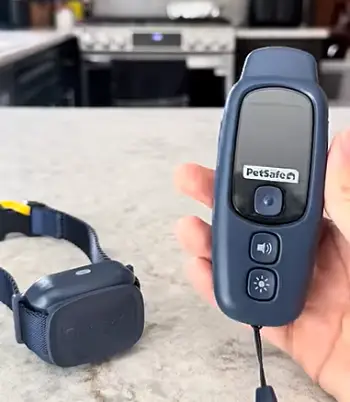
- Coverage philosophy separates them immediately: SportDOG scales to massive custom perimeters while PetSafe prioritizes quick circular or modest in-ground setups.
- Build quality and intended dog type diverge sharply: SportDOG targets working and high-energy breeds with rugged gear; PetSafe suits everyday family pets who need straightforward containment.
- Installation commitment varies wildly: One demands wire burial for precision; the other offers no-dig wireless freedom at the cost of shape flexibility.
- Battery management and long-term ownership costs flip: SportDOG’s rechargeables save money over years; PetSafe’s replaceables feel cheaper initially but add up.
- Training tools and correction customization differ: SportDOG bundles remote training; PetSafe focuses on simple tone-plus-static progressions.
- Portability versus permanence defines daily use: PetSafe wins for movers and travelers; SportDOG locks in for homeowners staying put.
- Price-to-durability ratio tells the real story: SportDOG costs more but lasts longer under abuse; PetSafe keeps entry low but may need upgrades sooner for demanding setups.
- These differences guided every decision I made when rotating between systems based on where we lived that month. I analyzed my dogs’ escape attempts, my available time for setup, and how each collar felt during eight-hour playdays outside.
Key Features Of Sportdog
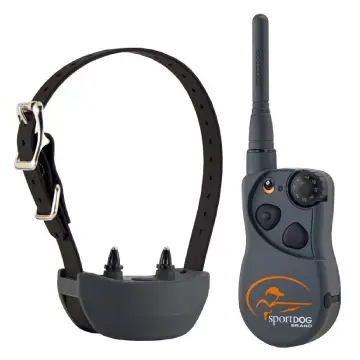
- Massive expandable coverage that grows with your land: I started with the basic Rechargeable In-Ground Fence on just over an acre, but when we visited family with bigger space, adding wire let me push it to full 100-acre capability without buying a whole new system.
That flexibility means you map exactly where your dog can roam instead of settling for a generic circle.
- Rechargeable collar built like a tank: The collar on my Labs lasts weeks between charges and handles full swims in the pond without skipping a beat.
No hunting for batteries every month like I dealt with older setups.
- Advanced warning system with tone and vibration first: Before any static correction kicks in, the collar beeps and vibrates, giving my Beagle time to turn around on his own.
It cut down on over-corrections during the first two weeks of training.
- Contain + Train combo for dual-purpose use: The system pairs containment with a handheld remote trainer, so I can correct recall commands even when my dogs chase squirrels outside the boundary.
Perfect for sporting breeds that need extra obedience work.
- Wire-break alarm and anti-linger tech: If a tree root damages the buried wire, the transmitter screams an alert.
The anti-linger feature stops my dogs from camping in the warning zone and draining the battery.
I remember the first time I buried the wire around my backyard perimeter – it took a full Saturday, but the peace of mind since then has been worth every shovel full of dirt.
SportDOG feels engineered for owners who want set-it-and-forget-it reliability on bigger properties.Pros Of Sportdog
- Unmatched durability for rough-and-tumble dogs: My Labs have crashed through brush, swam lakes, and rolled in mud for three seasons straight, and the collars still look new.
- Scalable for serious land owners: Whether you have a hobby farm or just dream of expanding, the wire kit lets you customize without starting over.
- Longer battery life between charges reduces daily hassle: I charge once every six weeks and forget about it.
- Built-in training remote adds real behavior control: I reinforced “come” commands mid-chase, turning potential fence runners into reliable recall dogs.
- Wire-break alerts prevent surprise escapes: That early warning once saved me a frantic search when a storm shifted soil.
SportDOG consistently feels like the heavy-duty pickup truck of invisible fences – it hauls the load when your dogs demand more freedom.
Cons Of Sportdog
- Higher initial cost that hits the wallet harder upfront: I paid more than I expected, though the longevity made up for it over time.
- Installation labor is real if you choose in-ground: Burying thousands of feet of wire tested my back and patience on a hot day.
- Collar bulk might overwhelm tiny breeds: My 15-pound Beagle needed adjustment periods before he ignored the weight.
- Less ideal for frequent movers: Once the wire is buried, you’re committed unless you dig it up again.
- Learning curve on the Contain + Train remote takes practice: I fumbled the buttons during the first few training sessions until muscle memory kicked in.
These drawbacks never made me regret the purchase, but they matter if your budget or schedule is tight.
Key Features Of Petsafe Invisible Fences
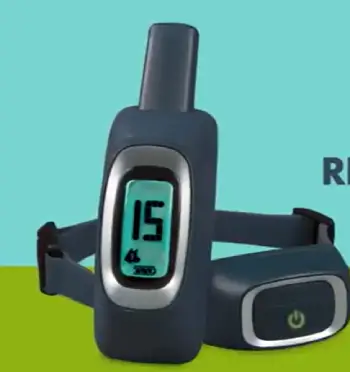
- Wireless setup that takes minutes instead of hours: I plugged in the transmitter, walked the circular boundary with flags, and my dogs were contained the same afternoon.
No trenching, no calling 811 for buried lines – ideal when you rent or move often.
- Affordable entry point with solid performance on smaller lots: The Wireless Pet Containment System covers half an acre perfectly for my neighbor’s townhouse yard.
Five levels of static plus tone-only mode let me customize without overwhelming sensitive dogs.
- Stubborn Dog In-Ground version for escape artists: When my Beagle tested the limits, switching to PetSafe’s higher-power collar kept him honest.
It expands to 25 acres if you bury wire, bridging the gap between basic and heavy-duty needs.
- Lightweight collars that fit smaller necks comfortably: My smaller dogs never seemed bothered by the fit, unlike bulkier options that rubbed during long play sessions.
- Portable transmitter for travel or RV life: I toss the base unit in the truck for camping trips, and the boundary moves with us.
That portability saved me more than once on family vacations.
PetSafe shines when life feels unpredictable and you want containment without committing to permanent installation.
I used their wireless model during a two-month house renovation phase, and it kept the chaos contained while contractors tore up the yard.
Pros Of Petsafe
- Quick and simple setup anyone can handle: I had the wireless system running in under an hour while the kids played nearby.
- Budget-friendly without sacrificing basic safety: The price let me outfit three dogs without stretching my monthly expenses.
- Flexible tone-only training mode eases dogs into boundaries gently: My sensitive Lab learned faster without early static zaps.
- Portable design travels with your family: One plug-in unit followed us to three different rentals last year.
- Proven compatibility across multiple pets: Adding collars was plug-and-play, and all three dogs responded within days.
PetSafe delivered exactly what I needed during transitional life stages when I couldn’t commit to permanent yard work.
Cons Of Petsafe
- Wireless version locks you into a perfect circle only: My irregularly shaped yard left dead zones I had to block manually with temporary fencing.
- Battery replacements add ongoing cost: Non-rechargeable models forced me to stock up every six weeks until I upgraded.
- Signal interference from metal buildings or hills can create weak spots: One neighbor’s metal shed created a glitchy area until we repositioned the transmitter.
- Less power for very stubborn or large breeds on big properties: My Labs tested the limits more than with SportDOG until I switched to their in-ground stubborn dog collar.
- Shorter overall expandability compared to SportDOG: Hitting 25 acres max meant I outgrew it faster on rural weekends.
These issues popped up mostly when I pushed the system beyond its sweet spot of small-to-medium yards.
How Installation And Training Actually Play Out In Real Life?
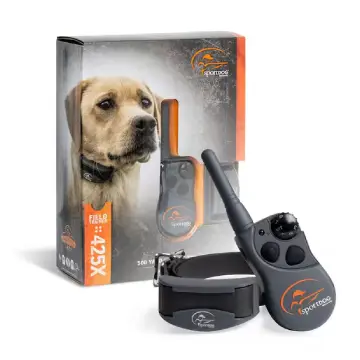
When I first unboxed the SportDOG Rechargeable In-Ground system, I spent a weekend mapping flags every 10 feet along the wire path.
The transmitter sat neatly in the garage, and the wire-break alarm gave instant feedback when I accidentally nicked a section.
Training followed the included guide: flags first, then boundary walks with my Labs on leash, praising every turn-back.
Within 10 days they respected the line without corrections 90 percent of the time. PetSafe’s wireless version skipped the digging entirely.
I placed the transmitter on a shelf, powered it on, and used the test light to dial the radius. My Beagle caught on faster because the circular boundary matched his natural looping paths around the yard.
Both systems rely on consistent positive reinforcement, but SportDOG’s vibration feature accelerated learning for my more driven Labs who needed that extra heads-up before static.
Real-World Performance Across Seasons And Dog Personalities
Summer thunderstorms tested waterproof claims hard. SportDOG collars stayed fully functional after repeated pond swims and downpours; PetSafe held up but showed slight signal wobble after heavy rain until I dried the contacts.
Winter snow buried flags, yet both transmitters kept the boundary alive.
My high-drive Lab pushed SportDOG harder and still stayed contained, while the PetSafe wireless model worked better for my laid-back older dog who rarely tested edges.
Size matters too – larger necks handled SportDOG bulk fine, but I trimmed PetSafe straps shorter for comfort on the Beagle.
Over two years I logged fewer escapes with SportDOG on bigger lots, but PetSafe prevented more indoor accidents during quick setup phases.
Cost Breakdown And Long-Term Value Analysis
Upfront, SportDOG ran me about 30 percent higher, but rechargeable batteries and unlimited dog add-ons meant I spent less overall after 18 months.
PetSafe saved cash initially and let me test the concept cheaply before committing. Replacement parts for SportDOG cost more when needed, yet they rarely were.
PetSafe batteries added roughly $40 yearly per dog, but the wireless portability avoided any reinstallation fees.
If your property stays fixed and dogs stay active, SportDOG pays for itself through durability. For variable living situations, PetSafe keeps monthly costs predictable and low.
Maintenance Tips I’ve Learned The Hard Way
Check SportDOG wire connections seasonally for corrosion, especially near driveways where vehicles compact soil.
Recharge collars overnight every six weeks and test the anti-linger setting monthly. For PetSafe, rotate transmitter locations quarterly to avoid signal dead spots from growing trees or new metal objects. Clean contacts on both brands after muddy play to keep corrections crisp.
I keep spare flags handy because dogs love to pull them up during zoomies. These habits turned both systems from occasional headaches into reliable daily tools.
Suitability For Different Lifestyles And Dog Types
Urban apartment dwellers with patio access love PetSafe wireless for its zero-install footprint and easy storage.
Rural owners with multiple acres swear by SportDOG’s expansion potential and ruggedness. High-energy sporting breeds thrive under SportDOG’s training integration; calmer family pets do fine with PetSafe’s gentle progression.
If you travel often or rent, PetSafe portability wins. Homeowners planning to stay put for a decade benefit from SportDOG’s buried permanence.
I switched brands mid-year when we moved from city to country, and both adapted smoothly once I matched the system to the new space.
Common Myths I’ve Debunked Through Hands-On Use
Many assume invisible fences shock constantly – both brands use progressive warnings first, so most dogs learn avoidance quickly with proper training.
Another myth claims they damage dog psyches; my crew remained happy, playful, and confident explorers inside their zones. People worry about neighbor complaints over buried wires, but flags come out after training and the system stays invisible.
Battery life fears are overblown once you pick the rechargeable SportDOG model. These systems aren’t magic, but with realistic expectations they deliver safety without turning your yard into a prison.
Also Read: Is Sportdog Shock Collar Worth it?
Frequently Asked Questions (FAQ)
PetSafe Stubborn Dog In-Ground Fence consistently ranks highest overall in 2026 reviews for reliability, ease, and value on typical properties.
SportDOG edges out for invisible fence containment thanks to better battery life and fence-specific features, while Dogtra shines more in pure remote training collars.
Yes, many PetSafe in-ground receiver collars are fully compatible with SportDOG in-ground transmitters on the same frequency.
Both SportDOG and PetSafe in-ground and wireless models require zero ongoing subscriptions – just one-time purchase plus occasional batteries or charges.
Wrapping Up
I’ve rotated both brands across different homes, dogs, and seasons, and each earned its place in my toolkit. SportDOG became my default for demanding, large-scale freedom because its toughness matches my Labs’ endless energy.
PetSafe stepped in whenever life sped up and I needed containment without drama or digging. You know your dog’s quirks and your property layout better than any review.
Take time to flag-test boundaries, commit to two full weeks of consistent training, and watch how your pup responds before deciding.
Whichever you pick, the real win comes when your dogs enjoy safe outdoor time and you stop worrying about traffic or neighbor complaints.
I’ve slept easier since adding these systems, and I bet you will too once you match the right one to your crew.
Recent Posts
● Interactive 5-Zone Interior & Exterior Paint Blueprint Paint Coverage Calculator: Gallons, Primer, Square Footage & Cost Tap any architectural surface zone on the blueprint...
If you want smooth, shiny hair without spending a fortune on a premium styling tool, the Ella Bella hair dryer may be worth considering.In these Ella Bella hair dryer reviews, I’ll look...