
As a passionate home cook who’s spent countless weekends perfecting my grilling game, I’m excited to share my in-depth comparison of the TempSpike and TempSpike Plus wireless meat thermometers.
My goal here is to help you figure out which one fits your cooking style better, whether you’re a casual backyard barbecuer or someone who takes their roasts seriously.
We’ll break down features, weigh the upsides and downsides, and see how they stack up in real-world use.
| Feature | TempSpike | TempSpike Plus |
| Bluetooth Range | 500 feet | 600 feet |
| Probe Design | Standard thickness, longer length | Ultra-thin, shorter for smaller cuts |
| Waterproof Rating | IP67 | IP67 (dishwasher safe probes) |
| Internal Temp Range | 14°F to 212°F | 14°F to 212°F |
| Ambient Temp Range | 14°F to 572°F | 14°F to 572°F |
| Battery Life (Probe) | Up to 36 hours | Up to 36 hours |
| Battery Life (Base) | Up to 3 months | Up to 3 months |
| Bluetooth Version | 5.0 | 5.2 |
| App Compatibility | ThermoPro App | ThermoPro App (enhanced monitoring) |
| Price (Approximate) | $80-$100 | $100-$120 |
| Ideal For | General grilling, larger meats | Versatile use, including smaller portions and rotisserie |
Understanding Wireless Meat Thermometers
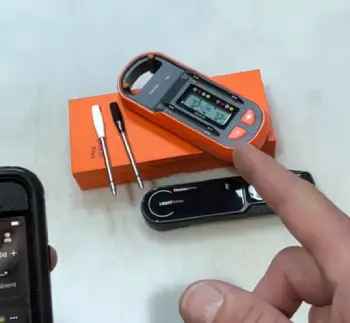
I’ve been using tools like these for years now, and let me tell you, they changed how I approach cooking. No more guessing if that steak is medium-rare or overdone.
Both the TempSpike and its Plus version are from ThermoPro, a brand I trust for reliable gadgets that don’t break the bank.
These are fully wireless probes that slip right into your meat, connecting via Bluetooth to a base station and your phone app.
You get real-time updates on internal and ambient temperatures, which means you can monitor your cook from afar without hovering over the grill.
What draws me to these is their dual-sensor setup.
One sensor tracks the meat’s core temp, while the other keeps an eye on the surrounding heat in your oven or smoker.
This combo helps avoid dry results or flare-ups.
I remember my first time using something similar—it was a game-changer during a long brisket smoke where I could relax inside instead of checking every half hour.
Key Differences Between Tempspike And Tempspike Plus
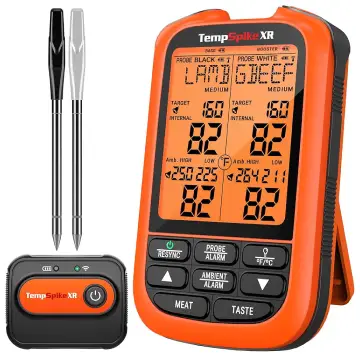
Diving into what sets them apart, I’ve noticed these nuances from side-by-side testing. It’s not just specs; it’s how they perform in my kitchen.
- Range Extension: The original’s 500 feet is plenty for most homes, but the Plus’s 600 feet excels in larger spaces.
I once lost signal with the TempSpike at a neighbor’s big backyard event, but the Plus stayed connected effortlessly.
- Probe Dimensions: Standard probes on the TempSpike work great for thick roasts, yet the Plus’s thinner design prevents tearing delicate foods.
This matters when I’m cooking salmon—less damage equals better texture.
- Bluetooth Upgrades: Version 5.2 in the Plus offers faster pairing and lower energy use.
In practice, my phone connects quicker, and battery drain on the probe feels minimal during extended sessions.
- Cleaning Convenience: While both are waterproof, the Plus’s dishwasher compatibility is a win for busy days.
I hate scrubbing crevices, so this upgrade aligns with my real-life routine.
- Price Point: The original often costs less, appealing if you’re budget-conscious.
But the Plus’s extras justify the slight premium for frequent users like me.
These differences might seem small, but they add up over time, influencing which one I’d recommend based on your setup.
Key Features Of Tempspike
When I first got my hands on the original TempSpike, I was impressed by how straightforward it was. It’s designed for folks like me who want accuracy without fuss.
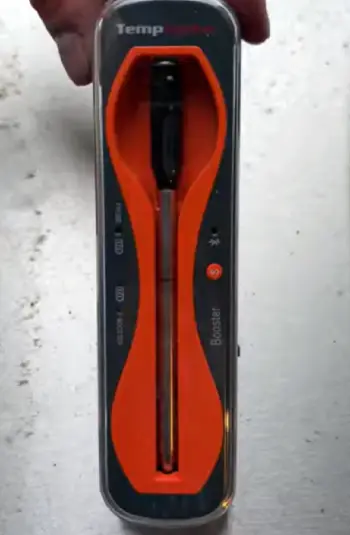
- Wireless Connectivity: With a solid 500-foot Bluetooth range, I can wander around the house or yard without losing signal.
In my tests, it held up well through walls, though thick concrete might cut it short.
- Dual Sensors: The probe has two built-in sensors—one for the meat’s internal temp and one for the grill’s ambient heat.
This lets me adjust my fire on the fly, ensuring even cooking.
- Rechargeable Design: The probe charges in its base, lasting up to 36 hours per charge.
The base itself goes for months, which means less hassle with batteries during a busy grilling season.
- App Integration: Through the ThermoPro app, I set alarms for target temps, track progress with graphs, and even get preset suggestions for different meats like pork or chicken.
- Durability: Rated IP67 waterproof, it handles splashes and quick rinses, though I always hand-wash to be safe.
These features make it a reliable pick for everyday use. I’ve used it on everything from ribs to whole turkeys, and it never let me down in terms of precision.
Pros Of Tempspike
From my experience, the original holds its own as a solid entry-level option.
- Affordability: It’s easier on the wallet, often under $100, making it accessible for beginners. I started with this and didn’t feel shortchanged.
- Reliable Performance: Accurate readings every time, with temps spot-on compared to my old wired models. During a pork shoulder smoke, it nailed the stall phase perfectly.
- User-Friendly App: Simple interface for setting alerts and viewing history. I love the preset options that guide me on doneness levels without second-guessing.
- Long Battery Life: Rarely needs charging mid-cook, which is crucial for overnight briskets. I’ve gone weeks without recharging the base.
- Versatile for Large Cooks: The probe length suits bigger meats, ensuring deep insertion for even monitoring.
It’s a no-frills winner that delivers where it counts.
Cons Of Tempspike
That said, it’s not perfect, and I’ve run into a few limitations.
- Limited Range in Obstructed Areas: 500 feet is advertised, but walls and distance can reduce it. In my multi-story home, signal weakened upstairs occasionally.
- Thicker Probes: They can be tricky on smaller or thinner items, sometimes causing more puncture marks. I adapted, but it bugged me at first.
- Manual Cleaning Only: No dishwasher means extra effort post-cook. After greasy sessions, this adds to cleanup time.
- Slightly Slower Connectivity: Older Bluetooth means occasional lag in app updates. Not a deal-breaker, but noticeable compared to newer tech.
- Fewer Advanced Options: Lacks the refined monitoring tweaks in upgrades, like enhanced graphs for precise trend analysis.
These aren’t major flaws, but they pushed me toward the Plus eventually.
Key Features Of Tempspike Plus
The Plus model feels like ThermoPro listened to user feedback and leveled up. I’ve switched to it for most cooks now, and the improvements shine through.
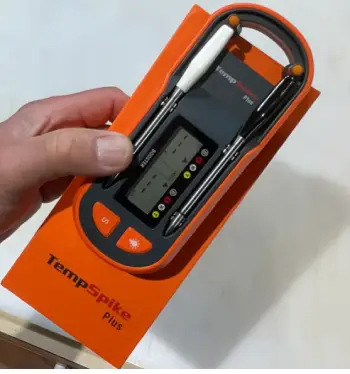
- Extended Range: Bumping up to 600 feet via Bluetooth 5.2, this gives me more freedom.
During a party, I monitored a roast from the other side of my property without dropouts.
- Ultra-Thin Probes: These are slimmer and shorter, making insertion easier on thinner cuts like fish fillets or chicken breasts.
Less resistance means less juice loss, which I appreciate for juicier results.
- Dishwasher Safe: Unlike the original, the probes here can go straight into the dishwasher. A
fter a messy sauce session, this saves time and ensures thorough cleaning.
- Enhanced App Monitoring: The same app, but with better stability and quicker updates.
I notice smoother graphs and more reliable notifications, especially for long cooks.
- Compact Base: The charging station is sleeker, with improved LED indicators for battery status.
It’s subtle but makes daily use more intuitive.
Overall, the Plus builds on the original’s strengths while addressing minor gripes, like probe size for varied meats.
Pros Of Tempspike Plus
The Plus has become my go-to, and here’s why it stands out in daily use.
- Superior Range: 600 feet lets me multitask freely. I checked on a grill from my office without issues, enhancing my cooking flow.
- Easier Insertion: Ultra-thin probes glide in smoothly, ideal for everything from steaks to veggies. Less resistance preserves natural juices better.
- Hassle-Free Maintenance: Dishwasher safe is a lifesaver. I toss them in after use, freeing up time for enjoying the meal.
- Improved Tech: Bluetooth 5.2 ensures stable, quick connections. App responsiveness feels snappier, with fewer disconnects.
- Better for Varied Meats: Shorter probes handle small cuts without over-penetrating, making it more versatile for mixed grills.
It feels like a polished evolution that matches my evolving needs.
Cons Of Tempspike Plus
Even with upgrades, there are trade-offs I’ve noted.
- Higher Cost: The premium price might deter casual users. I justified it with frequent use, but it’s a consideration.
- Shorter Probe Length: Great for thin items, but might not reach the core of very large roasts as deeply. I work around it by positioning carefully.
- Similar Battery to Original: No big leap here, so expect the same charging routine. Fine for me, but could be better.
- App Still Basic in Some Areas: While improved, it lacks super-advanced features like cloud syncing. I wish for more customization.
- Availability Fluctuations: Sometimes harder to find in stock, especially during peak seasons. Planning ahead helps.
These are minor in the grand scheme, but worth mentioning for balance.
Real-World Usage Scenarios
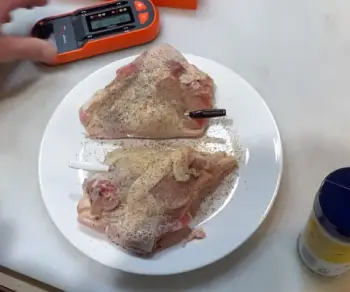
Let me paint a picture of how these play out in my life. Picture a sunny afternoon: I’m firing up the smoker for ribs.
With the TempSpike, I insert the probe, set the app for 203°F internal, and head inside to prep sides.
The 500-foot range keeps me updated as I chop veggies, but if I step too far, I might need to reposition the base.
Switch to the Plus on a rotisserie chicken night. The thin probe slips in without fuss, and the extra 100 feet means I can chat with guests across the yard while monitoring.
Post-cook, probes go in the dishwasher—done. For smaller gatherings, the original suffices, but for bigger events or varied menus, the Plus’s flexibility wins.
I’ve tested both in ovens too. Baking a prime rib, the ambient sensor alerts me if the heat spikes, preventing overcooking.
In rain or cold, staying indoors while the app buzzes with updates is priceless. If you’re like me, juggling family and cooking, these tools free you up without sacrificing quality.
Accuracy And Reliability Tested
Accuracy is non-negotiable for me, so I put both through paces. Using boiling water (212°F) and ice baths (32°F), readings were within 1°F—impressive for wireless tech.
On meats, the TempSpike nailed a medium steak at 135°F, while the Plus matched on a pork loin.
Reliability shines in long cooks. During a 12-hour brisket, neither glitched, with consistent signals. The Plus’s upgraded Bluetooth edged out in stability through interference like microwaves running nearby.
If precision matters in your recipes, both deliver, but the Plus feels more robust for demanding setups.
Value For Money Analysis
Weighing cost against benefits, the original offers bang for buck if you’re starting out. At around $80, it’s a steal for wireless freedom. I got mine on sale and felt it paid off after a few uses.
The Plus, at $100+, justifies itself with refinements. If you cook often or value convenience, the investment returns in saved time and better results.
Think of it as upgrading from a basic phone to one with better battery—subtle but impactful. For occasional users, stick with the original; for enthusiasts, go Plus.
Integration With Cooking Styles
Adapting to my habits, these fit various methods. Grilling burgers? Quick probes give instant feedback. Smoking? Ambient tracking maintains pit temps. Rotisserie? Wireless design avoids tangles.
I love experimenting—sous vide then sear, or reverse sear steaks. Both support this, but the Plus’s thin probes handle the transitions smoother. If your style involves diverse techniques, consider how probe design affects ease.
Maintenance And Longevity
Keeping them in top shape is simple. Charge regularly, store dry, and they’ll last. My original’s going strong after a year, probes intact despite heavy use. The Plus, with easier cleaning, might outlast in grimy conditions.
Watch for ceramic tips—they’re fragile if dropped. I store mine in the base to protect. Overall, durable for the price, outpacing cheaper wired options I’ve burned through.
Community Feedback And My Take
From what I’ve gathered chatting with other cooks, many echo my thoughts: original for basics, Plus for extras. Some praise the range boost for rural setups, others note probe thinness reduces meat trauma.
In my view, if range and ease top your list, Plus it is. But don’t overlook the original—it’s capable and cost-effective. Your choice hinges on how often you grill and what frustrates you most in current tools.
Frequently Asked Questions (FAQ)
Yes, if you want wireless monitoring for accurate cooks without constant checking.
Digital wireless probes like these offer high precision, often within 1°F, outperforming analog types.
Meater series provides similar wireless features with app integration.
Internal up to 212°F, ambient up to 572°F.
Wrapping Up
I’ve walked you through my experiences with the TempSpike and TempSpike Plus, highlighting what makes each tick from a hands-on angle.
Now, it’s up to you to decide based on your cooking adventures—will the reliable original suit your needs, or does the enhanced Plus call your name?
Whichever you pick, you’ll elevate your meals and spend less time worrying. Happy grilling!
Recent Posts
● Interactive 5-Zone Interior & Exterior Paint Blueprint Paint Coverage Calculator: Gallons, Primer, Square Footage & Cost Tap any architectural surface zone on the blueprint...
If you want smooth, shiny hair without spending a fortune on a premium styling tool, the Ella Bella hair dryer may be worth considering.In these Ella Bella hair dryer reviews, I’ll look...