
I have spent years testing various automotive accessories to see what actually survives a messy winter. Choosing between TuxMat and WeatherTech often feels like a battle between luxury and utility.
In this article, I will evaluate the coverage, durability, and overall value of both brands to help you decide which one deserves a spot in your vehicle. Whether you prioritize a sleek look or rugged dependability, you will find the answers here as I break down my personal testing results and observations.
A Brief Comparison Table
| Feature Description | TuxMat | WeatherTech |
| Material Composition | Triple layer PVC with foam | High density TPE plastic |
| Visual Aesthetics | Luxury quilted leather appearance | Rugged industrial utility look |
| Interior Coverage | High vertical side wall coverage | Standard floor pan coverage |
| Surface Texture | Soft and slightly cushioned | Hard and textured grip |
| Cleaning Method | Wipe down or light vacuuming | Hose off and scrub hard |
| Country Of Origin | Designed in Canada | Manufactured in the USA |
| Installation Style | Clip system for snug fitment | Drop in friction fitment |
My Experience With TuxMat
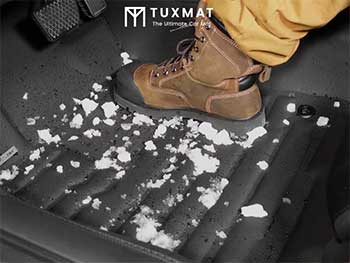
I remember the first time I unboxed a set of TuxMats for my daily driver. The immediate impression was one of sophistication rather than utility.
Unlike the rigid plastic liners I was used to, these felt like an extension of the car’s upholstery.
The installation process was surprisingly involved because of the clips provided to tuck the edges into the trim.
As I drove through a particularly muddy spring, I noticed how the mats transformed the cabin’s acoustics.
There was a noticeable reduction in road noise compared to bare floors or hard plastic mats.
The way they hugged the center console and reached up toward the seat tracks gave me a sense of security that no liquid would ever reach the actual carpet.
It felt like I had upgraded the entire interior of my car rather than just adding protection.
However, the luxury feel did come with a bit of a learning curve regarding hygiene. I found that while they look great, the quilted stitching and texture can trap fine dust that a simple shake won’t remove. I had to be more intentional with my cleaning routine, using a damp microfiber cloth to get into the crevices to maintain that “showroom” look I loved so much.
Pros Of TuxMat
- Exceptional Vertical Coverage: These mats are designed to go much higher up the sidewalls than almost any other competitor I have tested. This ensures that salt stains and slush do not seep into the crevices where the floor meets the center console or the door sills during harsh winter months. I truly appreciate this level of total protection.
- Enhanced Cabin Aesthetics: The quilted, leather-like finish provides a high-end look that complements luxury vehicles and modern interiors perfectly. Instead of looking like a work truck accessory, these mats feel like a premium upholstery upgrade. I have received numerous compliments from passengers who thought the mats were actually part of the original factory interior.
- Superior Sound Dampening: Because of the triple-layer construction and the foam core, these mats act as an additional layer of insulation for your vehicle. I noticed a significant decrease in road vibration and tire noise after installing them. This creates a much quieter and more refined driving experience compared to using thin or hard liners.
- Comfortable Foot Feel: The cushioned surface provides a much softer place to rest your heels during long road trips or daily commutes. Unlike hard plastic alternatives that can feel cold and rigid, these offer a bit of give. This ergonomic advantage makes a big difference in driver comfort when you are spending several hours behind the wheel.
- Secure Installation System: TuxMat includes specialized clips that allow you to anchor the edges of the mats directly to your car’s interior plastic trim. This prevents the mats from shifting or sliding around while you are getting in and out of the vehicle. I found that the mats stayed perfectly in place even after months of heavy daily usage.
- All Season Durability: Despite their stylish appearance, the PVC top layer is incredibly resilient against water, oil, and various chemicals found on the road. I have used them through extreme temperature fluctuations without seeing any cracking or warping. They maintain their shape and structural integrity regardless of whether it is freezing cold or a scorching summer day.
Also read: My Thoughts on Ridge Carbide Saw Blade
Cons Of TuxMat
- Difficult Deep Cleaning: The textured surface and many ridges can trap fine sand and dirt that a vacuum simply cannot reach effectively. I found that I had to use a soft-bristled brush and a damp cloth to really get the mats looking new again. This makes the maintenance process a bit more time-consuming than just hosing off a standard rubber mat.
- Potential Heat Retention: During the peak of summer, the dark material and foam core can hold onto heat more than a simple rubber liner would. I noticed the floor area felt slightly warmer after the car sat in the sun for several hours. While not a dealbreaker, it is something to consider if you live in an extremely hot desert climate.
- Complex Initial Installation: Because these mats provide such high coverage, getting them positioned perfectly around the seat tracks and trim requires some patience and effort. I spent about forty minutes ensuring every clip was snapped in correctly and every edge was tucked. It is definitely not a simple “toss them in and go” type of product for users.
- Limited Custom Colors: Currently, the brand mostly focuses on a black finish which might not match every single interior color scheme perfectly. While black is universal, I would love to see more tan or grey options for older vehicles. This lack of variety might be a deterrent for those of you who want a perfect factory color match.
- Bulkiness For Storage: If you ever decide to remove them and switch back to factory carpets, these mats take up a significant amount of space. Their rigid, high-walled design means they cannot be rolled up or folded easily for storage in a garage. I had to clear a large shelf just to keep them safe when I wasn’t using them.
- Higher Price Point: These are definitely an investment piece for your car and come with a price tag that reflects their premium positioning. While the value is apparent in the coverage, the initial cost can be a bit steep for budget-conscious drivers. I had to weigh the cost against the long-term protection of my car’s resale value.
Maintenance Tips For TuxMat

- Regular Light Vacuuming: You should use a vacuum with a brush attachment at least once a week to prevent dust from settling into the textures. This prevents the debris from being ground into the PVC layer by your shoes. I found that frequent light cleaning is much easier than trying to do one big deep clean later.
- Damp Microfiber Wiping: For daily spills or light mud, a simple wipe with a damp microfiber cloth is usually all you really need. Avoid using oily dressings or “shine” products as they can make the surface dangerously slippery. I always keep a clean cloth in the glovebox for quick touch-ups after a rainy day.
- Soft Brush Scrubbing: When dirt gets trapped in the quilted seams, use a soft-bristled interior brush and a mild soap solution to agitate it. This lifts the grime out of the crevices without scratching the delicate finish of the mats. I found this method to be the most effective for restoring the original deep black color.
- Avoid Pressure Washers: While the mats are waterproof, the high pressure from a car wash wand can sometimes damage the clips or the top finish. It is better to use a garden hose with a gentle spray setting if you need to rinse them off completely. I prefer to clean them while they are still inside the car.
- Air Dry Completely: If you do use water to clean them, make sure they are fully dry before closing the car doors for long periods. Moisture trapped under the mats could potentially lead to a musty smell if the car sits in the sun. I usually leave my windows cracked for an hour after a deep cleaning session.
- Clip Integrity Check: Every few months, you should check the plastic clips to ensure they are still securely fastened to your vehicle’s interior trim panels. Sometimes the clips can wiggle loose from heavy foot traffic or seat movements. Re-securing them ensures that the high side walls continue to provide the maximum level of carpet protection.
My Experience With WeatherTech
WeatherTech is the name everyone knows, and for a good reason. When I put these into my SUV, I felt like I was prepping a vehicle for a rugged expedition. The material is much stiffer and more “plastic-like” than TuxMat, which gives it a utilitarian vibe that I find very reassuring in a work truck or a family hauler.
I recall a camping trip where a gallon of water tipped over in the back. The deep channels of the WeatherTech liners caught every drop, acting like a reservoir. I simply pulled the mat out, dumped the water on the grass, and wiped it dry. That is the beauty of this brand—it is designed for the messiest, most chaotic parts of life where you don’t want to worry about being delicate.
Over time, however, I did notice the “WeatherTech curl.” On some of my older vehicles, the edges that aren’t supported by the car’s trim started to pull away slightly from the walls. It didn’t ruin the protection, but it did break the seamless look I prefer. Still, for raw durability and ease of cleaning, they have remained a staple in my garage for over a decade.
Pros Of WeatherTech
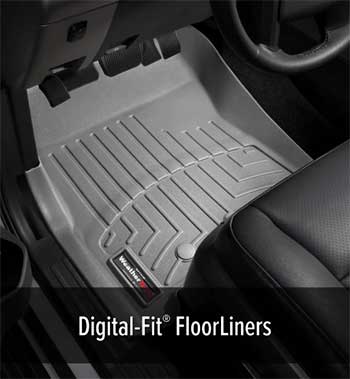
- High Density Construction: The proprietary TPE material is incredibly tough and designed to withstand the weight of heavy boots and sharp debris. I have never seen a pair of these mats wear through or develop holes, even after years of heavy construction use. They are built for those of you who treat your vehicle like a mobile workshop.
- Advanced Liquid Containment: The deep grooves and high outer ridges are specifically engineered to trap and hold large amounts of liquid and slush. This prevents water from sloshing over the edges and onto your carpet when you are turning or braking. I have successfully contained entire spilled drinks using nothing but the mat’s reservoir design.
- Precision Laser Measurement: WeatherTech uses advanced laser technology to map the floorboards of virtually every vehicle on the road today. This results in a fitment that is usually spot-on for the specific contours of your car’s floor pan. I have always been impressed by how well they drop into place without needing any trimming or adjustment.
- Made In The USA: For many buyers, the fact that these are designed and manufactured in American factories is a major selling point. Supporting local manufacturing often comes with better quality control and more consistent material standards. I appreciate the transparency of their production process and the jobs they provide within the domestic automotive industry.
- Quick Cleaning Process: You can simply pull these mats out of the car and hose them off in your driveway in a matter of seconds. Because the surface is non-porous and rigid, mud and grime slide right off without much scrubbing. This makes them the perfect choice for anyone who doesn’t want to spend time detailing.
- Wide Product Availability: You can find these mats at almost any major automotive retailer or online marketplace, making them very easy to purchase. They also offer a huge range of colors including tan, grey, and cocoa to match various interior trims. I like having the option to pick up a set locally if I am in a hurry.
Cons Of WeatherTech
- Industrial Material Feel: The hard plastic can feel a bit slick and unforgiving under your feet compared to rubber or fabric. Some users might find that their shoes slide around a bit when the mats are wet or covered in snow. I personally prefer a bit more grip and “give” when I am driving long distances on the highway.
- Edges May Warp: Over several years of exposure to extreme heat and cold, the edges of these mats can sometimes lose their shape. This leads to a slight curling effect where the mat pulls away from the side of the footwell. I have seen this happen mostly in vehicles that spend a lot of time parked outdoors in the sun.
- Utility Over Style: While they are incredibly functional, they do not offer a “luxury” aesthetic and can look a bit out of place in high-end sedans. The design is very utilitarian and focused on performance rather than visual integration. You might find that they look a bit like heavy-duty equipment rather than a refined car accessory.
- Staining From Chemicals: I have noticed that certain road salts or oils can leave a white, hazy residue on the black plastic over time. Even after a thorough wash, the mats can sometimes look “dry” or ashy rather than deep black. You often need a specialized protectant spray to bring back the original factory luster and deep color.
- Noisy Under Foot: Because the material is so rigid, any small pebbles or debris caught under your shoes will make a clicking or scratching sound. It doesn’t provide the same acoustic insulation that a softer composite mat would offer. I found that I could hear the grit crunching under my feet much more clearly with these liners.
- Standard Side Coverage: While they cover the floor pan perfectly, they do not extend as high up the sides as some newer competitors. This means that mud can still occasionally get on the upper carpet areas if you are really messy. I wish they would extend the protection just a few inches higher for maximum interior security.
Maintenance Tips For WeatherTech
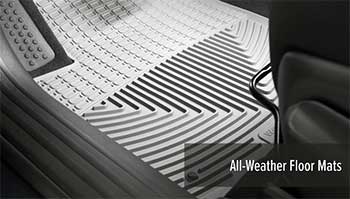
- Pressure Hose Rinsing: The easiest way to clean these is to take them to a self-service car wash and use the high-pressure hose. The force of the water will blast away most of the dried mud and salt without any manual labor. I always find this to be the most satisfying part of my car cleaning routine.
- Mild Detergent Scrub: If you have stubborn stains, a bucket of warm soapy water and a stiff nylon brush will do the trick. This is particularly useful for removing the oily film that can build up from shoes. I found that simple dish soap works just as well as expensive specialized automotive cleaners for this specific task.
- Apply Floor Protector: WeatherTech sells a specific chemical protector that helps restore the finish and adds a non-slip coating to the plastic. This keeps the mats looking new and prevents that ashy, faded look that happens after a few seasons. I recommend applying this at least twice a year for the best results.
- Dry Before Reinstalling: Make sure you wipe the bottom of the mats dry before putting them back into your vehicle to prevent mold. Any water trapped between the mat and the carpet can lead to odors that are very difficult to remove. I usually let them sit in the sun for twenty minutes before I put them back.
- Debris Shaking Regularly: You don’t always need a full wash; sometimes just taking the mats out and giving them a good shake is enough. This removes the loose sand and pebbles that can scratch the surface of the TPE material. I try to do this every time I stop at a gas station to keep things tidy.
- Edge Alignment Check: If you notice the edges starting to pull away, you can sometimes gently bend them back into shape by hand. Applying a little bit of warmth from a hair dryer can help the plastic become more pliable and take its original form. I have used this trick to fix minor warping on older sets of liners.
Comparison With Other Brands
- Husky Liners Performance: Husky is often seen as the direct rival to WeatherTech, offering a slightly softer rubberized feel that many drivers prefer. They feature “Stay-Put” nibs on the bottom that grip the carpet much more aggressively than the smooth bottom of some other brands. I found that Husky provides a great balance between the rigidity of plastic and the grip of rubber.
- 3D MAXpider Elegance: These mats are the middle ground between the luxury of TuxMat and the utility of standard all-weather liners. They have a carbon fiber texture that looks modern and sporty without being overly “truck-like.” I have used these in sports cars where I wanted protection that didn’t ruin the sleek interior lines of the cabin.
- Smartliner Budget Value: If you are looking for protection but don’t want to spend top-tier money, Smartliner is a very popular alternative. They offer a similar plastic construction to WeatherTech but at a much lower price point for the average consumer. I have found them to be perfectly adequate for leased vehicles where you just need basic carpet coverage.
- Rough Country Ruggedness: Specifically designed for trucks and off-road vehicles, these mats feature extremely deep tread patterns that mimic off-road tires. They are meant for extreme mud and dirt where you are constantly stepping in and out of the vehicle. I recommend these for those of you who actually take your vehicle onto trails or work sites.
- LinerX Eco Friendly: This is a newer brand that focuses on using sustainable materials while still providing a custom-fit, high-walled experience. Their mats are often lighter and more flexible than the heavy-duty plastic options while still offering great coverage. I like that they are trying to innovate in a space that has been stagnant for many years.
- OEM Factory Mats: Almost every car manufacturer offers their own all-weather mats, but they usually lack the high-wall protection of aftermarket brands. While they feature the vehicle’s logo and a perfect color match, they often leave large areas of the carpet exposed. I generally suggest skipping the dealership options in favor of a specialized brand like TuxMat or WeatherTech.
Also Read : Comparison Of Pirelli Night Dragon And Pirelli Angel Gt
Frequently Asked Questions (FAQ)
Yes, they are excellent. They offer the most comprehensive coverage on the market and provide a luxury look that elevates the vehicle’s interior.
It depends on your needs; TuxMat is better for luxury and coverage, while Husky Liners are often preferred for their softer, grippier rubber material.
Husky Liners is traditionally their biggest rival, though TuxMat has recently become a major competitor in the premium, high-coverage market segment.
No, TuxMat is a Canadian company. Their products are designed in Toronto and manufactured in China to meet their specific technical requirements.
Conclusion
In the end, the choice between TuxMat and WeatherTech depends entirely on what you value most for your ride. If you want a mat that looks like it belongs in a private jet and covers every square inch of your carpet, I recommend you go with TuxMat.
However, if you need something indestructible that you can hose off in seconds after a muddy hike, WeatherTech remains the gold standard for you. Both brands offer incredible protection, so you really can’t go wrong—it just comes down to whether you prefer a suit or a set of work coveralls for your car’s floor.
Recent Posts
● Interactive 5-Zone Interior & Exterior Paint Blueprint Paint Coverage Calculator: Gallons, Primer, Square Footage & Cost Tap any architectural surface zone on the blueprint...
If you want smooth, shiny hair without spending a fortune on a premium styling tool, the Ella Bella hair dryer may be worth considering.In these Ella Bella hair dryer reviews, I’ll look...