
If you regularly deal with delicate clothing like wool sweaters, silk scarves, lingerie, baby garments, or handmade textiles, then choosing the right wash matters more than you might think.
I started using Eucalan Fine Fabric Wash when I got tired of fabrics losing their softness and shape after just a few washes with regular detergents.
If you care about extending the life of your delicate pieces without complicated routines, this is a product you should seriously consider buying.
In this Eucalan fine fabric wash reviews article, I’ll share my honest experience, comparisons, pros, and practical tips.
My First Experience With Eucalan Fine Fabric Wash
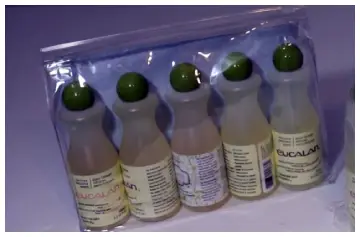
When I first picked up Eucalan, I wasn’t expecting much. I had already tried several “delicate-friendly” detergents that still left my wool sweaters feeling stiff or slightly misshapen.
But the first time I used Eucalan, I immediately noticed a difference in both feel and simplicity.
What stood out to me right away was the no-rinse formula. That alone changed how I approached handwashing.
I simply filled a basin, added a small amount of Eucalan, and soaked my merino wool sweater. There was no endless rinsing, no squeezing out soap repeatedly, and no worry about residue.
After gently pressing out the water and laying it flat to dry, the fabric felt surprisingly fresh and soft.
I also tested it on silk garments, which usually make me nervous. Silk tends to lose its natural sheen if treated harshly, but with Eucalan, the texture stayed smooth and the color looked just as vibrant as before washing.
Even my knitted scarves held their shape better than I expected.
Another thing I appreciated was the subtle lanolin scent in the original version. It isn’t overpowering at all—it actually gives a clean, natural feeling rather than a strong artificial fragrance.
On days when I washed multiple items, I didn’t feel overwhelmed by detergent smell, which is something I’ve experienced with other brands.
What surprised me most was how little product I needed. A small capful goes a long way, and I realized quickly that one bottle lasts significantly longer than standard detergents. That made it feel more economical in the long run.
However, it’s not a miracle solution for heavy stains. If you’re dealing with deep dirt or oily marks, you still need pre-treatment.
Eucalan works best for maintenance washing and preserving fabric quality rather than aggressive cleaning.
Overall, my experience felt more like caring for garments rather than just cleaning them. That shift in mindset alone made me more careful with my clothing.
What Makes Eucalan Stand Out?
Eucalan is designed specifically for delicate fabrics. Unlike regular detergents that rely on heavy surfactants and multiple rinses, it uses a gentle, biodegradable formula enriched with lanolin in some variants. Lanolin is naturally found in wool and helps maintain softness and elasticity.
The no-rinse concept is its biggest selling point. It reduces water usage, saves time, and minimizes fabric agitation, which is especially important for fibers like wool, cashmere, and alpaca.
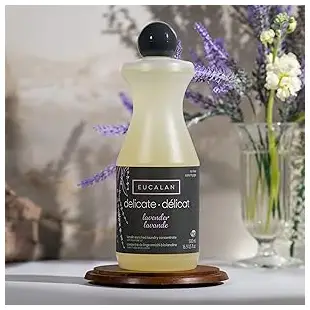
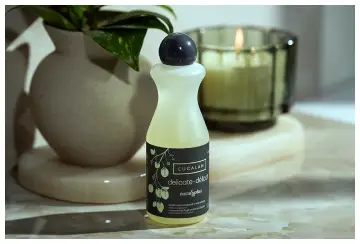
It also comes in different light scents like eucalyptus, lavender, grapefruit, and unscented versions, which makes it flexible depending on personal preference or sensitivity.
Pros Of Eucalan Fine Fabric Wash
- Gentle but highly effective fabric care
One of the biggest strengths I noticed with Eucalan is how gently it treats delicate fabrics without compromising basic cleaning.
When I used it on wool sweaters and silk scarves, the fibers didn’t feel stripped or rough afterward.
Instead, they stayed soft and flexible. This is mainly due to its lanolin content, which helps maintain the natural oils in wool and similar fibers.
Over time, that really matters because it prevents the “dry and scratchy” feeling you often get with harsher detergents.
From real-world feedback, many users also report that it cleans hand-knits, wool socks, and delicates effectively with just soaking and minimal agitation, which aligns with my own experience.
- No-rinse formula saves time and reduces damage risk
This is where Eucalan really stands out. The no-rinse design means you don’t have to repeatedly handle wet garments, which is one of the biggest causes of stretching or misshaping delicate clothes.
When I use it, I simply soak, gently press, and move on to drying. That alone removes a lot of stress from the washing process. Less handling means fewer chances of pulling seams or distorting knit structure.
However, it’s important to understand the intent: it’s designed for freshening and maintaining delicate garments rather than deep stain removal. That’s a fair trade-off for protecting fabric structure long term.
- Very concentrated formula = cost efficiency
You don’t need much Eucalan per wash. Even a small capful goes a long way, and one bottle can last through dozens of washes. This surprised me initially because the bottle looks small, but it stretches much further than typical detergents.
Some users also mention that it feels more cost-efficient compared to other delicate washes because of how concentrated it is .
So while the upfront price might feel higher, the long-term value balances it out quite well.
- Fabric conditioning with lanolin
This is a key differentiator. The lanolin acts like a natural conditioner for wool and similar fibers. Instead of just cleaning, it helps restore softness and elasticity.
After a few washes, I noticed my wool items retained their shape better and didn’t lose their “bounce.” That conditioning effect is something standard detergents like Woolite don’t really provide at the same level.
- Eco-friendly and low-impact washing
Eucalan is biodegradable, non-toxic, and designed to reduce water usage because it doesn’t require rinsing. That makes it more environmentally considerate compared to traditional detergents that require multiple rinse cycles.
Also, less rinsing means less water waste and less energy usage overall. For anyone trying to reduce laundry impact, this is a meaningful advantage.
- Pleasant scent options
Another advantage is flexibility in fragrance. Whether you prefer lavender, eucalyptus, grapefruit, or no scent at all, there’s an option.
The scent is usually mild and not overpowering. In my experience, it gives a “fresh-clean” feeling without lingering artificial perfume overload. Some users even use it specifically for baby items or sensitive skin garments because of the gentle scent profile.
Cons Of Eucalan Fine Fabric Wash
- Not ideal for heavy stains or deep cleaning
Let’s be honest: Eucalan is not a stain-fighting powerhouse. If you’re dealing with oil stains, sweat buildup, or heavily soiled clothes, it may fall short.
I’ve had situations where lightly worn garments came out perfect, but anything with visible stains still needed pre-treatment.
This aligns with general user feedback that it’s best for maintenance cleaning rather than heavy-duty laundry tasks.
So if you expect “deep-clean detergent performance,” this is not it.
- Limited effectiveness on non-delicate everyday laundry
Eucalan is designed for wool, silk, cashmere, lingerie, and delicate knits. When used on regular clothing like cotton tees or gym wear, it doesn’t offer enough cleaning power.
Some users even point out that it’s not suitable for everyday bedding or heavily soiled items, especially when compared to standard detergents that are designed for strong cleaning cycles .
So you still need a second detergent in your laundry routine.
- No-rinse method may feel questionable to some users
Even though the no-rinse formula is the selling point, not everyone feels comfortable with it. There’s a common concern that residues or dirt might remain in the fabric water cycle.
Some users feel rinsing still improves cleanliness, especially for skin-contact garments .
Personally, I understand both sides. I’ve found it fine for sweaters and outerwear, but for undergarments, I sometimes prefer a quick rinse for peace of mind.
- Scent may not suit everyone
While the fragrance is generally mild, it can still be noticeable. If you are extremely sensitive to scents, even natural essential oil-based versions might feel a bit strong.
I’ve also noticed mixed opinions—some people love the lanolin-based smell, while others prefer the unscented version exclusively.
- Slightly premium price point
Eucalan is not the cheapest fabric wash on the shelf. Compared to regular detergents, the price per bottle is higher.
Even though it lasts longer due to concentration, the initial cost can still feel like a barrier, especially if you don’t wash delicate garments frequently.
- Not a replacement for full laundry system
One thing I realized over time is that Eucalan is not meant to be a complete detergent replacement. It works best as a specialist product in your laundry routine, not a universal solution.
You still need regular detergent for daily wear clothes, stains, and machine washing cycles.
Maintenance Tips For Using Eucalan Fine Fabric Wash
- Use the correct water temperature every time
One of the first things I learned with Eucalan is that water temperature makes a noticeable difference in fabric behavior.
I always stick to cool or lukewarm water, especially for wool, cashmere, and silk. Hot water can cause shrinking, fiber stress, and color fading—even if you’re using a gentle detergent.
When I switched from slightly warm water to consistently cool water, my knitwear started holding its shape much better.
The fibers stayed smoother, and I noticed fewer issues with stretching around the shoulders or cuffs. Think of it this way: Eucalan does the gentle cleaning, but the water temperature protects the structure.
- Measure carefully—don’t overuse the product
Because Eucalan is highly concentrated, it’s easy to assume “more is better,” but that actually works against you. I made that mistake early on, and I noticed a slight residue feel on one of my wool scarves.
Now I follow a simple habit: a small capful is enough for a basin of water. Even for larger garments, I don’t increase the amount significantly. Overuse doesn’t improve cleaning; it just makes rinseless washing feel heavier on the fabric.
The key mindset shift is this: Eucalan is about maintenance, not saturation.
- Soak instead of scrub for delicate items
When I first started, I had a habit of lightly rubbing fabric while washing. With Eucalan, that’s unnecessary and sometimes harmful for delicate knits.
Now I simply soak garments and gently press them under water. This allows the lanolin and cleaning agents to work without disturbing the fiber structure.
For wool sweaters and knitted scarves, I usually soak for around 10–20 minutes. That’s enough time for light dirt and odor to release naturally. The less mechanical movement you use, the longer your garments retain their original shape and softness.
- Handle wet garments with care—never wring them
This is one of the most important habits I changed. Wringing is one of the fastest ways to ruin delicate fabrics, even when using a gentle wash like Eucalan.
Instead, I gently press water out using my hands first, then roll the garment inside a clean towel. The towel absorbs most of the moisture without stressing the fibers.
When I started doing this consistently, I noticed my sweaters stopped developing those awkward stretched-out areas around the sleeves and hem.
- Always dry flat for shape protection
Drying method is just as important as washing. I used to hang dry wool items, and over time I realized they were slowly losing their original shape.
Now I always lay them flat on a clean towel or drying rack. I reshape them slightly while still damp so they dry in their correct form.
This small step makes a big difference. It prevents shoulder droop, stretched collars, and uneven hems. Eucalan helps maintain softness, but flat drying preserves structure.
- Wash only when necessary, not after every wear
One of the biggest mindset changes I had was learning that delicate items don’t need frequent washing. With Eucalan, I now focus on “refreshing” rather than constant cleaning.
For example, I only wash wool sweaters after several wears unless there’s a visible stain. Airing them out between uses often keeps them fresh enough.
Over-washing, even with a gentle product, still adds wear over time. Less frequent washing means longer fabric life.
- Separate delicate fabrics properly before washing
I always separate wool, silk, and cashmere items instead of mixing them in the same basin. Even though Eucalan is gentle, different fabrics behave differently in water.
Wool tends to absorb more water, while silk is more sensitive to friction. Washing them separately helps me control soaking time and handling more precisely.
It also prevents accidental color transfer between garments.
- Store garments correctly after washing
Maintenance doesn’t end after drying. How you store your clothes plays a huge role in how long they last.
I always fold wool and knitwear instead of hanging them. Hanging can stretch fibers over time, especially in humid environments.
I also make sure garments are completely dry before storing. Even slight moisture can lead to odor buildup or fabric weakening.
For long-term storage, breathable cotton bags work better than plastic containers because they allow airflow.
- Use spot treatment before soaking for stains
Even though Eucalan is gentle, it’s not a heavy stain remover. I learned to pre-treat stains before soaking.
If I notice a stain, I gently dab it with a mild fabric-safe solution before placing it in the Eucalan bath. This improves overall cleaning without needing harsh scrubbing.
This combination approach gives the best balance between protection and cleanliness.
Comparison Eucalan Fine Fabric Wash Other Brands
- Eucalan vs Woolite
Woolite is often the first brand people try for delicate fabrics. It’s widely available and affordable, but I found it less specialized compared to Eucalan.
Woolite still requires rinsing, which adds extra handling and increases the chance of stretching delicate garments.
Eucalan feels more tailored. The no-rinse formula reduces friction and handling time, which makes a noticeable difference for wool and hand-knit items.
Woolite is fine for casual delicate washing, but Eucalan feels more protective and premium in how it treats fibers.
- Eucalan vs Soak
Soak is probably the closest competitor to Eucalan. Both are no-rinse detergents, and both are gentle on fabrics.
In my experience, Soak has a slightly lighter scent profile and feels more modern in packaging and branding.
However, Eucalan edges ahead when it comes to lanolin-based conditioning. That extra layer of fiber nourishment helps wool items stay softer for longer periods.
Soak cleans well, but Eucalan feels more restorative, especially for natural fibers that tend to dry out over time.
- Eucalan vs Tide Delicates
Tide Delicates is more mainstream and easier to find in supermarkets. It works well for general gentle washing, but it still behaves like a traditional detergent. That means rinsing, more water usage, and slightly more agitation.
Eucalan, on the other hand, feels like a specialized care product rather than a general detergent. If you’re washing high-value garments or handmade pieces, Eucalan gives more peace of mind.
Tide Delicates is convenient, but Eucalan feels more intentional and fabric-focused.
- Eucalan vs Generic Laundry Detergents
Regular detergents are simply not in the same category. They are designed for durability, stain removal, and bulk washing. That makes them too harsh for delicate fabrics.
Eucalan is gentler, more controlled, and avoids stripping natural oils from fibers. Over time, using generic detergents on wool or silk leads to fading, rough texture, and shape loss. Eucalan protects against that gradual damage.
Also Read: Comparison Of Tide Rescue And OxiClean
Frequently Asked Questions (FAQ)
Yes, for delicate fabrics, Eucalan is gentler and more fabric-focused due to its no-rinse formula.
It is safe for most delicate natural fibers like wool, silk, and cashmere, but always check garment labels.
Usually a small capful per basin of water is enough due to its concentrated formula.
It protects delicate fibers, reduces washing effort, saves water, and helps maintain fabric softness.
Wrapping Up
After using Eucalan consistently, I see it less as a detergent and more as fabric care. It simplifies handwashing while protecting delicate materials from long-term damage.
If you own wool, silk, or handcrafted garments and want them to last longer without losing softness, this is a product worth adding to your routine.
It’s not for heavy cleaning, but for preservation, it performs exceptionally well.
Recent Posts
● Interactive 5-Zone Interior & Exterior Paint Blueprint Paint Coverage Calculator: Gallons, Primer, Square Footage & Cost Tap any architectural surface zone on the blueprint...
If you want smooth, shiny hair without spending a fortune on a premium styling tool, the Ella Bella hair dryer may be worth considering.In these Ella Bella hair dryer reviews, I’ll look...