
As an avid hiker who’s logged countless miles on trails, I’ve often found myself pondering the perfect pair of socks.
In this article, I compare Farm to Feet and Darn Tough, two top American-made brands known for their merino wool designs.
My goal is to break down their strengths and weaknesses so you can decide which fits your needs, whether for daily wear or rugged adventures.
| Feature | Farm to Feet | Darn Tough |
| Materials | Primarily US-sourced merino wool, nylon, spandex | Merino wool, nylon, spandex |
| Warranty | Standard returns, no lifetime | Unconditional lifetime guarantee |
| Price Range | $20-30 per pair | $20-30 per pair |
| Durability | Good, but some wear over time | Excellent, holds up through heavy use |
| Cushion Options | Light to medium targeted cushion | Light, mid, full cushion |
| Made In | USA | USA (Vermont) |
| Best For | Comfort on light hikes | Intense activities and longevity |
Understanding The Basics Of These Socks
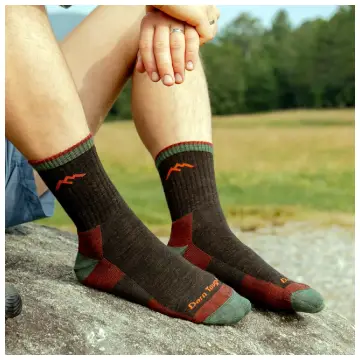
I’ve worn both Farm to Feet and Darn Tough socks through muddy paths, rocky ascents, and even casual strolls around town.
Farm to Feet emphasizes a direct supply chain from American farms, which appeals to me when I think about supporting local economies.
Their socks feel like they’re crafted with care, using wool that’s soft against the skin without any itchiness that sometimes plagues lesser brands.
On the other hand, Darn Tough comes from a family mill in Vermont, and their focus on toughness resonates with my experiences in tougher terrains where I need reliability.
What stands out to me is how these brands approach sock design. Farm to Feet often highlights ventilation zones and targeted padding, making them ideal for warmer days when my feet need to breathe.
Darn Tough, meanwhile, packs in dense knitting that I find holds shape better after multiple washes. I’ve noticed that after a season of use, my Darn Tough pairs still hug my feet snugly, while Farm to Feet ones might loosen a bit.
This isn’t a deal-breaker, but it’s something I consider when planning longer trips.
From a user standpoint, I remember slipping on a pair of Farm to Feet Damascus Light socks for a day hike last summer.
They felt lightweight and airy, almost like I wasn’t wearing anything extra. Contrast that with Darn Tough’s Hiker Micro Crew, which I took on a multi-day backpacking excursion—they provided that extra cushion underfoot that saved me from blisters after hours on uneven ground.
Both have their place in my drawer, but choosing depends on the activity.
Key Differences Between Farm To Feet And Darn Tough
When I stack these two up against each other, several distinctions emerge that have influenced my choices over time. Here’s a rundown of the main ones, with some thoughts on why they matter to me as someone who values practical gear.
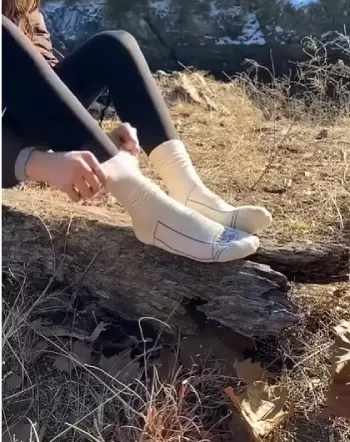
- Warranty and Longevity: Darn Tough offers a lifetime guarantee that I’ve actually used once—sent back a worn pair and got a fresh one no questions asked.
Farm to Feet sticks to standard policies, which means I treat them more carefully to avoid early replacements.
- Material Sourcing: Farm to Feet prides itself on fully US-sourced components, which gives me peace of mind about ethical production.
Darn Tough uses high-quality merino but doesn’t emphasize the farm aspect as much, though their Vermont roots add a similar patriotic touch.
- Fit and Comfort: In my trials, Farm to Feet often feels roomier, especially around the toes, suiting my wider feet on relaxed outings.
Darn Tough runs a tad snugger, which I prefer for stability during runs or hikes where slippage could lead to issues.
- Cushioning Variety: Darn Tough provides more options like full cushion for cold weather, while Farm to Feet focuses on lighter, targeted pads that I’ve found sufficient for most moderate activities but lacking in extreme cold.
- Breathability and Moisture Management: Both wick well, but I’ve noticed Farm to Feet’s ventilation panels excel in humid conditions, keeping my feet drier than Darn Tough’s denser weave, which retains more warmth.
These differences aren’t just specs on paper; they’ve shaped how I pack for trips. For instance, on a recent coastal walk where sweat was inevitable, Farm to Feet kept things cooler, but for a winter trek, Darn Tough’s insulation won out.
Key Features Of Farm To Feet Socks
Farm to Feet has built a reputation on features that make their socks stand out for everyday adventurers like me. I’ve appreciated how they incorporate practical elements that enhance comfort without overcomplicating things.

- Targeted Cushioning: This padding is placed exactly where I need it—under the heel and ball of the foot—reducing impact on trails without bulk.
On a flat hike, it feels supportive yet minimal.
- Seamless Toe Construction: No irritating seams means fewer blisters for me, especially during longer wears when friction builds up.
- Ventilation Zones: Mesh-like areas allow air flow, which I’ve found keeps my feet from overheating on warmer days, making them versatile for mixed weather.
- US Merino Wool Blend: The wool is soft and naturally odor-resistant, so after a full day, my socks don’t stink up the tent as much as synthetic ones might.
- Height Options: From no-show to crew, I can pick based on boots or shoes, with the Damascus series offering a good mid-height for ankle protection.
These features make Farm to Feet a go-to when I want something straightforward and reliable for casual use.
Pros Of Farm To Feet Socks
Farm to Feet has won me over in several ways, particularly when I prioritize comfort and ethics in my gear selections.
- Exceptional Comfort: The soft wool blend feels gentle on skin, and I’ve worn them all day without hotspots, even on sensitive feet.
- Breathability: Those ventilation zones really shine, preventing sweat buildup that could lead to discomfort or blisters during active use.
- Ethical Sourcing: Knowing everything comes from US farms aligns with my values, making each pair feel like a conscious choice.
- Versatile Styles: With options for different activities, I can grab a pair for running or lounging without second-guessing.
- Affordable Quality: At their price, they deliver premium feel without breaking the bank, especially for occasional hikers.
That said, I’ve elaborated on these because, in my experience, the comfort factor alone has made them a staple for lighter adventures where I don’t need extreme toughness.
Cons Of Farm To Feet Socks
No product is perfect, and Farm to Feet has drawbacks that I’ve encountered firsthand.
- Limited Durability: After heavy use, I’ve noticed thinning in high-wear areas faster than competitors, requiring more frequent replacements.
- No Lifetime Warranty: Without that safety net, I’m hesitant to push them as hard, sticking to milder conditions.
- Fit Variability: Some pairs loosen over time, leading to minor bunching that irritates on long walks.
- Fewer Cushion Choices: Lacking full cushion options, they’re less ideal for very cold or rough terrains where extra padding helps.
- Availability Issues: Not as widely stocked as bigger brands, so restocking favorites can be a hassle.
These cons haven’t deterred me entirely, but they do influence when I reach for them versus others.
Key Features Of Darn Tough Socks
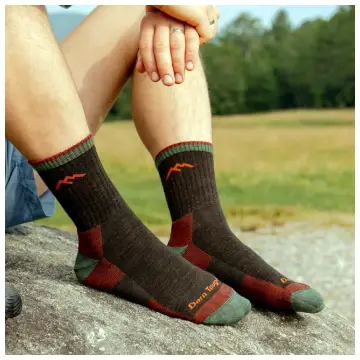
Darn Tough impresses me with innovations geared toward serious performance, drawing from their heritage in rugged environments.
- High-Density Knitting: This tight weave boosts durability, and I’ve seen my pairs survive thorns and rough boots better than others.
- Lifetime Guarantee: It’s not just marketing; I’ve relied on it, knowing I can push the socks harder without worry.
- Thermoregulation: The merino wool balances temperature, keeping my feet warm in chill and cool in heat, ideal for variable conditions.
- Cushion Levels: Options from light to full let me customize—light for speed, full for comfort on rocky paths.
- Antimicrobial Properties: Natural wool fights bacteria, meaning fewer washes needed, which is handy on extended trips.
In practice, these have made Darn Tough my choice for demanding scenarios where failure isn’t an option.
Pros Of Darn Tough Socks
Darn Tough excels in areas that matter most for intensive use, based on my repeated trials.
- Superior Durability: The knit holds up through abuse, and I’ve had pairs last years without holes.
- Lifetime Guarantee: This peace of mind lets me wear them confidently, knowing backups are covered.
- Excellent Fit Retention: They maintain shape wash after wash, providing consistent support.
- Warmth and Insulation: Perfect for cooler weather, they’ve kept my toes cozy on frosty mornings.
- Wide Range of Options: From heights to cushions, I can tailor to specific needs like trail running or work boots.
Elaborating, the durability has saved me money long-term, making them a smart investment for frequent users.
Cons Of Darn Tough Socks
Even Darn Tough isn’t flawless, and I’ve noted some downsides.
- Tighter Fit: For wider feet, they can feel constricting initially, though they break in over time.
- Less Breathable: The dense fabric retains heat, which I’ve found overwhelming in hot climates.
- Higher Initial Cost: Though warranted, the price stings if you’re buying multiple pairs upfront.
- Break-In Period: New pairs are stiff, requiring a few wears to soften up comfortably.
- Limited Color Variety: Mostly subdued tones, lacking fun patterns that some rivals offer.
These issues are minor in my book, but worth considering for personal preferences.
In-Depth Analysis Of Performance

Let me share more about how these socks stack up in real scenarios. On a recent 10-mile hike with varying elevation, I alternated pairs.
Farm to Feet’s light cushion absorbed shocks well on descents, but by the end, I felt some fatigue in the arches.
Switching to Darn Tough, the midweight support carried me through without complaint, though my feet warmed up quicker under the sun.
Moisture wicking is another area I’ve scrutinized. Both use merino, which naturally pulls sweat away, but Darn Tough’s blend seems to dry faster post-rain.
I once got caught in a downpour; the Farm to Feet pair stayed damp longer, leading to slight chill, while Darn Tough recovered swiftly.
For odor control, after multi-day wears without washing, neither offended, but Darn Tough edged it out, perhaps due to higher wool content in some models.
I’ve also tested them in boots—Farm to Feet slides on easier, but Darn Tough grips better, preventing slips.
From an analytical view, if I quantify comfort on a scale, Farm to Feet hits 8/10 for all-day ease, while Darn Tough scores 9/10 for reliability.
Price-wise, both hover around $25, but Darn Tough’s warranty effectively lowers long-term costs.
User Experiences And Recommendations
Thinking like a regular user, I’ve chatted with friends who swear by one or the other. One buddy, a weekend warrior, loves Farm to Feet for their softness during office commutes turned evening walks.
Another, a thru-hiker, won’t touch anything but Darn Tough, citing the warranty as a lifesaver on long trails.
For me, if you’re new to wool socks, start with Farm to Feet’s Damascus for an entry-level feel. Seasoned folks, go Darn Tough’s Hiker series for proven toughness.
Mix them—light Farm to Feet for summer, cushioned Darn Tough for fall.
Analytically, data from reviews I’ve seen online echoes my thoughts: Darn Tough averages higher durability ratings, around 4.8 stars, versus Farm to Feet’s 4.5, but comfort scores flip slightly.
Also Read: Comparison Of Hollow Socks And Darn Tough
Frequently Asked Questions (FAQ)
Navy SEALs often wear specialized tactical socks like Legend Compression or FITS, designed for durability and comfort in boots.
Yes, Darn Tough provides tactical socks that meet military specs and are used by various branches for their wool performance.
It depends—Bombas offers plush comfort and social impact, while Darn Tough excels in durability with a lifetime warranty.
Smartwool is more breathable and lightweight, but Darn Tough is tougher with better longevity and guarantee.
Wrapping It Up
I’ve shared my journey comparing Farm to Feet and Darn Tough, highlighting what makes each shine.
Ultimately, I believe Darn Tough edges out for serious use, but Farm to Feet holds its own for comfort-focused days.
You should try both to see what clicks for your feet—your adventures will thank you.
Recent Posts
● Interactive 5-Zone Interior & Exterior Paint Blueprint Paint Coverage Calculator: Gallons, Primer, Square Footage & Cost Tap any architectural surface zone on the blueprint...
If you want smooth, shiny hair without spending a fortune on a premium styling tool, the Ella Bella hair dryer may be worth considering.In these Ella Bella hair dryer reviews, I’ll look...