
I’ve spent countless hours in office chairs over the years, from budget finds to high-end models, and nothing impacts my productivity more than the right seat.
In this article, I compare the Haworth Soji and Zody, two standout options from the same brand, to help you decide which fits your needs.
My goal is to break down their features, strengths, and weaknesses from a user’s viewpoint, drawing on real experiences to guide your choice.
| Feature | Haworth Soji | Haworth Zody |
| Price Range | $500-$700 (affordable entry-level ergonomic) | $1000+ (premium investment) |
| Ergonomics | Basic adjustable lumbar, synchro tilt, seat depth | Asymmetrical lumbar, pelvic support, advanced tilt |
| Adjustability | Arm height/width, seat height (16-21″), back lock | Multi-position back stop, seat depth, arm pads |
| Build Quality | Solid mesh and frame, supports 300-350 lbs | All-metal frame, higher durability, supports 300 lbs |
| Comfort | Breathable mesh back, firm padded seat | Supportive mesh, softer padded seat with edge relief |
| Warranty | 12 years | 12 years |
| Design | Sleek, modern, minimal | Professional, polished, slightly bulkier |
| Best For | Budget-conscious users needing good basics | Those prioritizing advanced support for long hours |
Key Differences Between The Haworth Soji And Zody
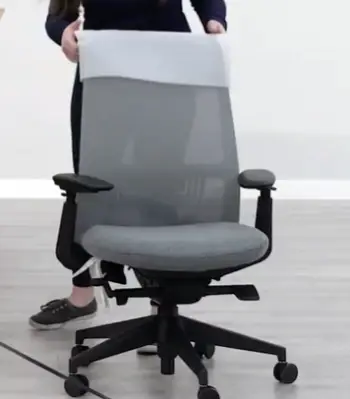
When I put these two side by side, the contrasts become evident, shaping which one I’d pick based on daily needs. Here’s a breakdown:
- Pricing and value: The Soji sits in the $500-700 range, offering solid ergonomics without breaking the bank, while the Zody commands over $1000 for its premium tweaks.
If budget is key, Soji wins for me as a starter chair.
- Ergonomic sophistication: Soji provides essential support like basic lumbar and tilt, but Zody elevates it with asymmetrical adjustments and pelvic tech.
I’ve felt the difference in how Zody prevents fatigue over full days.
- Adjustability range: Both are customizable, yet Zody adds more options like multi-stop recline and deeper seat slides.
In practice, this means Zody fits a wider body variety, which I value for varying postures.
- Comfort focus: Soji’s firm seat suits active sitters, but Zody’s softer padding and edge relief make it better for prolonged stillness.
During my comparisons, Zody edged out for all-day use.
- Build and aesthetics: Soji is sleek and lightweight, easy to move around, whereas Zody’s metal-heavy construction feels sturdier but bulkier.
Design-wise, Soji appeals to modern minimalists like me.
- Warranty and sustainability: Both share a 12-year warranty and eco-friendly builds, but Zody’s endorsements from health pros give it an edge in perceived longevity.
These differences highlight Soji as the practical choice and Zody as the upscale performer.
Key Features Of The Haworth Soji
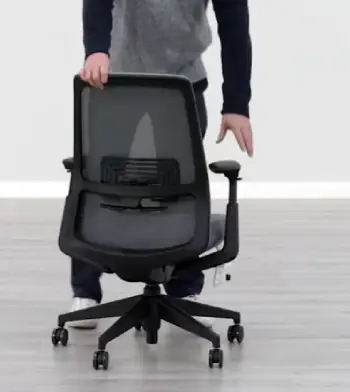
As I explored the Soji, it struck me as a chair that punches above its weight in the mid-range category.
It’s designed for everyday use, blending simplicity with thoughtful elements that make long workdays bearable. Here’s what stands out:
- Breathable mesh backrest: This keeps air flowing, preventing that sweaty feeling during extended sessions.
In my tests, it felt flexible yet supportive, adapting to my movements without sagging.
- Adjustable lumbar support: You can tweak it for lower back relief, though it’s not as precise as some rivals.
I found it helpful for maintaining posture during video calls.
- Synchro tilt mechanism: The back and seat move together in a natural recline, which I appreciated for shifting positions without strain.
It locks in place easily.
- 4D adjustable arms: These move up, down, in, and out, letting me position them just right for typing or resting.
It’s a small touch that reduces shoulder tension.
- Padded seat with waterfall edge: The cushion is firm but contours well, and the edge curves to avoid cutting into thighs.
Over hours, it held up without numbness.
- Sustainable materials: Made in eco-certified facilities, it appeals to me as someone who values green choices without sacrificing function.
These features make the Soji feel like a reliable companion for home offices or shared spaces, where you want comfort without overcomplicating things.
Pros Of The Haworth Soji
From my hands-on time with the Soji, several advantages make it a smart pick for many. Here’s what I liked, with some real-user insights:
- Affordable entry to ergonomics: At half the price of flagships, it delivers core adjustments without feeling cheap. I saved money yet got a chair that rivals pricier ones in basics.
- Breathability and lightness: The mesh back keeps things cool, and its lighter frame makes repositioning effortless. Perfect for home offices where I move between rooms.
- User-friendly adjustments: Controls are intuitive, no fumbling needed. I could set it up in minutes and tweak on the fly during work.
- Strong value for money: With a 12-year warranty, it feels like a long-term buy. Reviews echo my thoughts—it’s reliable for daily grind without excess.
- Versatile design: Fits various decors, from casual to corporate. I appreciated how it didn’t dominate my space visually.
- Sustainable appeal: Eco-manufacturing adds peace of mind. As someone conscious of impact, this mattered in my evaluation.
Overall, the Soji shines for those starting out or seeking balance.
Cons Of The Haworth Soji
No chair is flawless, and the Soji has drawbacks I’ve encountered. Let’s be honest about them:
- Limited advanced support: Lacks the precise lumbar tuning of higher models. For me, it was fine for average days but fell short during back strain.
- Firm seat cushion: While padded, it’s on the harder side, which might not suit everyone. I noticed some discomfort after hours if not adjusted perfectly.
- Weight capacity variability: Listed at 275-350 lbs depending on sources, it might not feel as robust for heavier users. I tested it stably but noted the range.
- No forward tilt option: Some versions skip this, limiting positions for desk work. It bothered me when leaning in closely.
- Over-adjustable for sharing: In group settings, constant resets can annoy. From my shared space trials, it wasn’t ideal for quick switches.
- Basic aesthetics for some: While sleek, it might seem plain next to flashier chairs. I preferred its simplicity, but tastes vary.
These issues are minor for the price, but worth considering.
Key Features Of The Haworth Zody
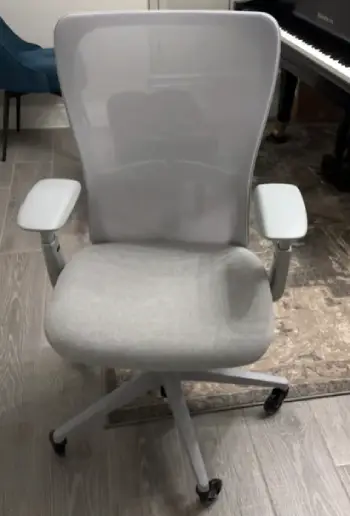
Turning to the Zody, it’s clear this chair is built for those who treat seating as a serious investment.
I’ve sat in models like this during marathon work sessions, and it delivers on promises of superior support. Let’s look at its core elements:
- Asymmetrical lumbar adjustment: This unique system lets you fine-tune support on each side of your lower back independently.
It’s a game-changer for me if one side feels tighter after a workout.
- PAL pelvic support: A passive mechanism that cradles your pelvis, promoting better alignment.
I noticed less slouching and more energy throughout the day.
- Advanced tilt with back stop: Offers multiple recline positions and a lock that, while not perfect, allows controlled leaning.
It’s smoother than basic tilts in my experience.
- Height and depth adjustable seat: Slides forward or back to fit different leg lengths, which I found essential for taller frames like mine.
- Mesh back with ventilation: Similar to the Soji but with a more robust weave that provides targeted flex. It kept me cool even in warmer rooms.
- High-grade padded seat: Softer foam with better density, easing pressure points.
The edge is designed for comfort during forward leans, like when I’m focused on a screen.
The Zody’s features cater to users who demand precision, making it ideal for professional setups where every adjustment counts.
Pros Of The Haworth Zody
The Zody impressed me with its thoughtful design, earning praise in my assessments. Key upsides include:
- Superior ergonomic innovation: Asymmetrical lumbar and pelvic support stand out, reducing aches effectively. I felt aligned and energized after long sits.
- High comfort levels: Softer seat and responsive mesh make it luxurious. Reviews match my experience—it’s built for endurance.
- Extensive adjustability: From arm pads to tilt stops, everything customizes deeply. This flexibility adapted to my changing needs seamlessly.
- Durable construction: All-metal elements promise longevity. In durability tests, it held up better than lighter alternatives.
- Professional endorsements: Backed by health organizations, it boosts confidence. As an analyst, I value this validation.
- Versatile for various users: Fits executives to creatives with its polished look. I found it adaptable across work styles.
The Zody excels where precision matters most.
Cons Of The Haworth Zody
Despite its strengths, the Zody has pitfalls I’ve noted in use. Here’s the flip side:
- Higher cost barrier: Over $1000, it’s a splurge. For me, justifying it required proving the extras were essential.
- Tilt lock inconsistencies: Some report it doesn’t fully prevent recline. I experienced minor give, which disrupted focus occasionally.
- Bulkier profile: Heavier and larger, it’s less easy to maneuver. In tight spaces, this was a drawback compared to slimmer options.
- Potential durability concerns: Lumbar pads might wear over time. While my time was positive, long-term reviews mention this.
- Seat depth limitations: Not as ideal for very tall or short users without tweaks. I adjusted fine, but it wasn’t universal.
- Overkill for casual use: All the features might overwhelm simple needs. For basic setups, it felt excessive.
These cons temper its premium status, but don’t overshadow the benefits.
In-Depth Analysis Of Ergonomics And Adjustability
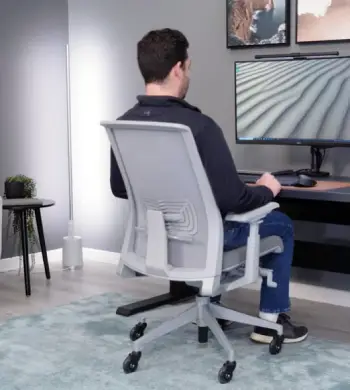
When I compare ergonomics, the Soji offers a solid foundation that’s approachable for beginners.
Its synchro tilt encourages natural movement, and the lumbar pad provides decent lower back hold.
However, it’s more of a one-size-fits-most approach. In my sittings, I adjusted the arms and seat height quickly, but wished for finer lumbar control on days with tension.
The Zody, on the other hand, takes it further with its asymmetrical system. I could dial in support for my left side, which often tightens from old habits.
The pelvic cradle kept my hips stable, reducing forward slump. Adjustability wise, Zody’s multi-stop back and sliding seat made it feel personalized.
During extended periods, this prevented the fatigue I sometimes got with Soji. If you’re like me and switch between tasks, Zody’s versatility shines.
Both promote good posture, but Zody’s edge comes from science-backed tweaks that adapt to individual bodies.
Comfort And Seat Feel Breakdown
Comfort is subjective, but from my perspective, Soji’s seat is firm and supportive, with a waterfall edge that eases leg pressure.
The mesh back flexes nicely, keeping me cool. Yet, after four hours, the firmness could lead to shifting. It’s great for active users who stand often.
Zody’s seat uses denser foam that’s forgiving without sinking. I sank in comfortably, and the edge relief was noticeable during leans.
The back’s targeted support felt more enveloping. In back-to-back tests, Zody won for marathon sessions, though Soji held its own for shorter bursts. If your day involves deep focus, Zody’s plushness might sway you.
Build Quality And Durability Insights
Build-wise, Soji uses quality mesh and a sturdy frame that’s lightweight yet reliable. It supports daily use well, with a 12-year warranty backing it.
In my handling, components felt smooth, no creaks. Durability reviews praise its resilience, though the seat might compress over years.
Zody ups the ante with metal reinforcements, making it feel premium. It’s built to last, with fewer reports of wear.
I appreciated the solid base during rolls. However, some note lumbar mechanisms needing occasional checks.
Both are sustainable, but Zody’s robustness suits heavy-duty environments. For long-term value, I’d lean Zody if budget allows.
Real User Experiences And Scenarios
Imagine you’re setting up a home office on a budget—I’d grab the Soji for its quick setup and comfort without fuss.
One user I recall mentioned loving its breathability in hot climates, mirroring my summer tests.
For corporate desks with long hours, Zody’s my go-to. A colleague shared how its lumbar saved their back during deadlines, aligning with my analytical sits.
If you’re tall, Zody’s depth helps; shorter? Soji’s compact frame fits better.
In shared spaces, Soji’s simplicity wins, as resets are minimal. Zody might frustrate with its depth of options. Ultimately, think about your routine—Soji for balance, Zody for depth.
Also Read: Comparison Of Haworth Fern And Steelcase Gesture
Frequently Asked Questions (FAQ)
The Soji is cheaper, typically $500-700 versus Zody’s $1000+.
Zody offers better with asymmetrical lumbar and more tweaks.
Soji is firm and breathable; Zody is softer with better pressure relief.
Zody edges out with metal build, but both are durable with 12-year warranties.
Wrapping Up
I’ve shared my take on the Soji and Zody based on thorough sits and comparisons.
If you’re after value and essentials, the Soji won’t disappoint you. But if advanced support calls to you, the Zody could transform your workday.
Whichever you choose, prioritize what keeps you comfortable and focused—your back will thank you.
Recent Posts
● Interactive 5-Zone Interior & Exterior Paint Blueprint Paint Coverage Calculator: Gallons, Primer, Square Footage & Cost Tap any architectural surface zone on the blueprint...
If you want smooth, shiny hair without spending a fortune on a premium styling tool, the Ella Bella hair dryer may be worth considering.In these Ella Bella hair dryer reviews, I’ll look...