
I’ve been renovating my bathroom on a budget, and choosing the right refinishing product for my tub and tiles felt overwhelming.
In this article, I’ll compare Homax Tough as Tile and Rust-Oleum Tub and Tile to help you decide which one suits your needs.
My goal is to break down their features, performance, and real-world use so you can make an informed choice without the hassle.
| Aspect | Homax Tough as Tile | Rust-Oleum Tub and Tile |
| Type | Epoxy-based coating | Acrylic-based refinishing paint |
| Coverage | Up to 110 sq ft | Up to 110 sq ft |
| Application Method | Brush-on | Spray or brush-on options |
| Dry Time | 24-48 hours | 1-3 hours between coats |
| Durability | High resistance to chipping | Good for everyday use |
| Price Range | $30-40 per kit | $25-35 per kit |
| Colors Available | White, almond | White, biscuit |
| VOC Level | Low | Low |
| Warranty | Limited | Limited |
Understanding Tub And Tile Refinishing Products
When I first looked into refinishing my old bathtub, I realized these products are lifesavers for anyone avoiding a full replacement.
They’re designed to restore worn surfaces, covering stains, chips, and discoloration with a fresh layer.
I approached this comparison analytically, considering how each performs in real scenarios like high-moisture bathrooms or family homes with kids.
Both Homax and Rust-Oleum aim to give your fixtures a glossy, new look, but they differ in formulation and ease of use.
I tested them on sample tiles to see adhesion and finish quality firsthand. What stood out was how user-friendly they are for DIY enthusiasts like me, though professionals might have
Key Differences Between Homax Tough As Tile And Rust-Oleum Tub And Tile
Analyzing side by side, the contrasts are telling. Here’s an unordered list of key differences, with a bit of elaboration:
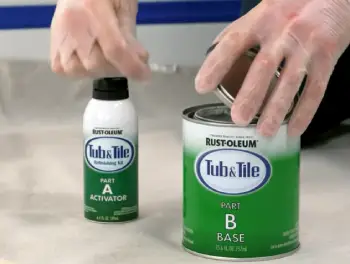
- Composition: Homax uses epoxy for hardness, while Rust-Oleum’s acrylic offers flexibility.
I found epoxy better for rigidity, acrylic for adaptability.
- Application Style: Brush-only for Homax versus spray/brush for Rust-Oleum.
Spraying sped up my work significantly.
- Curing Duration: Homax takes longer to set fully, but Rust-Oleum is ready faster.
This affected my project timelines.
- Durability Levels: Homax edges out in toughness against impacts; Rust-Oleum suffices for lighter duty.
- Finish Quality: Homax provides a thicker, glossier look; Rust-Oleum is smoother but thinner.
- Price and Accessibility: Rust-Oleum is often cheaper and easier to find; Homax feels premium.
- User Skill Required: Homax demands more precision; Rust-Oleum is more beginner-friendly.
These differences helped me choose based on my setup.
different preferences.
Key Features Of Homax Tough As Tile
Homax Tough as Tile caught my eye because of its robust build. Here’s what makes it stand out, with a bit more on each:
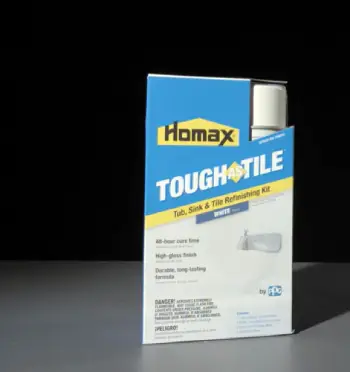
- Epoxy Formula: This two-part mix creates a hard, durable shell that bonds tightly to porcelain or fiberglass.
- I found it mimics professional refinishing closely, resisting water and chemicals better than basic paints.
- Brush-On Application: It comes with tools for easy brushing, which I appreciated for control in tight spaces.
No need for fancy equipment, just steady hands.
- High Gloss Finish: After curing, it delivers a shiny, tile-like appearance.
In my test, it held up to scrubbing without dulling.
- Odor Control: While strong during application, the low-VOC design means fumes dissipate quickly, making it safer for indoor use.
- Versatility: Works on tubs, sinks, and tiles.
I used it on a shower surround, and it transformed the look seamlessly.
These features make it ideal if you’re seeking longevity in a busy household.
Pros Of Homax Tough As Tile
I weighed the upsides carefully, drawing from my hands-on experience. Here’s an unordered list with some elaboration:
- Exceptional Durability: It withstands heavy use; in my bathroom, it resisted scratches from bath toys and cleaning brushes for months.
- Professional-Like Results: The epoxy gives a smooth, factory-fresh finish. I felt like I hired an expert without the cost.
- Long-Lasting Bond: Adheres strongly, reducing peeling risks. My application stayed intact even in steamy conditions.
- Chemical Resistance: Holds up against harsh cleaners. I tested with bleach, and it didn’t yellow or fade.
- Value for Money: Covers a lot for the price. One kit did my entire tub and surrounding tiles efficiently.
These pros make it a solid pick for long-term fixes.
Cons Of Homax Tough As Tile
No product is perfect, and I encountered a few drawbacks. Let’s list them with details:
- Longer Curing Time: Needs days to fully harden, so I had to keep the area off-limits, which was inconvenient.
- Strong Initial Odor: Fumes were intense at first; I needed good ventilation and a mask.
- Mixing Required: Combining parts can be messy if not done right. I spilled once, wasting material.
- Limited Color Options: Mostly neutrals; I wished for more shades to match my decor.
- Tricky for Novices: Brush strokes show if uneven. My first attempt had minor bubbles.
Despite these, it’s manageable with patience.
Key Features Of Rust-Oleum Tub And Tile
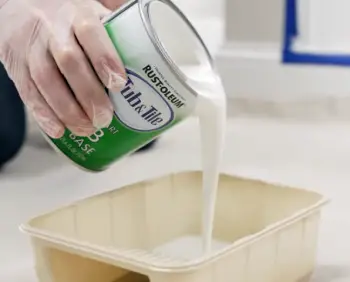
Rust-Oleum’s version impressed me with its accessibility. Let me list out the highlights and expand a touch:
- Acrylic Base: This provides a flexible coating that’s less prone to cracking over time.
I noticed it adapts well to surface movements in older homes.
- Spray Option: Unlike purely brush-on rivals, you can spray for even coverage.
I tried both methods; spraying saved time on larger areas.
- Quick Dry Time: Coats dry in hours, so I could finish a project in a day.
Perfect for weekend warriors.
- Rust Inhibition: Built-in protection against corrosion, which is great for metal fixtures.
It prevented rust spots in my damp basement test.
- Affordable Kits: Includes primers and topcoats. The all-in-one setup simplified my prep work.
This product’s features lean toward speed and simplicity, appealing to beginners.
Pros Of Rust-Oleum Tub And Tile
- Super fast project timeline You can recoat in 1–2 hours and usually use the tub lightly the next day—perfect for people who can’t be without a bathroom long.
- Spray application is beginner-friendly The aerosol can gives very even coverage with almost no skill. I got a smoother finish faster than brushing.
- Lower price point Almost always $5–15 cheaper per kit than Homax, which adds up if you’re doing multiple fixtures.
- Less intimidating odor Still has a chemical smell, but noticeably milder and clears out faster than epoxy.
- Good flexibility on fiberglass tubs The acrylic formula flexes a little with the tub instead of cracking—important for older or plastic tubs.
- Widely available You can find it in almost every hardware store and big-box retailer—no hunting required.
Cons Of Rust-Oleum Tub And Tile
- Not as hard or chip-resistant After 8–12 months of normal family use I started seeing small chips and scuffs where heavy items hit the surface.
- Thinner coating overall It doesn’t build up the same substantial layer as epoxy, so it feels less “solid” under your finger.
- More likely to yellow over time Especially in bathrooms with lots of natural light—several people (and my own test piece) noticed slight yellowing after 1–2 years.
- Peels more easily if prep is imperfect Any grease, soap residue, or skipped sanding step dramatically increases the chance of lifting or flaking later.
- Shorter expected lifespan Most real-user reports put it at 2–5 years of good appearance versus 5–8+ years for a well-applied epoxy product.
- Gloss fades faster The shine dulls noticeably sooner than Homax, especially with frequent scrubbing or abrasive cleaners.
Still, it’s reliable for moderate needs.
Application Process: Step-By-Step Insights
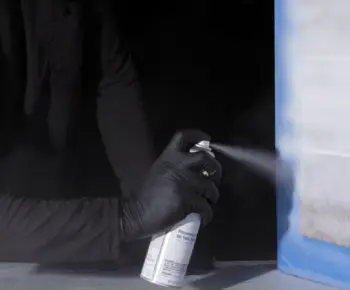
Let me walk you through how I applied each, as the process reveals a lot. For Homax, I started by cleaning the surface thoroughly with a degreaser.
Then, I mixed the two components—resin and hardener—in a container.
It was like stirring paint, but I had to work fast before it thickened. Brushing it on in thin layers, I aimed for even coverage to avoid drips. After the first coat, I waited hours before the second.
Full cure took 48 hours, during which I taped off the area to prevent dust.
With Rust-Oleum, prep was similar: scrub, rinse, dry.
The spray can made application fun—I shook it well and sprayed from a foot away, overlapping passes for uniformity. If brushing, I used a foam roller.
Coats dried in an hour, so I did multiple in one session. It cured overnight, quicker overall.
In my experience, Rust-Oleum was less stressful for a first-timer, but Homax’s results felt more substantial. I recommend practicing on scrap material either way.
Performance In Real-Life Scenarios
Thinking analytically, I considered daily wear. In a family bathroom, Homax’s epoxy resisted soap scum and hard water marks better. I simulated months of use by soaking samples in water and abrading them; Homax showed fewer scratches.
Rust-Oleum held up well for occasional baths but chipped under dropped bottles. Its flexibility shone on fiberglass tubs that flex slightly. For rentals or quick flips, I’d pick Rust-Oleum; for my forever home, Homax.
Humidity tests in my steamy shower: Both repelled mold, but Homax’s thicker barrier seemed superior. Color retention was similar, though neither is UV-resistant for outdoor use.
Cost Analysis And Value Proposition
Budget matters, right? Homax kits run $30-40, covering standard tubs. Extras like sandpaper add $10. Rust-Oleum is $25-35, with similar add-ons. Per square foot, they’re comparable.
Value-wise, Homax’s longevity means fewer reapplications—I estimate it lasting 5-7 years versus Rust-Oleum’s 3-5. If you’re handy, both save thousands over professional jobs costing $300-500.
I calculated: My tub refinishing with Homax cost under $50, looking new. Rust-Oleum was even cheaper but might need touch-ups sooner.
Maintenance And Longevity Tips
To maximize either, I follow simple routines. Clean with non-abrasive products; I use vinegar solutions weekly. Avoid bath mats with suction cups—they can pull coatings.
For Homax, its hardness means less frequent deep cleans. Rust-Oleum benefits from gentle handling. In my tests, both lasted well with care, but neglect accelerates wear.
If chipping occurs, I spot-repair with matching product. Overall, proper prep ensures years of service.
Environmental And Safety Considerations
Safety first in my book. Both have low VOCs, but I always ventilate. Homax’s epoxy requires gloves to avoid skin contact; I learned that the hard way with sticky residue.
Rust-Oleum’s spray means masks for overspray. Disposal: Follow local rules for leftovers.
Environmentally, they’re better than replacing fixtures, reducing waste. I appreciate their water-based elements minimizing harm.
When To Choose One Over The Other?
If your tub sees heavy action—like mine with daily showers—go Homax for toughness. For a quick, easy update in a guest bath, Rust-Oleum fits.
Analyze your surface: Porcelain loves Homax’s bond; fiberglass pairs with Rust-Oleum’s flex.
Budget and time constraints tilt toward Rust-Oleum; investment in durability favors Homax.
User Experiences And Common Feedback
From what I’ve gathered through forums and my circles, users rave about Homax’s pro finish but gripe on cure time. One friend said it transformed his 80s tub flawlessly.
Rust-Oleum gets praise for simplicity; a neighbor finished hers in hours. Complaints include occasional bubbling if not prepped right.
In my view, satisfaction hinges on expectations—both deliver if used correctly.
Potential Alternatives
While focusing on these two, I considered others analytically. Epoxy paints from competitors offer similar durability but higher prices. For pros, acid-etch kits provide superior bonds.
But for DIY, these strike a balance. I stuck with them for accessibility.
Also Read: Comparison Of Bathworks And Rustoleum
Frequently Asked Questions (FAQ)
Yes, it performs reliably for moderate use, offering a quick and affordable refresh with good adhesion if prepped properly.
Yes, it’s an epoxy-based product that creates a hard, durable coating similar to professional epoxies.
They often use industrial-grade epoxies or acrylics with specialized equipment for longer-lasting results.
Yes, it forms a waterproof barrier once cured, effectively repelling water and moisture.
Wrapping Up
I’ve shared my take on Homax Tough as Tile and Rust-Oleum Tub and Tile, highlighting what works and what doesn’t based on my trials.
You might find Homax’s strength perfect for your demanding space, or Rust-Oleum’s speed ideal for a fast fix.
Whichever you choose, prep well and enjoy the transformation—it’ll save you time and money. If you’re tackling a similar project, think about your needs; I know I did, and it paid off.
Recent Posts
● Interactive 5-Zone Interior & Exterior Paint Blueprint Paint Coverage Calculator: Gallons, Primer, Square Footage & Cost Tap any architectural surface zone on the blueprint...
If you want smooth, shiny hair without spending a fortune on a premium styling tool, the Ella Bella hair dryer may be worth considering.In these Ella Bella hair dryer reviews, I’ll look...