
As someone who’s spent years navigating the world of skincare and wellness gadgets, I’ve always been fascinated by how technology can tackle everyday issues like wrinkles, acne, and even aches.
In this article, I’ll compare LightStim and Celluma, two popular red light therapy devices, to help you figure out which might fit your routine better.
Drawing from my own trials and research, we’ll cover their features, strengths, weaknesses, and more, all while keeping things straightforward and relatable.
| Feature | LightStim | Celluma |
| Design | Handheld wand with 72 LEDs | Flexible, shape-taking panel (e.g., PRO model is large and bendable) |
| Wavelengths | Amber (605nm), Light Red (630nm), Dark Red (660nm), Infrared (855nm) | Blue, Red, Near-Infrared |
| Modes | Single mode per device (e.g., wrinkles model focuses on anti-aging) | Multiple (e.g., 3-5 modes for acne, aging, pain, hair, contouring) |
| FDA Clearance | Yes, for wrinkles, acne, pain | Yes, for acne, aging skin, pain, hair growth, body contouring |
| Usage Time | 3 minutes per area, 5-7 days/week | 30 minutes per session, 2-3 times/week |
| Coverage | Targeted spots on face or body | Larger areas, contours to body parts |
| Power Source | Plug-in | Battery-powered with cord option |
| Price Range | Around $249 for wrinkles device | $1,195-$3,995 depending on model |
| Best For | Quick, focused anti-aging treatments | Versatile, full-body wellness |
Key Differences Between Lightstim And Celluma
Breaking it down, these distinctions helped me decide when to use which:
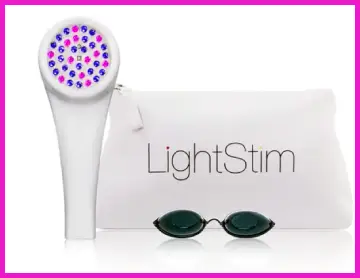
- Design and Portability: LightStim’s wand is compact for travel and spot treatments, while Celluma’s panel bends for hands-free body use but is bulkier to carry.
- Treatment Versatility: LightStim sticks to one focus per device, great for dedicated anti-aging, whereas Celluma’s multi-modes cover acne, pain, and hair, making it a Swiss Army knife.
- Session Style: Short, held sessions with LightStim suit quick routines; Celluma’s longer, laid-back ones promote relaxation but require more commitment.
- Power and Coverage: LightStim targets precisely with moderate intensity, ideal for faces; Celluma delivers higher output over larger areas, better for full-body benefits.
- Price and Accessibility: LightStim is budget-friendly for entry-level users; Celluma’s pro-grade price appeals to those seeking long-term, versatile investment.
These contrasts boil down to whether you want focused simplicity or broad capability.
Key Features Of LightStim
When I first picked up the LightStim for wrinkles, it felt like holding a sleek flashlight designed for my face. Here’s what stands out:
- MultiWave Technology: This combines four wavelengths to target wrinkles deeply. The amber light helps with surface glow, while the reds and infrared dive in to stimulate collagen. In my routine, it warmed up gently without any buzz or discomfort.
- Handheld Design: It’s portable and easy to maneuver, perfect for spot-treating crow’s feet or forehead lines. I appreciated not needing a stand; just hold it steady for a few minutes while catching up on podcasts.
- FDA-Cleared Safety: Cleared for full-face wrinkle treatment, which gave me peace of mind. Clinical tests showed everyone in studies saw improvements after eight weeks, aligning with what I noticed in my skin’s firmness.
- Simple Operation: One button to start, and it beeps every three minutes to move areas. No apps or complicated settings—just plug in and go, which suits my busy mornings.
- Accessory Options: Comes with a serum to enhance results, though I often skipped it and still saw benefits. For acne or pain models, they swap wavelengths but keep the same user-friendly vibe.
Overall, it’s like a targeted ally for anti-aging enthusiasts who want quick sessions without overcomplicating things.
Pros Of LightStim
I’ve come to rely on LightStim for its no-fuss approach, and here are the upsides that kept me coming back:
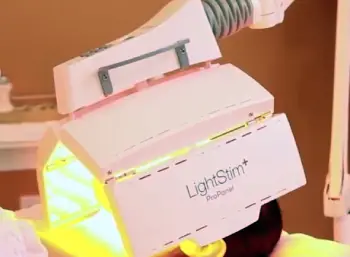
- Affordability: At about $249, it’s easier on the wallet than high-end panels.
I didn’t feel like I was committing to a huge investment right away.
- Quick Sessions: Just three minutes per spot means I could squeeze it into my routine without much time lost.
Mornings before coffee? Done.
- Targeted Effectiveness: For wrinkles, the specific wavelengths worked wonders on my laugh lines, making them less pronounced after consistent use.
Reviews from others echo this, with many noting firmer skin.
- Ease of Use: Super intuitive—no learning curve.
I handed it to a friend, and she got it immediately.
- Portability: Lightweight and compact, it traveled with me on trips without taking up space.
In short, it’s great if you’re starting out or focused on facial rejuvenation.
Cons Of Lightstim
That said, no device is perfect, and LightStim has some drawbacks based on my trials:
- Limited Coverage: The handheld size means treating larger areas takes forever. My neck and chest? Multiple shifts, which got tedious.
- Single-Mode Focus: Each device is specialized, so if you want acne and wrinkle treatment, you buy two. I wished for more versatility.
- Plug-In Only: No battery, so you’re tethered to an outlet. Not ideal for lounging far from power sources.
- Lower Power Output: Some users, including me, felt it wasn’t as intense as bigger panels. Results came, but patience was key.
- Manual Holding: You have to hold it in place, which strained my arm during longer sessions on body parts.
It shines for simplicity but falls short on multi-tasking.
Key Features Of Celluma
Switching to Celluma was a game-changer for me because of its flexibility—literally. The PRO model I tested molds to your body like a soft blanket of light.
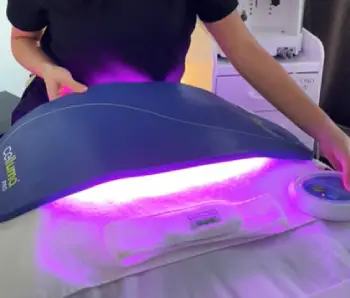
- Shape-Taking Panel: This patented design bends to fit your face, back, or legs, making it ideal for broader treatments.
I wrapped it around my shoulders after workouts, and it stayed put without slipping.
- Multiple Treatment Modes: Depending on the model, you get options like anti-aging (red and near-IR for collagen), acne (blue to kill bacteria), pain relief (near-IR for inflammation), and even hair growth or contouring.
I flipped between modes easily, tailoring sessions to my needs that day.
- Battery Power: Cordless operation means I could use it on the couch or in bed.
The charge lasts through several 30-minute sessions, which felt more relaxing than holding a device.
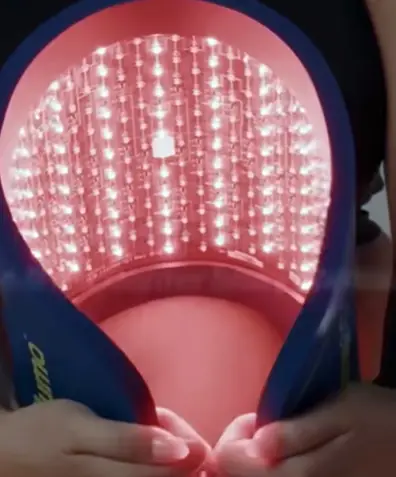
- High LED Count and Output: Models like the PRO have hundreds of LEDs for even coverage. From what I’ve felt, the energy delivery is consistent, penetrating deeper for issues like joint soreness.
- Professional-Grade Build: FDA-cleared for a wide range of uses, it’s built tough for home or spa settings.
I liked the hygienic, easy-to-clean surface, especially when sharing with family.
It’s versatile enough to feel like an all-in-one wellness station, especially if you’re dealing with more than just facial concerns.
Pros Of Celluma
Celluma impressed me with its pro-level feel, and these advantages made it a staple:
- Versatility Across Issues: Modes for skin, pain, hair, and more mean one device handles multiple needs. I used it for post-gym recovery and facial glow in the same week.
- Flexible Design: Contours to any body part, providing even light without gaps. Treating my back was effortless compared to rigid options.
- Longer, Relaxing Sessions: 30 minutes under the panel felt therapeutic, like a mini spa. I noticed reduced inflammation in sore spots quickly.
- Battery Convenience: Go cordless for freedom. I took it outside on sunny days for a relaxed vibe.
- Broad Coverage: Larger models treat big areas at once, saving time overall. Family members borrowed it for various aches, and everyone raved.
It’s a powerhouse for comprehensive wellness.
Cons Of Celluma
Despite the love, Celluma isn’t without flaws from my perspective:
- High Cost: Starting at over $1,000, it’s a big spend. I hesitated before committing, though the quality justified it eventually.
- Longer Session Times: 30 minutes per use adds up if you’re short on time. Mornings felt rushed compared to quicker alternatives.
- Bulkier Setup: While flexible, storing the panel takes space. Not as grab-and-go as smaller devices.
- Potential Skin Reactions: A few users, and once for me, experienced mild redness post-session. It faded, but sensitive skin needs caution.
- Learning Curve for Modes: Switching settings requires reading the manual initially. Not as plug-and-play for beginners.
It’s premium but demands more investment in time and money.
How They Stack Up In Real Life
Let me share a bit about my journey with both. I started with LightStim because it was affordable and promised wrinkle reduction.
After two months of daily three-minute zaps on my forehead and around my eyes, my skin felt plumper, and those fine lines softened noticeably.
It was like adding a boost to my serum routine without extra effort.
But when I tried treating shoulder tension from desk work, holding the wand awkwardly for multiple spots frustrated me.
That’s when Celluma entered the picture.
The PRO model’s flexibility let me drape it over my shoulders for 30 minutes while reading, and the near-infrared mode eased the knots better than heat packs ever did.
On face days, the anti-aging setting gave a deeper glow, and I even used the acne mode during a breakout—blue light calmed it fast.
Sure, the price stung at first, but over time, it paid off by replacing multiple gadgets.
If I had to pick for travel, LightStim wins; for home base, Celluma dominates.
Analytically, LightStim excels in user-friendliness for beginners, with its clinical backing showing reliable wrinkle improvements.
Celluma, though, edges out in scope, supported by its FDA clearances for diverse uses.
Both stimulate ATP in cells, but Celluma’s even distribution across curves gives it an advantage for uneven areas like joints.
Digging Into The Science Behind Each
From an analytical standpoint, both devices leverage photobiomodulation, where light triggers cellular changes.
LightStim’s MultiWave setup mixes wavelengths to hit different skin depths: the 605nm amber for surface repair, 630-660nm reds for collagen boost, and 855nm infrared for deeper penetration.
In my use, this combo made sense for wrinkles, as studies link these lights to elastin increase and inflammation drop.
Celluma takes a similar path but with blue light added for bacteria-fighting in acne mode, red for rejuvenation, and near-IR for pain.
Its panels ensure uniform exposure, which research suggests maximizes benefits like ATP production. I’ve noticed Celluma’s sessions feel more comprehensive, perhaps due to the higher LED density covering more ground.
Both are safe, non-UV, but Celluma’s battery avoids cord hassles, letting light absorb without interruptions.
If you’re skeptical, consider user patterns: LightStim fans often praise its precision for facial lines, while Celluma users highlight whole-body relief. Neither causes downtime, but consistency is crucial—skipping days dimmed my results with both.
Maintenance And Longevity Tips
Keeping these devices in top shape has been key for me.
For LightStim, I wipe the LED head with a soft cloth after each use, avoiding harsh cleaners that could scratch it.
Storing it in its case prevents dust buildup, and I’ve had mine for over a year without issues.
Celluma’s flexible material needs gentle handling; I unfold it carefully and clean with alcohol wipes as recommended.
The battery holds charge well, but I plug it in weekly to maintain longevity. Both come with warranties—LightStim’s is five years, Celluma’s two—but treating them kindly extends that.
In terms of value, LightStim’s lower upfront cost means quicker ROI if you’re just after wrinkle zapping.
Celluma, with its multi-use, justifies the spend for families or those with varied needs.
Potential Side Effects And Safety
Safety-wise, I’ve had minimal issues with either. LightStim’s gentle warmth never irritated my skin, though if you have photosensitivity, check with a doc first.
Celluma occasionally left a slight flush, but it vanished quickly—likely from increased circulation.
Analytically, both are FDA-cleared, meaning tested for efficacy and low risk. No burns or long-term harm reported in my research or experience.
Start slow if new to light therapy, maybe every other day, to gauge your skin’s response.
Which One Fits Your Lifestyle
If your main goal is smoothing facial wrinkles without much fuss, I’d lean toward LightStim—it’s straightforward and effective for that.
But if you want something that tackles skin, pain, and beyond, Celluma’s your pick.
I alternate based on the day: LightStim for quick face fixes, Celluma for deeper recovery.
Consider your budget and space too. LightStim slips into a drawer; Celluma needs a shelf. Either way, they’re investments in feeling better.
Also Read: Comparison Of Lumebox And Joovv
Frequently Asked Questions (FAQ)
Not necessarily the absolute best for everyone, but it’s top-tier for versatility and professional results in skin and pain relief.
Devices like Joovv or Omnilux offer similar panel-style therapy with multi-wavelengths and body coverage.
Yes, with consistent use; many users, including me, see reduced lines and firmer skin after weeks.
Celluma edges out for flexibility and pain modes, while Omnilux shines in targeted facial treatments—depends on your needs.
Wrapping It Up
As I reflect on my experiences with LightStim and Celluma, I see how they’ve both enhanced my daily wellness in unique ways.
You’ve got options here that can genuinely improve your skin and comfort, so think about what matters most to you—quick fixes or all-around support.
Recent Posts
● Interactive 5-Zone Interior & Exterior Paint Blueprint Paint Coverage Calculator: Gallons, Primer, Square Footage & Cost Tap any architectural surface zone on the blueprint...
If you want smooth, shiny hair without spending a fortune on a premium styling tool, the Ella Bella hair dryer may be worth considering.In these Ella Bella hair dryer reviews, I’ll look...