
As someone who’s lugged backpacks through city streets, airport lines, and weekend hikes for years, I wanted to share my take on two solid options: The North Face Recon and the Osprey Nebula.
My main goal here is to break down their similarities and differences to help you pick the one that fits your daily routine or adventures best, whether you’re commuting, traveling light, or hitting the trails.
| Feature | The North Face Recon | Osprey Nebula |
| Capacity | 30 liters | 32 liters |
| Weight | About 2.5-2.6 pounds | Around 2.1-2.2 pounds |
| Dimensions | 19.3 x 11.6 x 7.5 inches | 19.3 x 12.2 x 11.4 inches |
| Material | 210D recycled nylon ripstop with DWR | Recycled nylon with PFAS-free DWR |
| Laptop Size | Up to 17 inches | Up to 16 inches |
| Water Bottle Pockets | Dual mesh pockets | Dual stretch mesh pockets |
| Suspension System | FlexVent with flexible straps | AirScape ventilated back panel |
| Hip Belt | Removable | None (sternum strap only) |
| Front Pocket | Large mesh stash | Shove-it pocket |
| Laptop Compartment | Padded sleeve in main area | TSA-compatible clamshell |
| Price Range | Around $109-$125 | Around $140-$160 |
| Warranty | Limited lifetime | All Mighty Guarantee (lifetime) |
Key Differences Between The North Face Recon And Osprey Nebula
When I stack them side by side, the distinctions become clear, shaping which one I’d grab for specific days:

- Capacity and Size: The Nebula edges out with 32 liters versus the Recon’s 30, offering a bit more room for extras like an extra sweater, though the Recon feels more compact when packed light.
- Weight Advantage: Nebula is lighter by about half a pound, making it easier on long commutes, while the Recon’s extra heft comes from sturdier reinforcements.
- Laptop Handling: Nebula’s TSA-friendly clamshell wins for travelers needing quick access, but the Recon fits slightly larger devices with its deeper sleeve.
- Comfort Systems: Recon’s FlexVent and hip belt suit varied terrains better, whereas Nebula’s AirScape excels in breathability for urban heat.
- Attachment and Versatility: Recon has daisy chains and lash points for gear-heavy outings, giving it an outdoor edge; Nebula prioritizes sleek pockets for city efficiency.
- Water Resistance and Durability: Both have DWR, but Nebula’s materials shed water slightly better, while Recon’s ripstop nylon holds up to abrasions.
- Price and Warranty: Recon is cheaper upfront, but Nebula’s lifetime coverage could save money long-term.
- Eco and Design Focus: Nebula leans sustainable with bluesign fabrics; Recon emphasizes heritage styling with more color options.
These variances mean the Recon suits hybrid lifestyles, while the Nebula thrives in streamlined routines.
Key Features Of The North Face Recon
I’ve carried the Recon on everything from quick errands to full-day outings, and its design stands out for blending urban utility with a touch of outdoor ruggedness. Here’s what makes it tick:
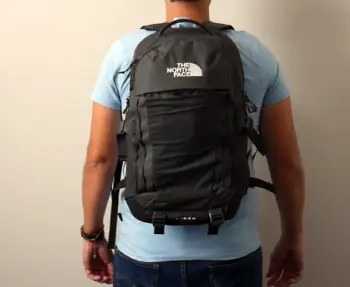
- Flexible Suspension System: The FlexVent setup adapts to your body, with injection-molded straps that flex as you move, making it feel less rigid on longer walks.
- Organization Pockets Galore: There’s an admin panel with slots for pens, keys, and small gadgets, plus a fleece-lined top pocket for sunglasses or your phone to avoid scratches.
- Daisy Chain Attachments: These loops let you clip on extra gear like carabiners or even a small tent, which came in handy when I needed to secure a jacket during a sudden rain.
- Dual Water Bottle Holders: Mesh pockets on the sides hold bottles securely, and they double as spots for umbrellas or snacks without much fuss.
- Laptop Sleeve with Padding: Fits up to a 17-inch device, though it’s integrated into the main compartment, so you get quick access but not the most isolated protection.
- Bottom Compression Straps: These cinch down the load, keeping things stable, and they’ve saved me from a wobbly pack on bumpy bus rides.
- Reflective Details: Small accents that boost visibility at night, a nice touch for evening commutes when cars are zipping by.
- Removable Hip Belt: Transfers weight to your hips for heavier loads, which I appreciate on days when the pack is stuffed with books or groceries.
These elements make the Recon feel like a reliable companion that doesn’t overcomplicate things, especially if you’re someone who switches between office days and light trails.
Pros Of The North Face Recon
From my experience testing it in real scenarios, the Recon has strengths that make it a go-to for mixed-use days. Let me list them out with some thoughts:
- Exceptional Comfort for Varied Loads: The flexible straps and hip belt distribute weight evenly, so even when I overloaded it with 20 pounds of gear, my shoulders didn’t ache after hours.
- Durable Build That Lasts: After months of daily use, the ripstop nylon shows no tears, and the YKK zippers glide smoothly, holding up to rough handling like airport conveyor belts.
- Versatile Attachment Points: Daisy chains and lash straps let me customize for hikes or commutes, like clipping on a tripod for photography outings.
- Stands Upright Easily: The structured base keeps it from tipping over, which is a lifesaver when setting it down in cafes or on uneven ground.
- Ample Small Pockets for Organization: The admin setup means I never dig for keys or chargers, keeping my workflow smooth during busy days.
- Good Value for Features: At its price, it punches above its weight with premium touches like reflective elements and a spacious mesh front.
- Adaptable to Body Types: The mounting system flexes to fit different builds, making it comfortable whether I’m rushing through town or strolling paths.
Overall, these pros make the Recon feel like a trusty sidekick that adapts without complaint.
Cons Of The North Face Recon
No pack is flawless, and the Recon has a few quirks I’ve run into that might matter depending on your needs:
- Limited Water Resistance: The DWR helps with light drizzles, but heavier rain seeps in, so I often pack a cover for wet weather.
- No Luggage Pass-Through: Missing this sleeve means it doesn’t slide over suitcase handles easily, a minor annoyance during travel.
- Bulkier When Empty: At 30 liters, it doesn’t compress as flat as slimmer bags, taking up more space in overhead bins.
- Zipper Pulls Can Wear Out: Over time, one of mine snapped, though it’s easy to replace with paracord.
- Hip Belt Not Always Necessary: It’s removable, but on light days, it feels like extra bulk if you forget to take it off.
- Laptop Access Not Isolated: The sleeve is in the main compartment, so pulling out your device means exposing other items.
These aren’t deal-breakers for me, but they highlight where the Recon leans more toward durability over sleek travel perks.
Key Features Of The Osprey Nebula
Switching to the Nebula, I’ve found it shines more as a streamlined commuter, with features that prioritize ease during travel or daily grinds. It’s like Osprey took their hiking expertise and tuned it for city life.
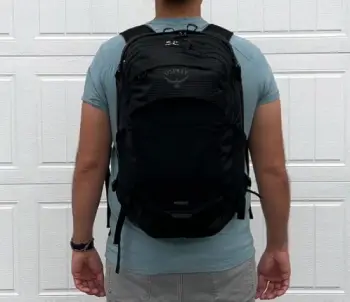
- AirScape Back Panel: This ventilated mesh keeps air flowing, reducing sweat on hot days, and it’s something I noticed right away compared to denser packs.
- TSA-Compatible Laptop Sleeve: A full-zip clamshell opens flat for security checks, padded for up to 16-inch laptops, making airport runs less of a hassle.
- Large Shove-It Pocket: The front mesh expands to swallow jackets or helmets quickly, and I’ve stuffed mine with lunch or extra layers without unzipping the main area.
- Internal Organization: Zippered pockets inside the main compartment keep essentials sorted, plus a scratch-resistant slot for valuables like passports.
- Dual Stretch Mesh Side Pockets: These hold water bottles or phones snugly, with enough give to grab them on the go without stopping.
- Sternum Strap with Whistle: Adjustable for fit, and the whistle adds a safety layer for remote areas, though I mostly use it in crowded urban spots.
- Blinky Light Loop: At the bottom, it’s perfect for attaching a rear light for biking, enhancing visibility without extra mods.
- Bluesign Approved Fabrics: Made from recycled materials, it feels eco-conscious, and the DWR coating sheds light rain better than expected.
The Nebula’s setup encourages grabbing and going, ideal if your routine involves trains, bikes, or short trips where speed matters.
Pros Of The Osprey Nebula
I’ve put the Nebula through its paces on commutes and short getaways, and its advantages shine in efficiency-focused situations:
- Lightweight Yet Spacious: At just over 2 pounds, it carries 32 liters without feeling heavy, perfect for all-day wear without fatigue.
- Superior Ventilation: The AirScape panel keeps your back cool, a big win on humid summer bikes or crowded subways.
- Travel-Friendly Laptop Setup: The TSA clamshell speeds through checkpoints, and the padding protects well during bumps.
- Expandable Front Pocket: The shove-it design swallows bulky items fast, like when I needed to stash a helmet mid-ride.
- Eco-Friendly Materials: Recycled fabrics and bluesign approval give it a sustainable edge, appealing if you care about that.
- Lifetime Warranty: Osprey’s guarantee covers repairs, adding peace of mind for long-term use.
- Versatile for Multiple Uses: It transitions seamlessly from work to weekend trips, with pockets that keep everything accessible.
These make the Nebula a smart pick for anyone prioritizing lightness and organization in daily life.
Cons Of The Osprey Nebula
Like any bag, the Nebula has downsides I’ve encountered that could influence your choice:
- No Hip Belt for Heavy Loads: Without one, weight shifts to shoulders on fuller days, leading to minor discomfort after hours.
- Limited Compression Options: It doesn’t cinch down as tightly, so empty space can feel floppy during light carries.
- Buckles Could Be Sturdier: The plastic clips work fine but feel less premium, with some users noting wear over time.
- Not Ideal for Extended Trips: At 32 liters, it’s great for overnights but strains for multi-day packing without careful planning.
- Waist Strap Lacks Tuck-Away: It’s always there, which can snag on things if not in use.
- Higher Price Point: It costs more than similar packs, though the warranty justifies it for frequent users.
For most, these are minor, but they point to the Nebula’s focus on commuting over heavy-duty hauling.
Comfort And Carrying Experience
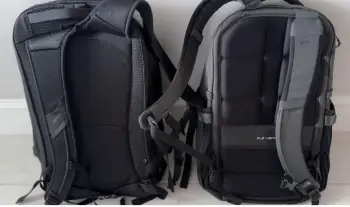
Let me tell you about how these feel on your back, because that’s where the rubber meets the road—or rather, the straps meet your shoulders.
With the Recon, the FlexVent system is a game-changer. I remember one day when I loaded it with my laptop, a change of clothes, and some snacks for a spontaneous hike after work.
The flexible mounting let the straps contour to my frame, and the removable hip belt took the edge off the weight. It’s not ultralight hiker territory, but for a daypack, it carries like a champ without digging in.
On the flip side, the Nebula’s AirScape panel is all about airflow. During a humid commute last summer, I appreciated how the mesh kept sweat at bay better than denser packs I’ve tried.
The sternum strap cinches everything secure, but without a hip belt, heavier loads—say, over 15 pounds—start to pull on your traps after a couple of hours.
If you’re biking or walking in warm weather, though, it’s a breath of fresh air, literally.
In my analysis, if your days involve uneven loads or longer treks, the Recon’s setup gives better support. But for consistent, lighter carries like office to home, the Nebula feels more effortless.
You might find yourself adjusting less with it on flat ground.
Organization And Accessibility
Organization is key when you’re juggling life on the go, and both packs deliver but in different flavors. The Recon’s admin panel is like a personal assistant: slots for everything from earbuds to notebooks.
I’ve stuffed the fleece-lined top pocket with my glasses countless times, knowing they’ll stay scratch-free.
The main compartment opens wide, and the laptop sleeve, while not separate, is easy to reach without unpacking everything.
That front mesh stash? It’s expandable enough for a helmet or wet gear, which saved me during a downpour once.
The Nebula takes a more modern approach with its TSA laptop compartment— unzip, lay flat, and you’re through security in seconds.
Inside, the main area has zippered meshes for small items, and the shove-it pocket is genius for quick stows. I love how the side pockets stretch to hold oversized bottles without spilling.
However, it lacks the Recon’s daisy chains, so if you clip on extras often, you might miss that.
Analytically, the Recon edges out for creative packing with its attachments, ideal if your gear varies day to day.
The Nebula, though, streamlines access for routine commutes, reducing fumbling when time is tight. Think about your habits: do you need modular options or speedy grabs?
Durability And Materials
I’ve beaten up both in everyday scenarios, and they hold their own, but let’s break it down. The Recon’s 210D ripstop nylon is tough—I’ve scraped it against rocks on trails and seen no rips.
The DWR coating repels light moisture, though it’s not fully waterproof, so I avoid leaving it in heavy rain.
YKK zippers are reliable, and the overall build screams longevity; users report packs lasting decades with minor wear.
The Nebula uses recycled nylon that’s bluesign approved, which I like for its lower environmental impact. It’s lighter but still robust, with a weave that resists tears.
The PFAS-free DWR performs a tad better in wet conditions, and Osprey’s warranty means any issues get fixed free.
In tests, it handled daily abuse well, though the buckles feel plasticky compared to the Recon’s hardware.
From an analytical standpoint, the Recon suits rougher use like outdoor adventures, where abrasions are common.
The Nebula shines for urban durability, with its warranty as a safety net. If sustainability matters to you, Nebula pulls ahead.
Versatility For Different Uses
What I love about comparing these is how they adapt to real life.
The Recon’s my pick for weekends when I might start with a coffee run and end up on a trail. Its lash points let me attach hiking poles, and the hip belt handles uneven paths.
But in the city, it works for school or work, with enough pockets to organize notes and tech.
The Nebula, meanwhile, is a commuter dream. That TSA sleeve? Gold for flights. I’ve used it for gym sessions, stuffing sweaty clothes in the front pocket without odor bleed.
It’s less bulky for bikes, and the ventilation keeps you fresh. For light overnights, it packs enough for essentials, though not for serious camping.
Analyzing use cases, if your life mixes urban and outdoor, Recon’s versatility wins. For pure travel or daily routines, Nebula’s efficiency takes it. Picture your typical day—which aligns better?
Price And Value Analysis
Let’s talk money, because value is crucial. The Recon starts around $109, which feels fair for its features—durable materials, comfort system, and organization.
I’ve seen it on sale often, making it accessible for students or budget-conscious folks.
The Nebula rings in at $140-160, justified by the lifetime warranty and sustainable build. If it lasts forever with free repairs, it’s a steal long-term.
Analytically, Recon offers immediate savings for similar capacity. But if you travel a lot and need that warranty peace, Nebula’s premium pays off. Consider how long you’ll use it—short-term, go Recon; long-haul, Nebula.
User Scenarios And Recommendations
Imagine this: You’re a student dashing between classes and part-time jobs. I’d hand you the Recon for its sturdy organization and comfort under load.
Or, if you’re a remote worker hopping flights, the Nebula’s TSA perks and lightness make sense.
From my trials, the Recon handles chaos better—think family outings with random gear. The Nebula excels in predictability, like consistent commutes.
Ask yourself: Do I need rugged adaptability or smooth efficiency?
Also Read: Is North Face Recon Daypack Worth It?
Frequently Asked Questions (FAQ)
The Recon is geared toward day hikes and mixed commutes, while the Nebula focuses on daily commuting and light travel.
The Recon fits up to 17 inches with solid padding, but the Nebula offers better protection via its dedicated, padded TSA sleeve for up to 16 inches.
Recon has 30 liters, Nebula has 32 liters, giving Nebula a slight edge for extras.
The Nebula, with its TSA-compatible clamshell for easy access and security.
Wrapping Up
I’ve shared my hands-on insights on the North Face Recon and Osprey Nebula because I know how tricky picking the right backpack can be.
If you’re like me, chasing that perfect balance of comfort and utility, the Recon might become your everyday hero for its adaptable design.
But if seamless travel and lightness call to you, the Nebula could transform your routine. Whichever you choose, it’ll serve you well—now go out there and put it to use.
Recent Posts
● Interactive 5-Zone Interior & Exterior Paint Blueprint Paint Coverage Calculator: Gallons, Primer, Square Footage & Cost Tap any architectural surface zone on the blueprint...
If you want smooth, shiny hair without spending a fortune on a premium styling tool, the Ella Bella hair dryer may be worth considering.In these Ella Bella hair dryer reviews, I’ll look...