
I spent years testing fertilizers in my own garden beds, containers, and indoor plant collection before settling on controlled-release options.
My goal here is simple: give you a clear, practical side-by-side look at Osmocote and Osmocote Plus so you can pick the one that matches your plants, schedule, and growing conditions without wasting money or time.
| Feature | Osmocote (Classic / Flower & Vegetable) | Osmocote Plus |
| Typical NPK | 14-14-14 | 15-9-12 |
| Micronutrients | Minimal or none | 11 essential (Mg, Fe, Mn, Zn, etc.) |
| Feeding duration | Up to 4 months | Up to 6 months |
| Best for | Vegetables, flowers, in-ground beds | Indoor/outdoor plants, containers, mixed collections |
| Release technology | Resin-coated, temperature-sensitive | Same + patterned release options |
| Application style | Mix in or top-dress | Mix in or top-dress |
| Risk of burn | Low | Low |
Understanding How These Fertilizers Actually Work?
Both products rely on the same core idea that first hooked me years ago. Each prill carries a full dose of nutrients inside a thin resin coating made from plant oils.
Soil temperature and moisture control the release. When the soil warms and roots start pulling harder, the coating lets more food out.
When things cool down, the flow slows. That matching of supply to demand is why I stopped chasing weekly liquid feeds for most of my plants.
The difference shows up in what sits inside those prills and how long the coating is engineered to last. Original Osmocote keeps the formula straightforward.
Osmocote Plus packs extra secondary and micronutrients into every granule and stretches the release window. That single change alters how the products perform in real gardens.
Also Read: Comparison Of Osmocote And Nutricote
Key Differences Between Osmocote And Osmocote Plus
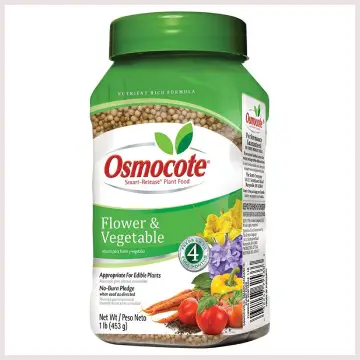
Nutrient balance and extras: Original Osmocote stays close to a balanced 14-14-14 ratio. Plants that just need solid nitrogen, phosphorus, and potassium get exactly that.
Osmocote Plus shifts to 15-9-12 and adds magnesium, sulfur, iron, manganese, zinc, boron, copper, and molybdenum.
Those extras prevent the yellowing and weak growth I used to see in long-term containers once the potting mix ran out of trace elements.
- Longevity of each application: Four months is the practical window for standard Osmocote under average conditions.
Osmocote Plus is formulated for six months. In cooler indoor settings the release can stretch even further, while in hot outdoor beds it may finish a bit sooner.
The extra two months matter when you hate reapplying mid-season.
- Target plants and growing situations: I reach for classic Osmocote when I plant tomatoes, peppers, and annual flowers directly in garden soil.
The equal NPK supports flowering and fruiting without pushing too much leafy growth. Osmocote Plus shines for houseplants, mixed containers, shrubs, and any collection that stays in the same potting mix for many months.
The micronutrients keep foliage dark and roots strong where soil biology is limited.
- Price and value per feeding period: The bags look similar on the shelf and the price gap is usually small.
Once you divide cost by months of feeding, Plus often comes out ahead for indoor growers and container gardeners who reapply less often.
- Formulation consistency: Both use homogeneous prills so every granule carries the same mix.
Plus versions sometimes offer Hi-Start or Lo-Start patterns that front-load or back-load nutrients.
That flexibility helps professional growers and serious hobbyists match crop timing more precisely.
Key Features Of Osmocote
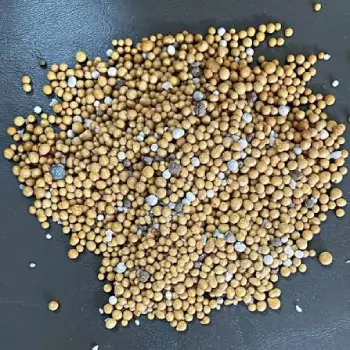
- Simple balanced NPK: The 14-14-14 ratio gives equal support for foliage, roots, and flowers.
I notice steady growth without the sudden flush that liquid feeds sometimes trigger.
- Temperature-controlled resin coating: Release speeds up in warm soil and slows in cool soil.
That built-in safety net means I rarely see fertilizer burn even if I apply a little heavy-handed.
- Four-month feeding window: One application covers most of a typical outdoor growing season in temperate climates.
For short-season annuals this is often perfect.
- Easy incorporation or top-dressing: I mix the prills into the top few inches of soil at planting or sprinkle them around established plants and water them in.
Either method works well.
Proven track record for vegetables and ornamentals: Tomatoes, berries, perennials, and landscape shrubs respond reliably.
The formula has stayed consistent for decades, so results stay predictable.
Pros Of Osmocote
- Predictable and forgiving for beginners: The balanced formula and slow release make it hard to burn plants. New gardeners get solid results without constant measuring.
- Ideal match for vegetable gardens and annual flower beds: Equal NPK supports both leafy growth and fruit or bloom production. I have used it successfully on tomatoes, squash, and zinnias for years.
- Lower upfront cost in some markets: When the goal is simply four months of feeding, the classic bag often costs less per pound.
- Widely available and familiar packaging: Most garden centers stock it, so finding a replacement is easy.
- Minimal risk of salt buildup: Because nutrients leave the prill gradually, excess salts rarely accumulate in the soil.
Cons Of Osmocote
- Limited micronutrient support: Long-term container plants can develop yellow leaves or weak stems once trace elements run low. I have had to add separate iron or magnesium products to compensate.
- Shorter feeding period: Four months means a mid-season reapplication for many outdoor plantings. That extra step is easy to forget during busy summer weeks.
- Less ideal for pure foliage houseplants: The balanced ratio does not emphasize nitrogen as strongly as some leafy plants prefer.
- Fewer specialized release patterns: Professional growers sometimes need more precise timing than the standard four-month product offers.
Also Read: Is Neighbor’s Envy Fertilizer Worth It?
Key Features Of Osmocote Plus
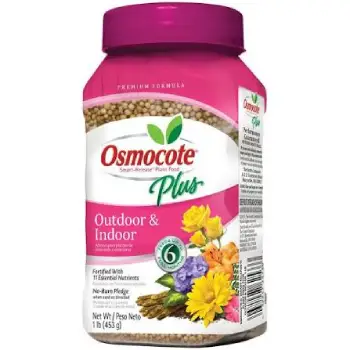
- Nitrogen-forward ratio with full micronutrient package: The 15-9-12 analysis plus eleven secondary and micronutrients covers almost every common deficiency.
Iron and magnesium keep leaves green, while zinc and boron support flowering and fruit set.
- Six-month continuous release: I can feed my indoor plants once in early spring and forget about them until fall.
Outdoor containers get the same long window of steady nutrition.
- Versatile indoor and outdoor labeling: One product works for houseplants, hanging baskets, raised beds, and landscape plantings.
That reduces the number of bags I need to store.
- Patterned release options in professional grades: Standard, Hi-Start, and Lo-Start versions let me match nutrient delivery to crop growth curves.
Home gardeners usually stick with the standard six-month bag and still get excellent results.
- Homogeneous coated prills: Every granule contains the complete nutrient set.
There is no separation of materials during handling or storage.
Pros Of Osmocote Plus
- Complete nutrition in every application: The eleven extra nutrients eliminate most deficiency problems I used to chase with liquid supplements. Foliage stays darker and growth stays steadier.
- Longer interval between applications: Six months of feeding cuts my workload in half for indoor collections and permanent containers.
- Broad plant compatibility: One product covers houseplants, vegetables, flowers, shrubs, and trees. I keep fewer bags on the shelf.
- Strong performance in soilless mixes: Potting soils start out low in micronutrients. Plus fills that gap from day one.
- Safe for sensitive crops: The controlled release and complete formula work well even on plants that react badly to sudden nutrient spikes.
Cons Of Osmocote Plus
- Slightly higher cost per bag: The price difference is usually modest, but it adds up if you fertilize large landscape areas.
- Can finish early in extreme heat: In very hot climates the six-month claim sometimes shortens to four or five months. I watch plant color and reapply if needed.
- Not a soil biology booster: The product feeds the plant but does nothing for beneficial microbes. I still add compost or organic matter separately for long-term soil health.
- Overkill for short-season annuals in rich garden soil: If the ground already holds plenty of nutrients and the crop only lasts three months, the extra micronutrients and longer release may not be necessary.
Real-World Performance In Different Growing Situations
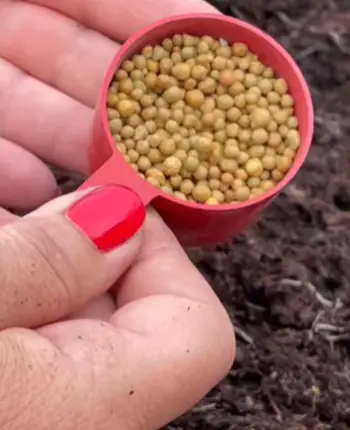
In my vegetable beds I still reach for classic Osmocote most seasons. The 14-14-14 ratio matches the needs of tomatoes and peppers, and the four-month window covers the bulk of the harvest period.
I mix the prills into the planting holes and water thoroughly. Plants push strong early growth and set fruit without the soft, leggy stems I once got from high-nitrogen liquids.
Container plantings tell a different story. A hanging basket of petunias or a large pot of coleus will exhaust a standard potting mix of micronutrients long before the season ends.
Osmocote Plus keeps the foliage rich and the blooms coming with almost no extra work. I top-dress in spring, water it in, and walk away until fall.
Indoor plants benefit the most from the Plus formula. My monsteras, pothos, and philodendrons stay consistently green.
Yellowing that used to appear after six or eight months of ordinary feeding simply stopped once I switched. The longer release also matches the slower growth rate of many houseplants during winter.
Landscape shrubs and trees respond well to either product. For new plantings I prefer Plus because the micronutrients support root establishment.
For established beds that already receive occasional compost, classic Osmocote is often enough.
Application Tips That Actually Matter
Always read the rate chart on the bag. Rates are given by pot size or by square footage.
I err on the light side the first time I use a new bag, then adjust based on plant response. Over-application is rarely disastrous because of the slow release, but it is wasteful.
Water thoroughly after applying. Moisture starts the osmotic process that moves nutrients through the coating.
Dry prills sitting on the surface do little until rain or irrigation arrives.
For containers, mix the prills into the top three inches of mix at planting or scratch them lightly into the surface of established pots. Surface application works, yet incorporation gives more even distribution.
Reapply only when the previous feeding period ends or when plants show clear hunger signs such as pale new growth. Guessing and doubling up wastes product and can push soft growth that attracts pests.
Store the bag in a cool, dry place with the top sealed. Moisture can start the release process even in storage and shorten shelf life.
Choosing Between The Two For Your Garden
If most of your growing happens in garden soil and focuses on vegetables or short-season flowers, classic Osmocote delivers everything you need at a fair price.
The balanced ratio and four-month window fit that style of gardening cleanly.
If you grow a mix of indoor plants, permanent containers, or landscape specimens that stay in the same medium for many months, Osmocote Plus is the smarter daily driver. The extra nutrients and longer release remove two common failure points that frustrate container gardeners.
Many of us keep both on the shelf. I use classic product for the vegetable plot and Plus for everything else.
The small extra cost of the Plus bag is offset by fewer reapplications and healthier plants overall.
Temperature, watering habits, and plant type still influence results more than the label claims. Hot southern summers can accelerate release for both products. Cool northern springs stretch the feeding period. Observe your plants and adjust timing rather than treating the month numbers as rigid rules.
Also Read: Is GreenView Fertilizer Worth It?
Frequently Asked Questions (FAQ)
Yes, but the slow-release coating makes severe burn uncommon. Stick to label rates for best results and least waste.
Osmocote wins for convenience and steady feeding. Miracle-Gro liquids give faster visible results but require frequent reapplication and carry higher burn risk if misused.
Yes. The complete nutrient package and six-month release make it one of the most reliable options for containers and mixed plant collections.
Yes. Top-dressing works, especially for established plants. Water thoroughly afterward so the prills begin releasing. Mixing into the top layer improves evenness.
Final Thoughts
I started with classic Osmocote because it was simple and effective. Over time the limitations in containers and indoor collections pushed me toward Osmocote Plus.
The extra micronutrients and longer feeding window solved problems I had accepted as normal. You will likely find the same pattern.
Match the product to your main growing style, apply it thoughtfully, and watch your plants respond with steadier growth and richer color.
Both formulas have earned permanent spots in my shed. The choice between them now feels straightforward once you know what each one actually delivers.
Recent Posts
Milky Quartz Vs. Clear Quartz: Which One Actually Fits Your Needs?
I put together this comparison because I kept running into the same question when choosing quartz for jewelry, home décor, and energy work: is milky quartz or clear quartz the better fit?After...
Virtue Flourish Shampoo For Thinning Hair Reviews: Does It Really Work?
If you're dealing with thinning hair, a weak-looking hairline, or excessive shedding, finding the right shampoo can feel frustrating.In my opinion, Virtue Flourish Shampoo is worth considering if...