
I have spent years testing various spray paints in my workshop to see which brand truly delivers on its promises. In this article, I will explain whether Rust-Oleum or Krylon is the better choice for your next home improvement project based on real-world performance.
You will learn about their strengths and weaknesses so you can make an informed decision for your unique needs. By the end of this comparison, you will know exactly which can to grab from the hardware store shelf for a professional, long-lasting finish.
A Brief Comparison Table
| Feature | Rust-Oleum Performance | Krylon Performance |
| Primary Use | Industrial Metal Protection | Home Decor And Crafts |
| Drying Time | 2 To 4 Hours | 10 To 15 Minutes |
| Coating Type | Thick Oil-Based Shield | Thin Smooth Finish |
| Rust Control | High Performance Formula | Standard Exterior Protection |
| Nozzle Design | Traditional Comfort Tip | 360 Degree Adjustable |
| Adhesion | Heavy Metal And Wood | Plastic And Smooth PVC |
My Experience With Rust-Oleum
I remember the first time I tackled a project with a can of Rust-Oleum Professional. I was restoring an old, weathered iron gate that had been neglected for nearly a decade in the backyard. The metal was pitted and covered in a thin layer of orange oxidation that looked almost impossible to salvage without professional sandblasting equipment.
I decided to try their “Stops Rust” line, and I was immediately struck by the weight and thickness of the paint as it left the nozzle. It didn’t just sit on top of the metal; it seemed to engulf the imperfections, creating a solid, uniform barrier that felt incredibly rugged. Since then, it has become my primary choice for any item that lives outdoors and faces the elements daily.
Pros Of Rust-Oleum
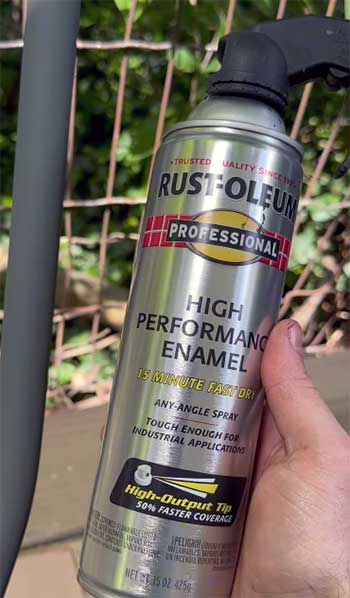
- Exceptional Metal Adhesion: This formula is specifically engineered to bite into metallic surfaces and create a bond that is almost impossible to break under normal conditions. I have used it on everything from car parts to garden tools, and the paint stays perfectly attached even when the metal expands and contracts in the heat or the cold.
- Superior Corrosion Resistance: The active ingredients in this paint work to neutralize oxidation on a molecular level, preventing rust from spreading further underneath the surface. I once painted a rusted wheelbarrow with no special preparation, and years later, the rust has not returned or bubbled through the thick, protective layer of the paint finish.
- High Pigment Concentration: Every can is packed with a high volume of solids, which means you get incredible coverage and hide with very few passes of the spray. I find that I can often achieve a complete color change on a dark surface using only two light coats, which saves me significant time and money.
- Durable Weather Shield: This paint creates a physical barrier that is thick enough to withstand rain, snow, and intense UV rays without fading or cracking over time. I have outdoor furniture that was painted five years ago and still looks as vibrant as the day I finished it, proving the long-term value of this industrial-grade brand.
- Thick Protective Coating: Unlike thinner paints, this product builds up a substantial layer of material that protects the underlying surface from physical scratches and heavy impact. I prefer using this on items like workbenches and toolboxes because it provides a level of physical armor that thinner, more decorative spray paints simply cannot match in my shop.
- Excellent Leveling Properties: The slow-drying nature of the formula allows the paint to flow out and level itself, which helps to eliminate the appearance of brush marks or texture. I have noticed that even on vertical surfaces, if applied correctly, the finish dries to a smooth, glass-like appearance that looks like it was done in a factory.
- Versatility Across Materials: While it is famous for metal, it also works wonders on wood, concrete, and masonry with the same level of grip and durability. I have successfully used it to refresh concrete garden statues and wooden fence posts, and the results are always consistent, providing a tough finish that looks great and lasts for many years.
Also Read: Comparison of Superbox S5 Pro And Max
Cons Of Rust-Oleum
- Extended Drying Period: One of the biggest drawbacks I face is that this paint takes much longer to dry to the touch than almost any other brand. I often have to leave my projects in a dust-free environment for several hours before I can move them, which can be quite difficult when working in a busy or small garage.
- High Risk Of Drips: Because the paint is so thick and heavy, it is very easy to apply too much in one spot and cause unsightly sags or runs. I have had to sand down several projects because I was too aggressive with the application, teaching me that patience and very thin layers are absolutely required for success.
- Nozzle Clogging Tendency: The high solids content that makes the paint durable also makes it prone to hardening inside the spray tip if it is not cleaned. I frequently find myself having to swap nozzles between different cans because the paint has dried inside the tiny orifice, making the can useless until a new tip is found.
- Potent Chemical Odor: The solvent-based formula releases very strong fumes that can linger in a workspace for days if there is not enough ventilation in the room. I always have to wear a professional-grade respirator and set up several fans to clear the air, as the smell is significantly more intense than modern water-based or craft paints.
- Strict Recoat Windows: You must apply your second coat either within an hour or wait forty-eight hours to avoid causing the first layer to wrinkle or lift. I have ruined beautiful finishes by trying to add a “quick touch-up” at the two-hour mark, only to watch the entire surface bubble up in a messy, frustrating chemical reaction.
- Frequent Spitting Issues: If the can is not kept at the perfect temperature, the heavy formula can come out in large drops rather than a fine, even mist. I have had to restart several projects after the nozzle “spit” a glob of paint onto a smooth surface, which is a common problem when painting in cooler or humid weather conditions.
- Limited Artistic Palette: Most of the colors available are industrial or traditional, making it harder to find the trendy or subtle shades needed for modern home decor. I find that while they excel at blacks, whites, and primary colors, their selection of “designer” colors is quite small compared to brands that focus more on the arts and crafts market.
Maintenance Tips For Rust-Oleum
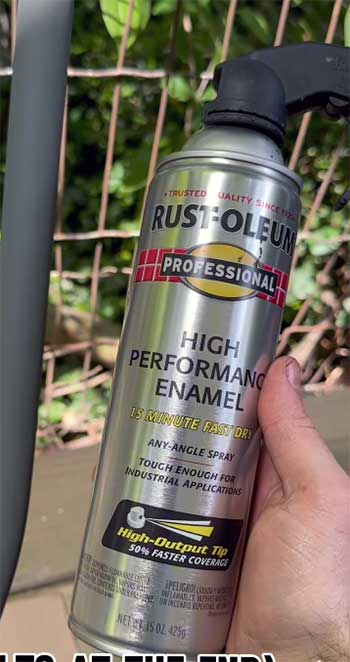
- Clearing The Valve: After you finish spraying for the day, you must turn the can upside down and spray until only clear propellant is released. I do this every single time to ensure the internal valve and the nozzle remain clear of thick paint, preventing a total blockage that would waste the remaining paint in the can.
- Proper Surface Cleaning: You should always wipe down your project with a high-quality degreaser or mineral spirits to remove all traces of oil and finger grease. I have found that this heavy paint will “fish-eye” or pull away from the surface if there is even a tiny amount of contamination, so a clean start is absolutely vital.
- Warming The Can: In cooler weather, I recommend placing the spray can in a bowl of warm tap water for about ten minutes before you begin shaking. This lowers the viscosity of the heavy paint inside, which helps it atomize much better through the nozzle and results in a significantly smoother and more professional-looking finish on your project.
- Aggressive Shaking Routine: You must shake the can vigorously for at least two full minutes after the mixing ball starts to rattle to blend the heavy pigments. I have noticed that if I skip this step, the color can be inconsistent and the protective chemicals may not be distributed evenly, which compromises the overall durability of the finished paint job.
- Using Thin Passes: Instead of trying to get full coverage in one go, you should use multiple light, sweeping passes to build up the color slowly. I have learned that three or four light coats are much better than one heavy coat, as this prevents drips and allows the solvents to evaporate properly between the layers of the paint.
- Storage Environment Control: Store your paint cans in a cool, dry place where the temperature stays relatively constant throughout the year to prevent the formula from separating. I avoid keeping my cans in an unheated shed during the winter because extreme cold can permanently damage the chemical structure of the paint, leading to poor performance and finish.
- Nozzle Replacement Strategy: I always keep a small jar of spare nozzles from empty cans that have been cleaned with lacquer thinner for use on new projects. Having extra tips on hand has saved me many times when a nozzle gets clogged mid-project, allowing me to keep working without having to stop and clean the original spray tip.
Comparison With Other Brands
- Versus Montana Gold: Montana Gold is a professional-grade acrylic paint used by artists for its incredible precision and its massive variety of unique, vibrant colors. While it is fun to use for murals, I find it lacks the industrial strength and the heavy-duty rust protection that makes Rust-Oleum the king of outdoor metal and hardware projects.
- Versus Dupli-Color Sprays: Dupli-Color is excellent for automotive touch-ups because it is designed to match factory paint codes, but it is often very thin and brittle. I prefer Rust-Oleum for general household repairs because it provides a much more flexible and durable coating that can handle the expansion of wood and plastic over several seasons.
- Versus Behr Premium: Behr has recently entered the spray paint market with a product that offers great coverage, but it is still a very new formula. I trust the decades of proven performance behind Rust-Oleum, especially for items that will be exposed to moisture, as their “Stops Rust” technology is the industry standard for a very good reason.
- Versus Valspar Project: Valspar is known for its smooth finish and ease of use, but I have found it chips much easier than the competition. When I am painting something that will be handled every day, like a metal chair or a tool handle, I always choose Rust-Oleum because the cured finish is significantly harder and more scratch-resistant.
- Versus SprayMax 2K: SprayMax is a two-component system that uses a hardener for an automotive-grade finish, but it is very expensive and can be dangerous. For the average person, Rust-Oleum offers about eighty percent of that durability for a fraction of the price and without the need for complex mixing or high-end safety equipment for spraying.
- Versus Generic Store Brands: Many big-box stores offer their own “pro” house brands, but they usually require many more coats to achieve the same look. I have found that using a cheaper brand actually costs more in the long run because you have to buy twice as many cans to get the same level of coverage and protection.
- Versus Liquitex Professional: Liquitex makes water-based spray paints that are great for indoor use because they have very little odor and clean up easily. However, they simply cannot compete with the weather resistance of a solvent-based paint, so I only use them for indoor canvas art rather than for any functional household furniture or equipment.
My Experience With Krylon
I have a distinct memory of needing to update a set of plastic patio chairs that had faded into a dull, chalky gray under the summer sun. I didn’t want to spend all weekend on the project, so I grabbed a few cans of Krylon Fusion All-In-One in a modern navy blue.
The speed at which the paint dried was genuinely shocking compared to the heavy oil-based paints I was used to using. I was able to spray the first chair, and by the time I finished the fourth, the first one was already dry enough to move out of the way. It turned a grueling two-day job into a quick afternoon task, and the smooth, satin finish made the plastic look like it was brand new from the store.
Pros Of Krylon
- Incredible Drying Speed: The most famous feature of this brand is that it dries to the touch in about ten to fifteen minutes. This is a game-changer for me when I am working on small crafts or multi-part projects, as it allows me to finish the entire job and put it into service in a single morning.
- Superior Plastic Bonding: Their specialized Fusion technology allows the paint to grip onto smooth, non-porous surfaces like plastic and PVC without any sanding. I have used this on many plastic bins and outdoor toys, and the paint stays flexible enough to move with the plastic without cracking or peeling off in large, ugly flakes.
- User Friendly Nozzle: The 360-degree dial spray tip is one of the best in the industry, allowing you to spray from any angle, even upside down. I find this incredibly helpful when painting the underside of chairs or inside tight corners where a traditional spray can would sputter or stop working entirely due to the angle.
- Fine Mist Atomization: The paint is formulated to come out in a very fine, consistent mist that creates a thin and perfectly even layer of color. This is my favorite feature for painting detailed items like 3D prints or ornate picture frames, as it doesn’t fill in the fine textures or hide the intricate details of the object.
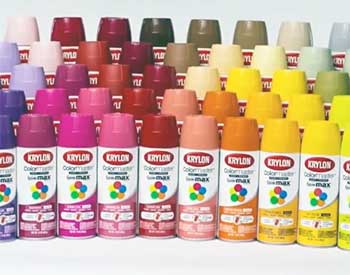
- Wide Trendy Color Range: They are always updating their color selection to match current interior design trends and popular home decor styles. I love that I can find unique shades like “Eucalyptus” or “Soft Pink” that allow me to customize my home projects to look exactly like something you would see in a high-end furniture magazine.
- Low Propensity For Drips: Because the paint is thinner and dries so quickly, it is much harder to accidentally create runs or sags in the finish. I recommend this brand to beginners because it is very forgiving; even if you stay in one spot a second too long, the paint usually levels out beautifully without a mess.
- Smooth Professional Finish: The final cured surface has a very sleek feel that is much smoother to the touch than the more textured industrial paints. I prefer using this for indoor items like lamps, shelving, and decorative trays because the finish feels more refined and looks much more like a professional factory-painted product than a DIY spray job.
Cons Of Krylon
- Thin Protective Layer: Because the paint is designed for speed and beauty, it does not provide a very thick physical shield against heavy wear. I have noticed that items painted with this brand can scratch more easily if they are bumped or scraped, making it less ideal for heavy-duty tools or outdoor machinery parts.
- Lower Hiding Power: The thinner formula means that you often need to apply more coats to completely cover a dark or high-contrast surface. I sometimes find myself needing three or even four coats to get a solid color, which can be frustrating if you are trying to finish a large project with only one or two cans.
- Frequent Nozzle Spitting: If the nozzle isn’t wiped perfectly clean between uses, it can build up a tiny bit of dried paint that causes the spray to “spit.” I have had several projects ruined by a sudden glob of paint hitting a smooth surface, which is why I have to be extremely diligent about cleaning the tip.
- Weak Rust Inhibition: While they offer “rust-tough” versions, their standard all-in-one paints are not as effective at stopping active corrosion on metal. I have seen rust return to metal railings within a year of using this brand, which is why I now reserve it primarily for plastic, wood, and previously painted surfaces that are in good shape.
- Sensitive To Humidity: High moisture levels in the air can cause this fast-drying paint to “blush,” which results in a cloudy or hazy finish. I have to be very careful not to spray on humid days, as the rapid evaporation of the solvents can trap moisture under the surface, ruining the clarity of the final color.
- Limited Industrial Uses: This is definitely a consumer-grade paint designed for homeowners rather than professional contractors or industrial workers. I wouldn’t trust it to hold up on a truck frame or a piece of heavy farm equipment, as the chemical resistance and the physical hardness are just not up to those extreme standards.
- Price Per Coverage: Since you often need more coats to achieve full opacity, the total cost of a project can end up being higher than expected. I often find that I use more cans of this brand than I would with a thicker paint, which is something I always keep in mind when I am budgeting for a project.
Maintenance Tips For Krylon
- Immediate Tip Cleaning: Since this paint dries so fast, you must wipe the nozzle with a clean rag every few minutes while you are working. I have found that even a small amount of buildup on the edge of the spray tip can ruin the spray pattern, so keeping the nozzle pristine is the key to success.
- Sanding Between Coats: For the smoothest possible result, I recommend a very light scuff with 400-grit sandpaper once the paint is dry to the touch. This removes any tiny dust particles that the fast-drying paint might have caught from the air, ensuring that the final layer is as smooth as glass and feels professional.
- Humidity Monitoring: I always use a digital hygrometer in my workshop to make sure the humidity is below fifty percent before I start spraying. If the air is too damp, the paint won’t cure properly, and you might end up with a finish that feels tacky or looks dull instead of having the bright, clean shine you wanted.
- Warm Water Soaking: Just like with other sprays, keeping the can warm helps the thinner formula flow through the precision nozzle much more effectively. I find that a warm can produces a much finer mist, which is essential for getting that signature smooth finish that this brand is known for across its entire product line.
- Multiple Light Layers: It is better to do five “dusting” coats than two heavy coats when you are working with this specific formula. I have found that building up the color slowly ensures that the plastic-bonding chemicals have time to work correctly, creating a much stronger and more durable bond with the underlying surface of the project.
- Using A Clear Coat: Because the color layer is thin, I almost always finish my projects with a clear topcoat from the same brand. This adds a much-needed layer of protection against skin oils and light scratches, ensuring that your hard work looks great for years to end even with regular handling and cleaning.
- Nozzle Rotation: If the spray starts to look uneven, I rotate the dial on the nozzle slightly to see if a different setting provides a cleaner mist. The adjustable spray pattern is a great feature, but it can sometimes get “gummed up” if it stays in one position for too long without being moved or cleaned properly.
Read More: Comparison of Tozo T6 And T10
Comparison With Other Brands
- Versus Rust-Oleum: This is the most common comparison, and it really comes down to whether you want speed or strength for your project. I choose Krylon when I am working on indoor decor that needs a beautiful finish quickly, while I save the other brand for heavy-duty outdoor items that need maximum protection.
- Versus Liquitex Professional: Liquitex is much better for indoor art and canvas work because it is water-based and has very low fumes. However, Krylon is much better for functional items like furniture because it creates a harder finish that is more resistant to the daily wear and tear of a busy household.
- Versus Montana Black: Montana Black is a high-pressure paint used for fast coverage on large murals, but it can be very messy for small DIY jobs. I find Krylon to be much more manageable for the average homeowner because the pressure is lower and the spray is much easier to control for detail work.
- Versus Rust-Oleum 2X: The 2X line is a direct competitor that offers great coverage, but it still dries much slower than the standard Krylon cans. I prefer the feel of the Krylon nozzle and the way the paint atomizes, as it feels more like a precision tool than a high-volume industrial spray can in my hands.
- Versus Spray.Bike: This is a specialty paint for bicycles that goes on dry and doesn’t run, but it is very expensive and hard to find. Krylon is a much more affordable and accessible option for most people who want to refresh a bike frame or a metal toy without spending a fortune on specialty aerosols.
- Versus Plasti Dip: Plasti Dip is a removable rubber coating that is great for temporary changes, but it doesn’t offer a permanent professional look. I use Krylon when I want a permanent, hard-shell finish that won’t peel off when someone’s fingernail accidentally catches the edge of the paint during normal use or handling.
- Versus Ironlak: Ironlak is a high-quality art paint, but it can be very temperamental in different weather conditions and temperatures. I find Krylon to be much more consistent and reliable for everyday projects, as it is engineered to work well in a wide range of environments for the average DIY enthusiast.
Frequently Asked Questions (FAQ)
It depends on your goal. Rust-Oleum is better for heavy-duty metal and outdoor durability, while Krylon is superior for fast-drying indoor crafts and plastic.
Rust-Oleum is widely considered the best for metal because its formula includes rust inhibitors and creates a much thicker, more resilient protective barrier against oxidation.
Krylon is generally better for plastic, specifically their Fusion line, which is designed to bond to smooth synthetic surfaces without the need for sanding or priming.
For professional automotive work, SprayMax 2K is tougher, and for high-end artistic projects, Montana Cans offers better color control and pigment quality than standard hardware brands.
Conclusion
I have analyzed every major aspect of these two industry giants to help you make the best choice for your workshop. Whether you need the heavy-duty protection of Rust-Oleum for your outdoor metal or the lightning-fast dry times of Krylon for your indoor decor, you now have the knowledge to succeed.
You should always consider the specific material and the environment of your project before making your final purchase at the store. I keep a steady supply of both brands in my garage because they each excel in their own unique ways. You will find that matching the right paint to the right task is the secret to getting results that you can be proud of for years to come.
Recent Posts
● Interactive 5-Zone Interior & Exterior Paint Blueprint Paint Coverage Calculator: Gallons, Primer, Square Footage & Cost Tap any architectural surface zone on the blueprint...
If you want smooth, shiny hair without spending a fortune on a premium styling tool, the Ella Bella hair dryer may be worth considering.In these Ella Bella hair dryer reviews, I’ll look...