
I have spent a fair amount of time comparing Whirlpool and LG washing machines from the standpoint of a real homeowner who wants clean clothes without constant headaches.
My goal here is to give you a clear, side-by-side look at how these two brands stack up on performance, reliability, features, cost of ownership, and everyday practicality so you can decide which one fits your household best.
| Aspect | Whirlpool | LG |
| Typical Price Range | Budget to mid-tier | Mid-tier to premium |
| Motor Technology | Direct-drive (many top-loaders); belt or inverter on others | Inverter Direct Drive (most models) |
| Motor Warranty | Standard 1 year full; longer on some components | Up to 10 years on the Direct Drive motor |
| Smart Features | Available on select models; basic app control | Widespread ThinQ app, AI wash, remote diagnosis |
| Standout Convenience | Load & Go dispensers, 2-in-1 removable agitator | TurboWash, AI fabric sensing, steam options |
| Noise Level | Low to moderate | Very low (especially front-loaders) |
| Repair Parts | Excellent availability, lower cost | Good but sometimes costlier and slower |
| Strengths | Value, simple operation, strong top-load options | Quiet operation, advanced cleaning, reliability data |
| Common Weak Spots | Some front-load odor and bearing issues | Occasional drain or door-boot concerns |
Key Differences Between Whirlpool And LG Washing Machines
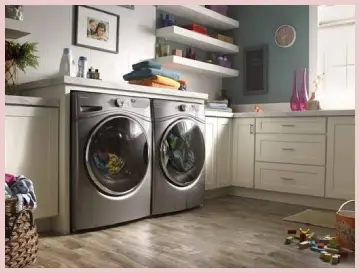
- Motor design and longevity: LG builds most of its modern machines around an Inverter Direct Drive motor that connects straight to the drum, and this design reduces wear because there are fewer moving parts.
Whirlpool uses solid direct-drive systems on many top-loaders, yet the higher parts count can increase vibration over time.
- Cleaning approach and cycle intelligence: LG relies on AI sensing and multi-motion wash actions that adjust based on fabric type and soil level, so clothes receive more precise treatment.
Whirlpool focuses on adaptive wash technology and soil sensors that handle everyday dirt without forcing users to select complex settings.
- Smart connectivity and app experience: LG’s ThinQ system is mature and widely available, and it lets users start cycles, receive alerts, and run diagnostics from a phone.
Whirlpool offers connectivity on higher models, but the feature set remains more limited and less consistent across the lineup.
- Capacity and configuration strengths: Both brands cover front-load and top-load styles effectively, yet Whirlpool stands out with its 2-in-1 removable agitator that switches between aggressive cleaning and open capacity.
LG often delivers higher spin speeds and better water extraction, which shortens dryer time for most loads.
- Ownership cost and service reality: Whirlpool parts are easy to find and usually cheaper, and local technicians know the machines well.
LG machines need fewer early repairs according to service data, but replacement parts can cost more and arrive more slowly when issues do appear.
Also Read: Is Kenmore Washing Machine Worth It?
Key Features Of Whirlpool Washing Machines
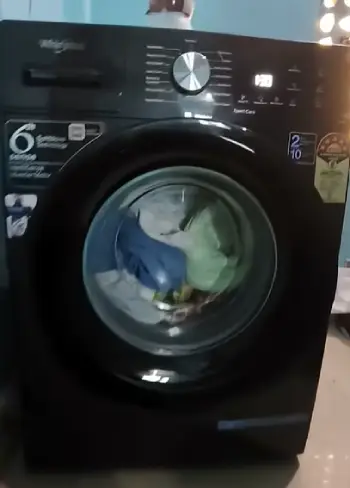
- Load & Go dispensers: Users pour detergent once and the machine meters the correct amount for dozens of loads.
Which removes the daily measuring step and reduces waste in busy households.
- Adaptive Wash and soil-sensing technology: Sensors measure load size and dirt level, then adjust water, time, and agitation automatically so cleaning stays consistent without constant manual changes.
- 2-in-1 removable agitator on many top-loaders: Owners keep the agitator for heavily soiled work clothes or remove it when they need extra space for a comforter, and this flexibility suits mixed laundry needs well.
- Steam options and specialized cycles on higher models: Steam helps reduce wrinkles and sanitize fabrics.
While dedicated cycles for towels, bedding, and pet hair add practical value without making the controls complicated.
- Straightforward controls and widespread parts support: Buttons and dials stay simple to use, and local technicians almost always carry common parts, so repair downtime remains short for most owners.
Pros Of Whirlpool Washing Machines
- Strong value for money: Buyers receive dependable cleaning and useful features at prices that sit lower than comparable LG models, so budget-conscious households can still choose a capable machine.
- Excellent parts availability and lower repair costs: Common parts remain easy to source and technicians know the platforms well, which keeps long-term ownership costs predictable and manageable.
- Practical everyday features that reduce friction: Load & Go dispensers and the removable agitator solve real daily annoyances, and owners spend less time measuring detergent or rearranging bulky loads.
- Solid performance on heavily soiled items: Top-load models with agitators still excel at mud, grease, and work clothes, so families with kids or outdoor hobbies appreciate the extra cleaning power.
- Broad configuration choices: The lineup covers simple top-loaders to feature-rich front-loaders and fits almost every installation and budget without forcing a premium price.
Cons Of Whirlpool Washing Machines
- Quieter operation is less consistent: Many models run acceptably quiet, yet they rarely match the near-silent spin performance of LG Direct Drive machines during high-speed cycles.
- Smart features feel secondary: Connectivity exists on select models, but the app experience and AI depth lag behind LG, so households that want full remote control notice the gap.
- Front-load odor and maintenance needs: Some owners report residual moisture and odor issues that require regular door-gasket cleaning and occasional tub-clean cycles to stay under control.
- Spin extraction can leave more water in clothes: Lower average spin speeds on certain models mean longer dryer times when compared with high-RPM LG units.
- Reliability numbers trail LG in some service datasets: First-year service rates for front-loaders have measured higher than LG in independent retailer data, although the absolute numbers stay reasonable for the category.
Also Read: Comparison Of Whirlpool And Samsung Washing Machines
Key Features Of LG Washing Machines
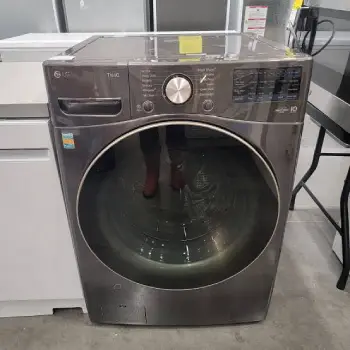
- Inverter Direct Drive motor: The motor mounts directly to the drum, vibration drops, and noise stays low while the ten-year motor warranty provides strong long-term confidence.
- AI Direct Drive and fabric sensing: The machine detects load composition and chooses the right wash motion and intensity, so clothes come out cleaner with less wear in everyday use.
- TurboWash technology: Multiple spray jets and optimized drum movement cut cycle times on many models, and busy families notice the shorter wait on weeknights.
- ThinQ smart platform: Full remote control, cycle status, energy tracking, and remote diagnostics sit in one polished app, and voice assistant integration works smoothly on recent machines.
- High spin speeds and strong water extraction: Faster spins leave clothes drier, which shortens dryer time and can lower overall energy use across the laundry pair.
Pros Of LG Washing Machines
- Outstanding quiet performance: The Direct Drive motor keeps vibration and noise low enough that many people run cycles at night without disturbing the rest of the household.
- Advanced cleaning and fabric care: AI sensing, multi-motion wash actions, and steam options deliver thorough results while treating clothes more gently than traditional agitator systems.
- Strong reliability track record on the motor: Multiple service studies show lower early failure rates, and the long motor warranty backs up the engineering claims with real protection.
- Mature smart ecosystem: ThinQ works reliably for remote starts, status checks, and troubleshooting, and the diagnostic tools often save an unnecessary service call.
- Efficient water and energy use paired with fast cycles: High spin speeds plus TurboWash mean less water, less energy, and less time spent waiting for laundry to finish.
Cons Of LG Washing Machines
- Higher purchase price: Equivalent capacity and feature levels usually cost more than Whirlpool counterparts, and the premium adds up when buyers want the full smart and steam package.
- Parts can be more expensive and less immediately available: When repairs are needed, the bill and the wait sometimes exceed Whirlpool experiences, and rural areas notice this difference more clearly.
- Occasional specific failure modes: Drain errors, door-boot mold, and certain sensor issues appear in owner reports, although regular cleaning of the filter and gasket helps reduce the risk.
- Learning curve on some models: The array of cycles, options, and AI modes can feel overwhelming at first for users who prefer simple dials and minimal choices.
- Front-load design still requires more attention than traditional top-loaders: Gasket wiping and occasional clean cycles remain necessary to prevent odor, just as with most front-load machines.
Real-World Performance And Everyday Use
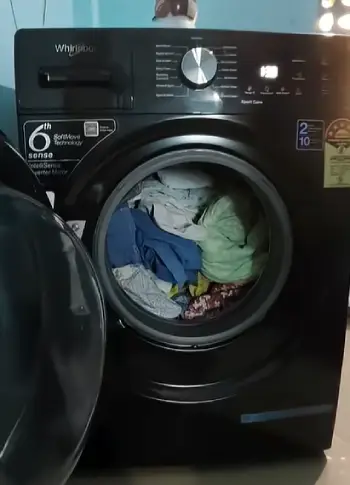
When I run mixed loads of towels, jeans, and everyday shirts, both brands clean well.
LG tends to leave clothes feeling slightly fresher and drier at the end of the spin.
Whirlpool top-loaders with the agitator still win on mud-caked sports gear and work pants for pure mechanical cleaning power.
Front-load models from either brand use less water and energy than traditional top-loaders, which shows up on utility bills over time.
Cycle length matters more than many people expect. LG’s TurboWash options routinely finish a normal load faster than comparable Whirlpool programs.
That difference becomes noticeable when you are trying to finish laundry before guests arrive or before the kids need clean uniforms again.
Noise is another daily reality. I can stand next to an LG front-loader during high-speed spin and hold a normal conversation.
Some Whirlpool models stay quiet enough, yet others transmit more vibration through the floor, especially on upper levels of a house.
Reliability And Long-Term Ownership
Service data from large appliance retailers consistently shows LG front-loaders needing fewer first-year repairs than Whirlpool front-loaders.
The Direct Drive design simply has fewer parts that wear. Whirlpool counters with easier and cheaper repairs when they do occur.
Over a ten-to-fourteen-year life, both brands deliver acceptable longevity if you keep the machine level, avoid overloading, and run the occasional cleaning cycle.
Top-load reliability flips the script somewhat. Whirlpool’s simpler direct-drive top-loaders have a strong reputation for lasting through heavy family use with minimal drama. Configuration often matters more than the brand name on the badge.
Cost Of Ownership Beyond The Sticker Price
Whirlpool usually wins the initial purchase decision. You can find capable models at lower price points. LG asks for more money up front but can return some of that investment through lower energy use, shorter dryer times, and fewer early repairs.
Factor in your local electricity and water rates, how often you run the machine, and whether you value smart features. The math changes from household to household.
Repair costs favor Whirlpool for most common parts. LG’s longer motor warranty removes one large potential expense, yet other components can still surprise you.
Which Brand Fits Different Households?
Large families with sports gear and heavy soil often lean toward Whirlpool top-loaders with the removable agitator.
Apartment dwellers and anyone who values quiet nights usually prefer LG front-loaders.
Tech-oriented buyers who already live in a connected home ecosystem find LG’s ThinQ more satisfying. Value shoppers who want solid performance without paying for every extra sensor stay happy with Whirlpool.
Also Read: Is Finally Fresh Washing Machine Cleaner Worth It?
Frequently Asked Questions (FAQ)
It depends on priorities. LG edges ahead for quiet operation, advanced features, and motor reliability. Whirlpool wins on price, repair ease, and practical everyday tools.
LG shows lower early service rates in several front-load datasets, largely thanks to the Direct Drive motor. Whirlpool remains highly serviceable and durable, especially in top-load form.
No single brand owns every category. LG frequently leads Consumer Reports brand scores and reliability surveys for front-loaders. Whirlpool and others lead in different segments and price ranges.
LG often ranks highest overall for performance and predicted reliability. Whirlpool offers stronger value and easier repairs. GE sits competitively in the middle with solid mid-range options but usually trails the other two in most head-to-head reliability and feature comparisons.
Final Thoughts
After looking at the motors, the cycles, the ownership data, and the daily reality of running laundry, I see two strong but different machines.
LG gives you quieter spins, smarter cycles, and a longer motor warranty that many people never need to use. Whirlpool gives you practical features, lower purchase prices, and the comfort of knowing any repair will probably be straightforward and affordable.
You should match the brand to the way your household actually does laundry rather than chasing a single “best” label.
Measure your space, list the features you will truly use, and check current local pricing and warranty details. The right choice will feel obvious once those pieces line up for you.
Recent Posts
Lennox Mini Split Reviews: Is This Ductless Air Conditioner Worth Buying?
If you want efficient, quiet, and flexible home cooling without installing traditional ductwork, a Lennox mini split is worth considering. I like its combination of inverter technology,...
Hardie Board Vs. LP SmartSide: Which Siding Actually Fits Your House and Budget?
I’ve spent a lot of time comparing Hardie board and LP SmartSide because choosing siding is one of those decisions that sits on your house for decades. My goal here is straightforward: lay...