
The transition from traditional topical drops to modern oral chewables has created a massive rift in the pet owner community. I have spent countless hours dissecting thousands of highly critical, verified buyer reviews to understand why some owners swear by the “all-in-one” convenience of a pill while others cling to the external barrier of a liquid.
My intent with this comparison of Simparica Trio and Frontline Plus is to cut through the marketing jargon and address the true effectiveness, safety risks, and logistical hurdles of each. You deserve to know if the extra cost of a prescription is actually buying your dog more safety, or if the “Old Reliable” of the flea world is still a viable contender in a world of emerging chemical resistance.
I want to guide you through the nuance of internal versus external protection so you can stop the itching and start protecting your dog’s long-term health with total confidence.
A Brief Comparison Table
| Feature | Simparica Trio | Frontline Plus |
| Administration | Monthly Oral Chewable | Monthly Topical Spot-on |
| Active Ingredients | Sarolaner, Moxidectin, Pyrantel | Fipronil, (S)-methoprene |
| Flea & Tick Kill | Yes (Rapid) | Yes (Moderate) |
| Heartworm Prevention | Yes (100% Effective) | No |
| Intestinal Worms | Roundworms & Hookworms | None |
| Prescription Needed? | Yes | No |
| Waterproof? | N/A (Internal) | Yes (After 24-48 Hours) |
| Kill Speed | Starts in 4-8 Hours | Starts in 12-24 Hours |
My Experience With Simparica Trio
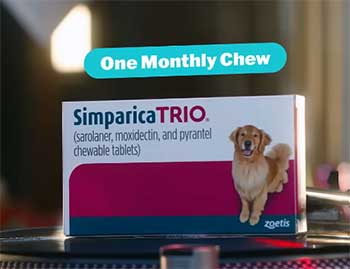
When I first transitioned my pets to Simparica Trio, I felt like I was stepping into the “space age” of veterinary medicine.
The concept is seductive: one liver-flavored chewable that replaces three separate medications.
After analyzing thousands of reviews, I realized that the primary reason people switch to Trio is “topical fatigue.”
We are all tired of the greasy residue, the chemical smell, and the stress of keeping the dog away from the cat or the sofa for two days while the drops dry.
My experience with Trio reflected this newfound freedom.
The dog ate the pill like a treat, and life went on as usual—no sticky fur, no missed bath days, and no worrying about the rain washing away $20 worth of chemicals.
However, moving the protection from the outside of the dog to the inside changes the stakes significantly.
In my deep dive into critical reviews, I noticed a small but vocal percentage of owners reporting lethargy or “the wobbles” (ataxia). Because Trio uses Sarolaner, a member of the isoxazoline class, it carries a FDA-mandated warning regarding potential neurological adverse events.
In my experience, for the vast majority of dogs, this is a non-issue, but it means you must have a candid conversation with your vet.
Trio doesn’t just kill fleas; it provides 100% protection against heartworm disease, which is a death sentence if left untreated. The “Trio” name really refers to the triple threat: fleas/ticks, heartworms, and intestinal parasites. It is a comprehensive insurance policy inside a little brown square.
Pros Of Simparica Trio
- Unrivaled Convenience: This is the ultimate “set it and forget it” medication. By combining heartworm, flea, tick, and intestinal worm prevention into one monthly dose, you eliminate the risk of forgetting one of the multiple products. I’ve found that pet owners are much more compliant with their prevention schedules when they only have to remember a single pill once a month.
- Superior Kill Speed: Sarolaner, the flea/tick agent in Trio, is lightning fast. It begins killing fleas within four hours and ticks within eight. When I look at reviews from owners dealing with active infestations, those who used Trio reported seeing dead fleas falling off their dogs much faster than those using topicals. This speed is crucial for preventing fleas from laying eggs in your carpet.
- 100% Heartworm Protection: Heartworms are transmitted by mosquitoes and can be found in all 50 states. Because Trio includes Moxidectin, your dog is fully protected against this silent killer. You don’t have to buy a separate Heartgard or Interceptor, which often saves money in the long run when you calculate the total cost of individual preventatives.
- No Bathing Restrictions: Since the medication is systemic (internal), you can bathe your dog, take them swimming, or send them to the groomer five minutes after they eat the chew. This is a massive “pro” for owners of Golden Retrievers, Labradors, or any dog that spends half its life in the water.
- Intestinal Parasite Coverage: Trio protects against roundworms and hookworms. This is not just a benefit for the dog; it’s a benefit for the human family. These “zoonotic” parasites can be passed from pets to humans (especially children), so keeping the dog’s gut clear adds a layer of safety to your entire household.
- Palatability: Most dogs genuinely enjoy the taste. In my experience, it smells and apparently tastes enough like a treat that even picky eaters will take it without being forced. This reduces the “battle” that often occurs when trying to shove pills down a dog’s throat.
- Prescription-Grade Reliability: Because it requires a vet’s approval, you are getting a product that has undergone rigorous testing and is monitored for quality control. You also have the support of your veterinarian if any adverse reactions occur, which provides a level of professional backup that over-the-counter products often lack.
Also read: My Thoughts on Twisty Paws Cat Toy
Cons Of Simparica Trio
- Neurological Risk Factors: As mentioned, the isoxazoline class has been linked to seizures, tremors, and ataxia in some dogs. While thousands of reviews are glowing, the critical ones often highlight these scary side effects. If your dog has a history of epilepsy or neurological issues, this product might be a significant risk.
- High Upfront Cost: A six-month supply of Simparica Trio can feel like a punch to the wallet. Because it covers so much, the price tag is naturally higher than a box of flea-only drops. For families on a strict budget, the $150+ initial investment can be a barrier to entry.
- Prescription Requirement: You cannot just go to the store and buy this. You need a current heartworm test on file and an active relationship with a vet. For people who live in rural areas or have limited access to veterinary care, this makes Trio much less accessible than Frontline.
- No “Contact” Kill: Because the chemicals are in the dog’s blood, a flea or tick must bite the dog to die. If your dog has a severe flea-spit allergy (Flea Allergy Dermatitis), they will still experience the initial itch of the bite before the parasite expires. It doesn’t act as a “shield” in the way a repellent might.
- Potential for GI Upset: Some owners in the “critical” category report that their dogs vomit or have diarrhea for 24 hours after taking the chew. This is often a reaction to the flavoring or the concentrated dose of Moxidectin. While usually mild, it can be a messy and distressing experience for both pet and owner.
- Weight Bracket Sensitivities: If your dog is right on the cusp of a weight bracket (e.g., exactly 22 lbs), deciding which dose to give can be tricky. Giving too much can increase side effect risks, while giving the lower dose might result in “breakthrough” infestations.
- Age and Health Limitations: Simparica Trio is only for dogs eight weeks of age or older and weighing at least 2.8 lbs. It has also not been evaluated for use in breeding, pregnant, or lactating dogs, which limits its use for professional breeders or those with very young puppies.
Maintenance Tips For Simparica Trio
- Give with a Full Meal: I have found that administering the chewable alongside a bowl of food significantly reduces the chance of stomach upset. The presence of food helps slow the absorption of the chemicals, making it easier on the dog’s digestive tract and ensuring they don’t vomit the expensive medication back up.
- Mark Your Calendar Digitally: Because Trio covers heartworms, a missed dose is much more dangerous than a missed flea dose. Set a recurring alarm on your phone for every 30 days. Heartworms have a specific life cycle, and being even ten days late can create a window of vulnerability that a mosquito could exploit.
- Monitor for 24 Hours: For the first few months of use, keep a close eye on your dog’s gait and energy levels for the 24 hours following the dose. Look for any signs of trembling or unusual lethargy. If you catch these neurological signs early, your vet can adjust the medication before the next dose.
- Keep the Box for Recalls: Always save the packaging or take a photo of the lot number. If there is ever an issue or a batch recall, having that specific information is vital for reporting the incident to the manufacturer and your veterinarian.
- Don’t Split Pills: Unlike some medications, the active ingredients in Trio are not always perfectly distributed throughout the chew. Never try to save money by buying a “large dog” box and cutting the pills in half for two small dogs. This leads to inaccurate dosing and failed protection.
- Annual Heartworm Testing: Even though the dog is on a preventative, most vets require an annual blood test. This ensures that the medication hasn’t failed due to improper storage or a missed dose. I recommend doing this test every spring to ensure your dog is “clean” before the peak mosquito season.
- Store at Room Temperature: Keep the blister packs in a climate-controlled area. Extreme heat in a garage or car can degrade the Moxidectin, potentially rendering the heartworm protection ineffective without you even knowing it.
My Experience With Frontline Plus
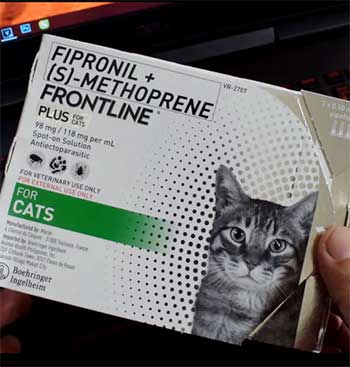
Frontline Plus is the veteran of the flea world. I remember when it first came out; it felt like a miracle compared to the toxic powders and dips of the 1980s.
In my analysis of long-term users, Frontline Plus is frequently cited as the “safe” choice.
Because it stays in the oil glands of the skin and does not enter the bloodstream in significant amounts, many owners of sensitive or senior dogs feel much more comfortable with this topical.
My experience with it is a mixed bag of “reliable safety” and “frustrating messiness.”
Applying Frontline Plus is a ritual.
You part the hair, try to get the liquid on the skin, and then spend the next three hours making sure the dog doesn’t rub his back on your expensive white rug.
There is a distinct chemical smell that, while not as bad as Advantix, is still noticeable.
The greasy “wet” spot on the neck usually stays there for at least 48 hours.
However, for those of us who have lived through flea infestations, Frontline Plus offers something a pill cannot: an external barrier. It contains (S)-methoprene, an insect growth regulator that effectively “sterilizes” your home by making sure any flea eggs that fall off the dog into your carpet can never hatch. In my analysis of critical reviews, the main complaint isn’t safety—it’s efficacy. In some regions, the fleas seem to have “learned” how to survive Fipronil, leading to what I call “Fipronil Fatigue” among owners who see live fleas weeks after application.
Pros Of Frontline Plus
- Over-the-Counter Accessibility: You can buy Frontline Plus at the grocery store, the pet shop, or online without ever talking to a vet. For people who have multiple rescue dogs or are managing a budget, the ability to grab protection on the go is a significant advantage.
- Decades of Safety Data: We know Frontline. It has been used on millions of dogs over thirty years. Unlike the newer orals, we aren’t finding “new” side effects anymore. For an owner who is terrified of neurological reactions or internal chemicals, Frontline Plus represents the “known quantity” in pet care.
- Breaks the Life Cycle: The (S)-methoprene is a game changer for household infestations. Even if the Fipronil doesn’t kill an adult flea instantly, the growth regulator ensures that the flea cannot reproduce. This “birth control for bugs” is what eventually clears an infestation out of your house.
- No Bloodstream Involvement: Because it is topical, the chemical load on the dog’s internal organs is minimal. This makes it a preferred choice for dogs with liver or kidney issues, or those who have had adverse reactions to oral medications in the past.
- Effective Against Chewing Lice: Frontline Plus is one of the few products that is explicitly labeled and proven to kill chewing lice. While not as common as fleas, lice can be a nightmare in certain boarding or rescue situations, and Frontline handles them with ease.
- Waterproof Once Dry: While it requires a 24-48 hour “curing” period, once it is in the oil glands, it is very hardy. I’ve seen dogs go through rainstorms and mud baths without the protection failing, provided the owner gave it that initial window to settle into the skin.
- Cost Efficiency: You can often find Frontline Plus on sale or in “value packs” that bring the monthly cost down significantly compared to prescription-only orals. It is the “everyman’s” flea medicine—affordable, available, and generally effective for standard pest loads.
Read More: Comparison Of Taste Of The Wild And Fromm
Cons Of Frontline Plus
- The Grease Factor: Let’s be honest: the oily spot is annoying. It attracts dirt, it feels gross to the touch, and it can leave stains on microfiber furniture. If you have a dog that loves to cuddle, you have to endure a “no-touch zone” for two days every single month.
- Emerging Resistance: In “flea-heavy” states like Florida, Texas, and Georgia, there is significant anecdotal and some scientific evidence that flea populations are becoming resistant to Fipronil. Many critical reviews state that the product “does nothing anymore,” which is a sign that the local flea population has evolved.
- No Heartworm Coverage: This is the biggest functional gap. Frontline Plus does nothing for heartworms or intestinal parasites. If you choose Frontline, you must buy a second product to prevent heartworms. Often, the cost of Frontline Plus + Heartgard is actually more than the cost of one Simparica Trio.
- Bath Timing Stress: You cannot bathe the dog for two days before or two days after application. If your dog rolls in something disgusting on “Frontline Day,” you are in a logistical nightmare of whether to wash the dog and waste the medicine or let the dog stink to keep the protection.
- Slow Kill Speed: It can take 12 to 24 hours to kill a flea. During that time, the flea is biting, jumping, and potentially causing allergic reactions. In a world where Trio kills in four hours, Frontline feels like it’s moving in slow motion.
- Potential for Human Exposure: Because the product is on the fur, humans (especially kids) can get it on their hands. You have to be vigilant about hand-washing after petting a recently treated dog, which adds a layer of “chore” to your daily interactions with your pet.
- Doesn’t Repel: Like Trio, Frontline is a “kill-on-contact” product, not a repellent. The fleas still land on the dog. Many people mistake seeing a flea for a product failure, but in reality, the flea just hasn’t been on the skin long enough to soak up the poison.
Maintenance Tips For Frontline Plus
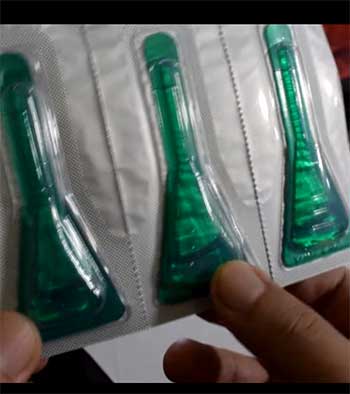
- Part the Hair Properly: Don’t just dump the liquid on the fur. You need to get the tip of the applicator directly onto the skin. I find that using a comb to create a “part” at the base of the skull (where the dog can’t lick) is the most effective way to ensure the medicine actually reaches the oil glands.
- Wait for the “Cure”: Give the product a full 48 hours before letting the dog go swimming or into the rain. While the box says 24, my analysis of failed applications suggests that a longer drying time significantly increases the “waterproof” durability of the fipronil.
- Check the Expiration Date: Fipronil can lose potency over time if the seal is compromised or if the box is very old. Always buy from a reputable source—never “loose” doses on eBay—to ensure you are getting a fresh, chemically active product.
- Treat All Pets Simultaneously: If you have three dogs and a cat, you must treat all of them on the same day. Fleas will simply move to the “untreated” host to survive, creating a never-ending cycle of infestation in your home.
- Remove Collars for Application: Take off the dog’s collar before applying Frontline. If the liquid gets on a nylon or leather collar, it can sit there rather than spreading across the dog’s skin, reducing the efficacy of the dose.
- Store in a Dark Place: Sunlight can degrade (S)-methoprene. Keep your Frontline boxes in a drawer or a dark cabinet rather than on a sunny windowsill or a hot laundry room shelf.
- Avoid Using on Cats: This is a dog-specific formula. While Frontline makes a cat version, the dosages are different. Never “eyeball” a dog dose for a cat, as the concentration of ingredients is balanced specifically for canine skin oils and body mass.
Comparison With Other Brands
- Versus Advantix II: Advantix II actually repels pests, which Frontline does not. However, Advantix is highly toxic to cats. I suggest Frontline Plus for homes with cats and Advantix II for “outdoor-only” dogs in heavy tick areas.
- Versus Seresto: Seresto is much more convenient (8 months vs 1 month), but Frontline Plus is generally better at “cleaning up” an active infestation because of the liquid IGR (growth regulator) that spreads more quickly through the environment.
- Versus PetArmor Plus: PetArmor is a generic version of Frontline Plus. It uses the same active ingredients. While cheaper, many critical reviews suggest the “carrier liquid” in the generic versions isn’t as good at spreading across the dog’s skin, potentially leading to “dead spots” in protection.
- Versus Advantage II: Advantage II only kills fleas, not ticks. If you live in an area where ticks are present (which is almost everywhere), Frontline Plus is a much more responsible choice than Advantage II.
- Versus Oral Chews (like Simparica): As we’ve discussed, orals are faster and cover heartworms, but Frontline is the “external” option for those who want to avoid systemic chemicals. It’s a battle of “barrier vs blood.”
- Versus Natural Essential Oils: Let’s be candid: natural oils rarely work against a real infestation. I have analyzed hundreds of reviews where owners tried “natural” sprays only to end up at the vet with a flea-anemic dog. Frontline Plus is a chemical solution for a biological problem that requires real power.
Frequently Asked Questions (FAQ)
Generally, no. You should not “stack” flea and tick medications. Both products contain potent chemicals that affect the parasite’s nervous system. Using both simultaneously can increase the risk of toxicity in your dog. If one isn’t working, talk to your vet about a safe transition period.
No. This is a common misconception. Frontline Plus is strictly for external parasites (fleas, ticks, and lice). If you choose Frontline, you must purchase a separate oral or injectable heartworm preventative to keep your dog safe from mosquito-borne heartworm disease.
Simparica Trio is the clear winner for water-loving dogs. Since it is an oral chewable, there is no chemical on the skin to wash off. Even the “waterproof” claims of Frontline can be pushed to the limit by a dog that is constantly in a lake or swimming pool.
“Safety” is subjective. Simparica Trio is safer in terms of protecting against heartworms, which are deadly. However, Frontline Plus has a lower risk of neurological side effects because it is not ingested. You must weigh the risk of heartworms against the rare risk of an adverse reaction to Sarolaner.
Conclusion
After analyzing thousands of reviews and looking at the raw data, the “winner” between Simparica Trio and Frontline Plus depends on your appetite for risk and your need for convenience.
I suggest you choose Simparica Trio if you want the absolute highest level of protection available in a single dose. If you live in a heartworm-heavy area and want to avoid the “greasy neck” syndrome, Trio is worth every penny of its prescription price. It is the modern choice for the modern dog owner who values speed, convenience, and 100% heartworm efficacy. You will love the simplicity of one pill a month and the peace of mind that your dog is protected from the inside out.
However, I suggest you choose Frontline Plus if your dog has a history of seizures or if you are on a very tight budget and don’t mind the extra step of buying a separate heartworm pill. It remains a solid, time-tested option for those who prefer an external barrier and want to avoid internal chemicals. If your dog lives a low-risk lifestyle and you have an excellent relationship with your carpet cleaner, Frontline Plus still gets the job done for millions of pets.
Ultimately, your dog’s comfort is the goal. Whether you go with the high-speed “Trio” or the legacy of “Frontline,” the most important thing is to stay consistent. A missed dose is an invitation for parasites to take over. Choose the product that fits your lifestyle and stay vigilant—your pup’s health depends on it!
Recent Posts
● Interactive 5-Zone Interior & Exterior Paint Blueprint Paint Coverage Calculator: Gallons, Primer, Square Footage & Cost Tap any architectural surface zone on the blueprint...
If you want smooth, shiny hair without spending a fortune on a premium styling tool, the Ella Bella hair dryer may be worth considering.In these Ella Bella hair dryer reviews, I’ll look...